Wikimedia Commons • Public Domain
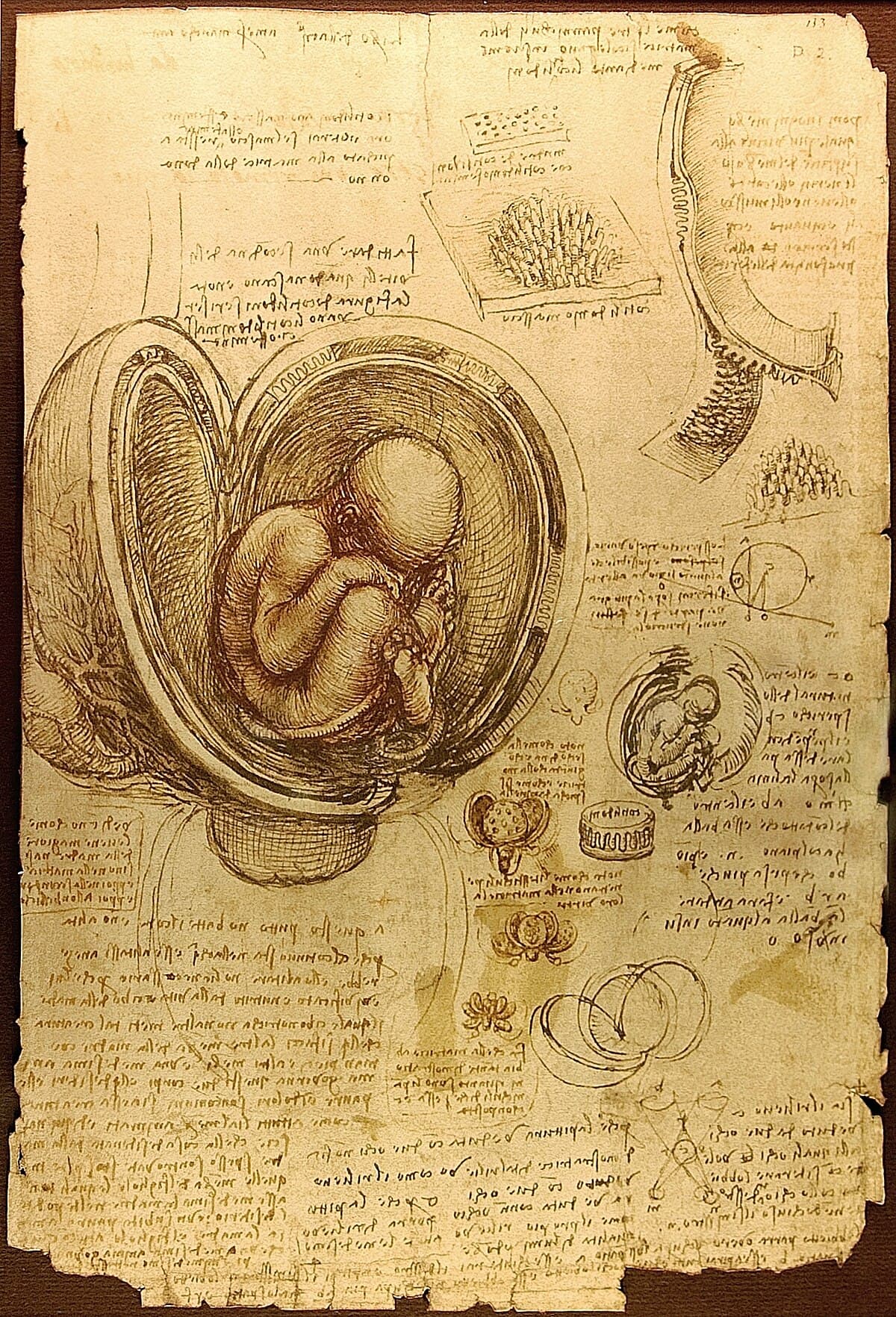
Study
StyleRenaissance
Artwork Details
Cite or Embed This Work
APA · MLA · Chicago1-click academic citation and embeddable “On View” museum badge for articles, syllabi, and research.
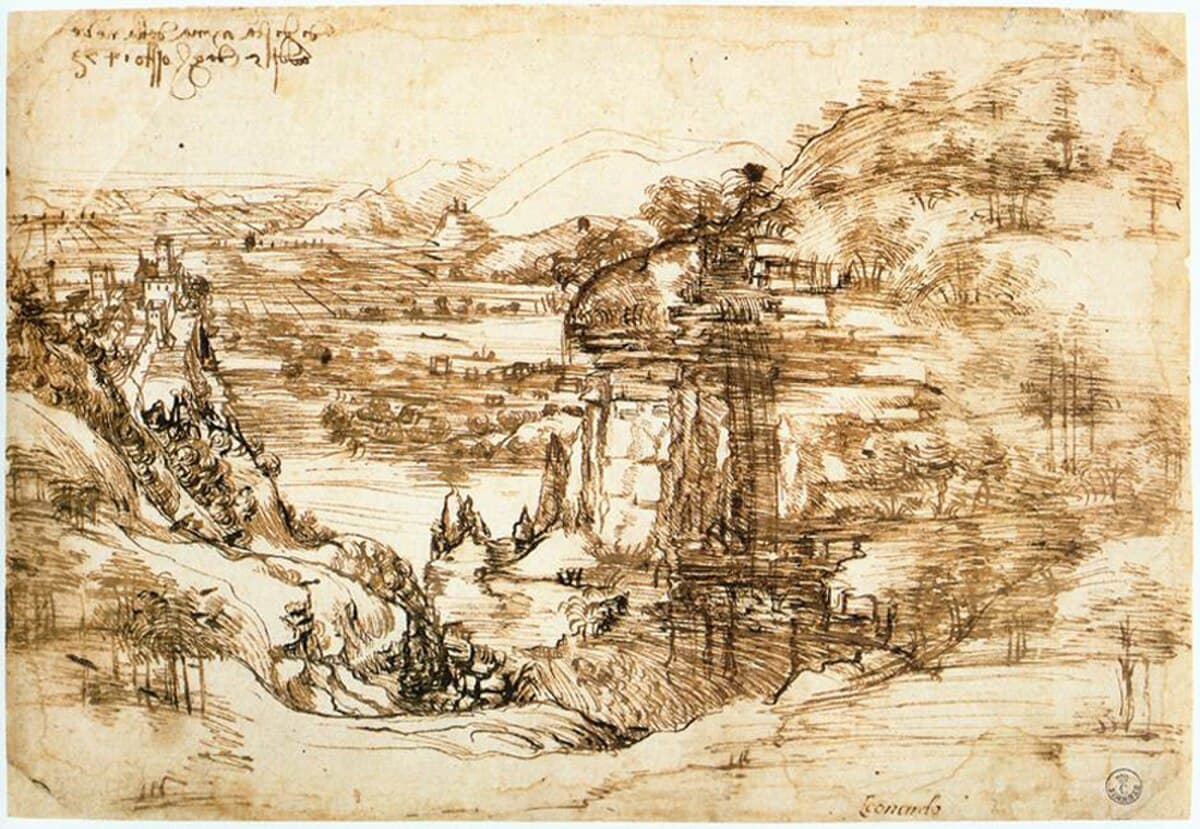
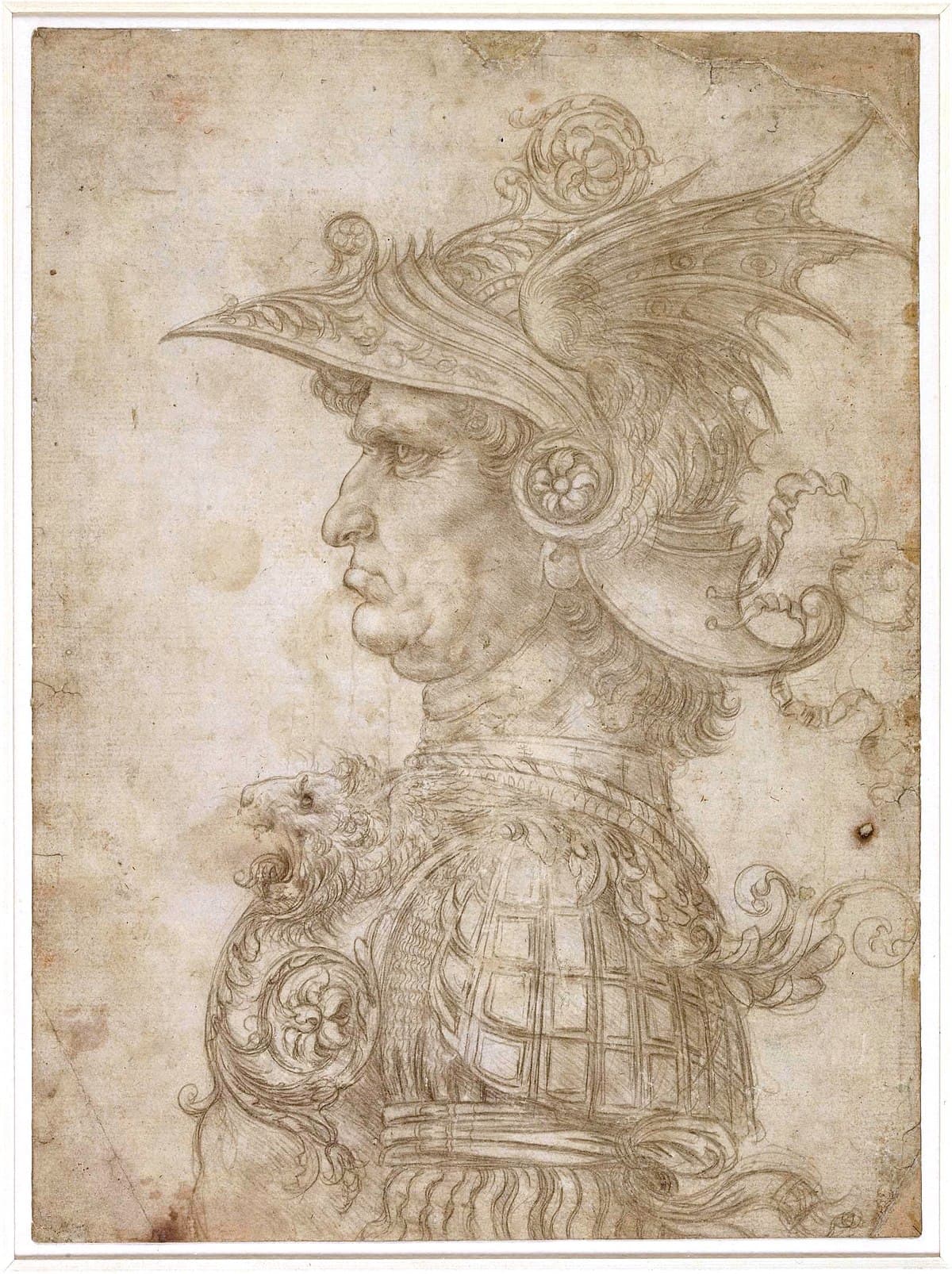
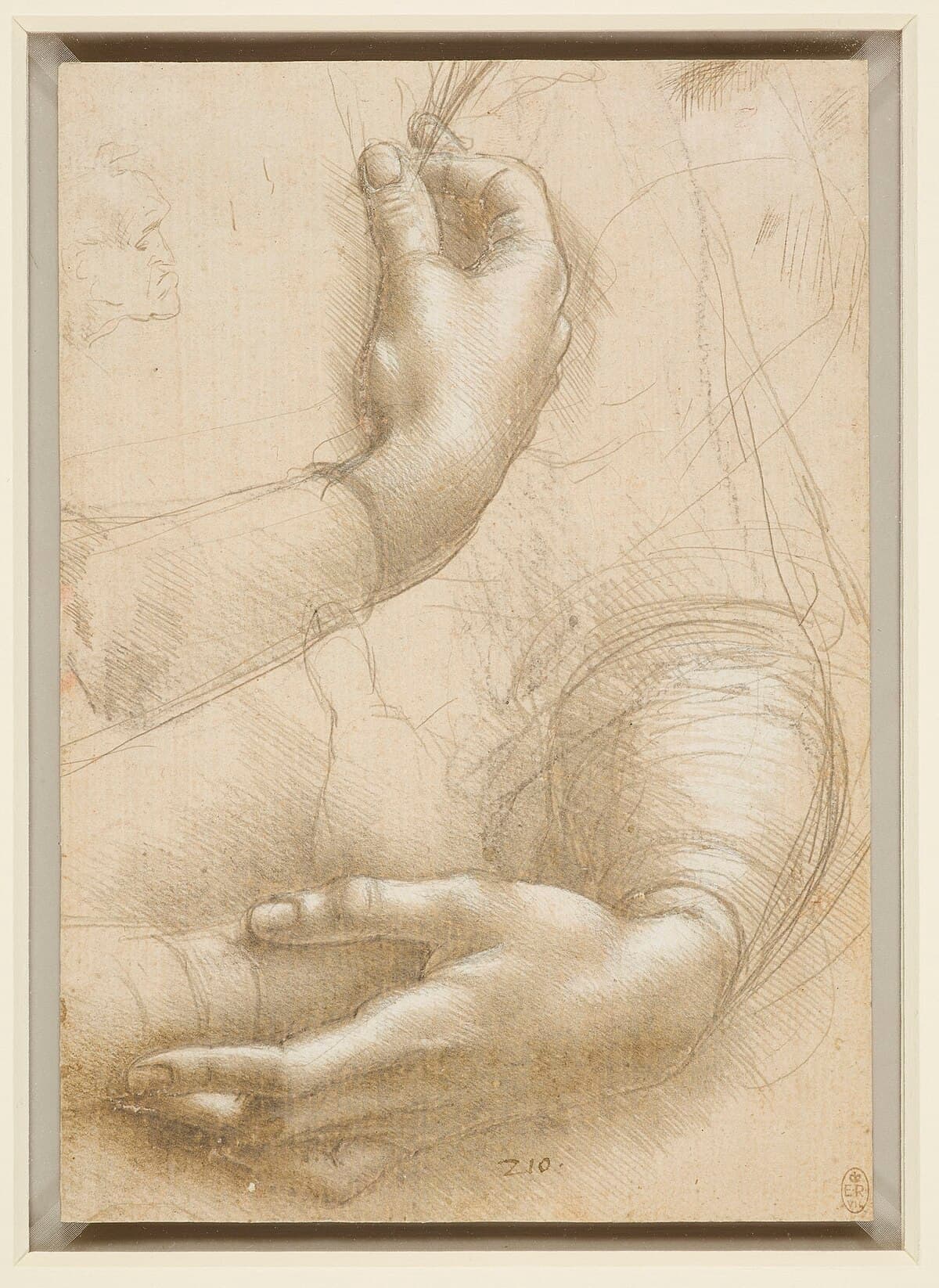
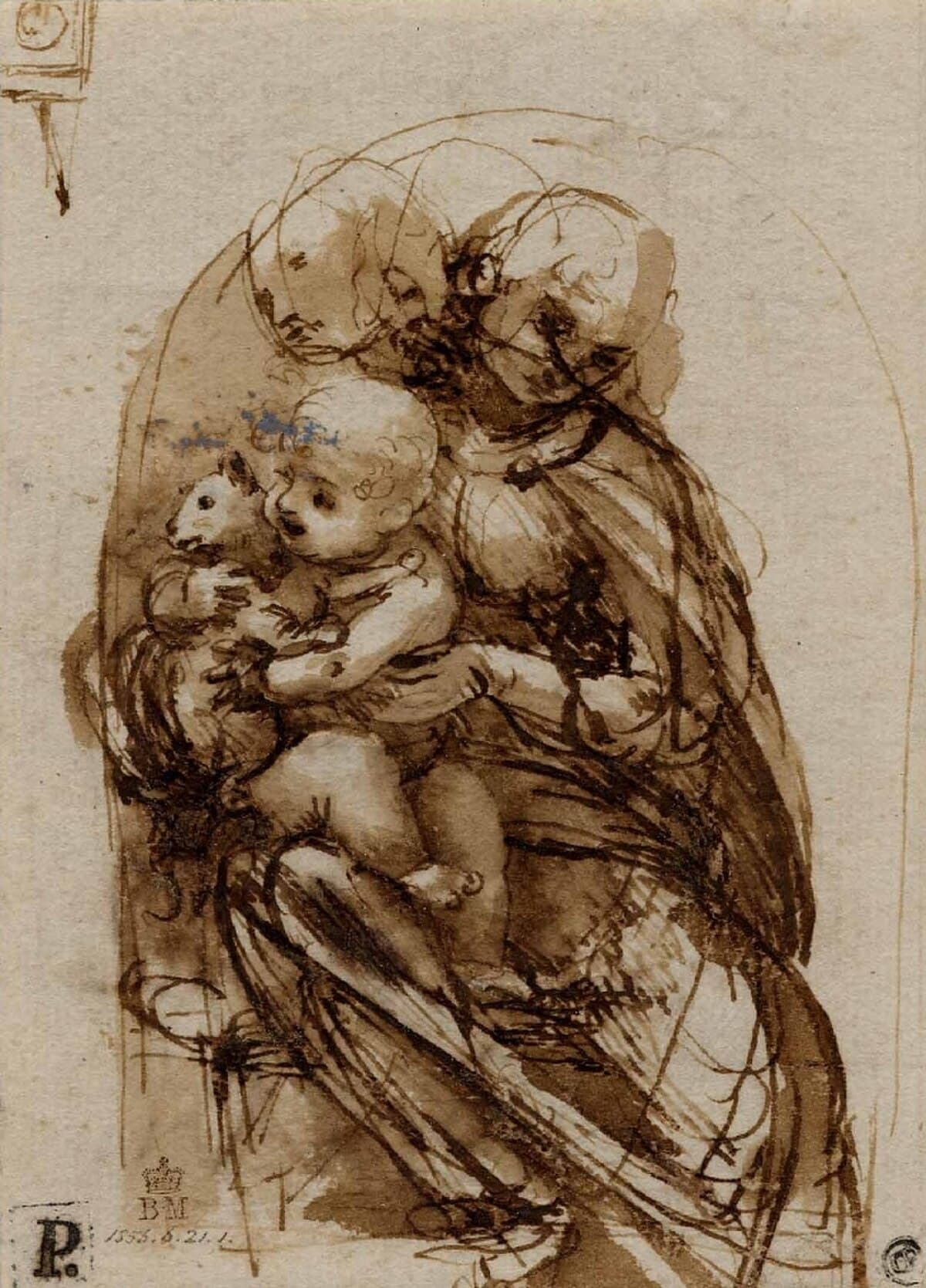
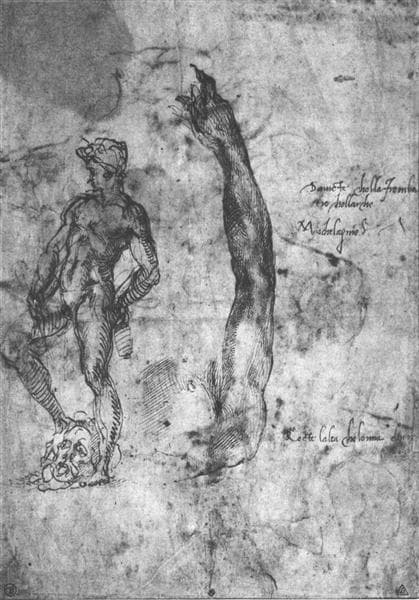
Leonardo da Vinci left behind approximately 13,000 pages of drawings and notes, making his studies invaluable records of Renaissance thought. His sketches range from anatomical investigations to mechanical inventions, architectural plans to natural observations.
Leonardo believed illustration took precedence over written explanation in teaching. His drawings served as "demonstrations" that the text then explained. This approach made his notebooks precursors to modern scientific illustration. Studies like this one reveal his insatiable curiosity and desire to understand everything from human muscles to flying machines.