Public Domain
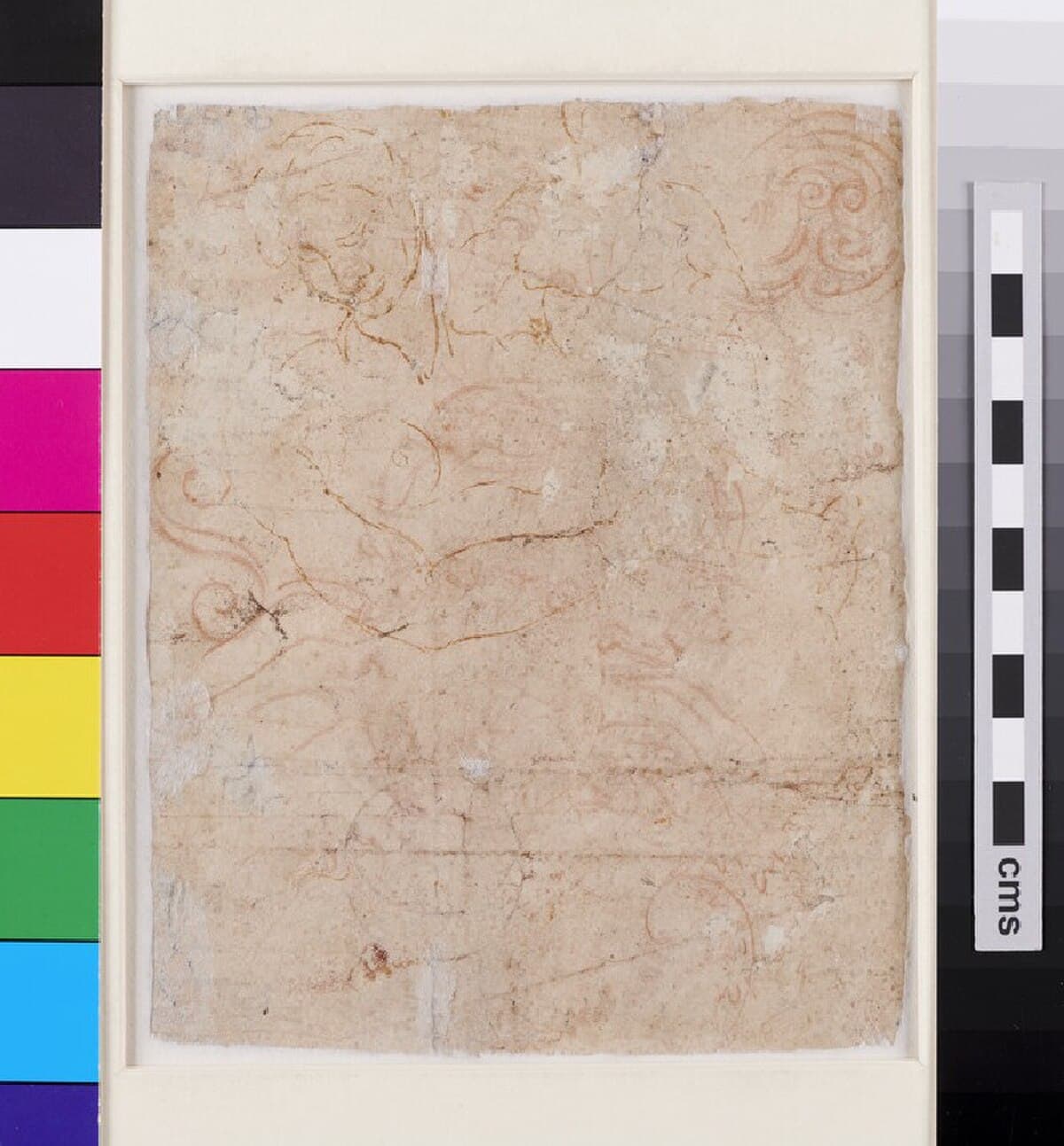
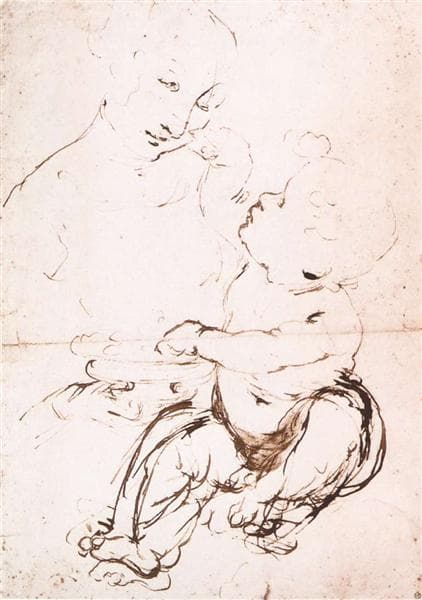
Study for the Madonna with the Fruit Bowl
StyleRenaissance
GenreReligious
Artwork Details
Cite or Embed This Work
APA · MLA · Chicago1-click academic citation and embeddable “On View” museum badge for articles, syllabi, and research.
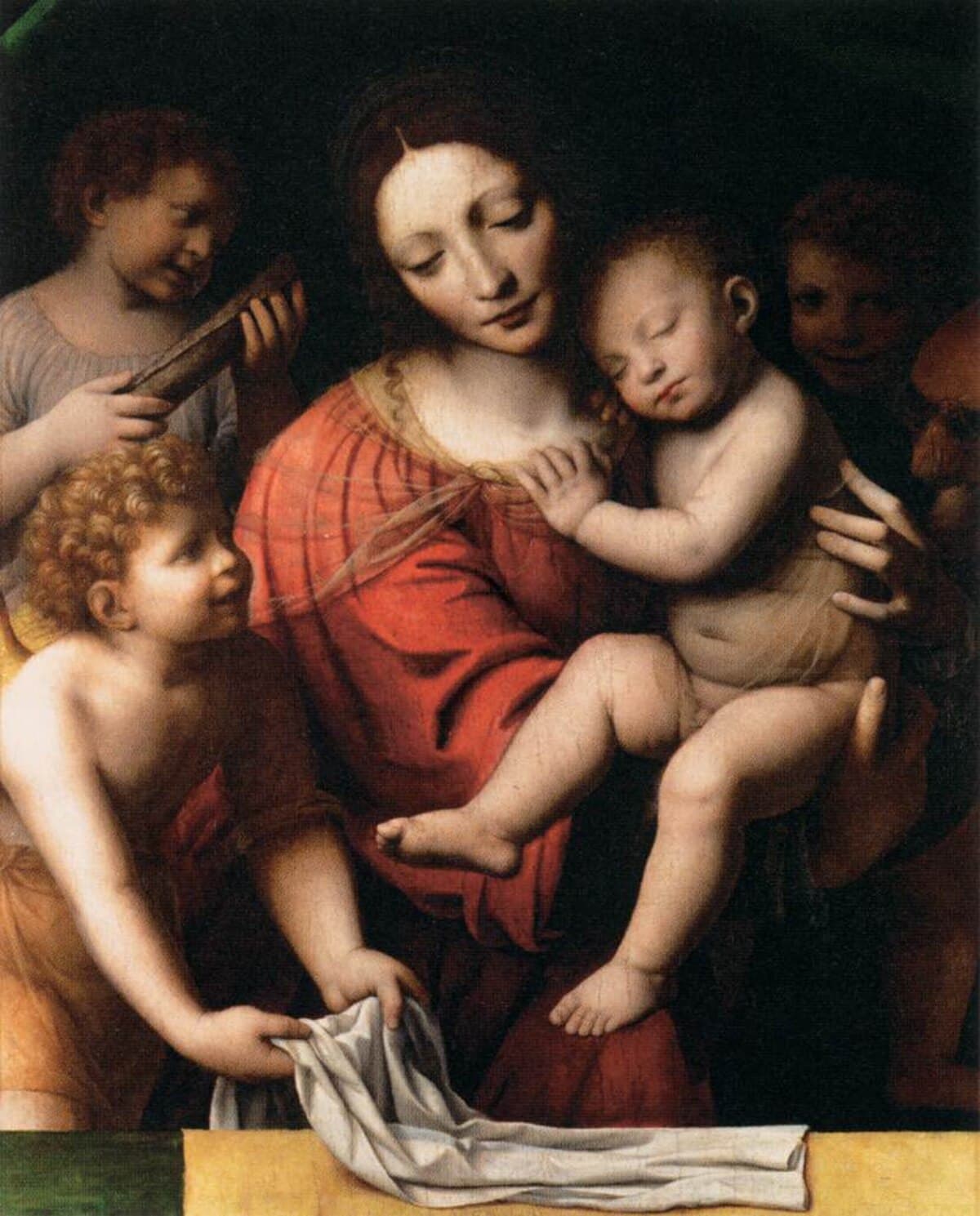
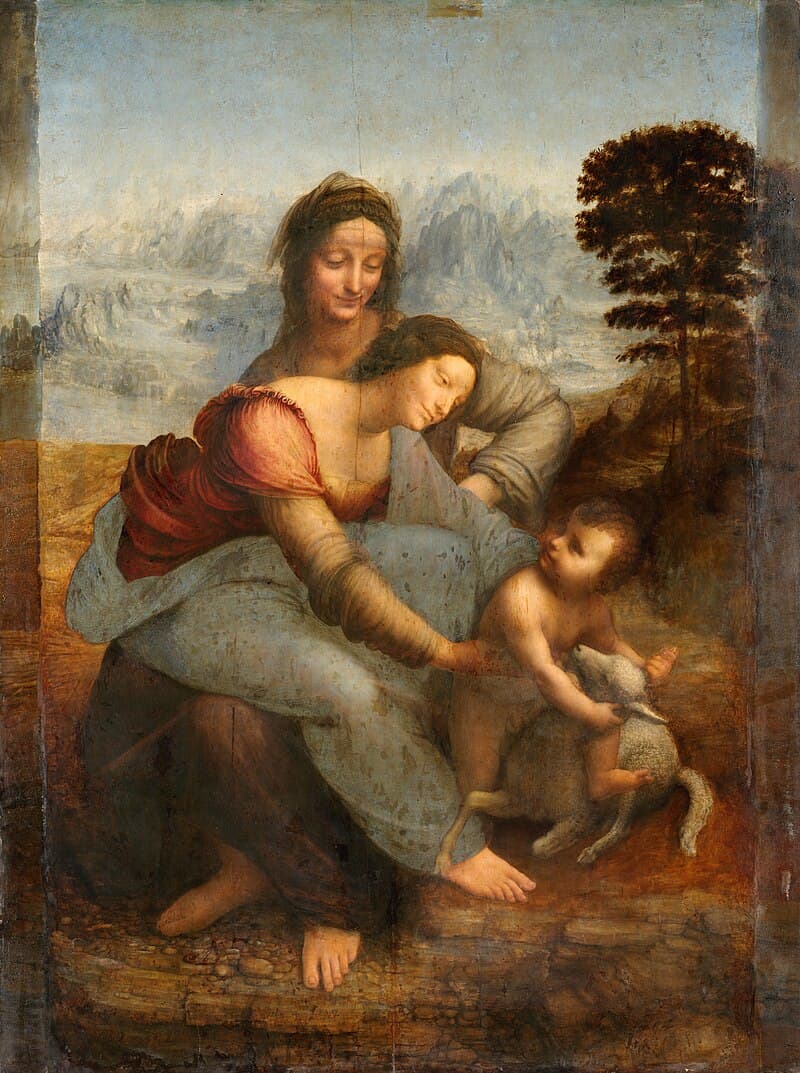
Leonardo da Vinci created the preparatory drawing around 1478, exploring poses for a Madonna and Child composition. Executed in pen and ink on paper, the sheet shows Leonardo's restless mind testing different arrangements of mother and infant. Multiple sketched positions overlap as he worked toward an ideal grouping, revealing the creative process behind his finished paintings.
The drawing belongs to Leonardo's early Florentine period, when he was still working in Andrea del Verrocchio's workshop while developing his independent practice. The rapid, searching lines capture moments of movement and gesture that a finished painting would freeze into permanence. Leonardo filled countless pages with such studies, building his compositions through exhaustive preparation rather than direct painting.
Few artists left such complete records of their working methods. These sketches show Leonardo observing real mothers with children, noting how infants twist and reach, how women balance weight while holding babies. The naturalism that distinguishes his Madonnas began with drawings like this one. The sheet now belongs to the Louvre in Paris, where it offers insight into how a Renaissance master developed his celebrated compositions.