Wikimedia Commons • Public Domain
Study sheet
StyleRenaissance
Artwork Details
Cite or Embed This Work
APA · MLA · Chicago1-click academic citation and embeddable “On View” museum badge for articles, syllabi, and research.
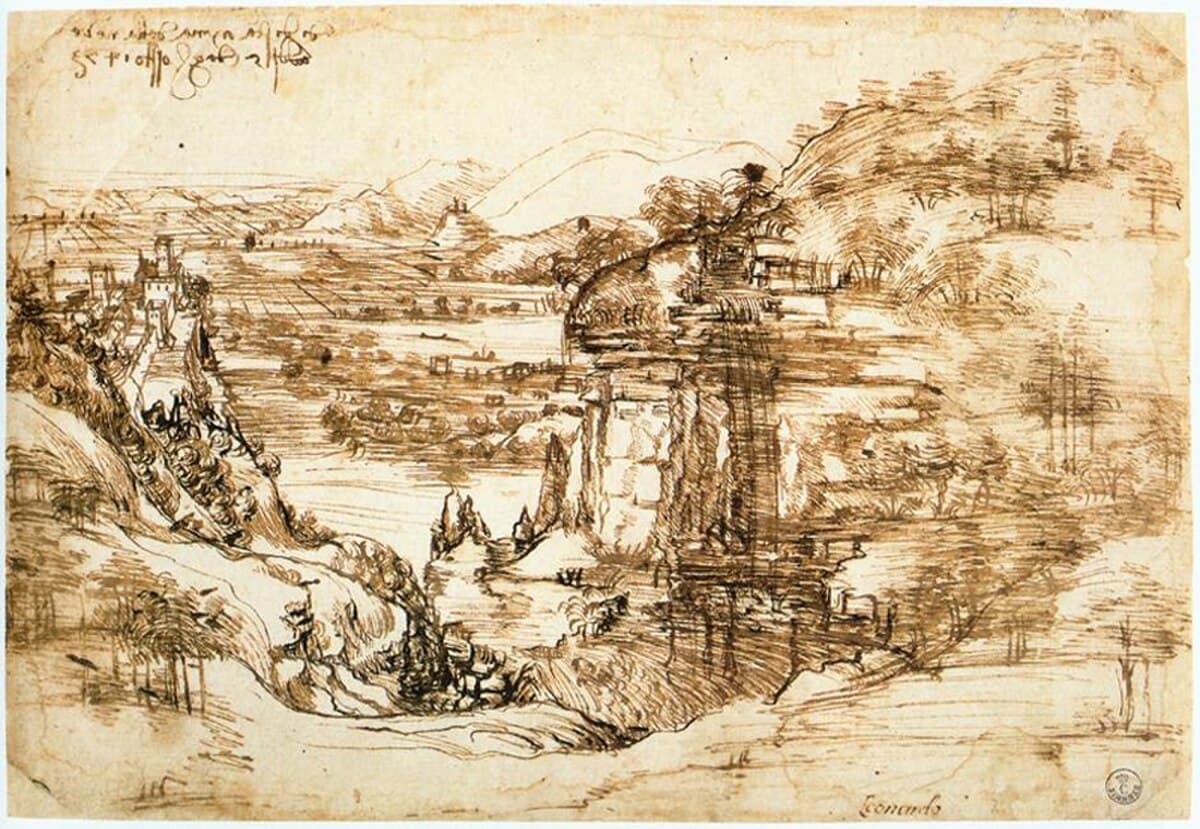
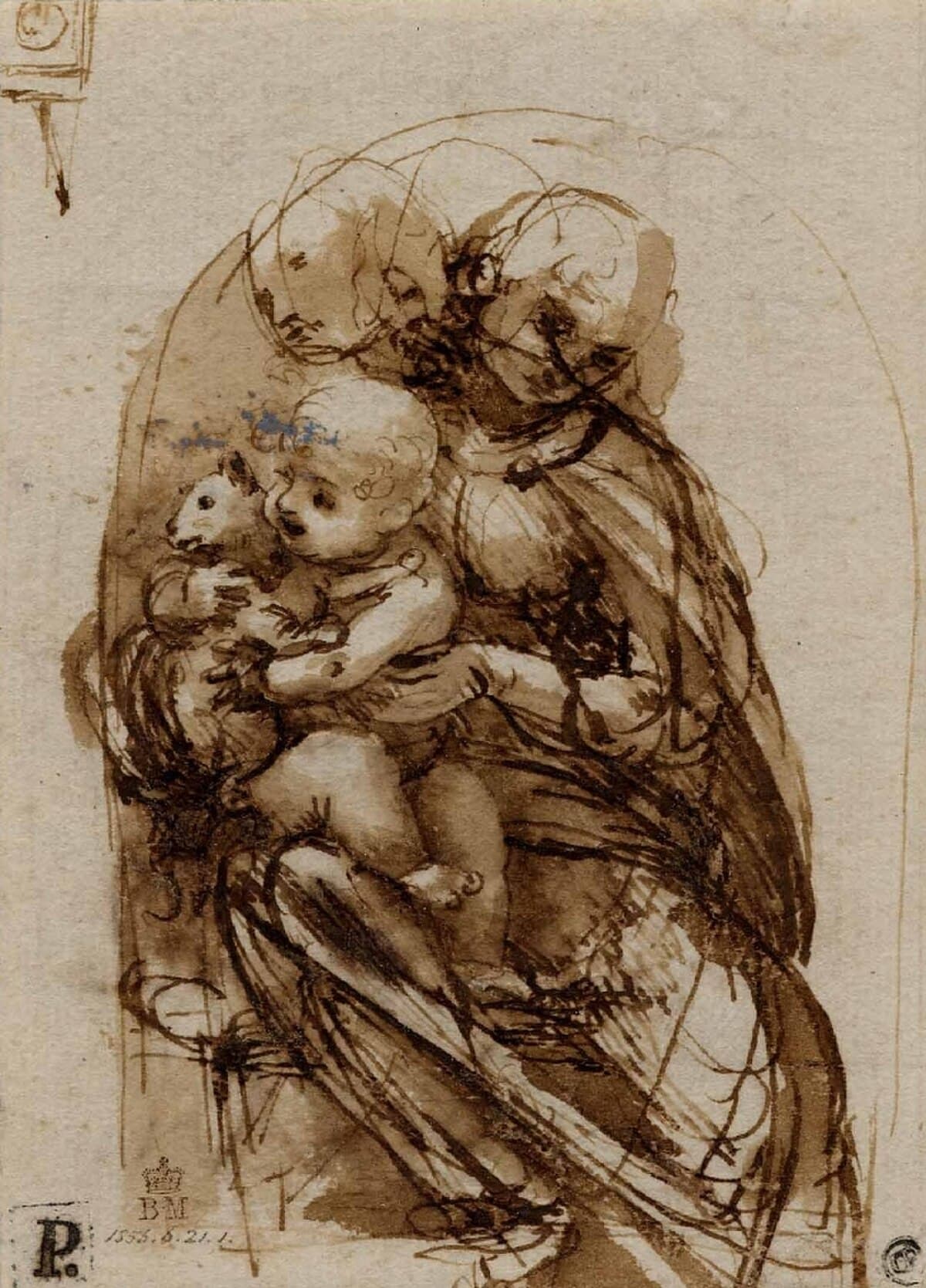
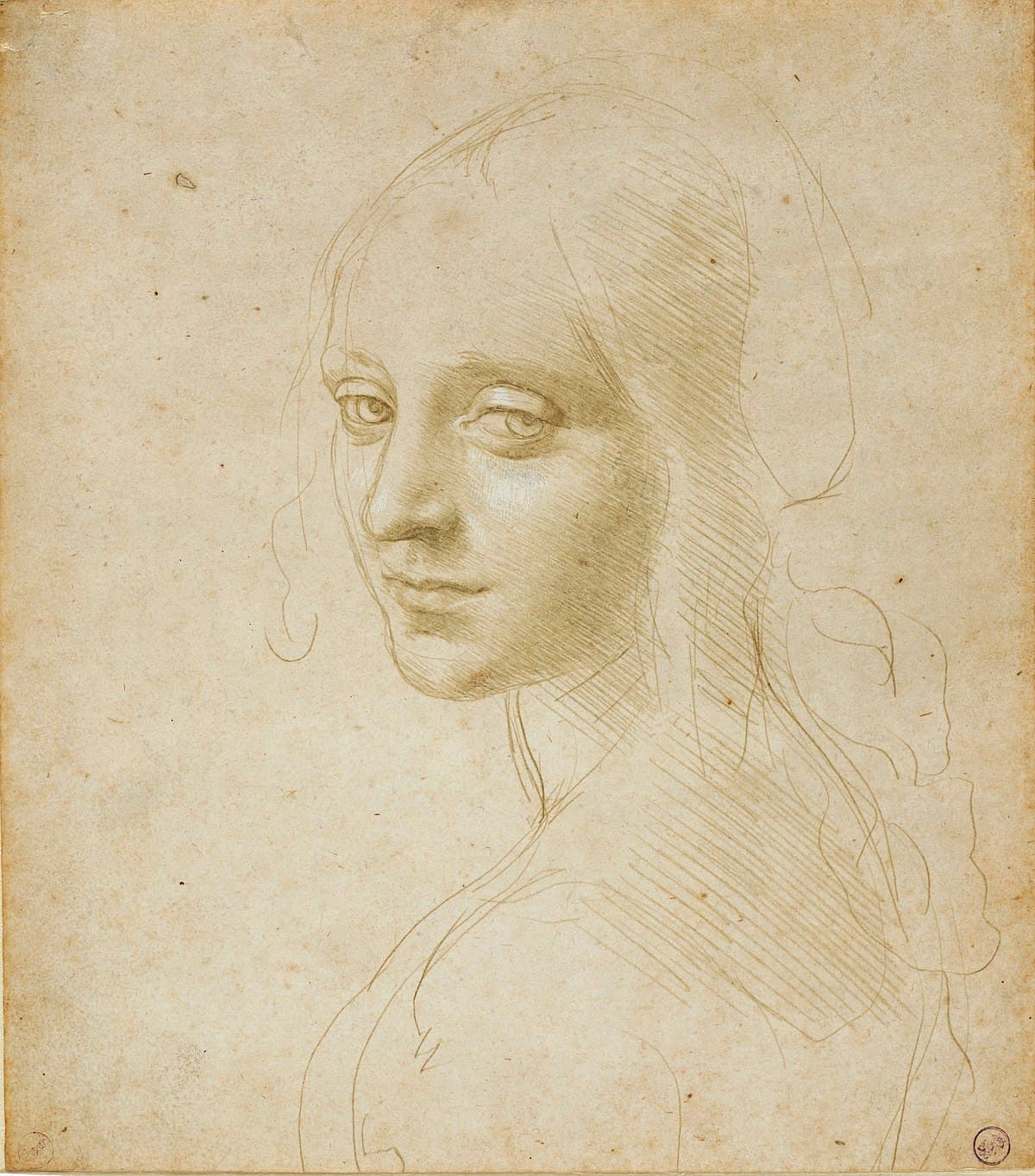
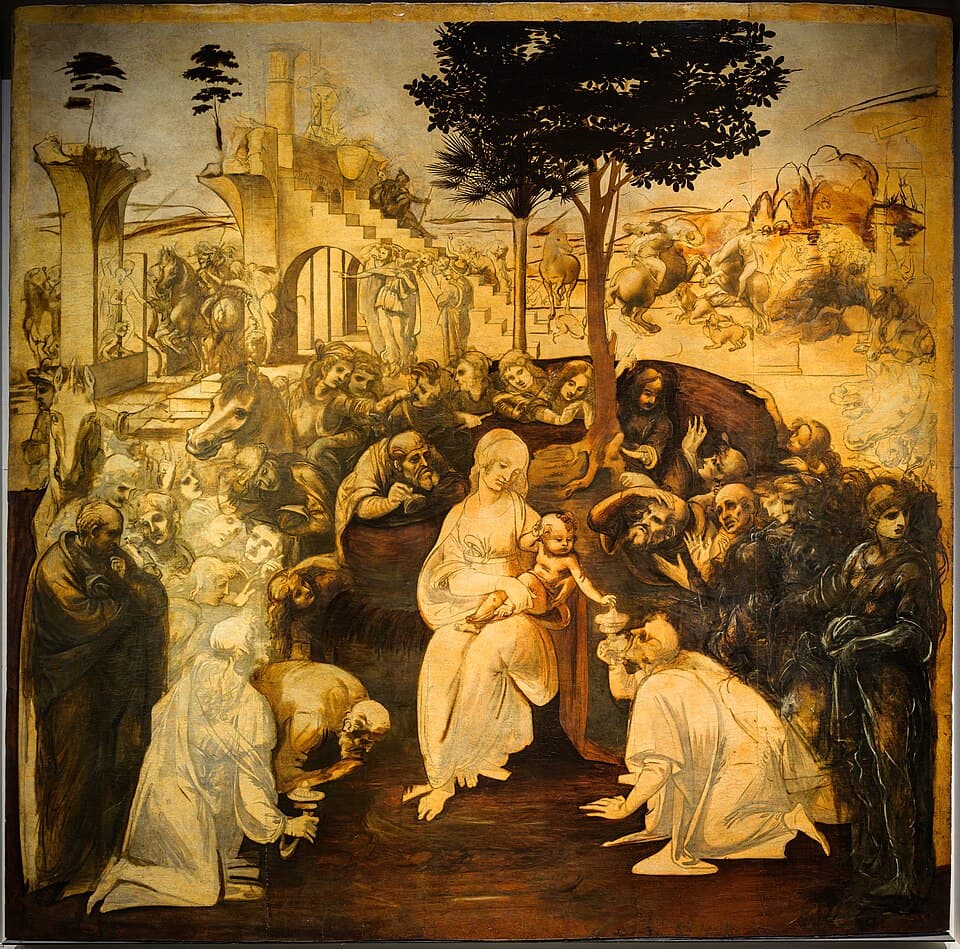
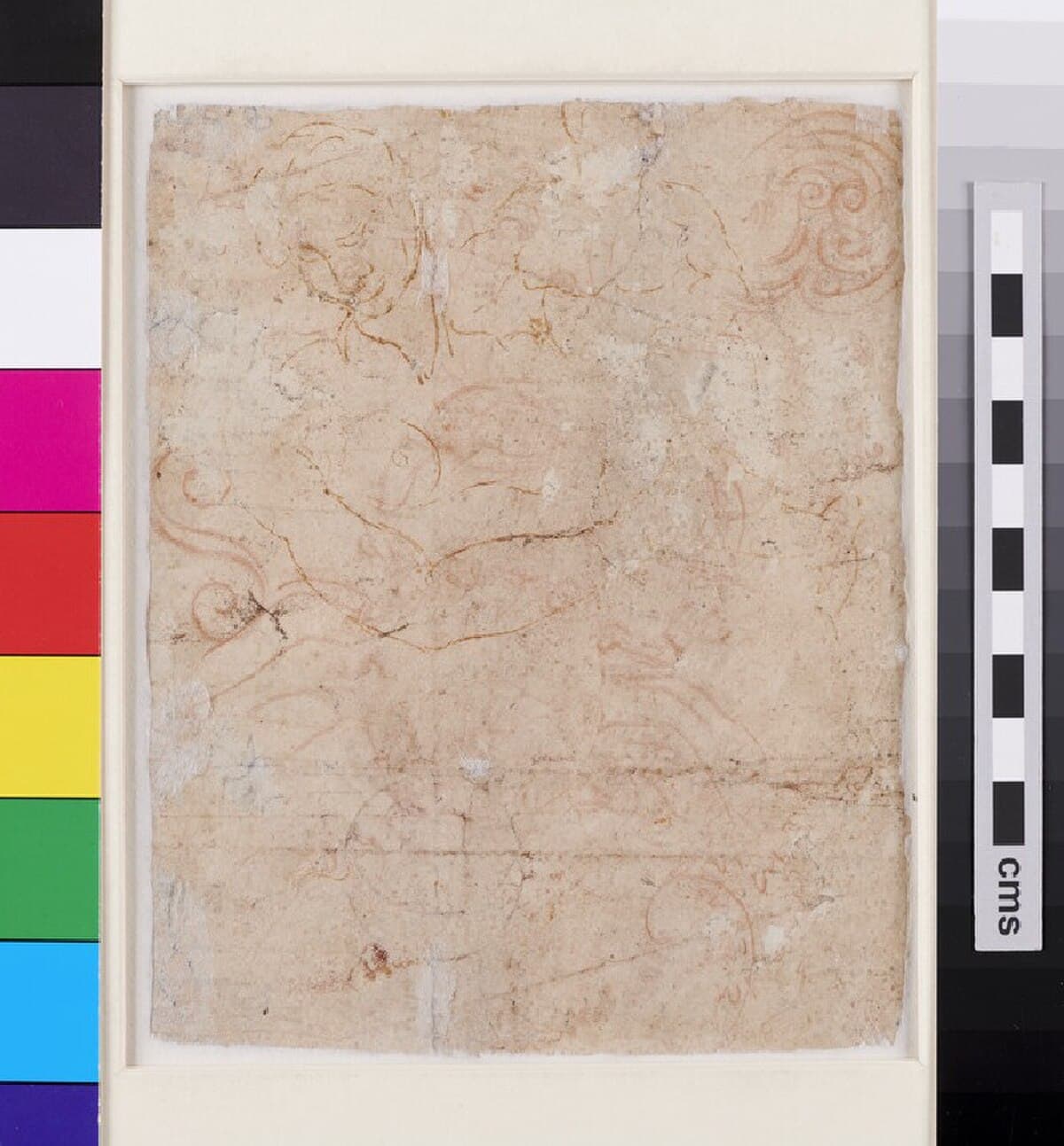
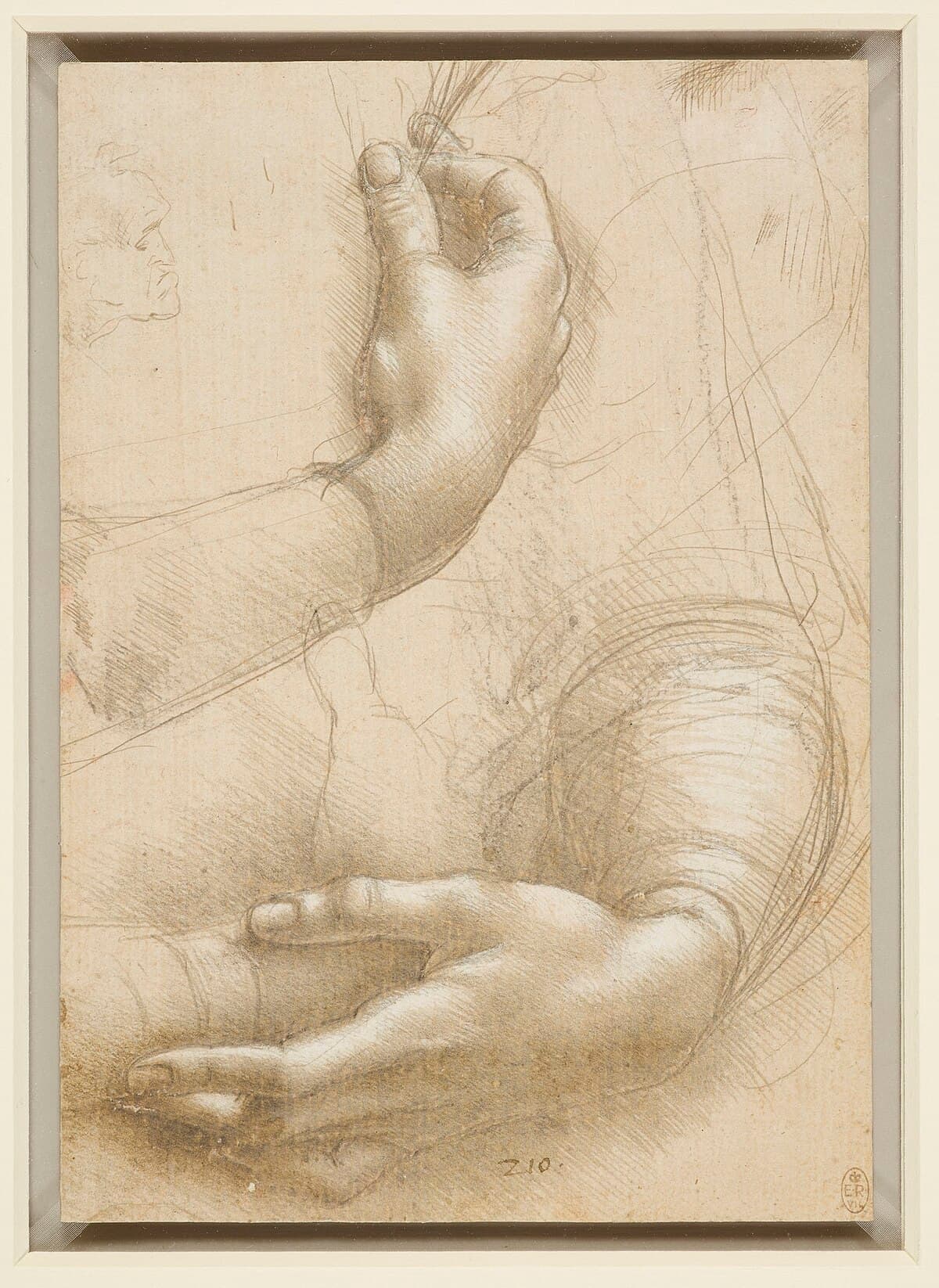
Italian artist Leonardo da Vinci created this study sheet around 1478, filling the paper with multiple sketches that reveal his restless, investigative mind. Figure studies, drapery drawings, and various exploratory marks crowd the page, each element representing a moment of visual thinking. Such sheets offer invaluable glimpses into Leonardo's working process.
Leonardo used study sheets to work through problems across different subjects simultaneously. A figure might appear alongside drapery folds, mechanical ideas, or anatomical observations, the page becoming a record of thought rather than a finished product. Pen and ink allowed rapid notation, capturing ideas before they fled.
The mixture of subjects on a single sheet was characteristic of Leonardo's approach. He didn't separate art from science or observation from invention. Everything connected in his mind, and study sheets preserve that interconnected thinking. The page now belongs to the Uffizi Gallery in Florence, where it represents the creative process behind Leonardo's finished major works.