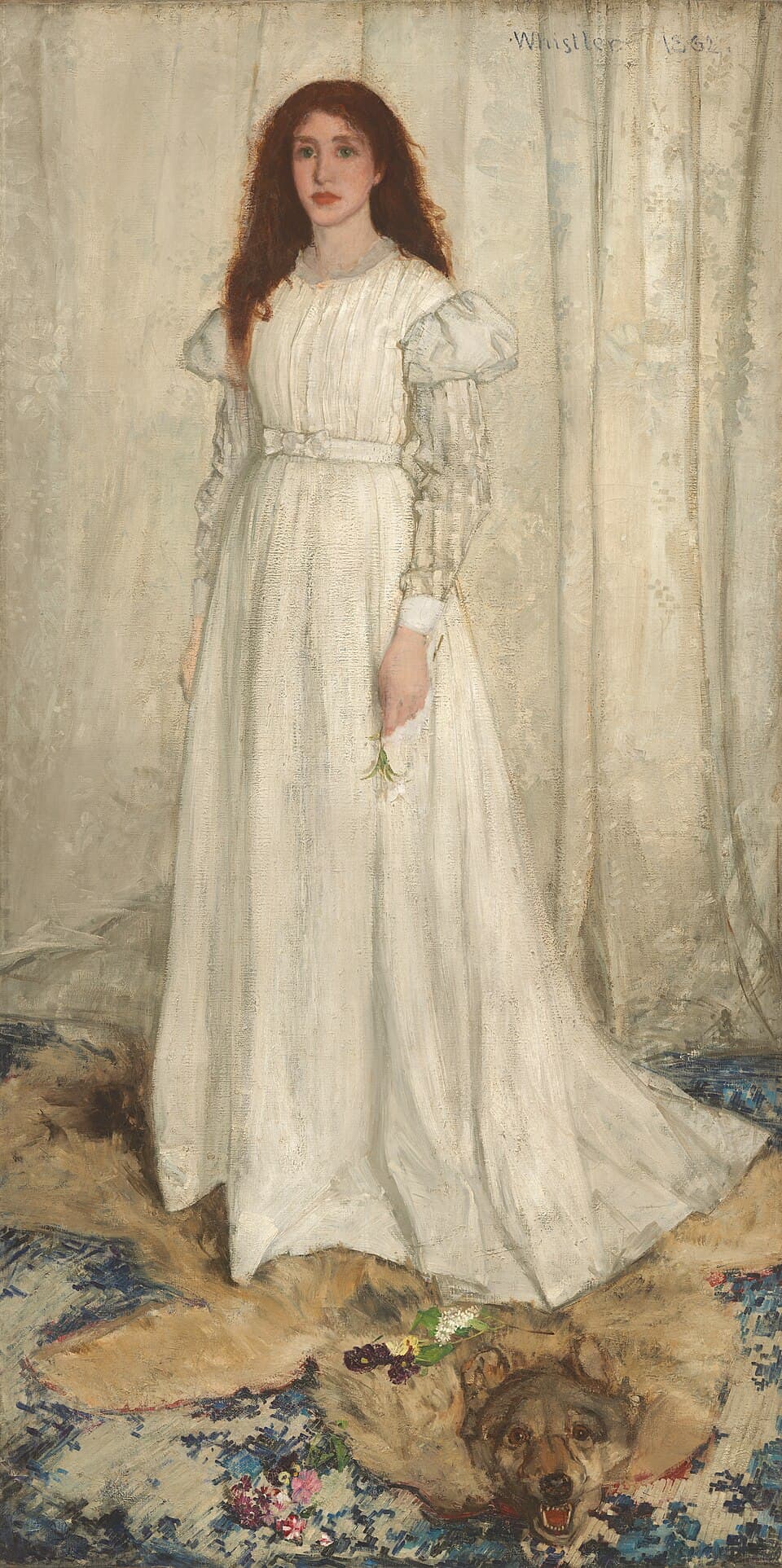
Symphony in White, No. 1: The White Girl
by
by
1-click academic citation and embeddable “On View” museum badge for articles, syllabi, and research.
James McNeill Whistler painted his mistress Joanna Hiffernan standing on a bearskin rug in 1862. She wears white against a white curtain, holding a white lily. The near-monochrome palette was radical.
The painting was rejected by the Royal Academy and the Paris Salon, but it became a sensation at the 1863 Salon des Refusés, where it hung near Manet's Olympia. Critics called it "The White Girl" and debated whether it represented innocence or fallen virtue.
Whistler later retitled it Symphony in White to emphasize that subject matter was secondary to tonal harmony. It now hangs at the National Gallery of Art.

Giovanni Battista Moroni
National Gallery of Art, Washington, D.C.
Edgar Degas
National Gallery of Art, Washington, D.C.
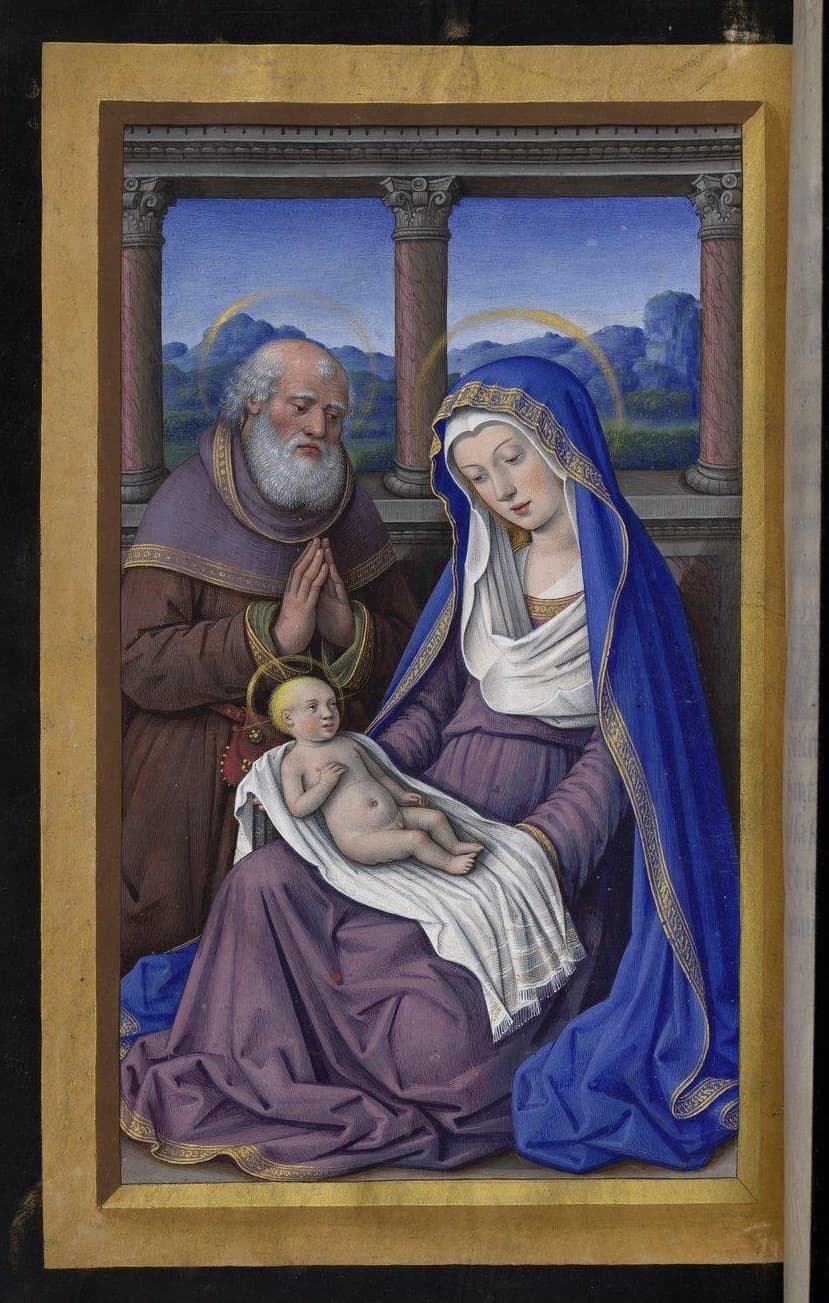
Bronzino
National Gallery of Art, Washington, D.C.
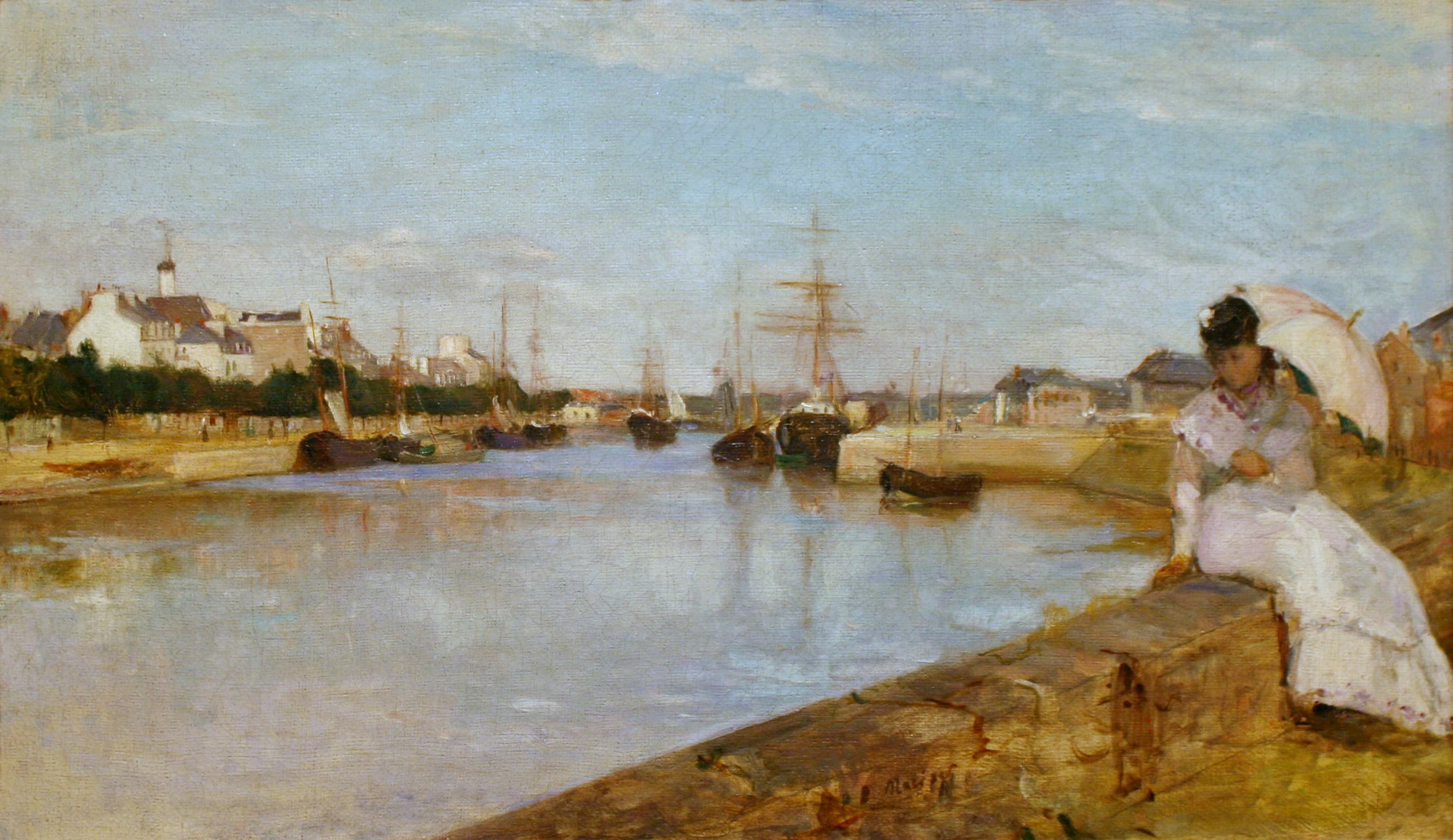
Berthe Morisot
National Gallery of Art, Washington, D.C.
Works that share an artist, movement, museum, genre, palette or theme with Symphony in White, No. 1: The White Girl.
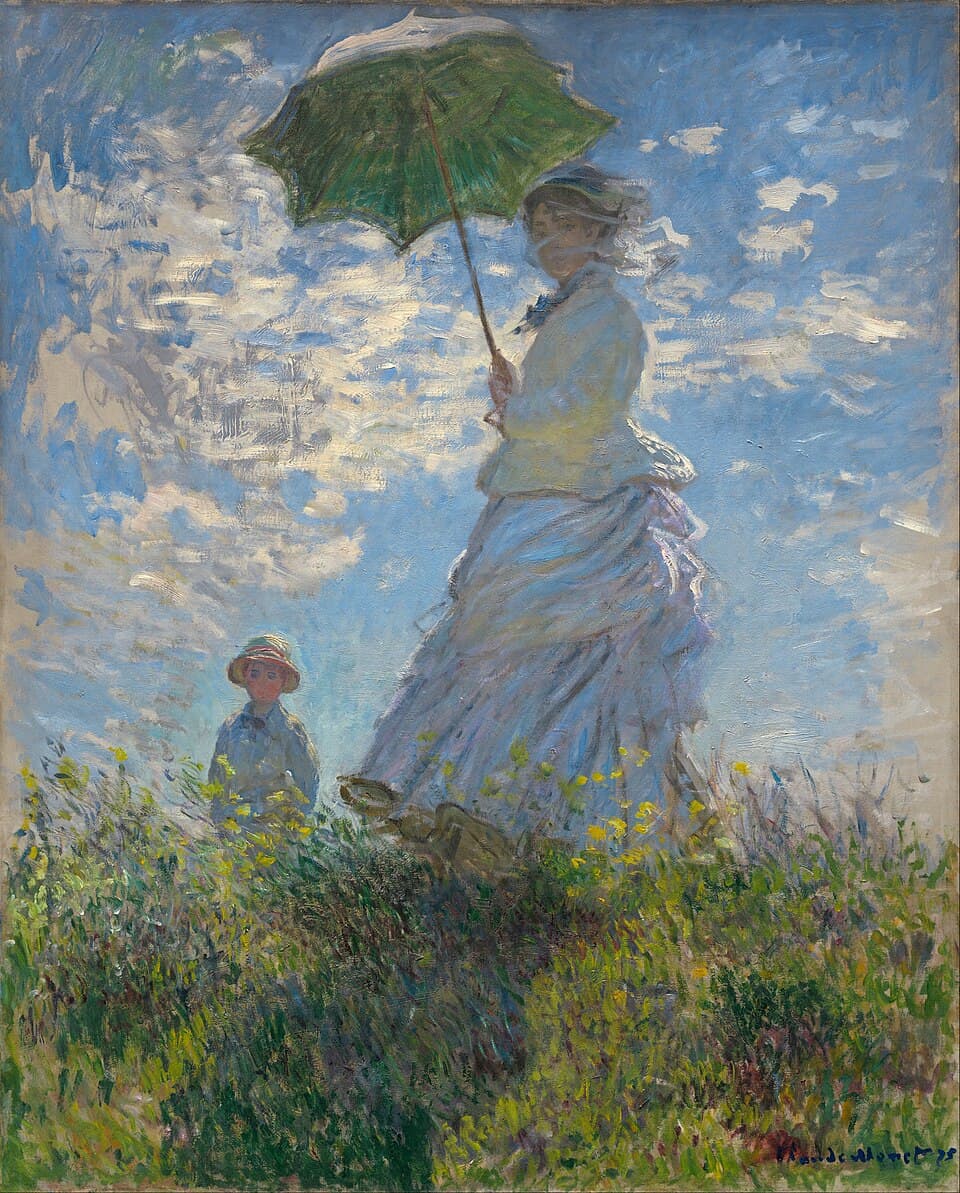
Claude Monet, 1875
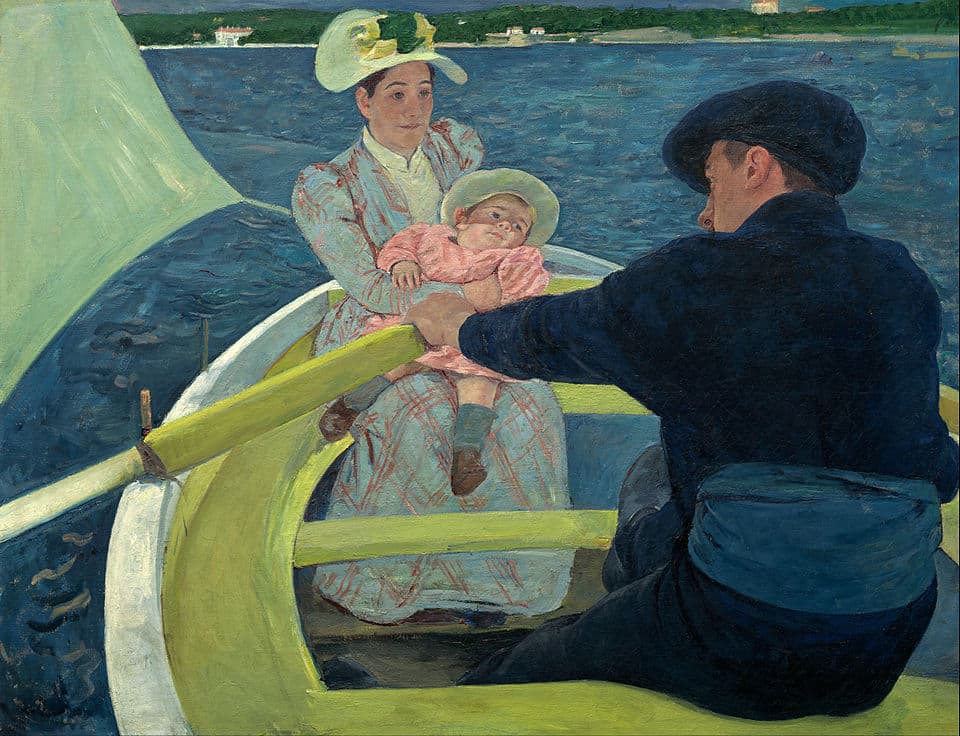
Mary Cassatt, 1893
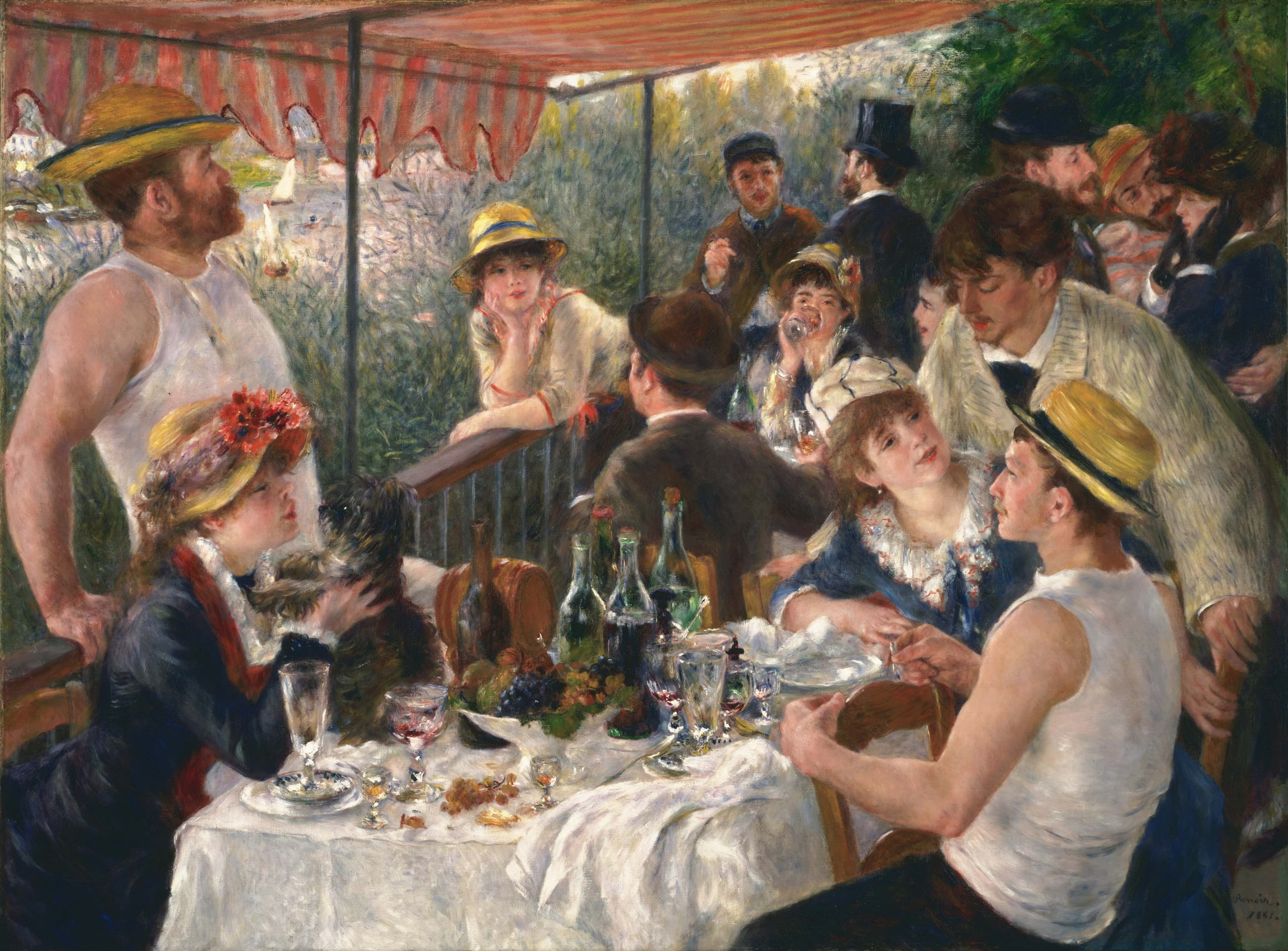
Pierre-Auguste Renoir, 1881
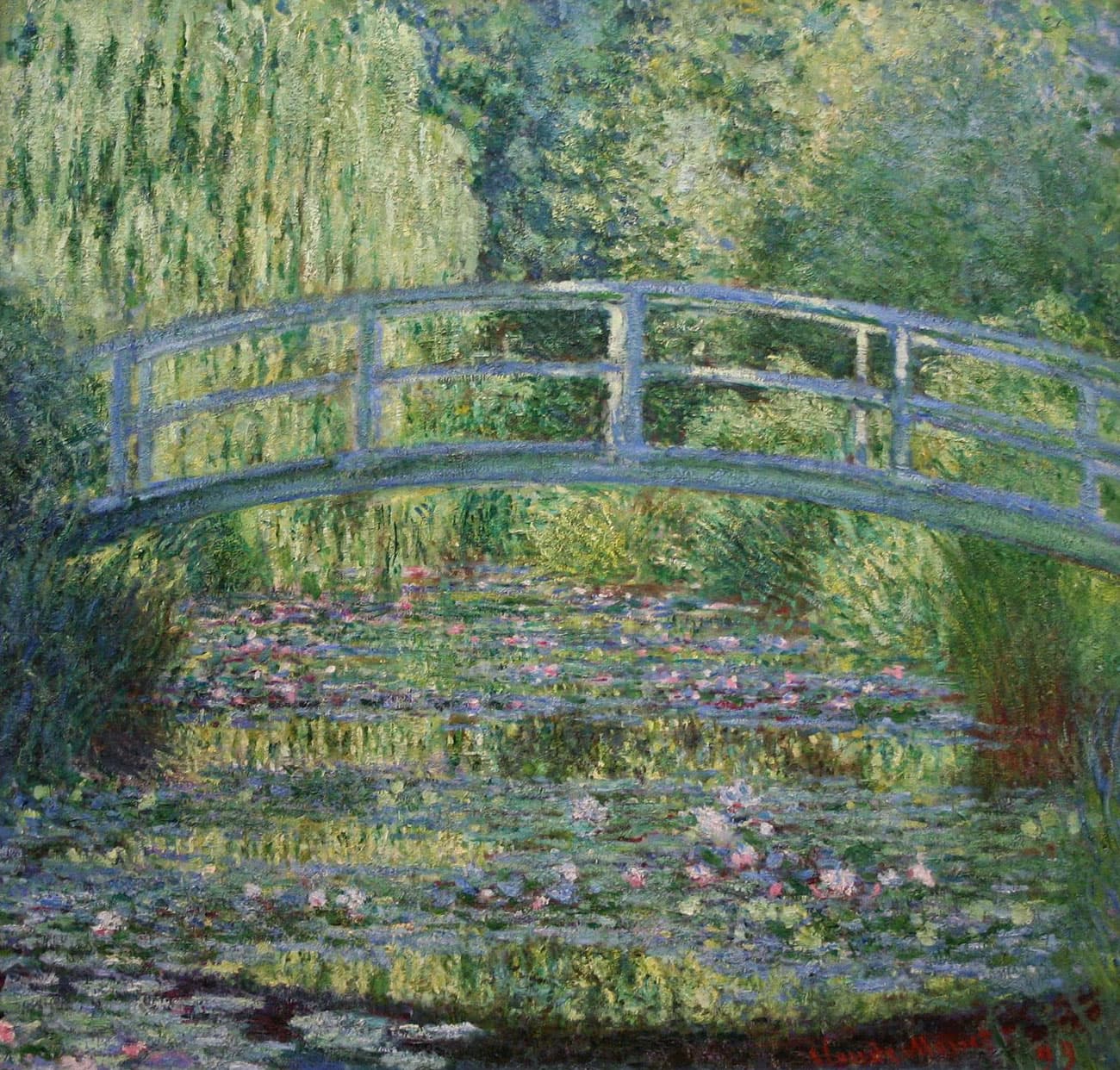
Claude Monet, 1899
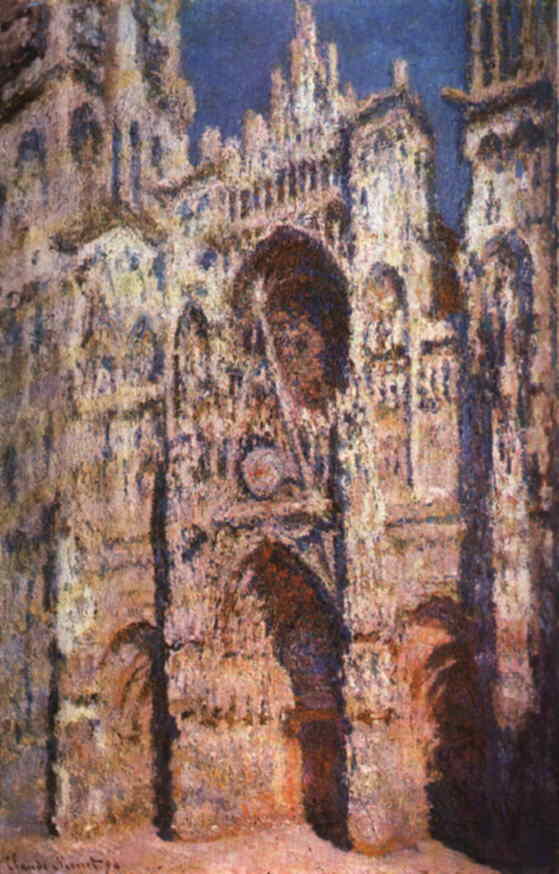
Claude Monet, 1894
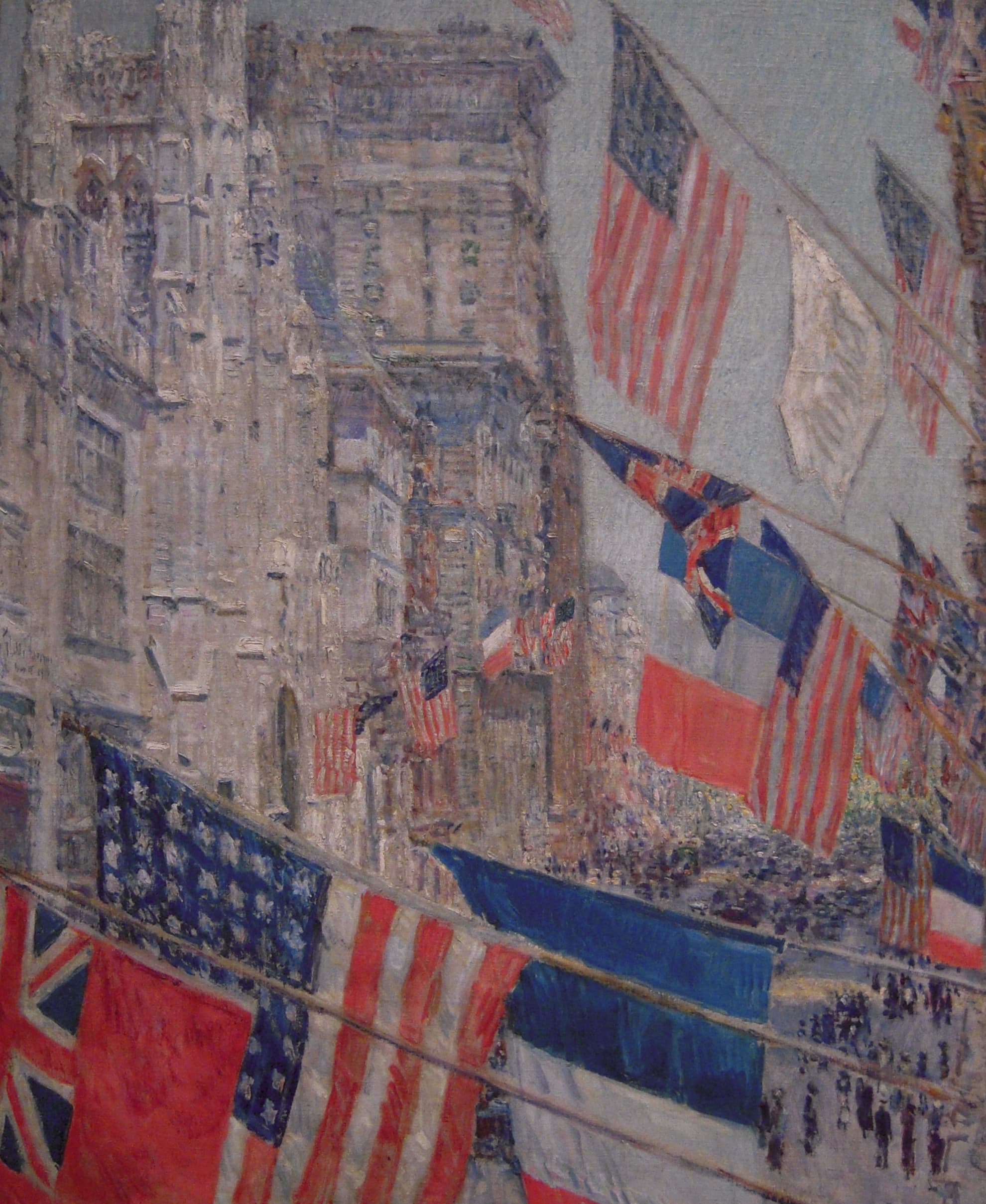
Childe Hassam, 1917
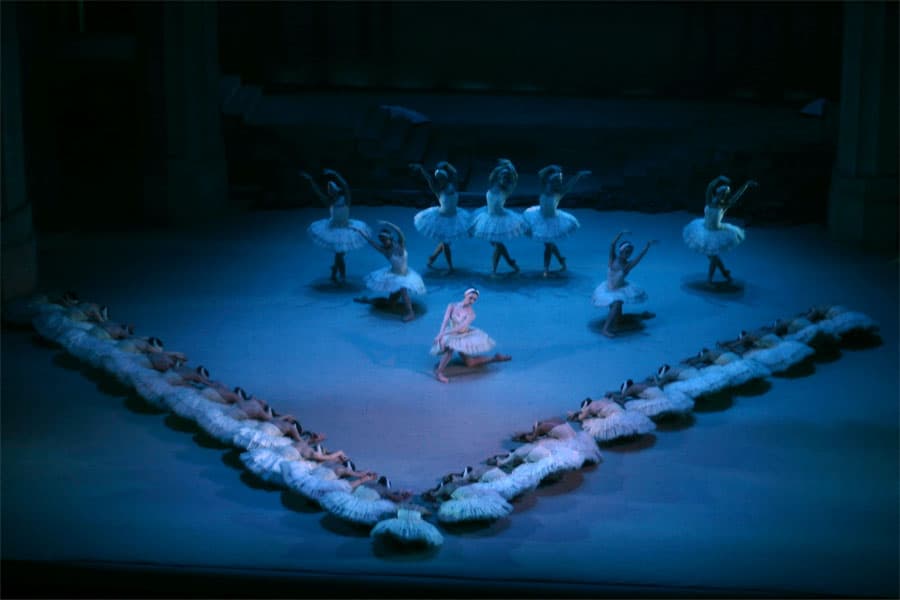
Edgar Degas, 1873
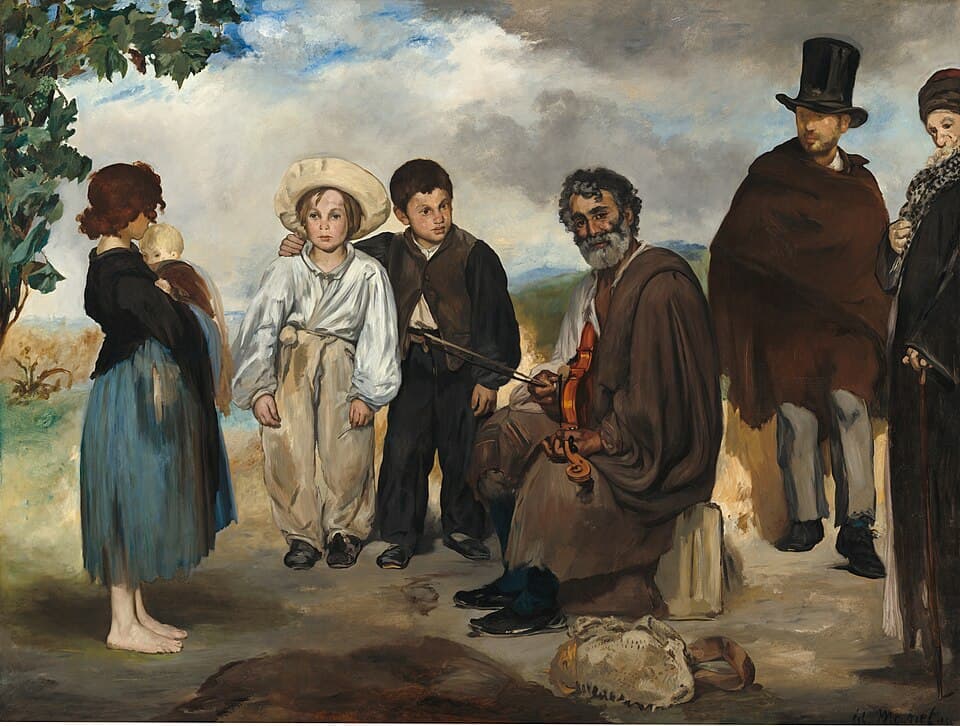
Édouard Manet, 1862
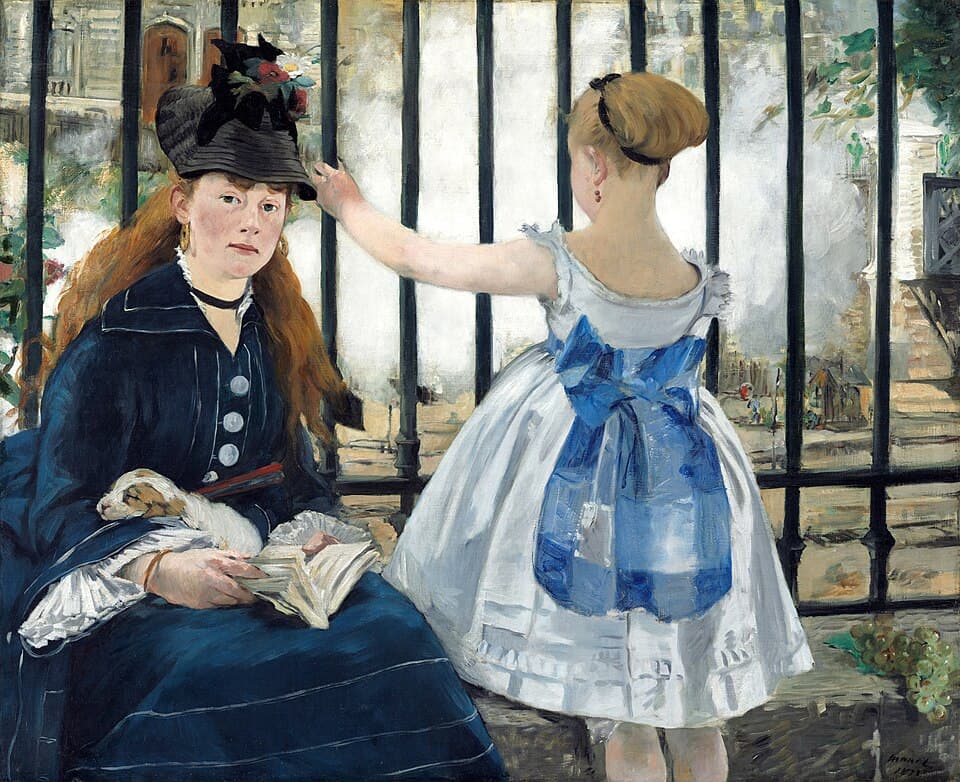
Édouard Manet, 1873
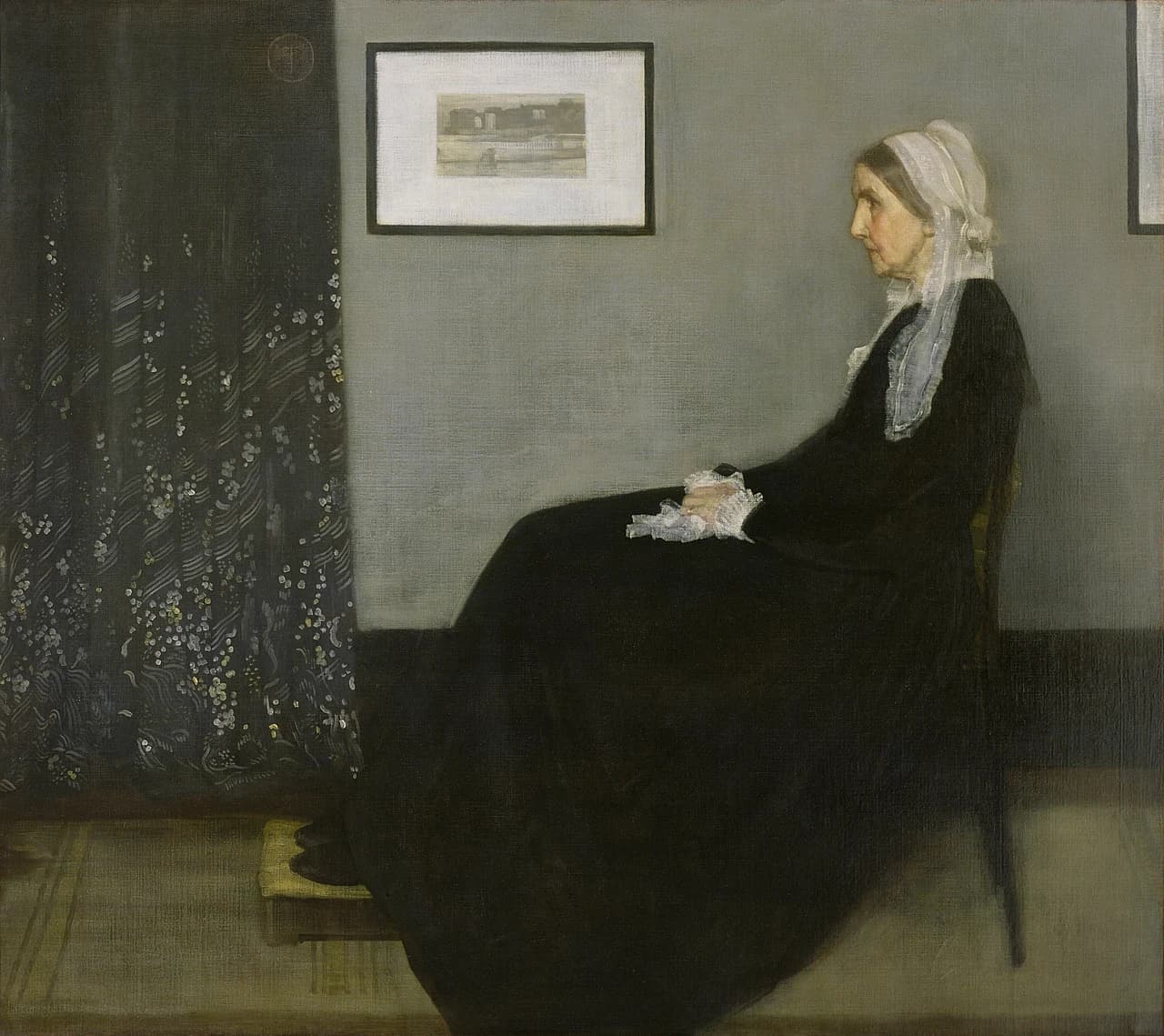
James McNeill Whistler, 1871
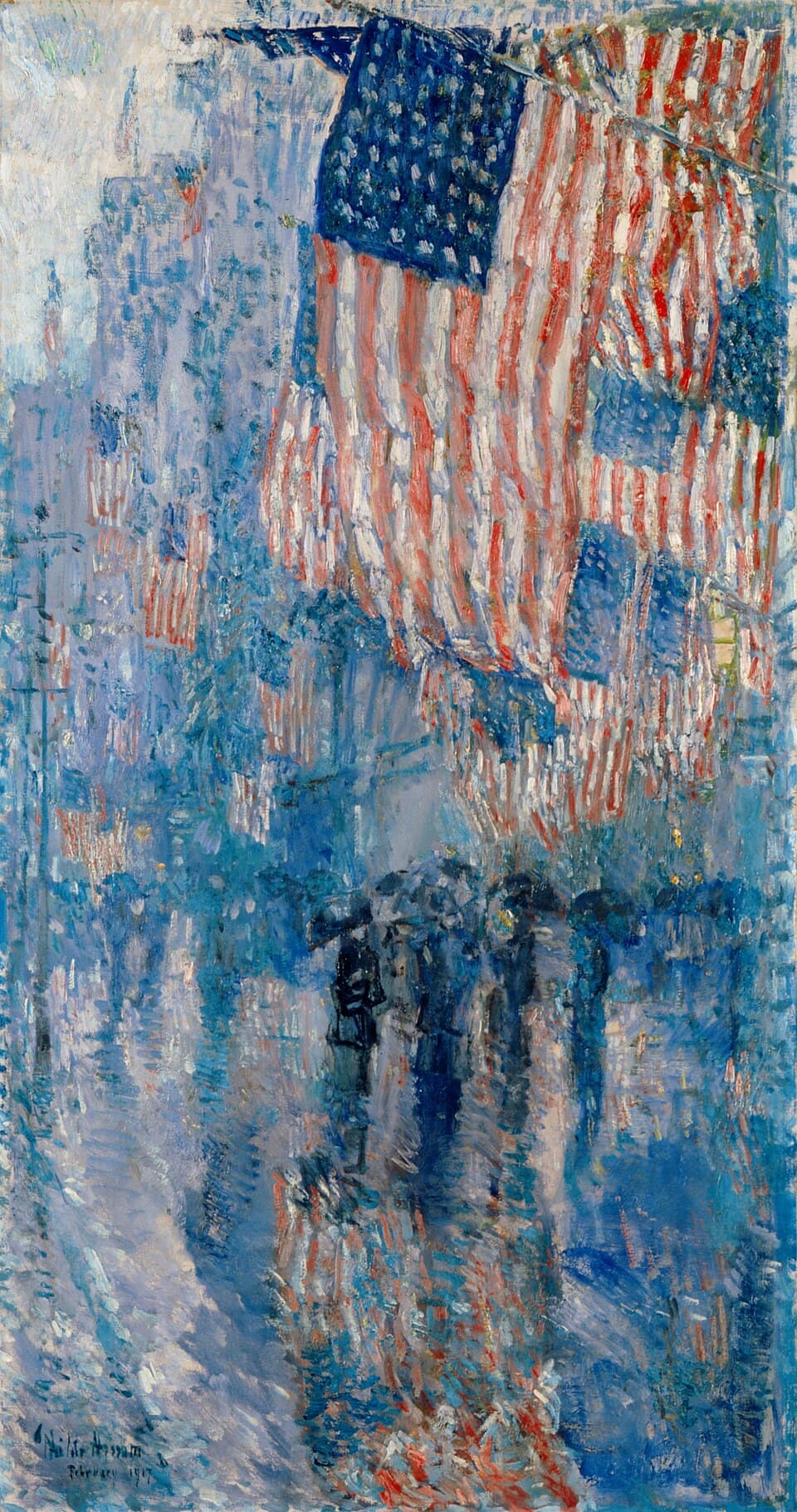
Childe Hassam, 1917
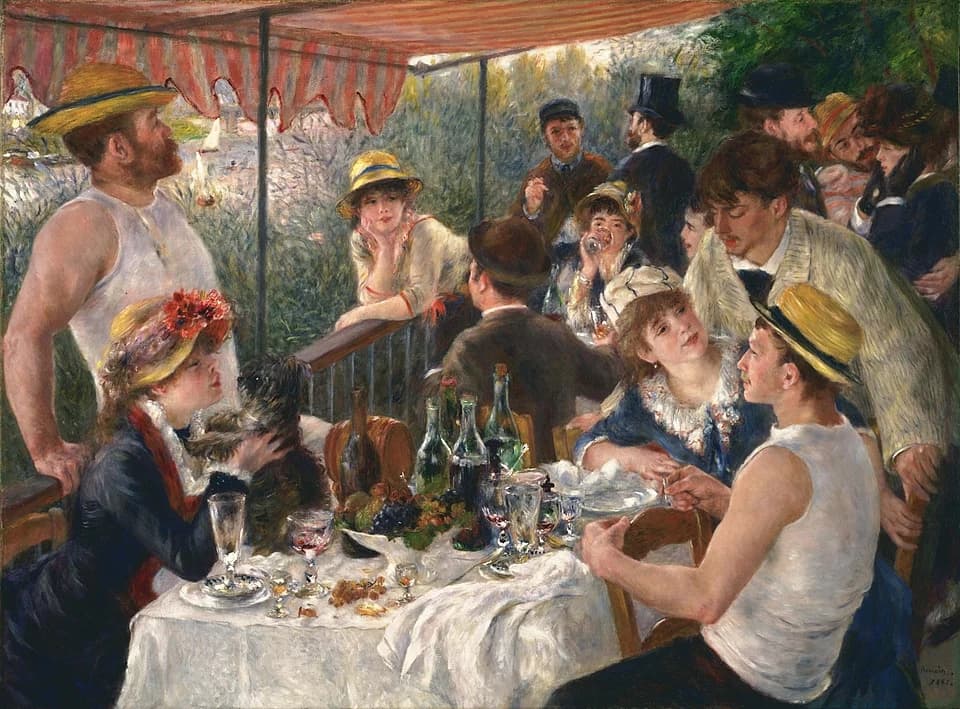
Pierre-Auguste Renoir, 1881
Luxury wall art with the same mood and energy. Gallery-quality canvas, no museum crowds.
Browse Collection