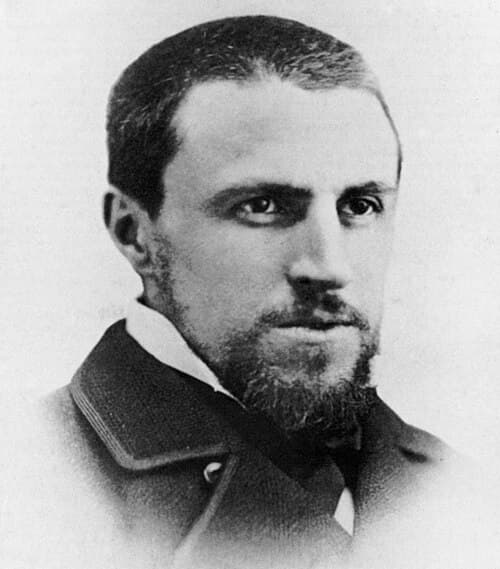
James Abbott McNeill Whistler
American·1834–1903
James Abbott McNeill Whistler (1834–1903) insisted that painting was about harmony, not storytelling. Born in Massachusetts, he spent childhood in Russia when his engineer father designed railroads for Tsar Nicholas I. The boy studied at the Imperial Academy of Fine Arts at eleven. After brief stints at West Point and as a Navy cartographer, he moved to Paris in 1855 and never lived in America again.
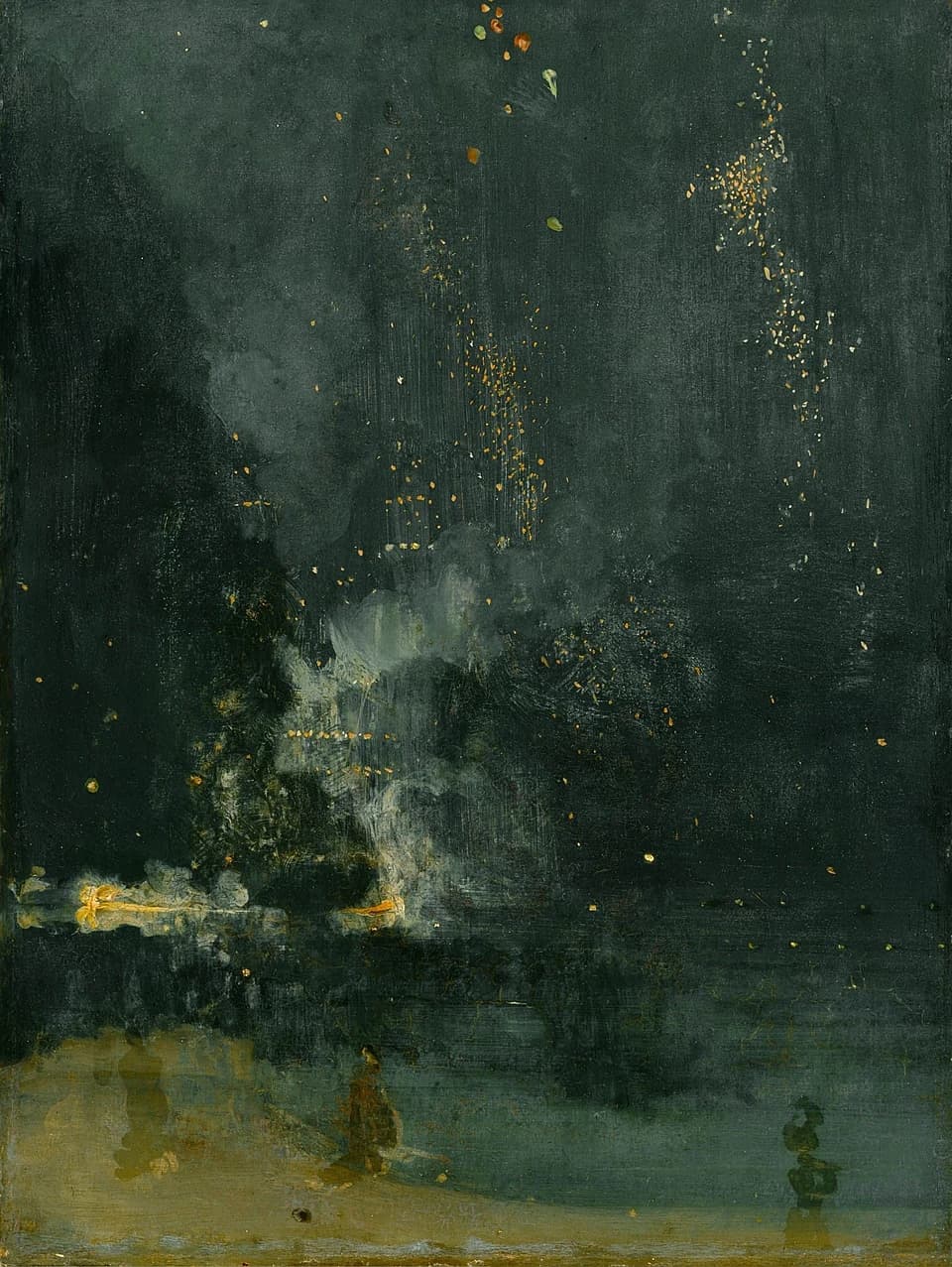
Whistler championed "art for art's sake," giving his paintings musical titles: Arrangements, Harmonies, Nocturnes. His Nocturne in Black and Gold: The Falling Rocket (1875) provoked John Ruskin to accuse him of "flinging a pot of paint in the public's face." Whistler sued for libel and won, receiving damages of one farthing. The legal costs bankrupted him. His most famous work, Arrangement in Grey and Black No. 1 (1871), is universally known simply as Whistler's Mother.
Based primarily in London, Whistler painted the Thames in atmospheric nocturnes that anticipated abstraction. His butterfly signature, combining delicacy with a stinger, reflected his personality: refined art, combative public persona. He influenced both Impressionism and early modernism. Atkinson Grimshaw's moonlit scenes impressed him so much that Whistler said he'd thought himself the inventor of nocturnes until he saw "Grimmy's" work. Whistler died in London in 1903, buried in Chiswick. His paintings hang at the Musée d'Orsay, Tate Britain, and the Freer Gallery.
Notable Works by James Abbott McNeill Whistler
3 paintings catalogued with museum locations
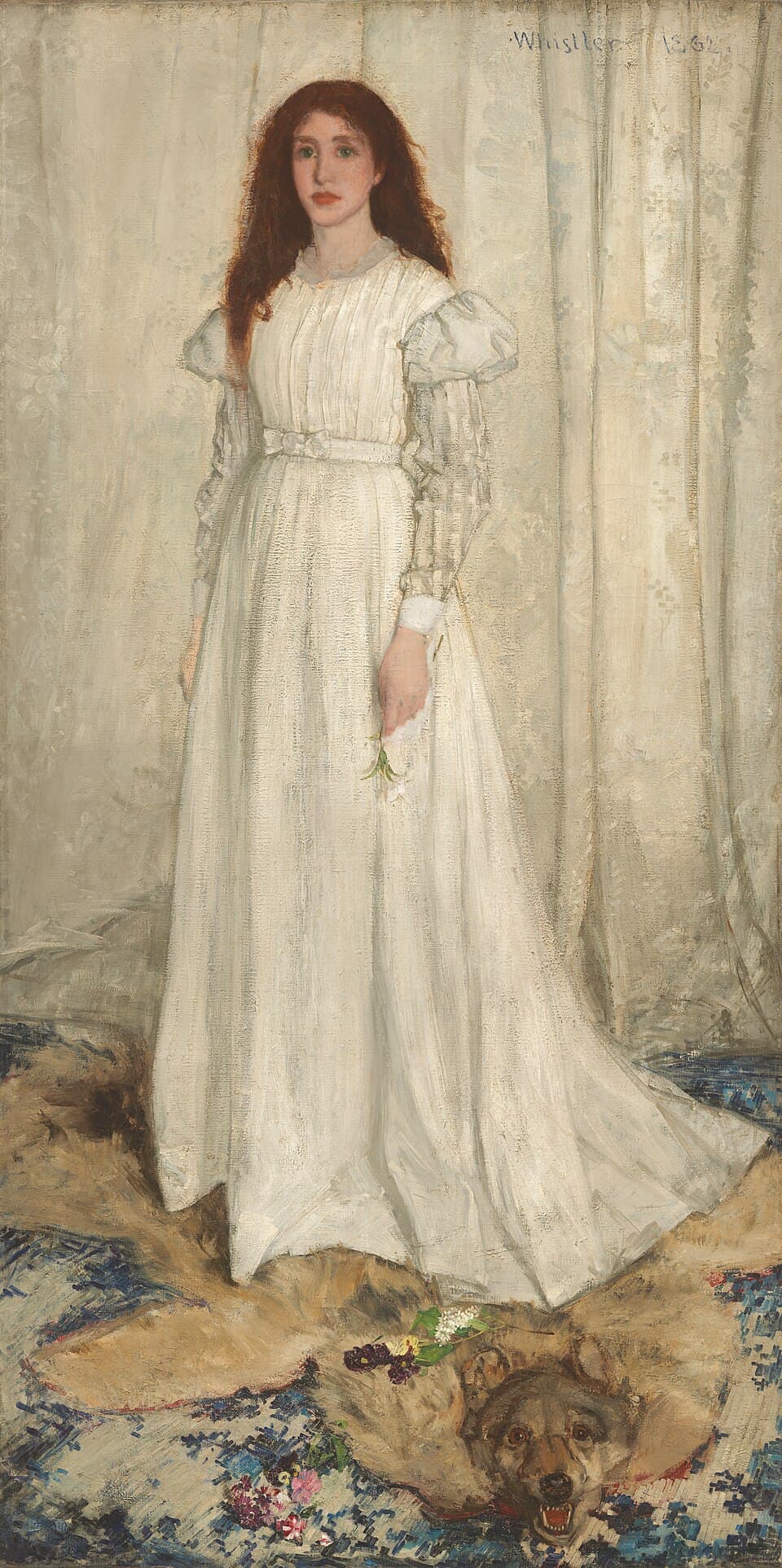
Museums with James Abbott McNeill Whistler's Work
3 museums display Whistler's works. Click any museum to see visiting info and the specific works they hold.
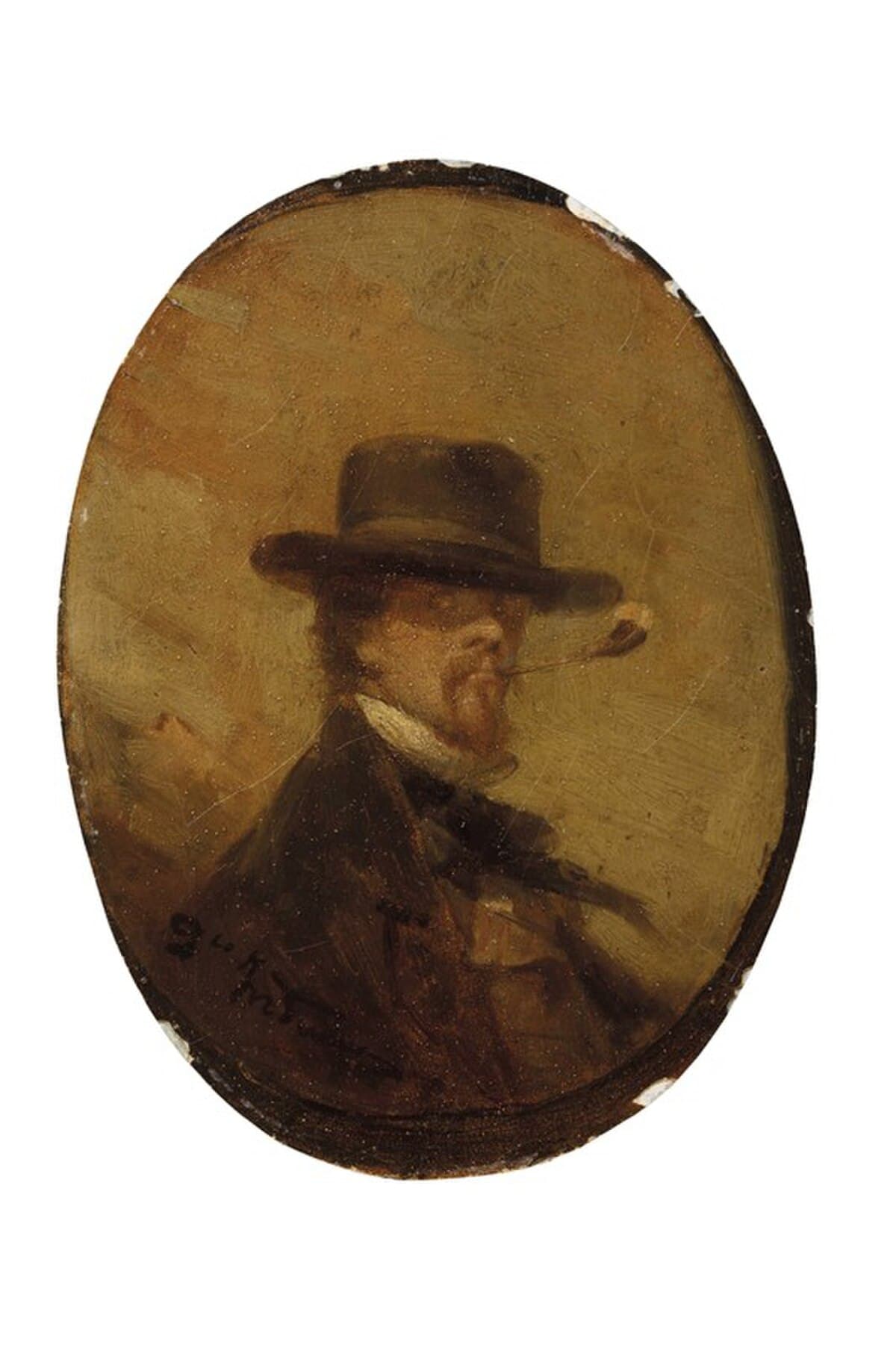
Related Artists
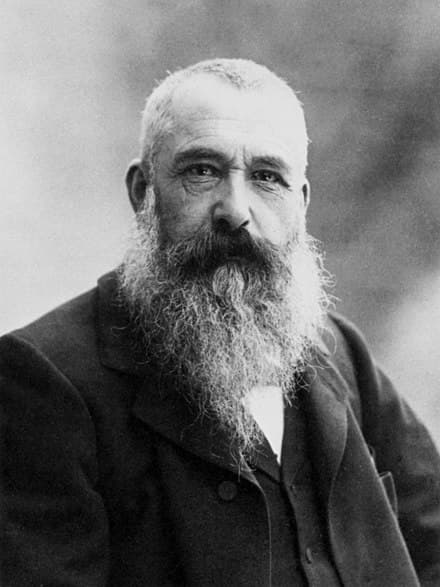
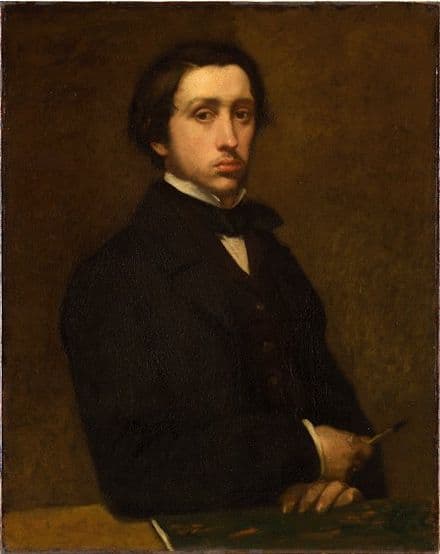
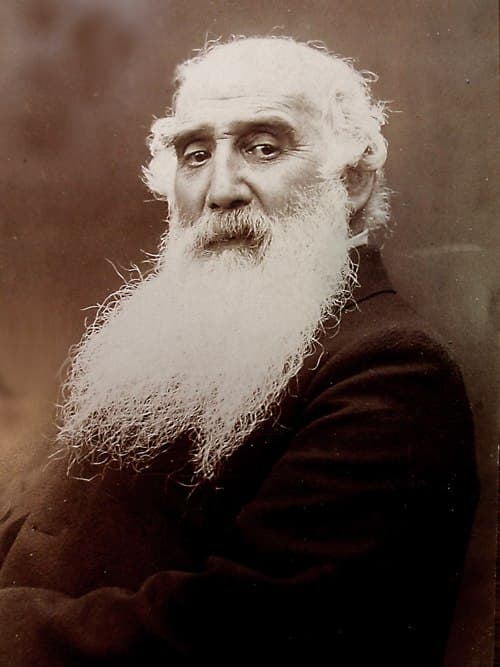
Other Impressionism artists you might like
About James Abbott McNeill Whistler
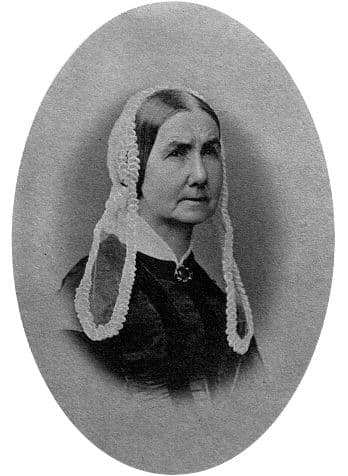
Arrangement in Grey and Black No. 1 (1871), universally known as Whistler's Mother, depicts the artist's mother Anna seated in profile. It hangs at the Musée d'Orsay in Paris, where French authorities purchased it in 1891 for just 4,000 francs.
Major works are at the Musée d'Orsay, Tate Britain in London, the Freer Gallery in Washington (the largest collection), and the Art Institute of Chicago. Detroit holds his famous Peacock Room.
Whistler influenced Impressionism and led the Aesthetic Movement with his belief in "art for art's sake." He rejected narrative painting, arguing that pictures should be about tonal harmony like music. His grey and blue nocturnes scandalized Victorian critics.
He used titles like "Nocturne," "Harmony," and "Arrangement" to emphasize that painting was about tonal relationships, not storytelling. Just as music exists for its sound alone, Whistler believed paintings should be judged purely on their visual qualities. This philosophy defined the Aesthetic Movement.
Critic John Ruskin accused Whistler of "flinging a pot of paint in the public's face" after seeing his Nocturne in Black and Gold. Whistler sued for libel in 1878 and won, but the jury awarded only one farthing in damages. Legal costs bankrupted him, forcing the sale of his White House studio.
Love James Abbott McNeill Whistler's Style?
Explore art inspired by Impressionism.
Browse Collection