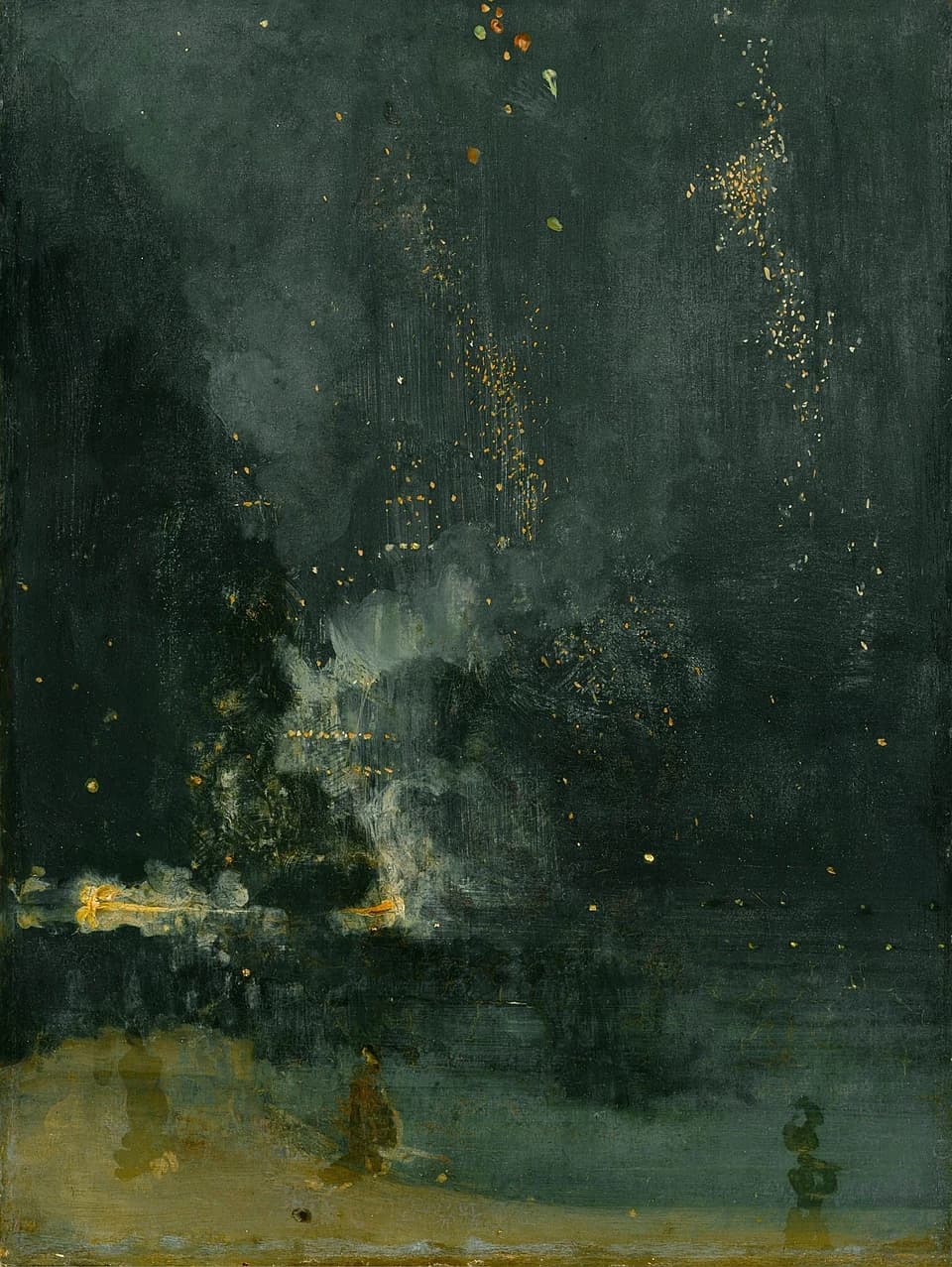
by James Abbott McNeill Whistler, 1875
1-click academic citation and embeddable “On View” museum badge for articles, syllabi, and research.
James McNeill Whistler painted this atmospheric night scene around 1875, depicting fireworks at Cremorne Gardens, a London pleasure resort. Sparks of gold scatter across a deep black and blue background. The subject is barely recognizable: a few figures, a distant shore, and the exploding firework.
When exhibited at the Grosvenor Gallery in 1877, critic John Ruskin attacked it viciously, accusing Whistler of "flinging a pot of paint in the public's face." Whistler sued for libel. At trial, when asked how long the painting took, he answered "two days." The lawyer scoffed: "The labour of two days, then, is that for which you ask two hundred guineas!" Whistler's famous reply: "No. I ask it for the knowledge of a lifetime."
Whistler won but was awarded only a farthing in damages. Legal costs bankrupted him. Yet three years later, the painting sold for 800 guineas, four times his original asking price. The trial positioned Whistler as a forerunner of modern art, defending artistic vision against conventional expectations. It now hangs at the Detroit Institute of Arts.
Jan van Eyck
Detroit Institute of Arts, Detroit
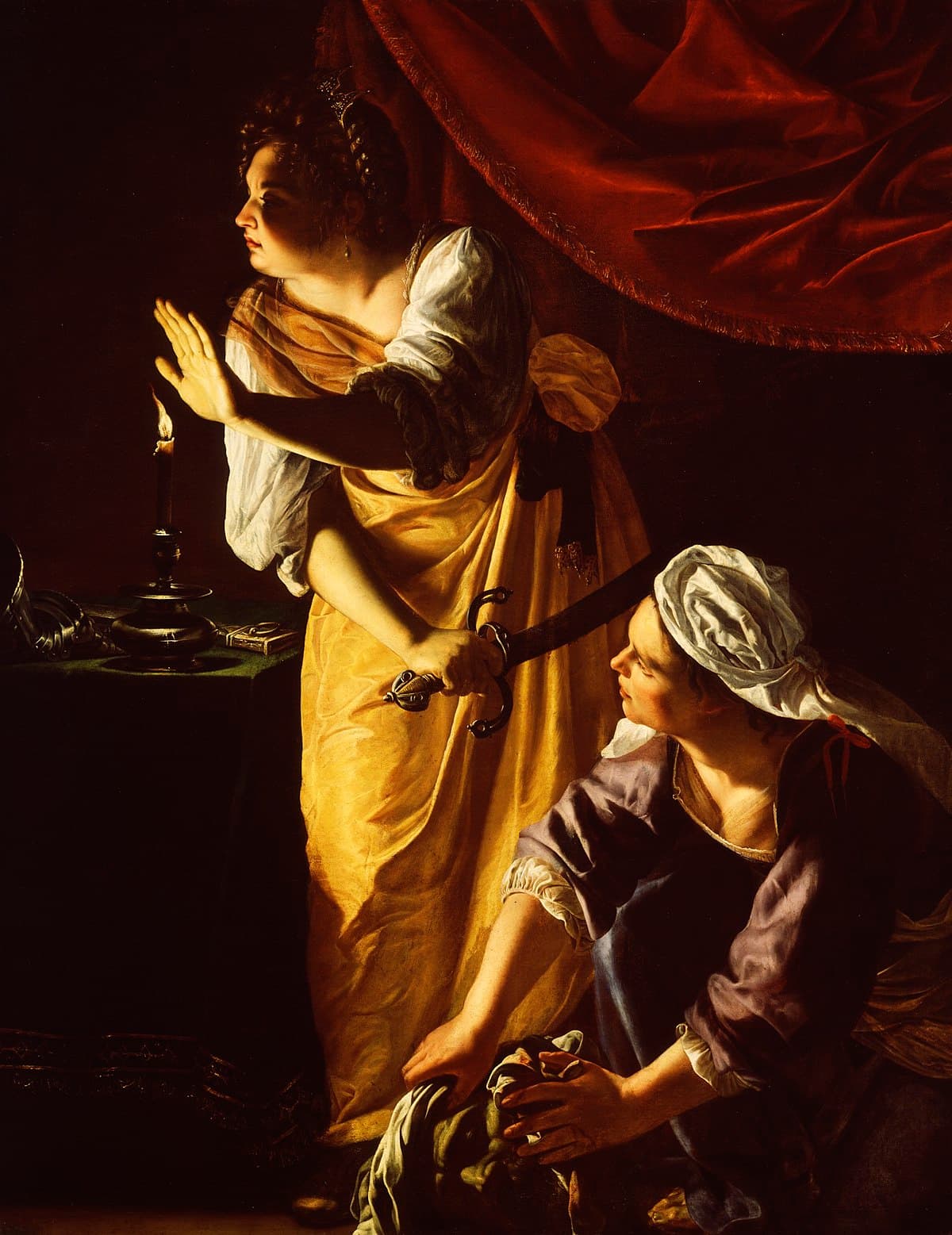
Artemisia Gentileschi
Detroit Institute of Arts, Detroit
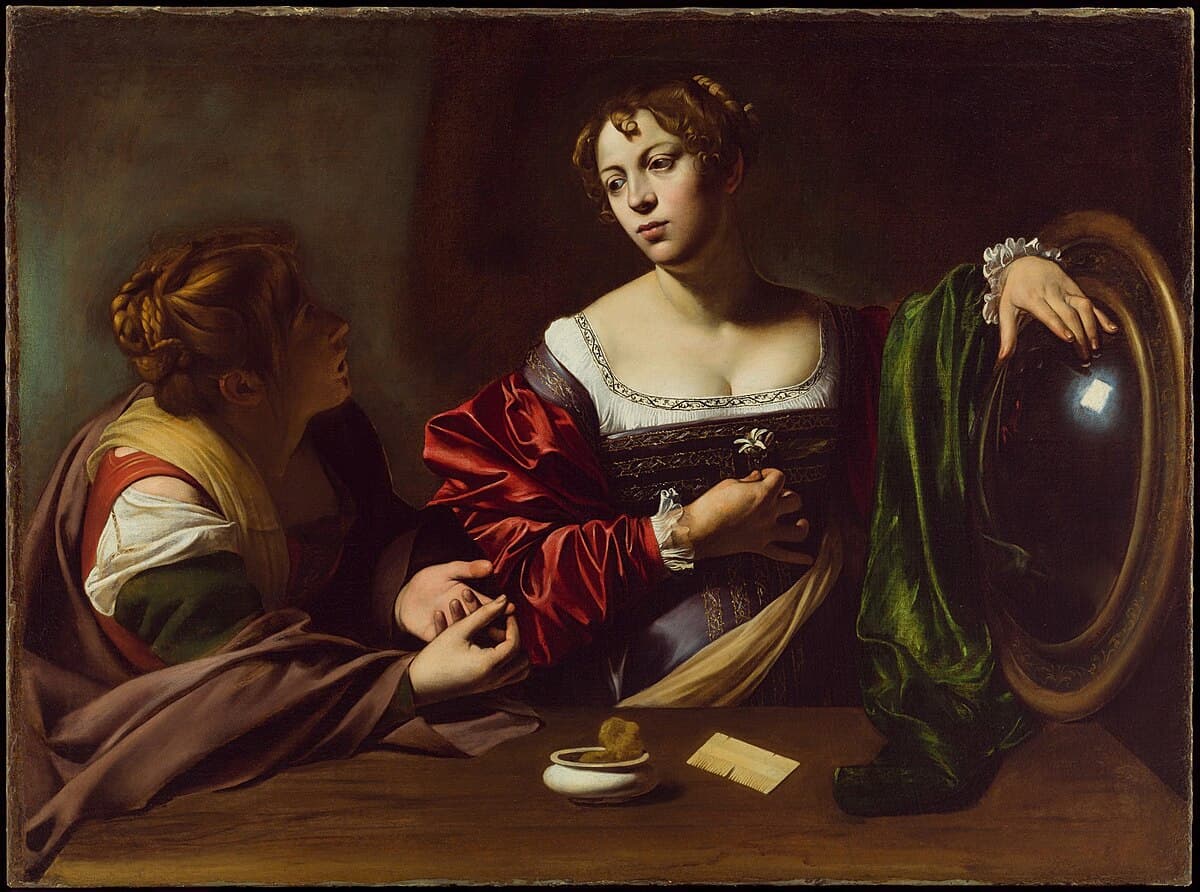
Caravaggio
Detroit Institute of Arts, Detroit
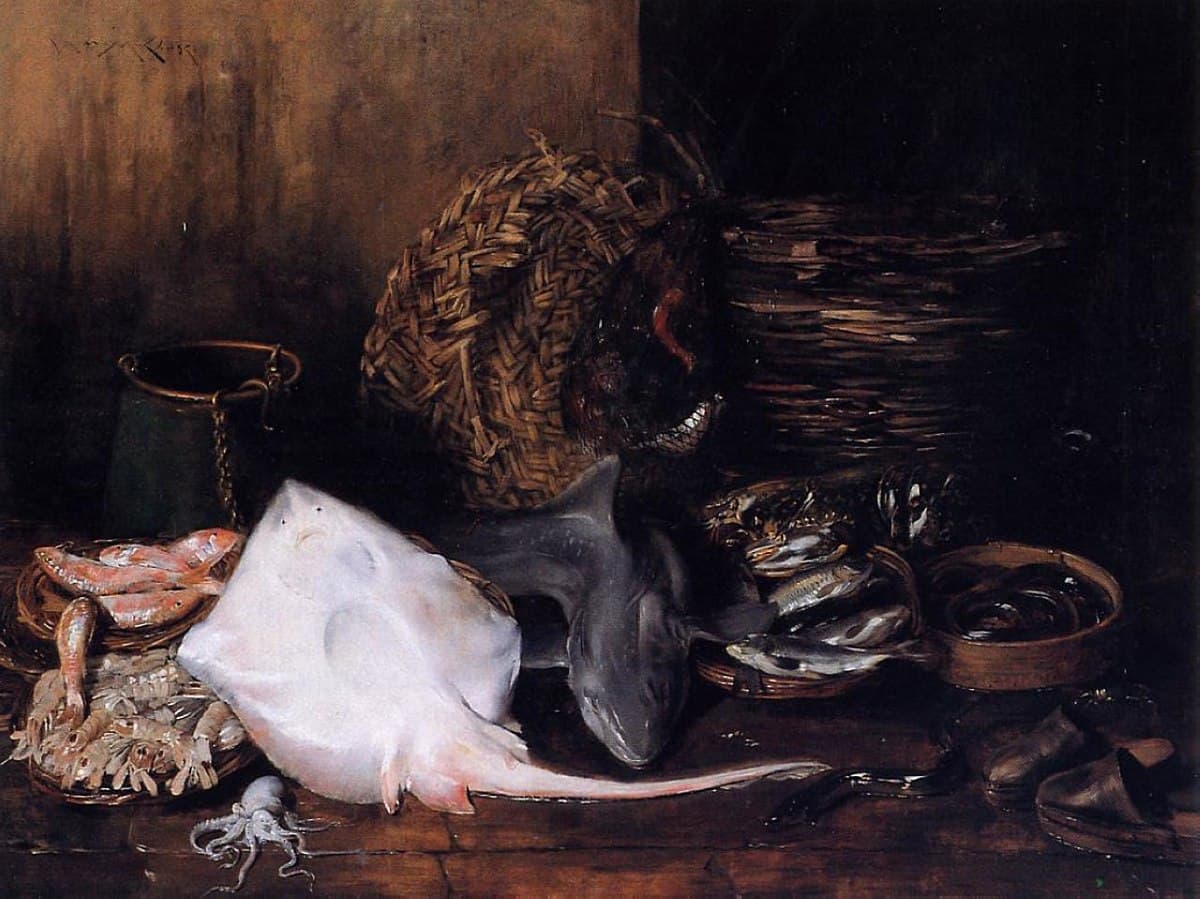
William Merritt Chase
Detroit Institute of Arts, Detroit
Works that share an artist, movement, museum, genre, palette or theme with Nocturne in Black and Gold: The Falling Rocket.
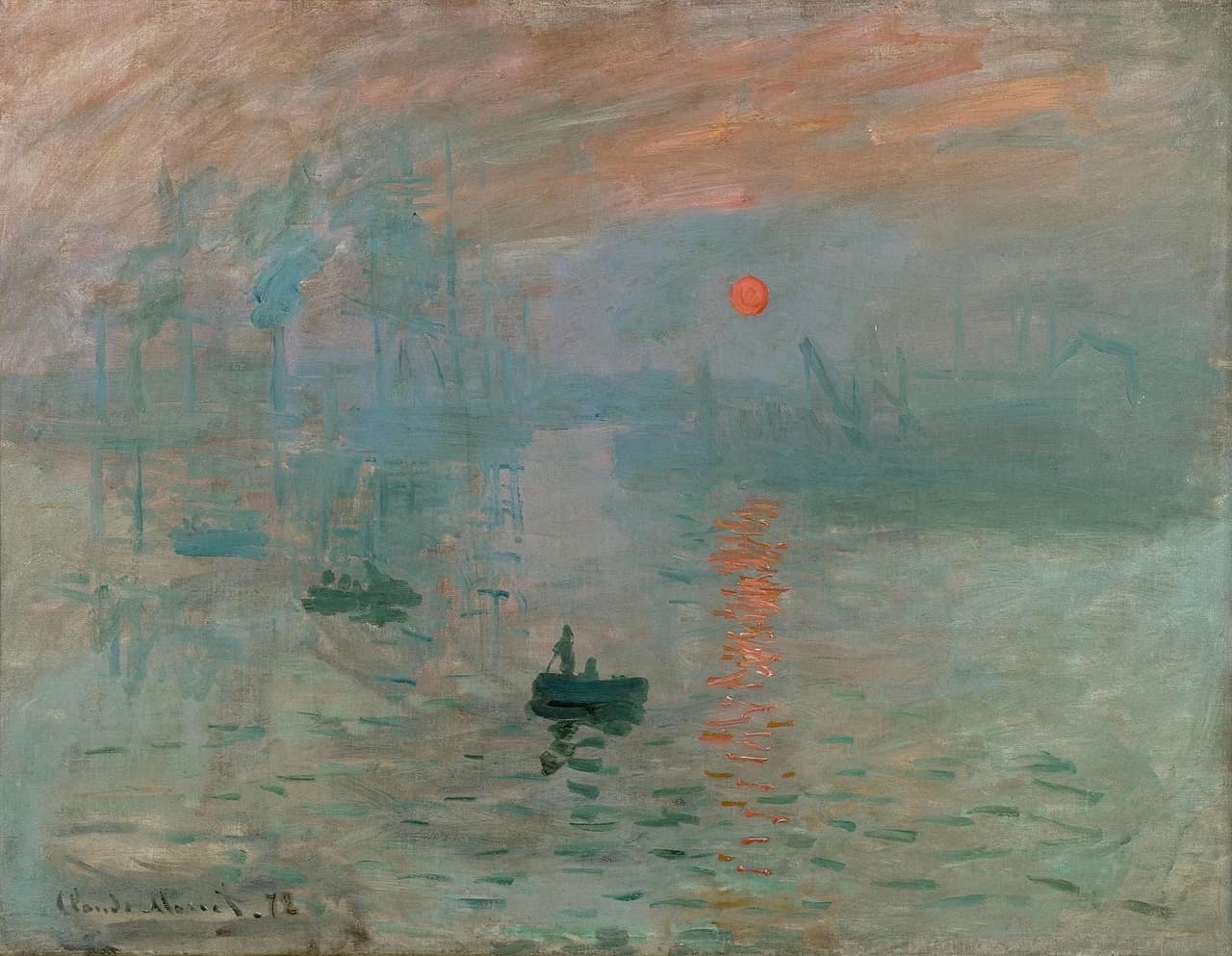
Claude Monet, 1872
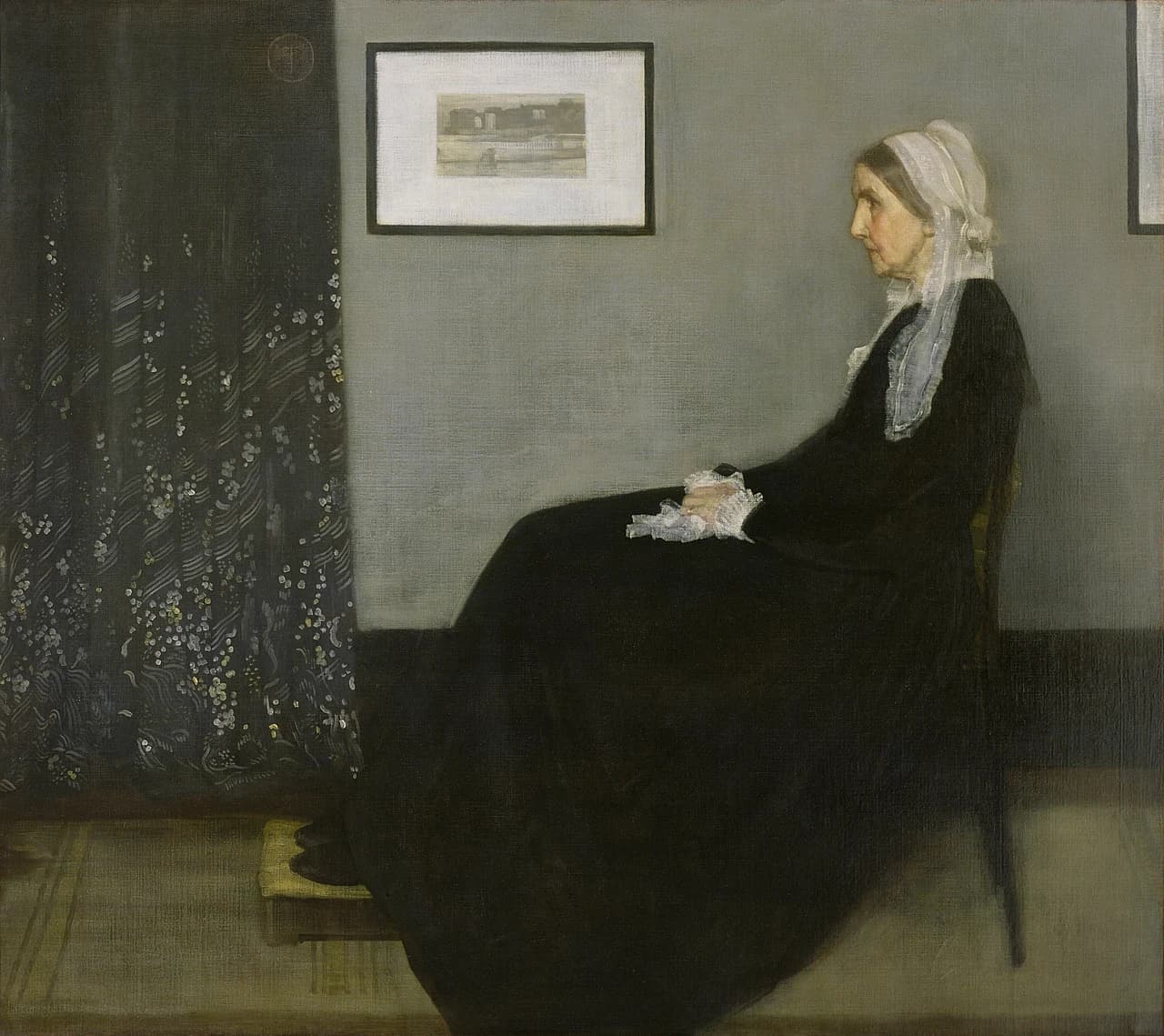
James McNeill Whistler, 1871
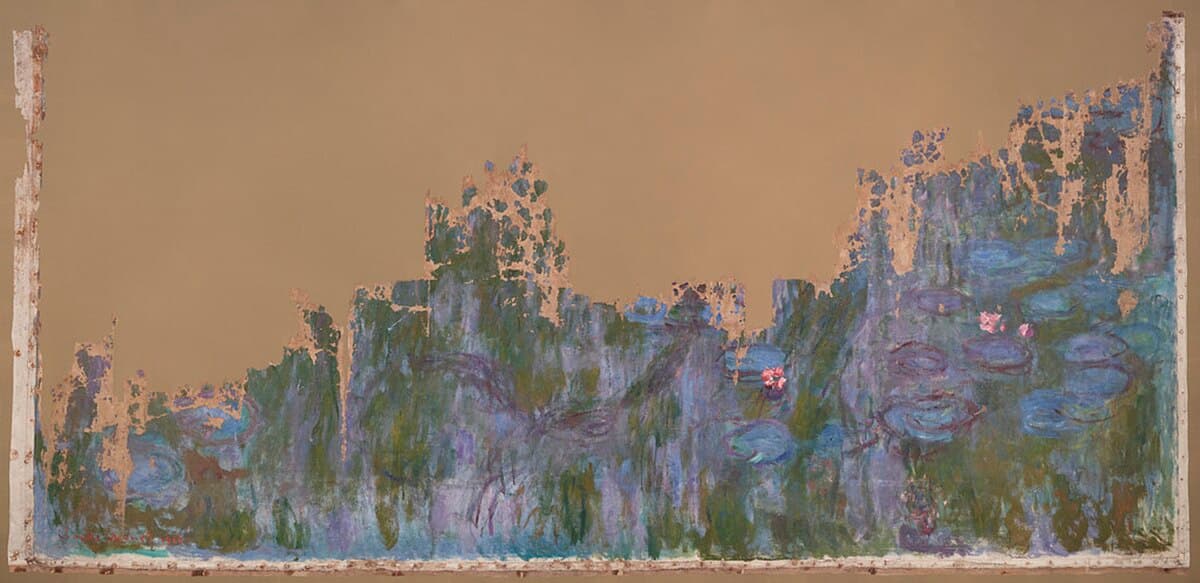
Claude Monet

Claude Monet, 1906
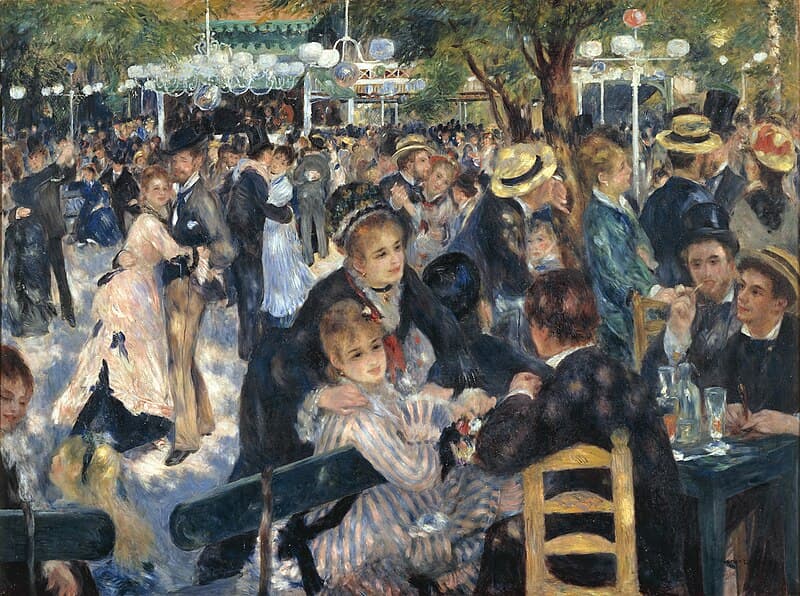
Pierre-Auguste Renoir, 1876
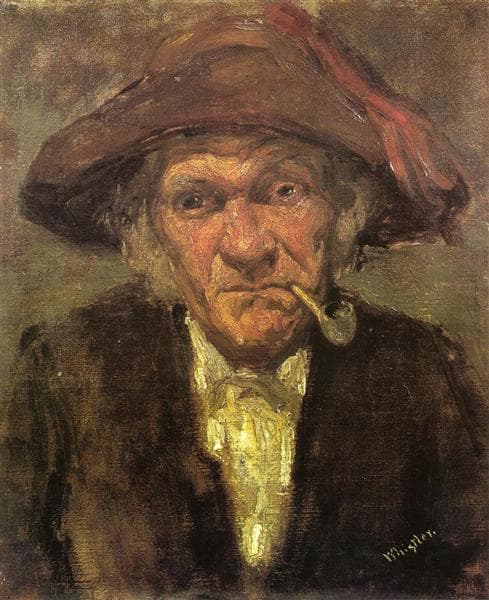
James McNeill Whistler
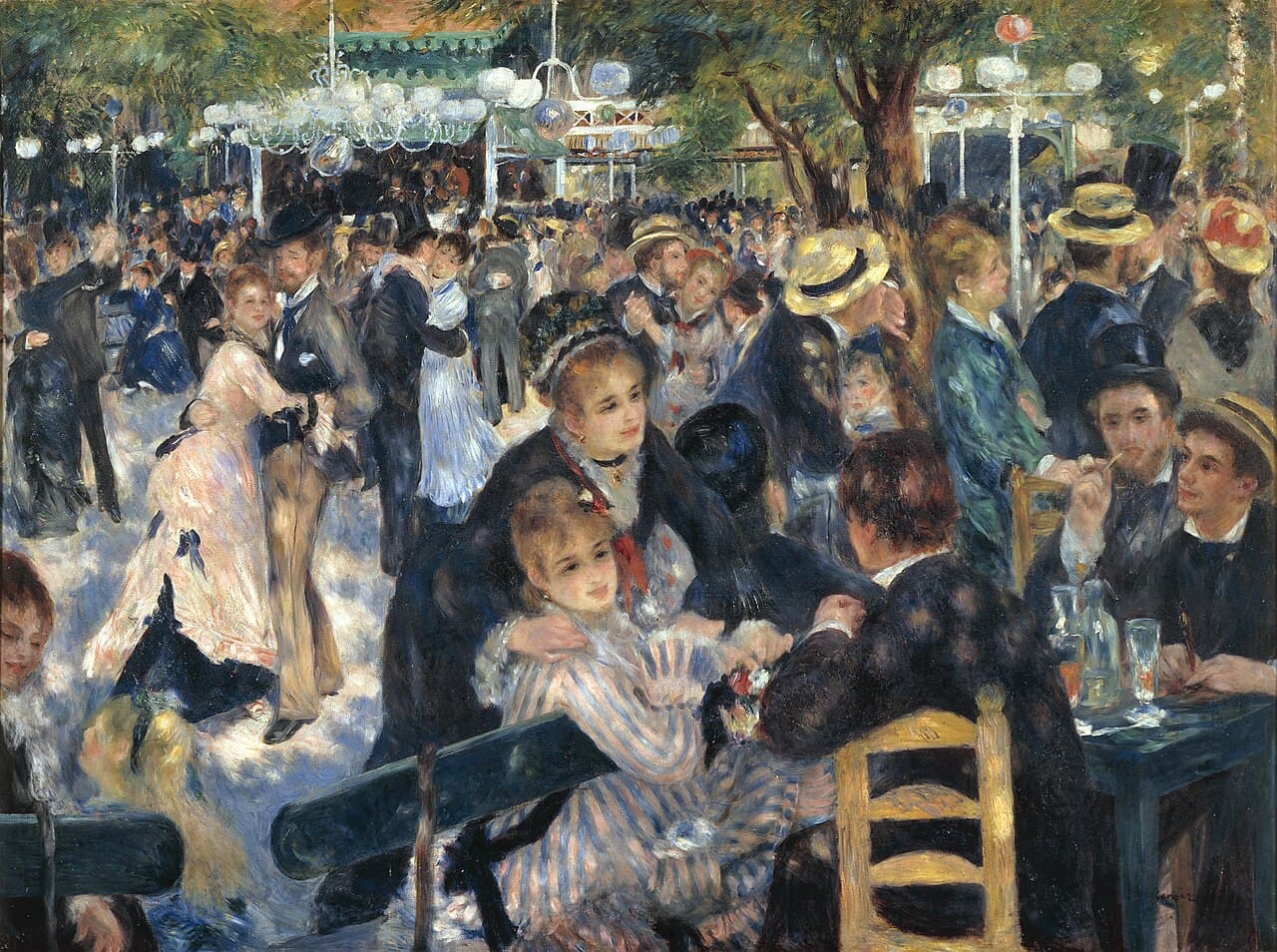
Pierre-Auguste Renoir, 1876
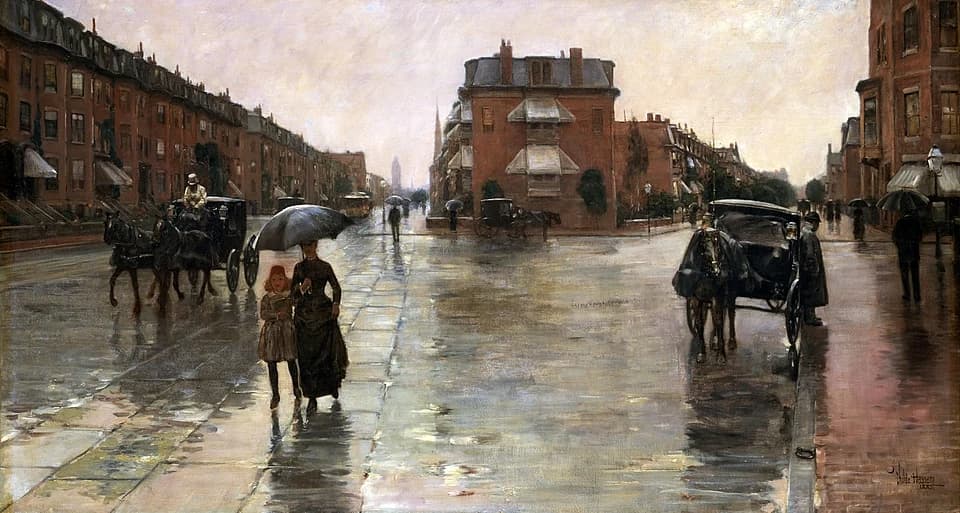
Gustave Caillebotte, 1877
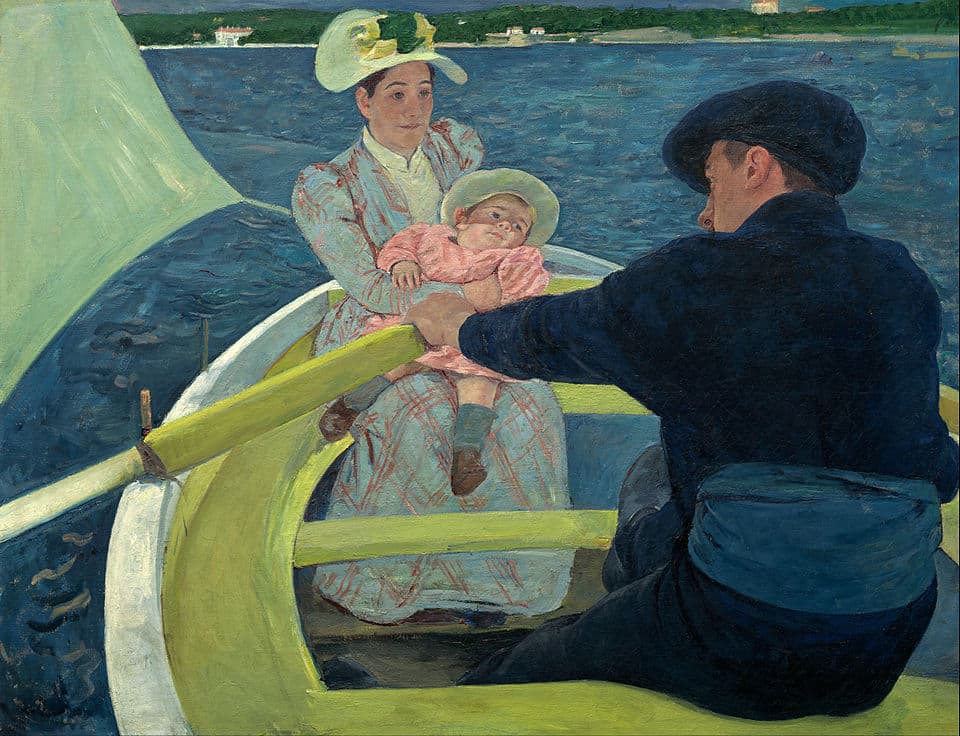
Mary Cassatt, 1893
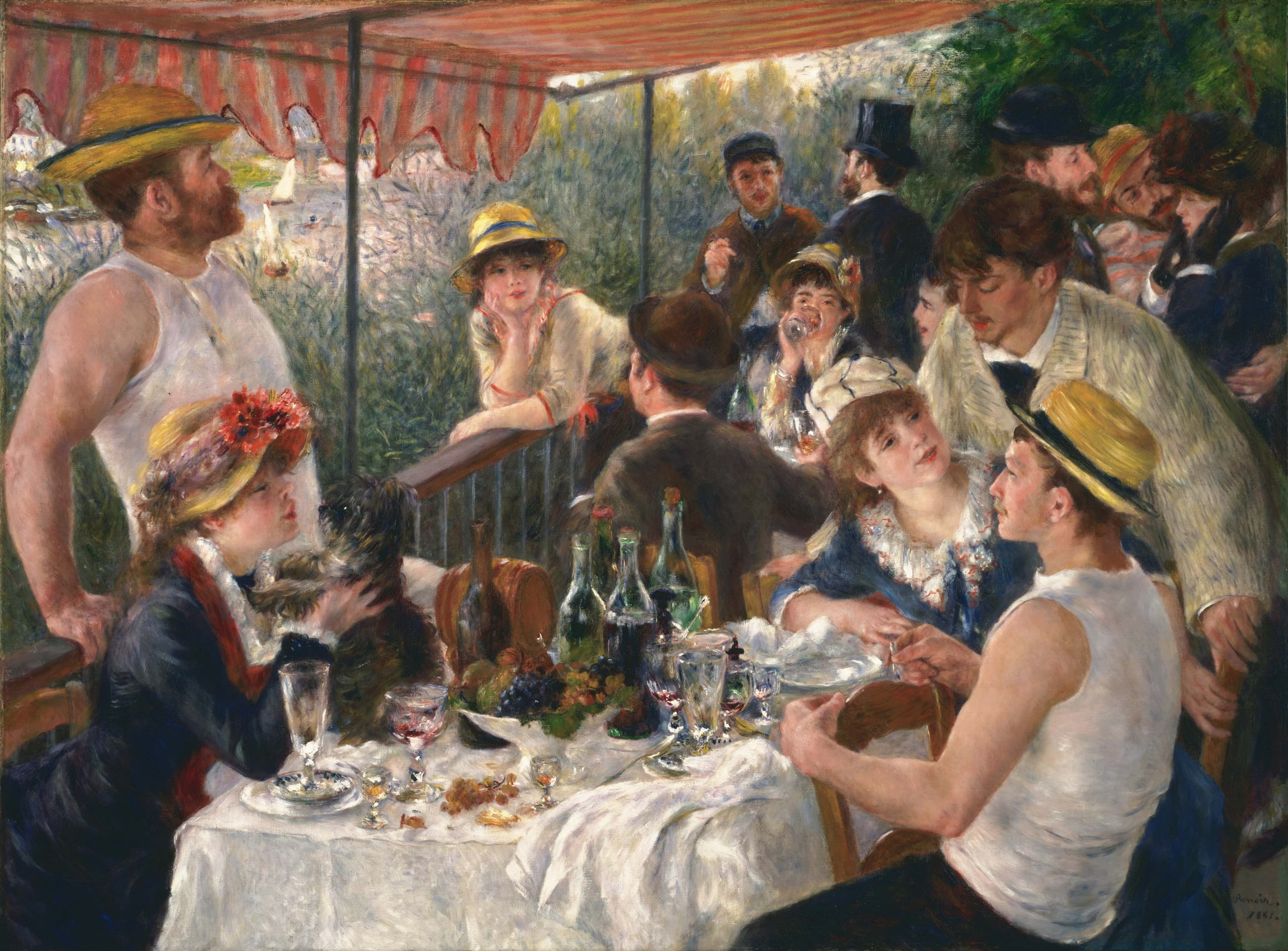
Pierre-Auguste Renoir, 1881
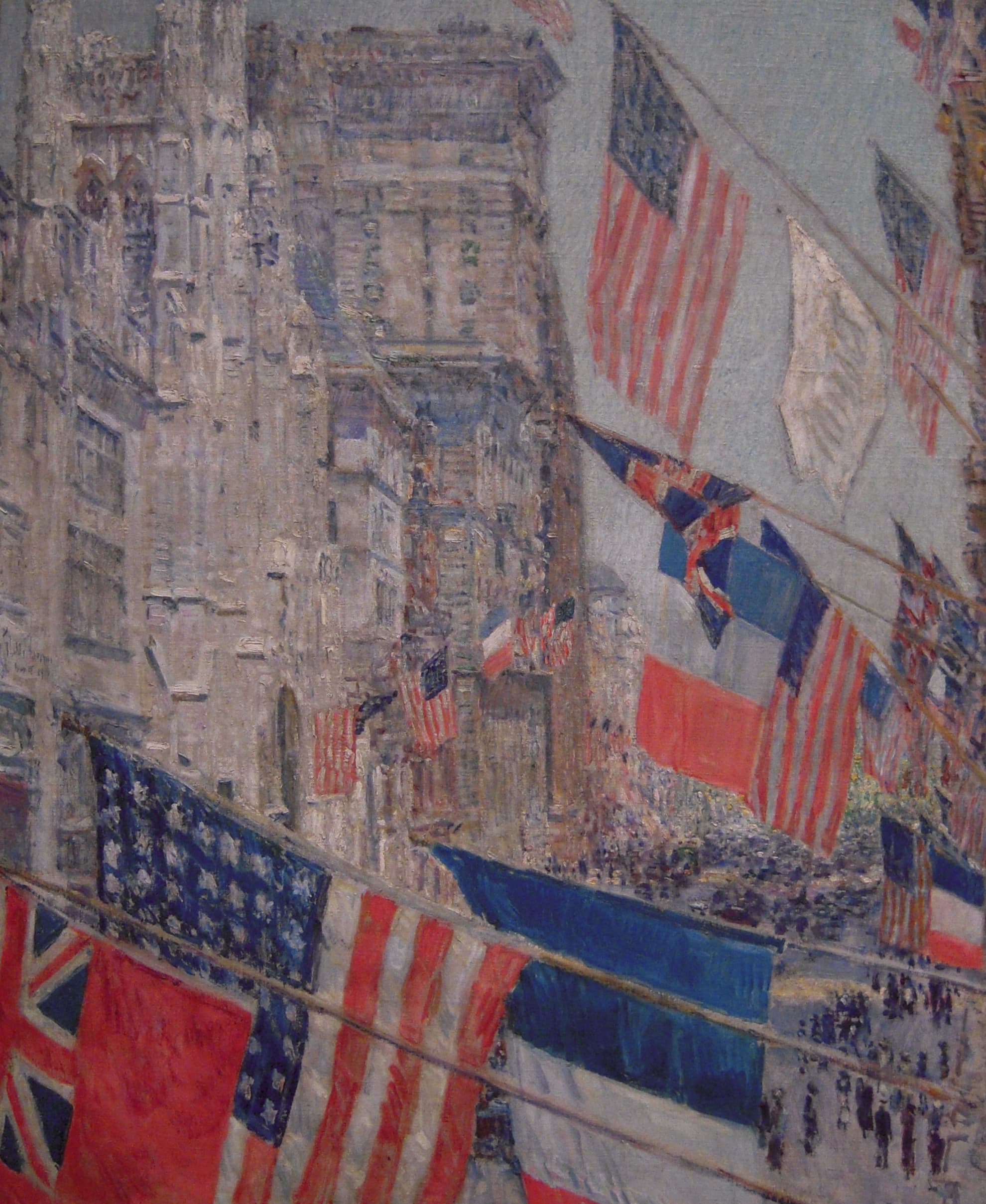
Childe Hassam, 1917
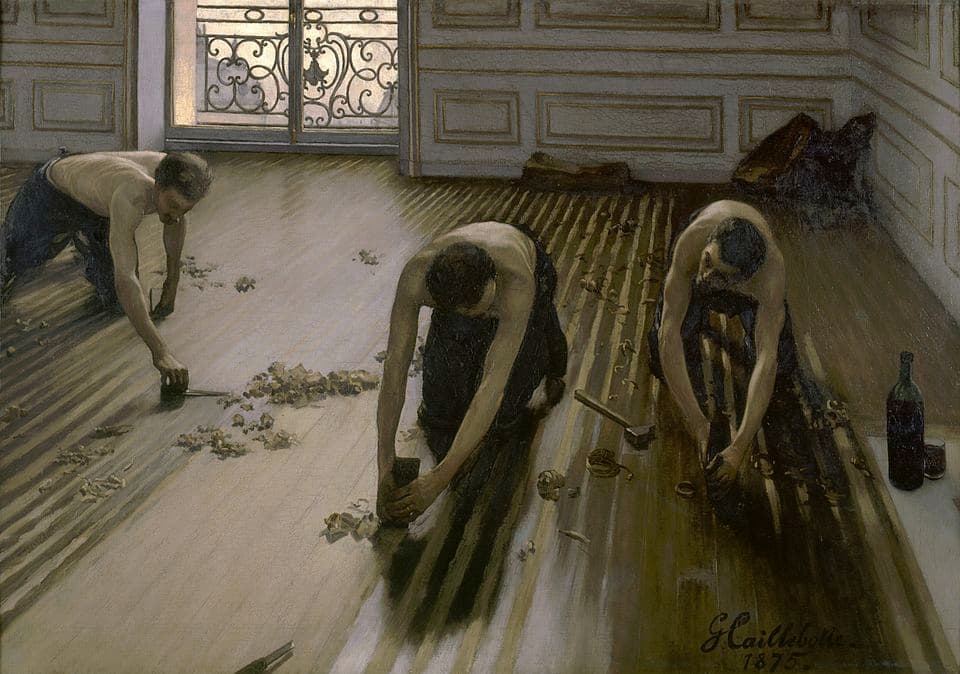
Gustave Caillebotte, 1875
Luxury wall art with the same mood and energy. Gallery-quality canvas, no museum crowds.
Browse Collection