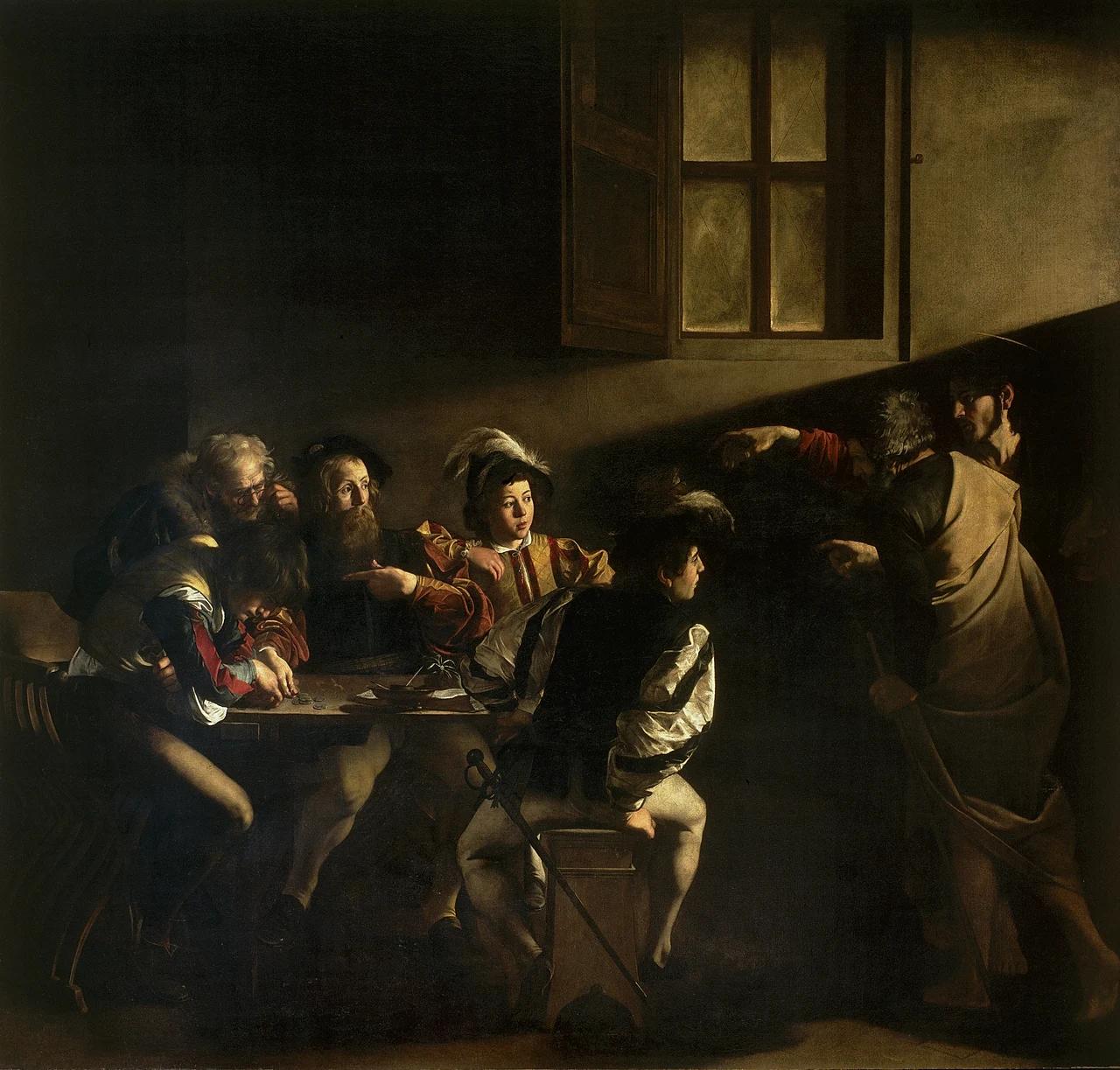
The Calling of Saint Matthew
by Caravaggio, 1600
Artwork Details
Details
- Year
- 1600
- Medium
- Oil on canvas
- Size
- 322 cm × 340 cm
- Gallery
- Contarelli Chapel
Find It In The Museum
Contarelli Chapel
Louvre, Paris, Paris
Part of the permanent collection
Cite or Embed This Work
APA · MLA · Chicago1-click academic citation and embeddable “On View” museum badge for articles, syllabi, and research.
Caravaggio completed this radical scene in 1599-1600, showing the moment Christ calls the tax collector Matthew to follow him. A beam of light cuts through the darkness, illuminating Matthew and his companions at their counting table. Christ's gesture echoes Michelangelo's Adam on the Sistine ceiling.
This was Caravaggio's first major public commission, painted for the Contarelli Chapel in San Luigi dei Francesi, the French church in Rome. The commission established his reputation and introduced his dramatic use of light and shadow to a wide audience. Two companion paintings showing Matthew's martyrdom and inspiration hang alongside it.
Scholars still debate which figure is Matthew. Some identify him as the bearded man pointing at himself in surprise; others argue for the young man at the end of the table counting coins. The painting remains in its original location at San Luigi dei Francesi in Rome.
Historical Significance
A groundbreaking work that pioneered the Baroque style with its dramatic lighting.
More by Caravaggio
View all →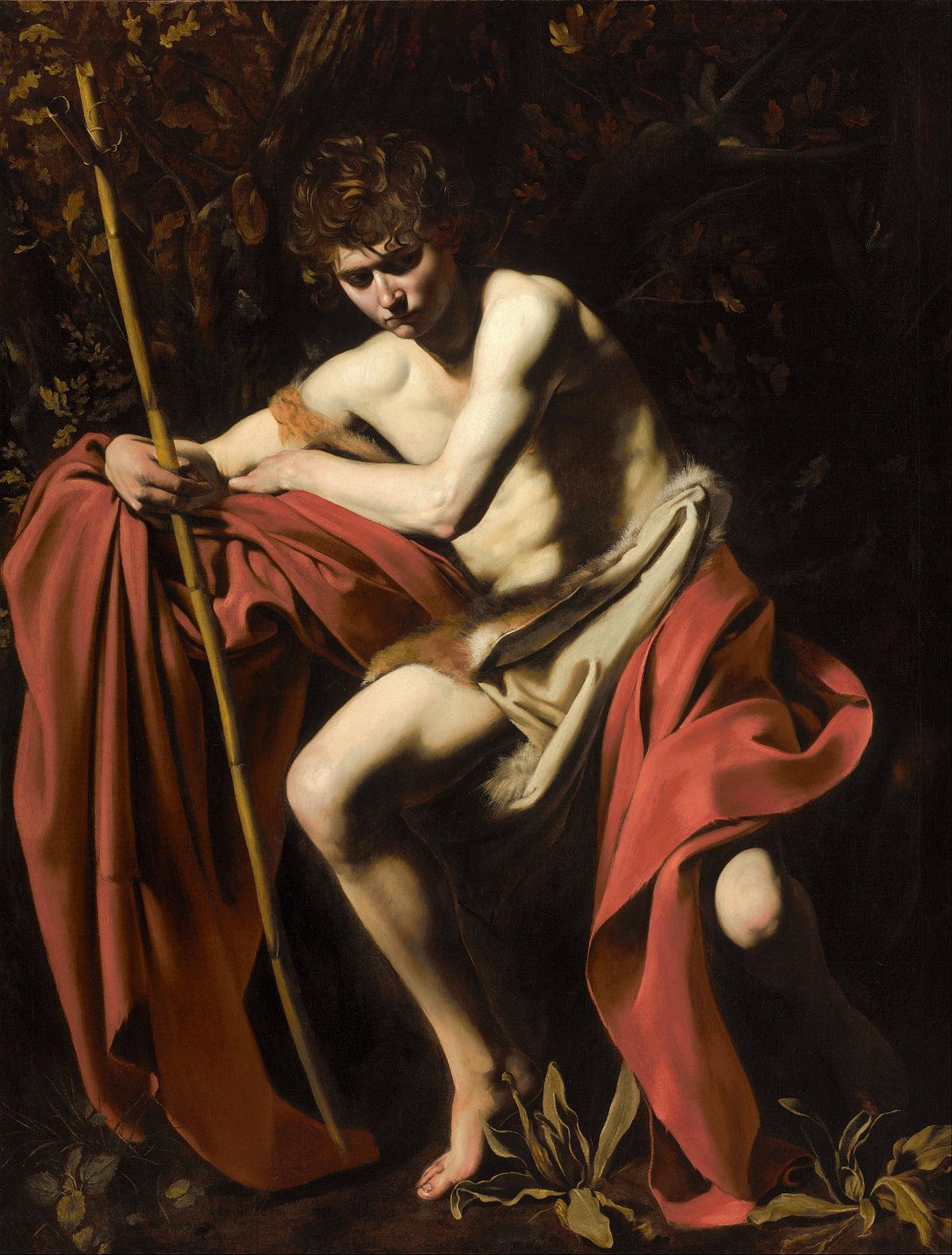
Also at Louvre, Paris
View all →Sculpture
A
Artemis of Versailles
Ancient Roman (Unknown), -100
Louvre, Paris, Paris
T
The Concert: Singer and Theorbo Player
Gerard ter Borch
Louvre, Paris, Paris
T
The Combat of Mars and Minerva
Jacques-Louis David
Louvre, Paris, Paris
M
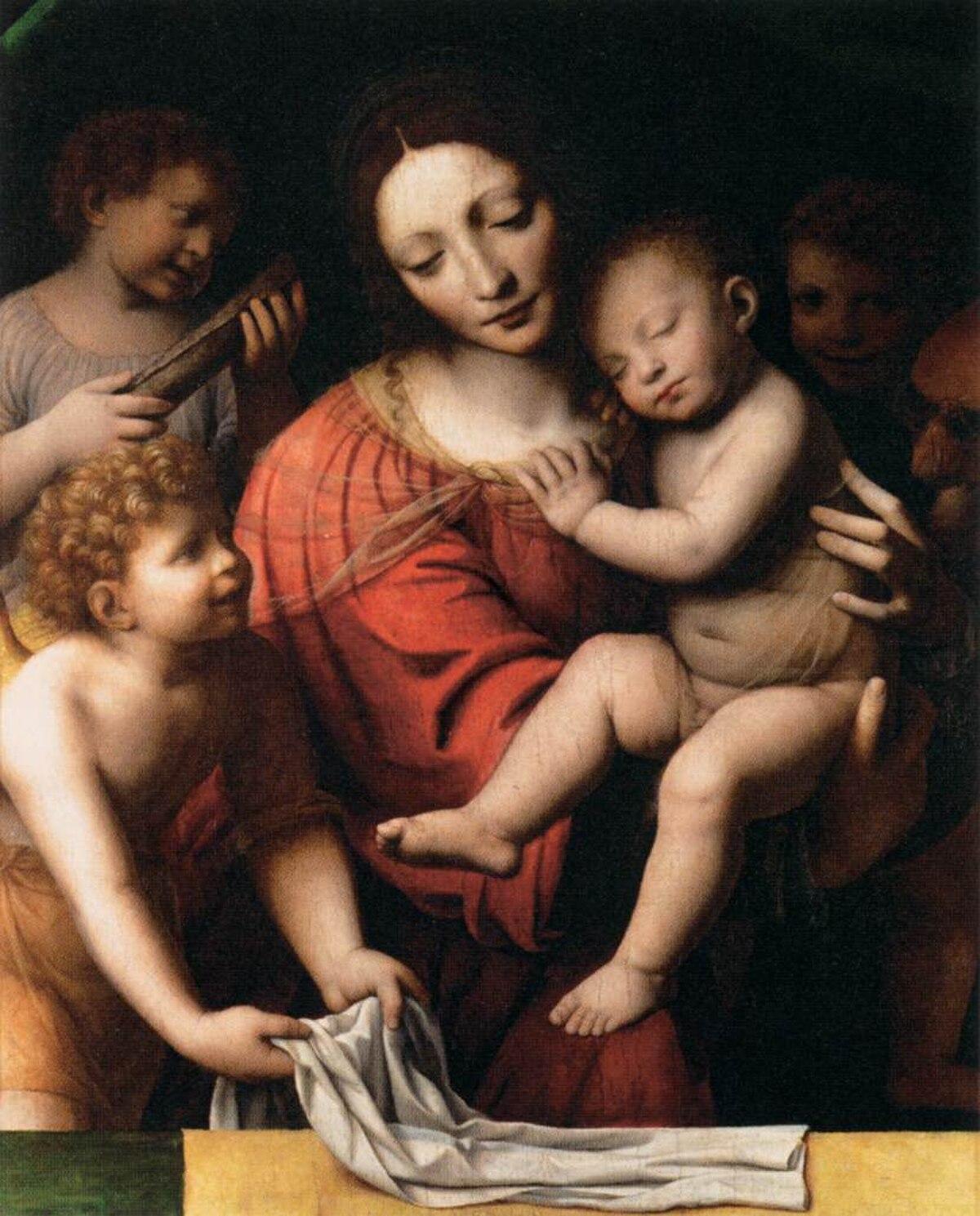
Madonna and Sleeping Child with Three Angels
Bernardino Luini
Louvre, Paris, Paris
Related Works
Works that share an artist, movement, museum, genre, palette or theme with The Calling of Saint Matthew.
- Same artist
- Same movement
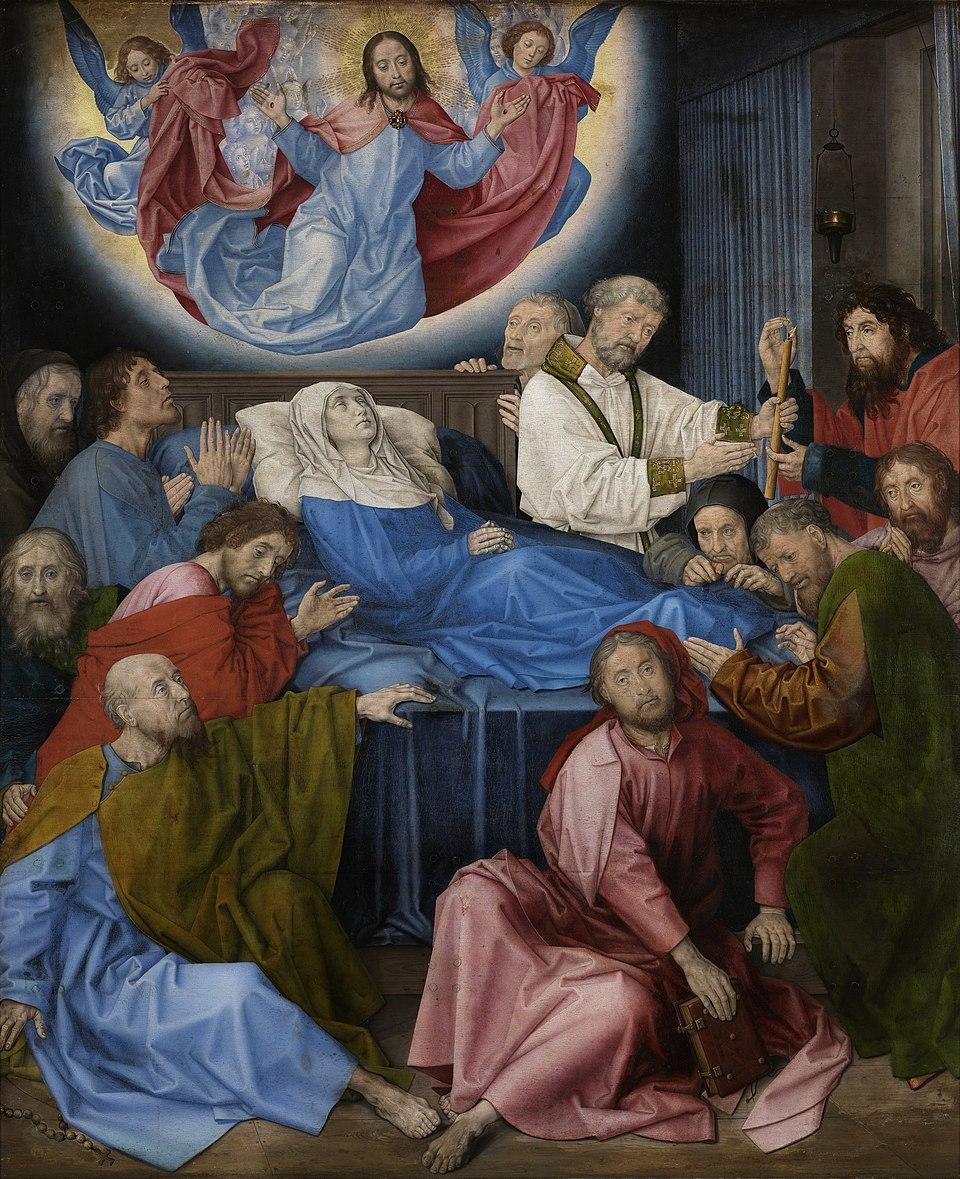
The Death of the Virgin
Caravaggio, 1606

- Same artist
- Same movement
Flagellation of Christ
Caravaggio, 1607
- Same artist
- Same movement
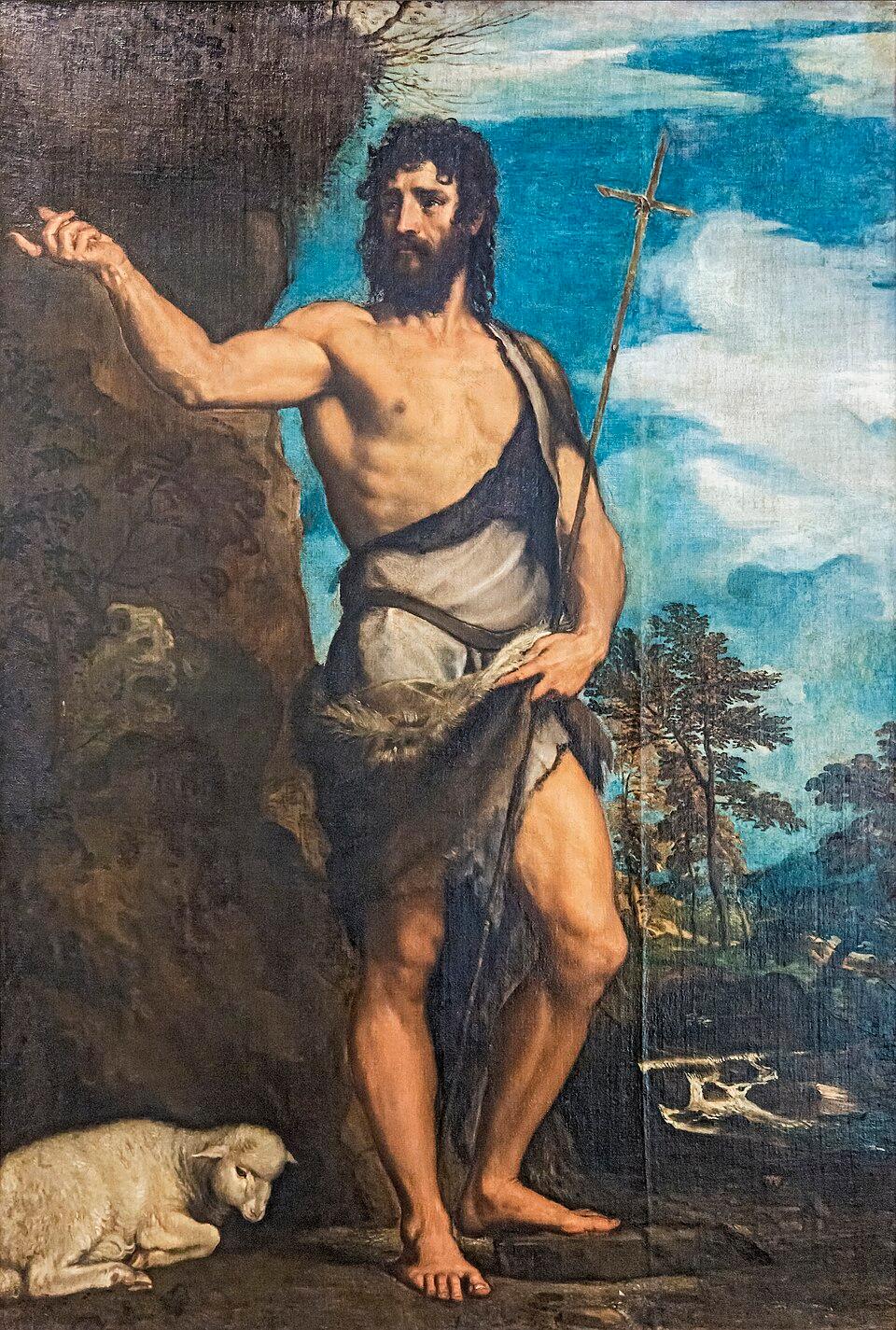
Saint John the Baptist
Caravaggio, 1610
- Same movement
- Similar palette
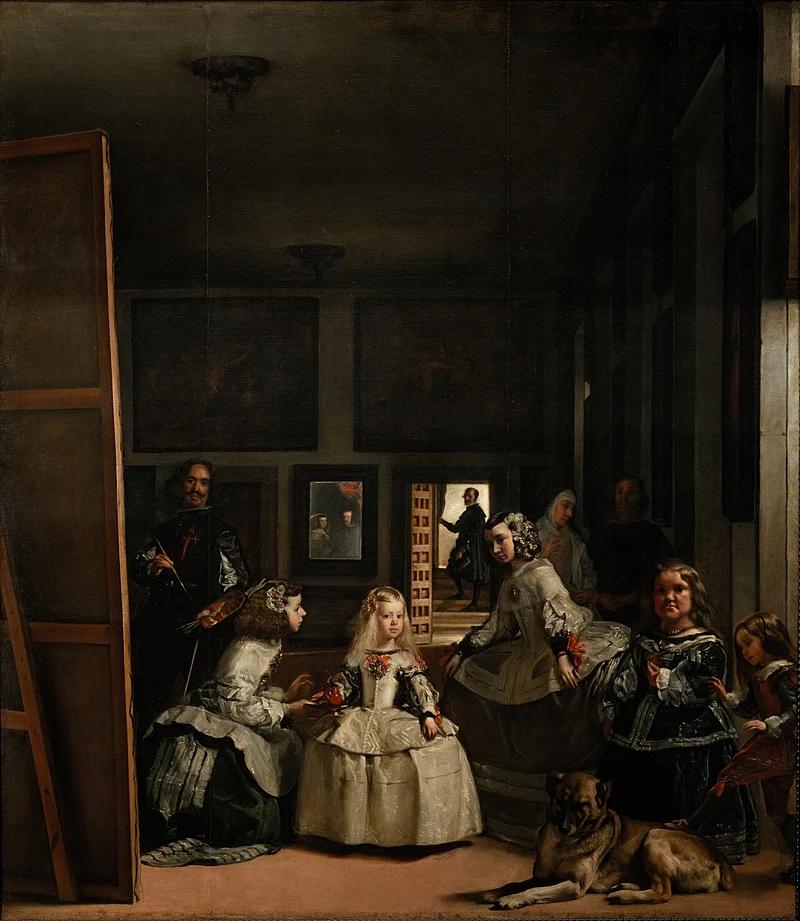
Las Meninas
Diego Velázquez, 1656
- Same movement
- Same genre
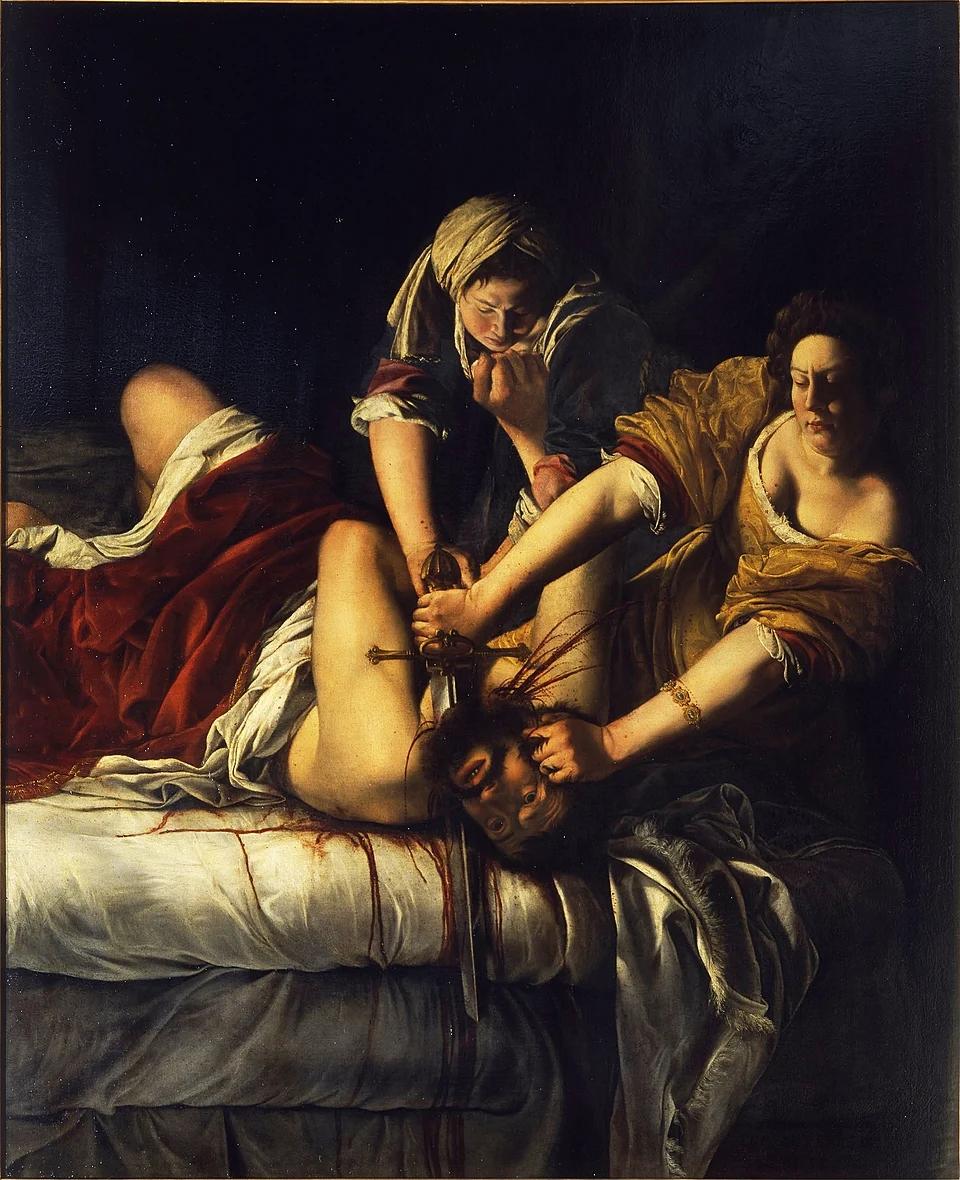
Judith Slaying Holofernes
Artemisia Gentileschi, 1620
- Same movement
- Same museum
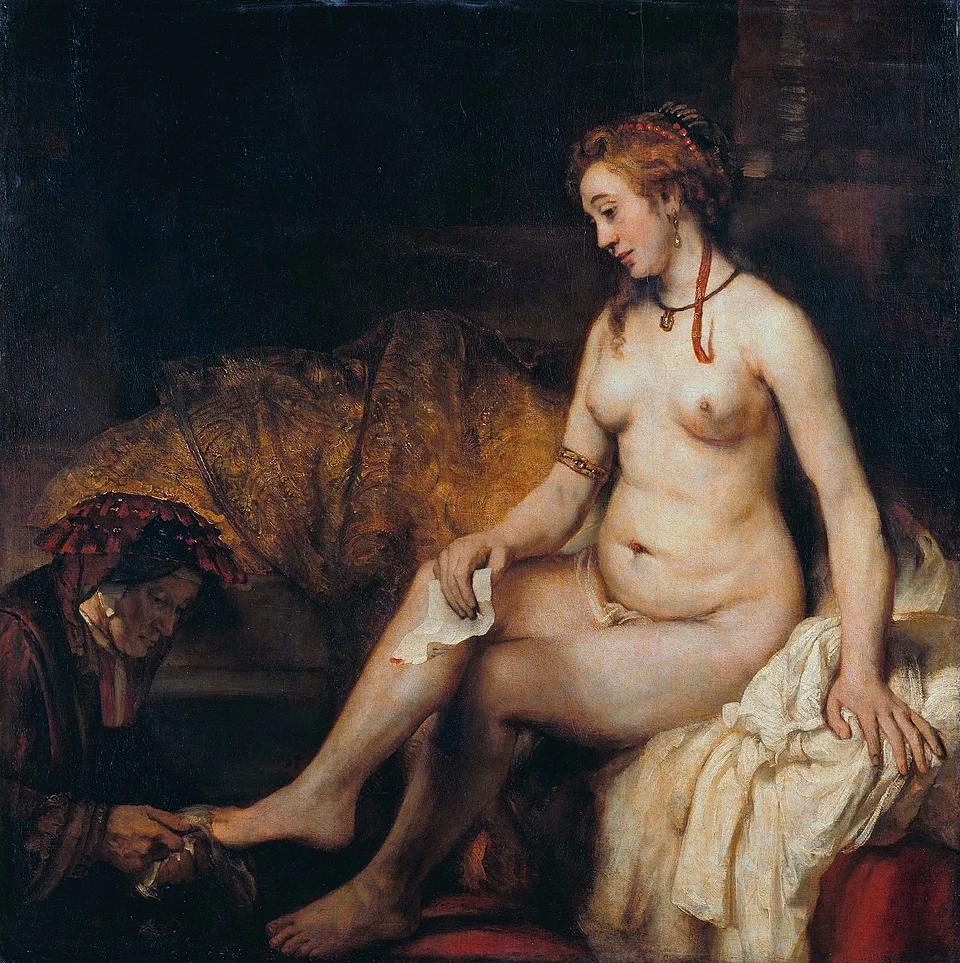
Bathsheba at Her Bath
Rembrandt van Rijn, 1654
- Same movement
- Similar palette
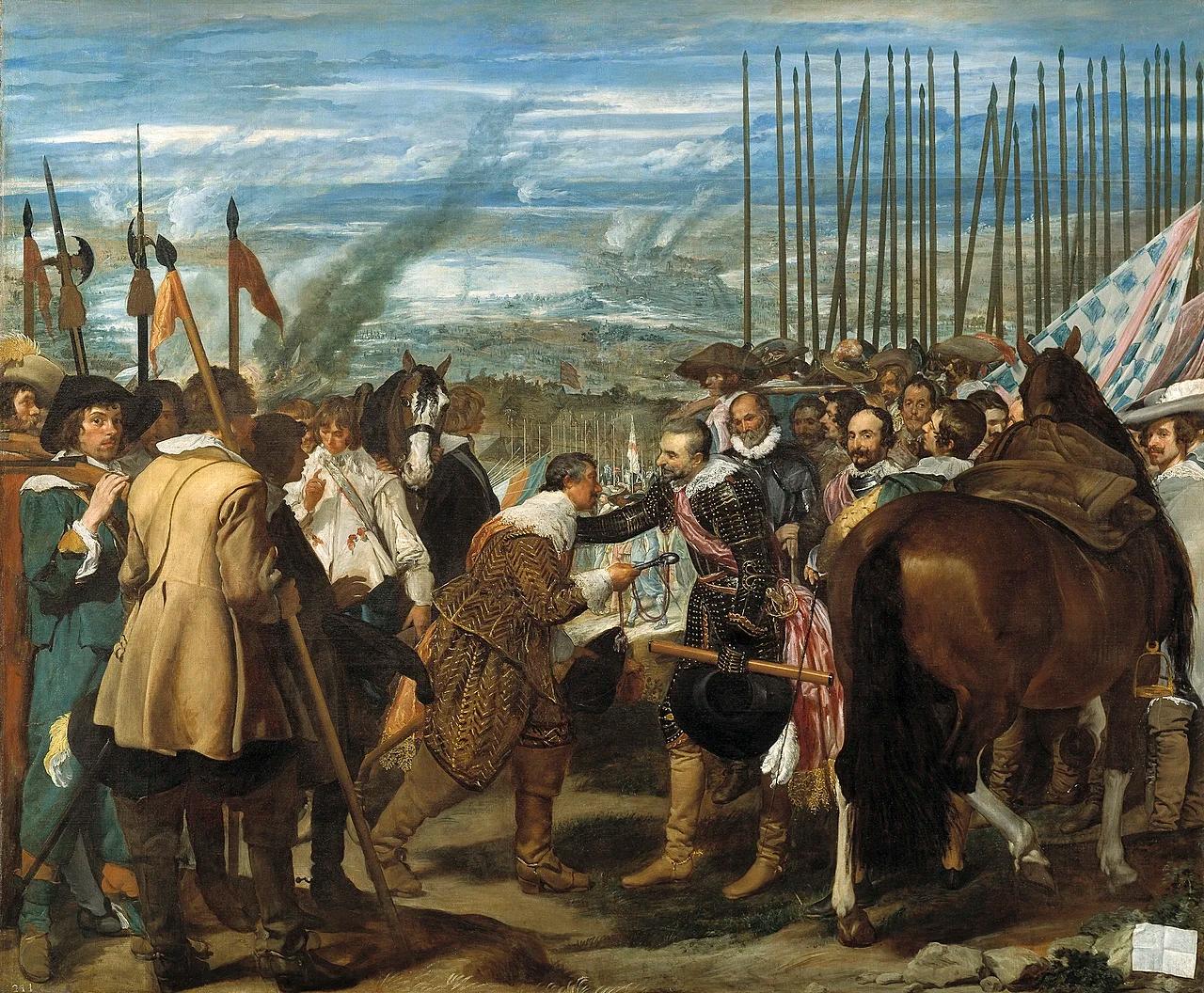
The Surrender of Breda
Diego Velázquez, 1635
- Same movement
- Similar palette
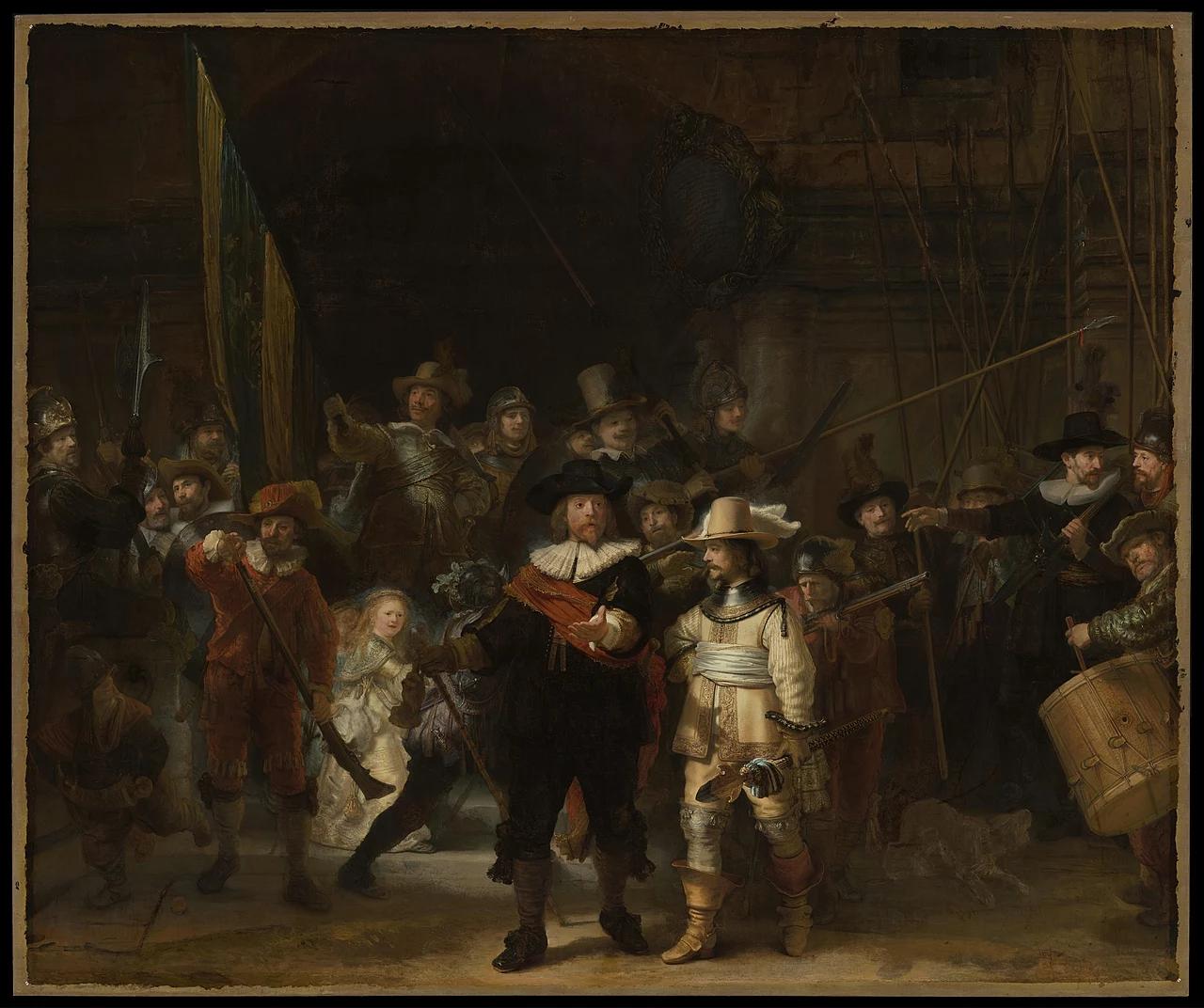
The Night Watch
Rembrandt van Rijn, 1642
- Same movement
- Same museum
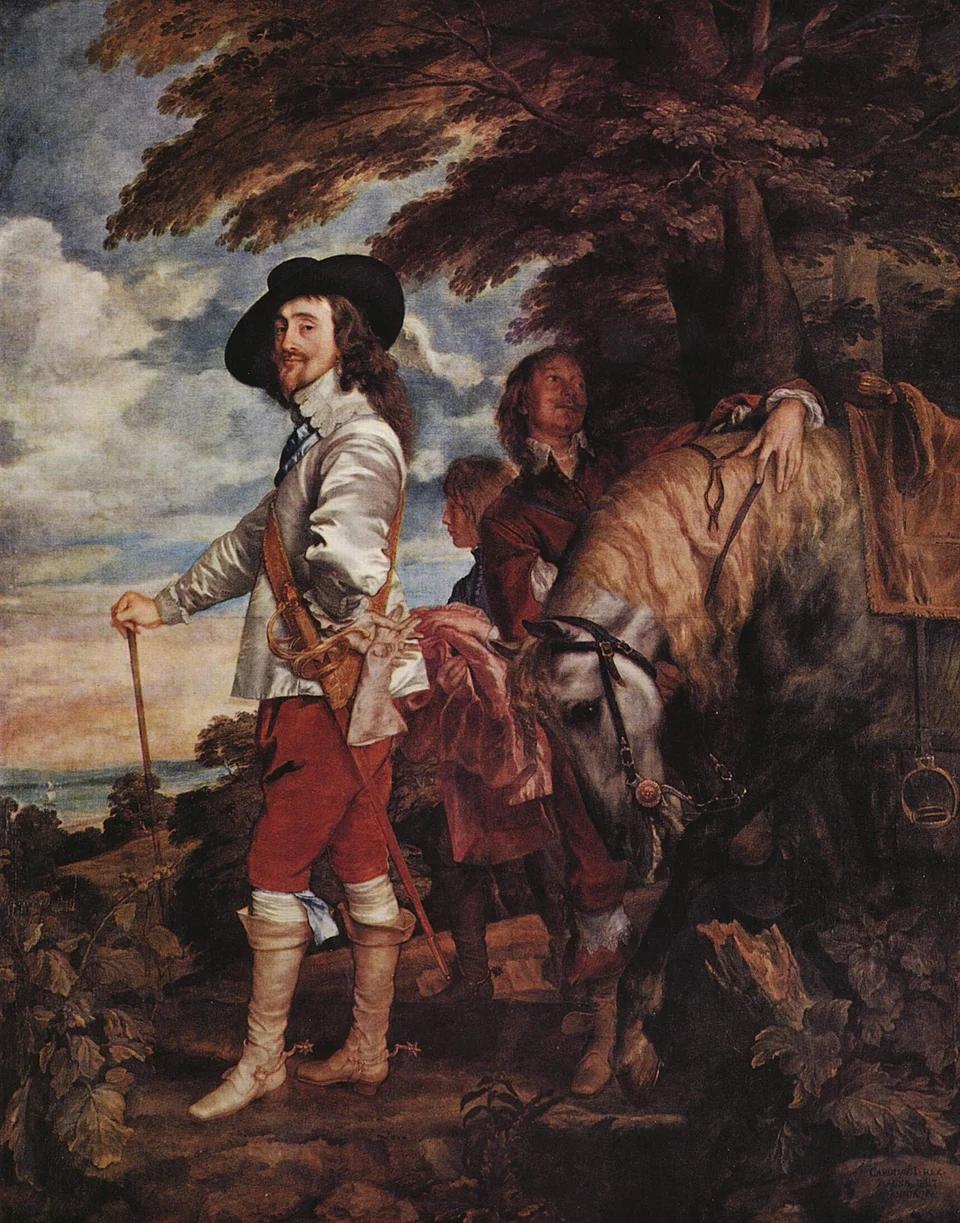
Charles I at the Hunt
Anthony van Dyck, 1635
- Same movement
- Similar palette
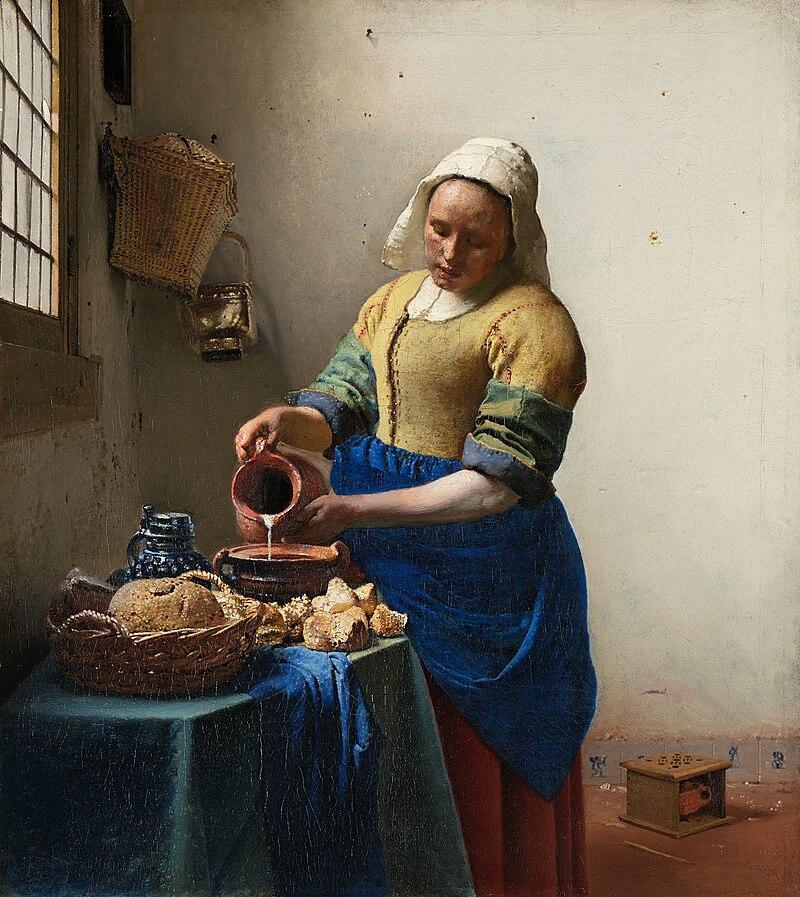
The Milkmaid
Johannes Vermeer, 1658
- Same movement
- Similar palette
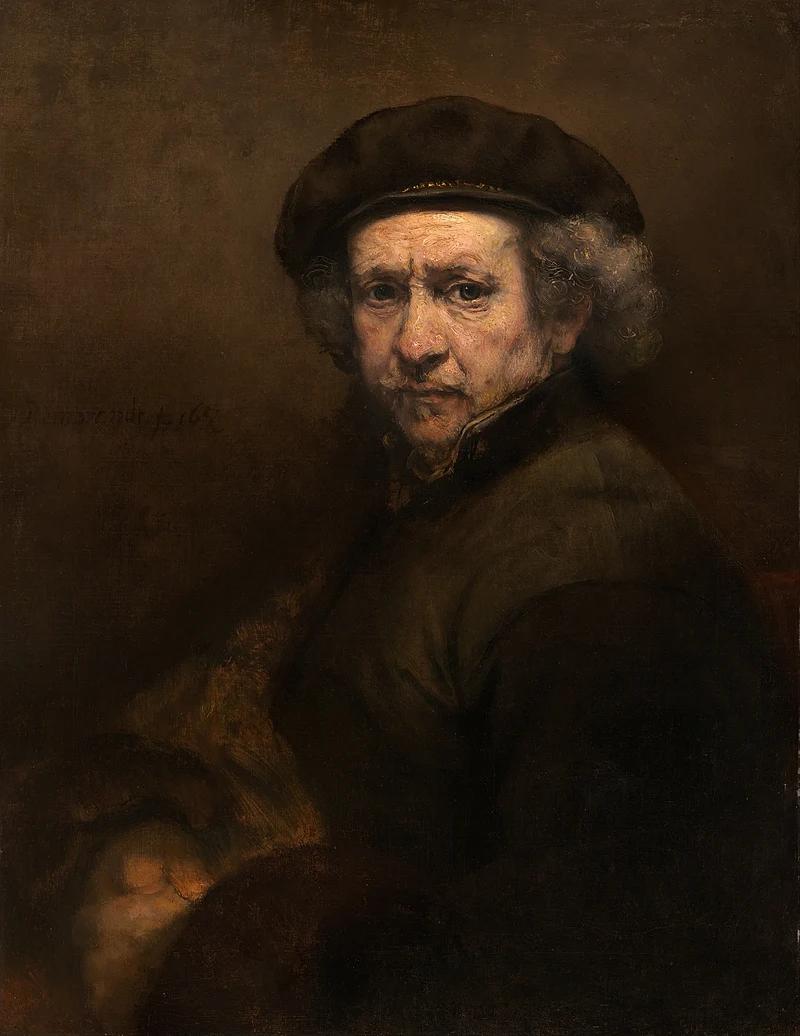
Self-Portrait
Rembrandt van Rijn, 1659
- Same movement
- Similar palette
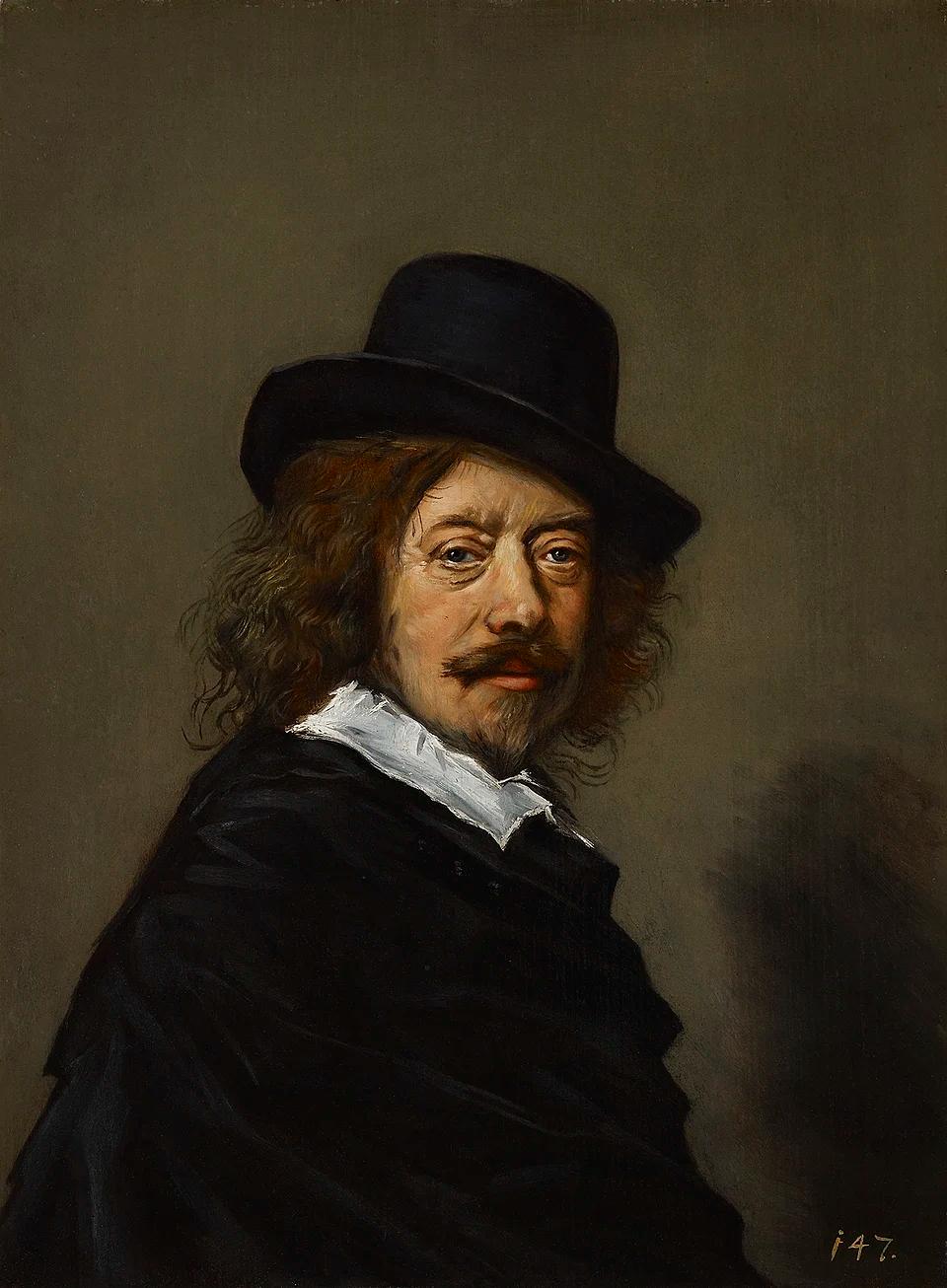
The Laughing Cavalier
Frans Hals, 1624
About The Calling of Saint Matthew
It's still in its original location at San Luigi dei Francesi church in Rome. The Contarelli Chapel holds all three of Caravaggio's Matthew paintings.
It measures about 322 x 340 cm (approximately 10.5 x 11 feet). Caravaggio positioned it to catch natural light from the chapel window on the right.
It's a landmark of Baroque painting. Caravaggio's dramatic chiaroscuro (contrast of light and dark) revolutionized religious painting and influenced artists across Europe.
Scholars debate this. Some say the bearded man pointing at himself; others identify the young man at the table's end. Caravaggio may have intended the ambiguity.
Own Art Like This
Luxury wall art with the same mood and energy. Gallery-quality canvas, no museum crowds.
Browse Collection