Giovanni Bellini, Public domain, via Wikimedia Commons.
Giovanni Bellini, Public domain, via Wikimedia Commons.
by Giovanni Bellini, 1480
1-click academic citation and embeddable “On View” museum badge for articles, syllabi, and research.
Giovanni Bellini painted The Transfiguration around 1480, depicting the moment when Christ revealed his divine nature to three disciples on Mount Tabor. The scene follows the Gospel account: Christ stands in radiant white garments with hands raised, flanked by Moses and Elijah. Below, the apostles Peter, James, and John react with awe and confusion to the heavenly vision.
Bellini signed the work on a small cartellino hanging from the fence in the foreground, a detail that grounds the sacred vision in physical reality. The painting shows his mastery of both Venetian color and the precise technique he learned from studying Netherlandish masters. Recent scientific analysis revealed that Bellini used stibnite pigment here, the earliest known use of this mineral in painting.
The panel appeared in Farnese palace inventories in Rome during the 1640s and 1650s, later moving to Parma before arriving in Naples with Charles of Bourbon in 1734. It now hangs in the Museo di Capodimonte, where its soft light and contemplative mood offer quiet contrast to the dramatic Caravaggios nearby.
Works that share an artist, movement, museum, genre, palette or theme with Transfiguration.
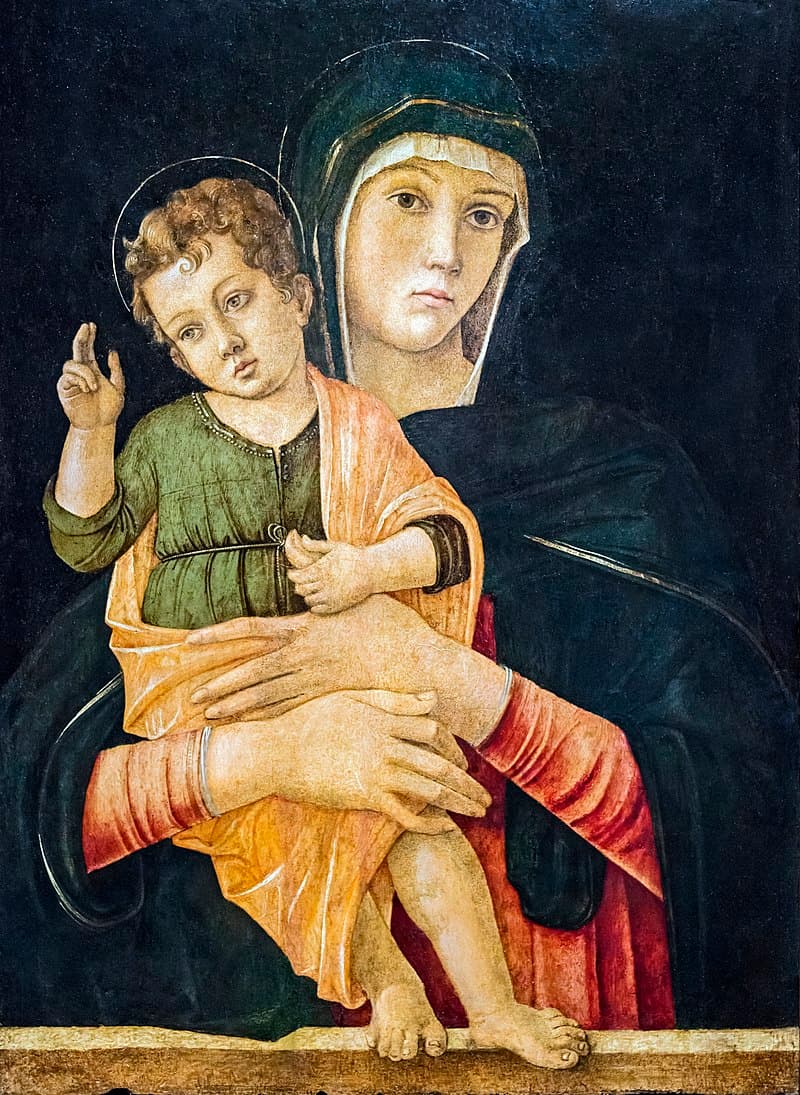
Giovanni Bellini
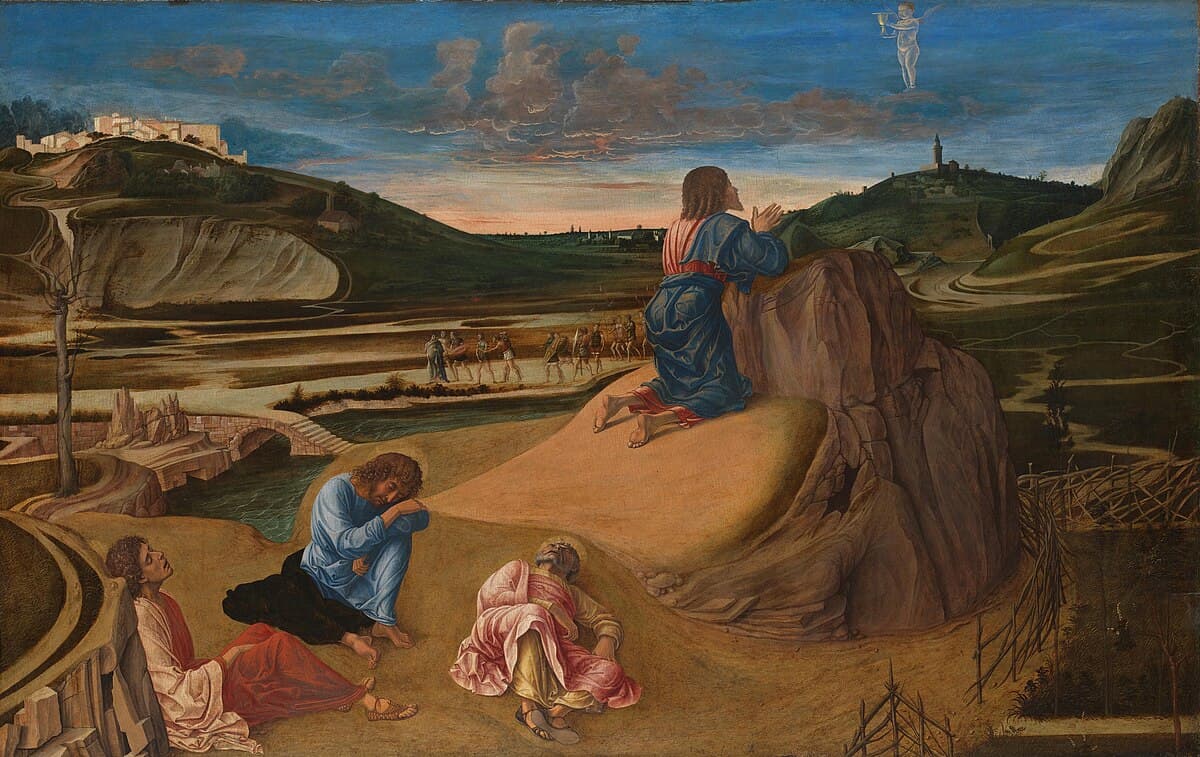
Giovanni Bellini, 1459
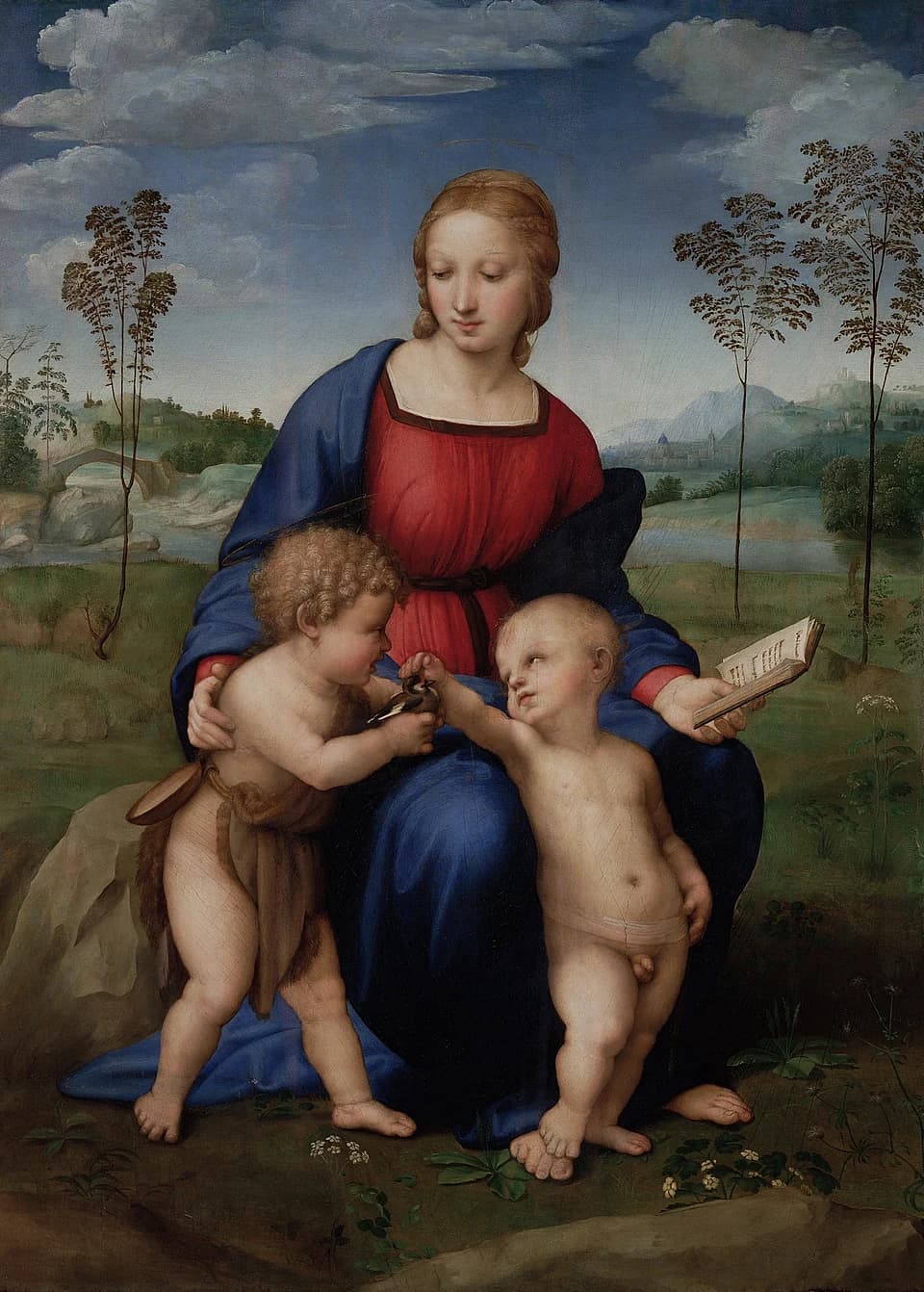
Giovanni Bellini, 1505

Titian, 1546
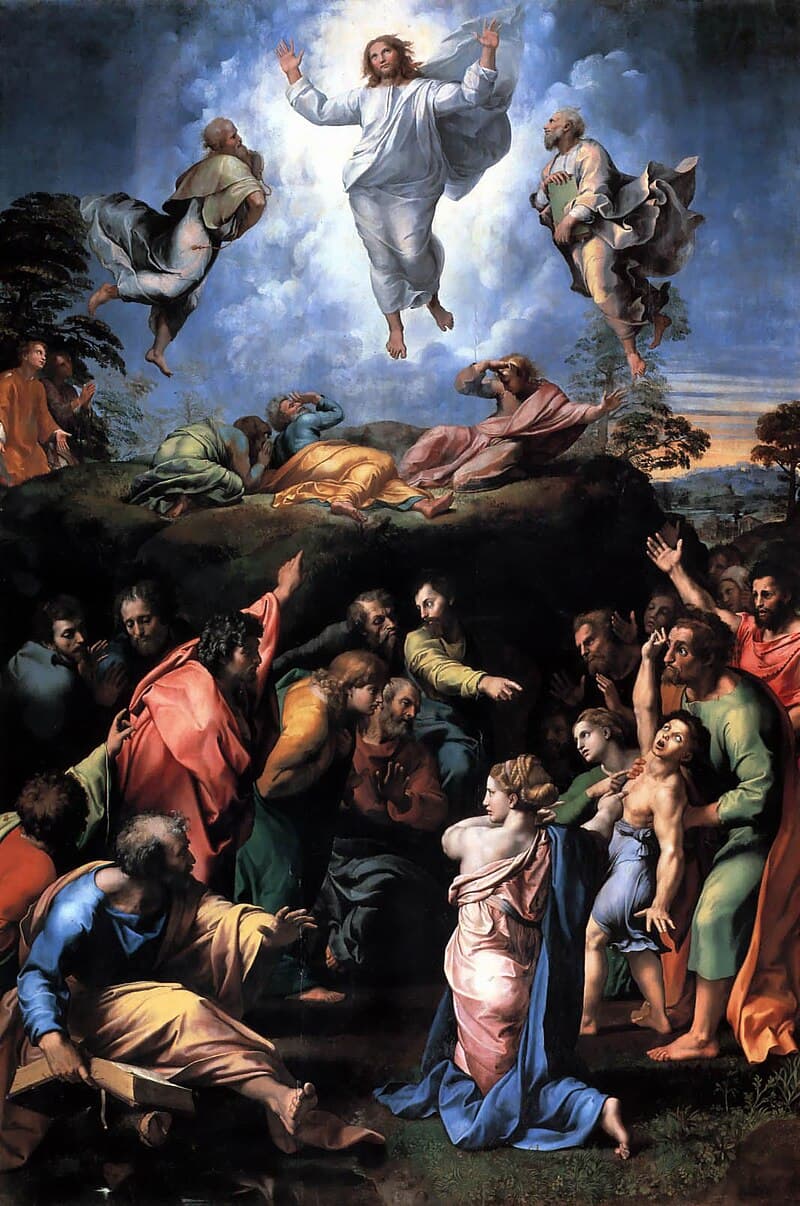
Raphael, 1520
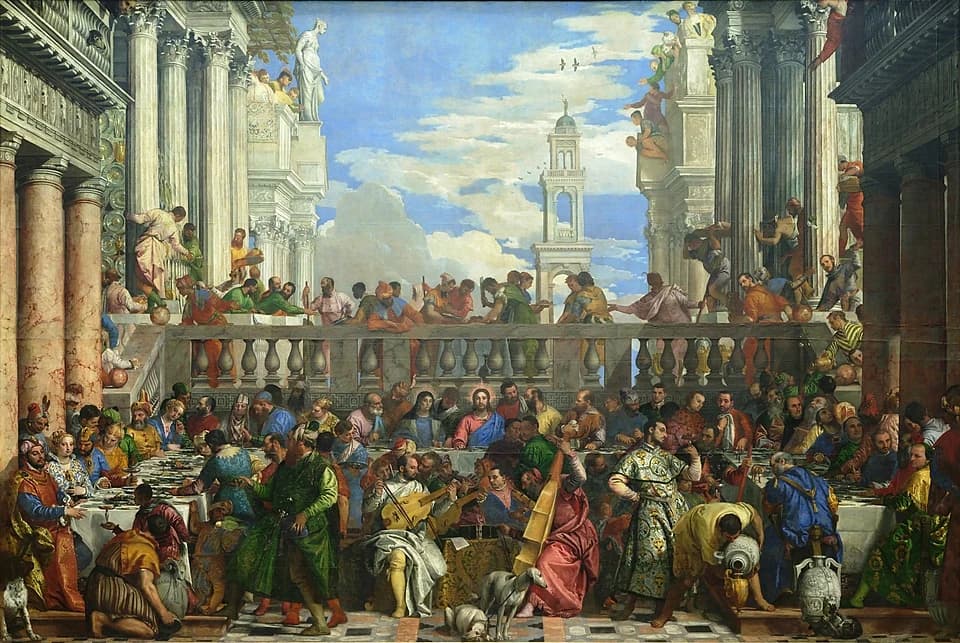
Paolo Veronese, 1563
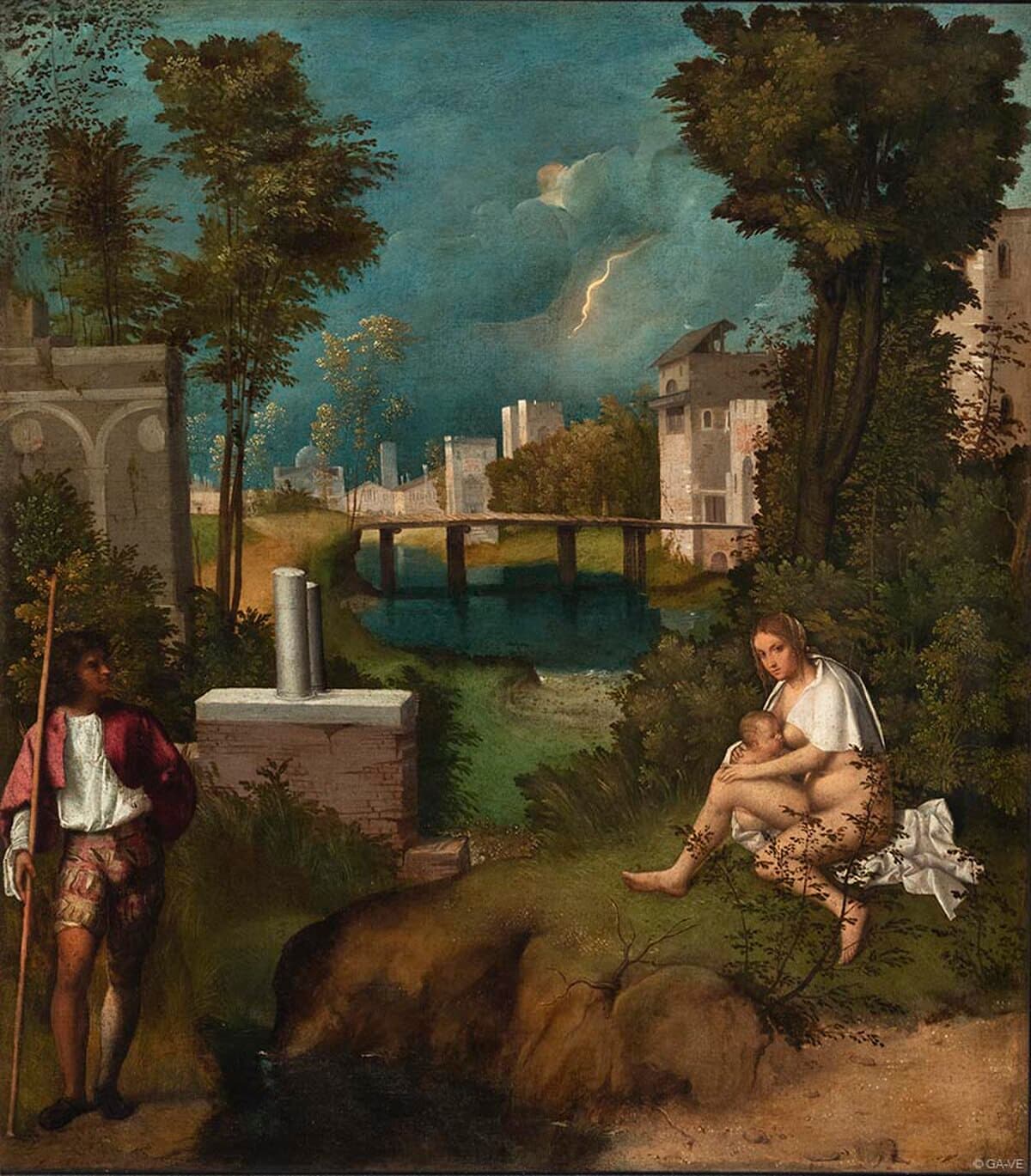
Giorgione, 1508
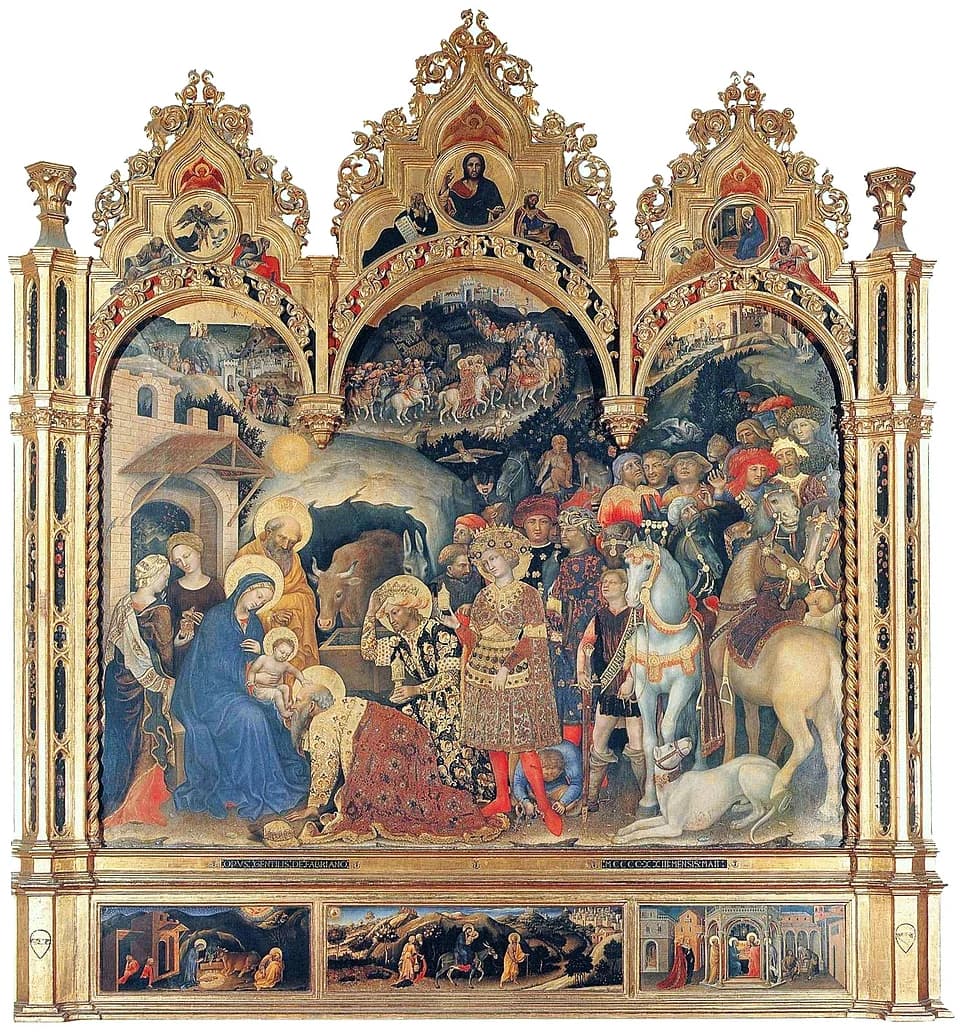
Gentile da Fabriano, 1423
Titian, 1518
Pieter Bruegel the Elder, 1563
Michelangelo, 1512
Piero della Francesca, 1472
Luxury wall art with the same mood and energy. Gallery-quality canvas, no museum crowds.
Browse Collection