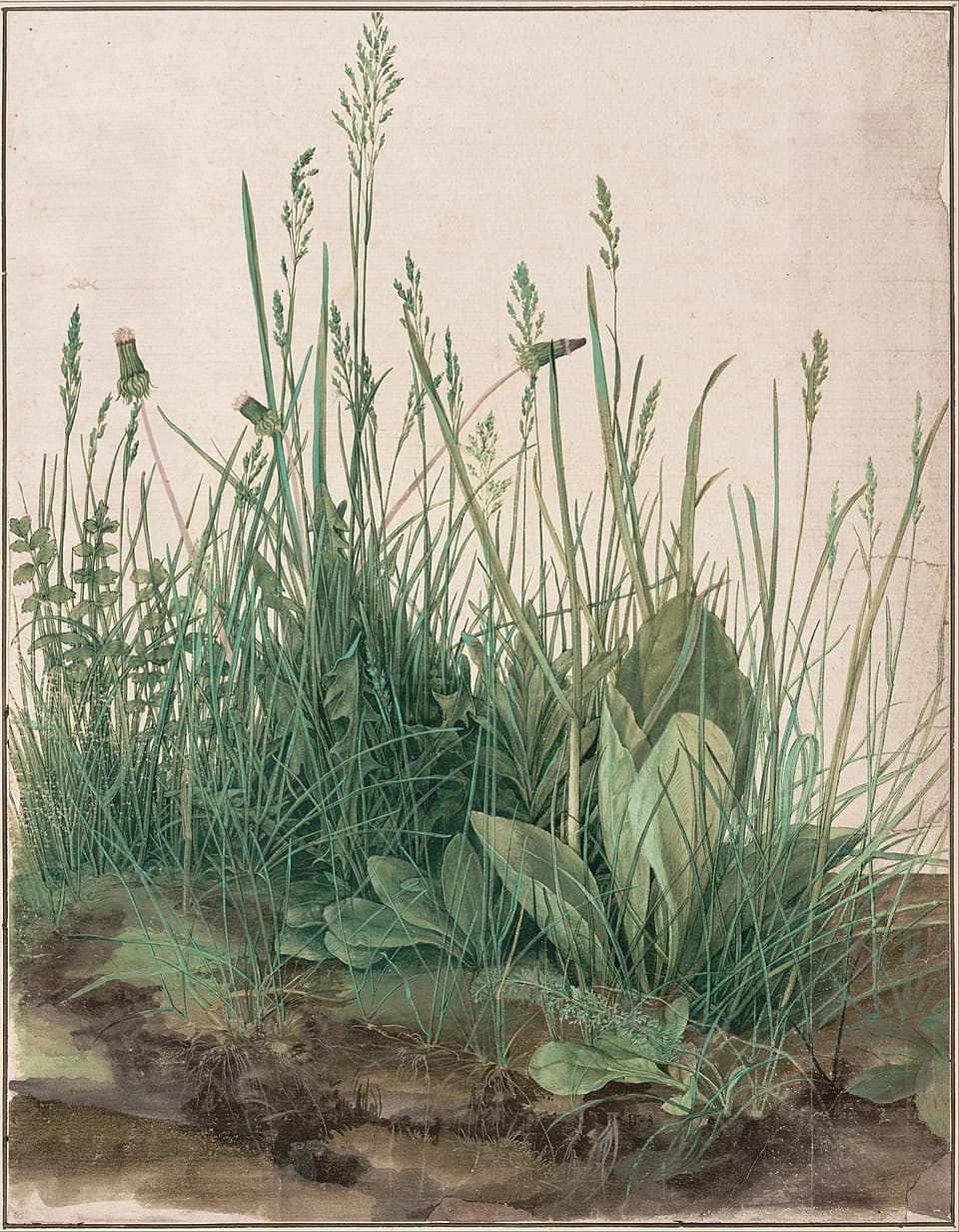
Vanitas Still Life
by Pieter Claesz, 1630
Artwork Details
Details
- Year
- 1630
- Medium
- Oil on panel
- Size
- 39.5 cm × 56 cm
Cite or Embed This Work
APA · MLA · Chicago1-click academic citation and embeddable “On View” museum badge for articles, syllabi, and research.
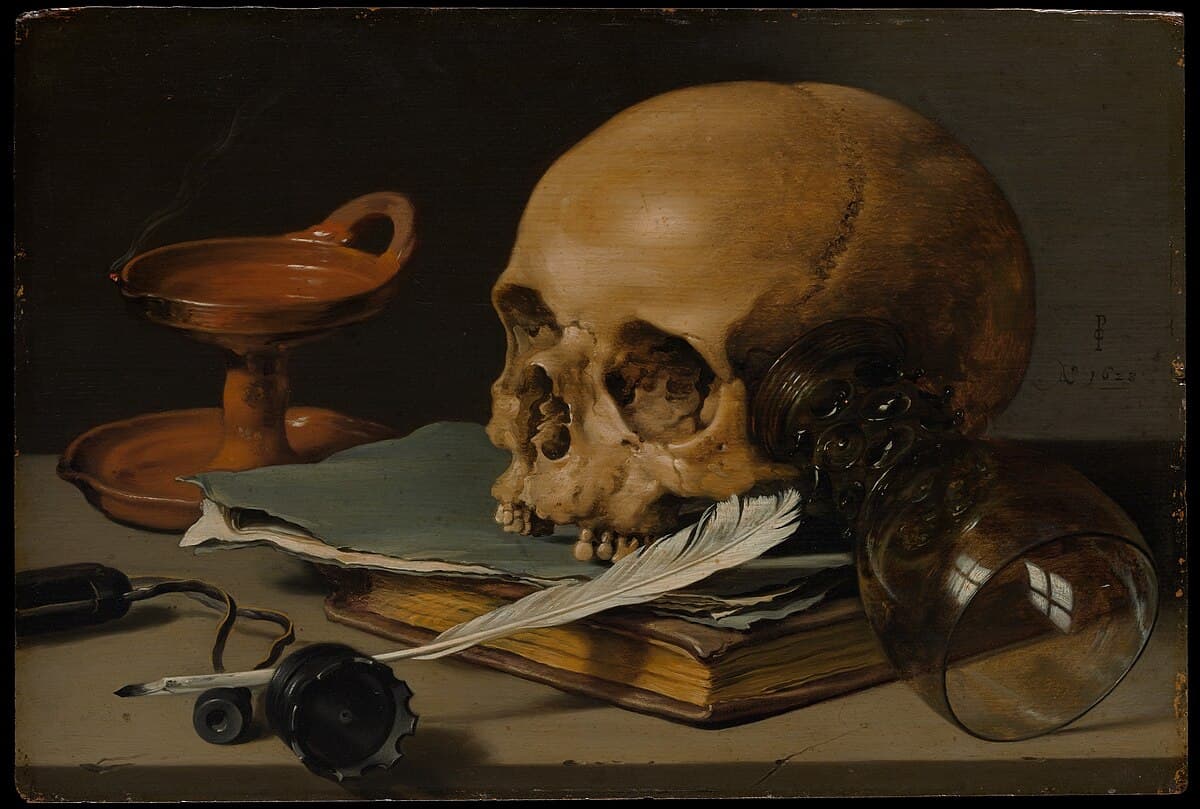
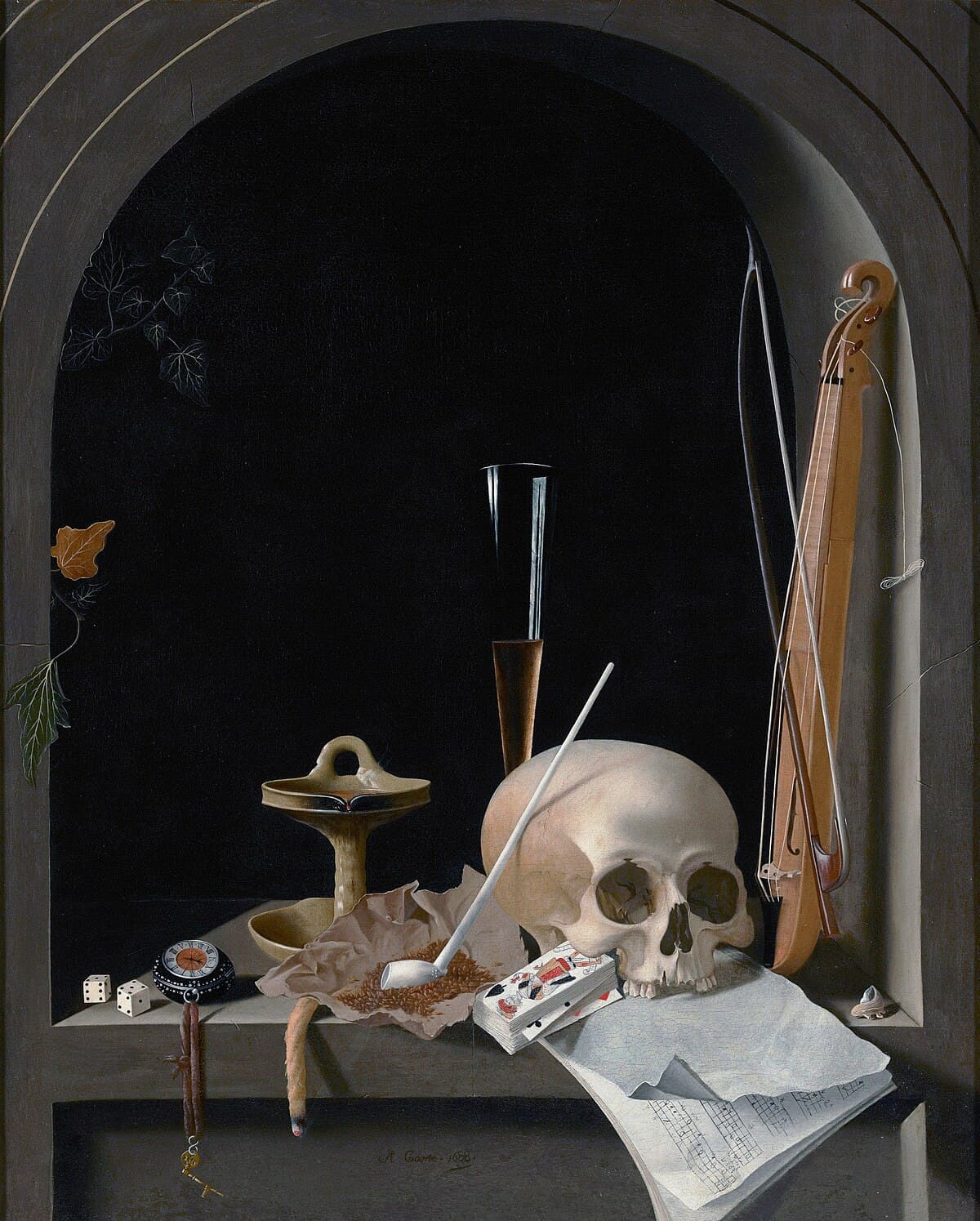
Pieter Claesz arranged these objects as reminders of mortality in 1630. A skull sits beside an overturned glass, a snuffed oil lamp, a pocket watch with glossy ribbon, and an anemone flower clinging to the table's edge. Roman poet Ovid called the anemone a "windflower" for its brief grip on life.
Claesz was a master of the monochromatic palette, using mainly brown and green with just a dash of blue for the watch ribbon. This restraint made textures shine: the glittering timepiece, brittle pages, fractured skull. Every object follows established vanitas symbolism, pointing to time's passage. Now at the Mauritshuis in The Hague.