Pieter Claesz
Dutch·1597–1660
No Portrait Available
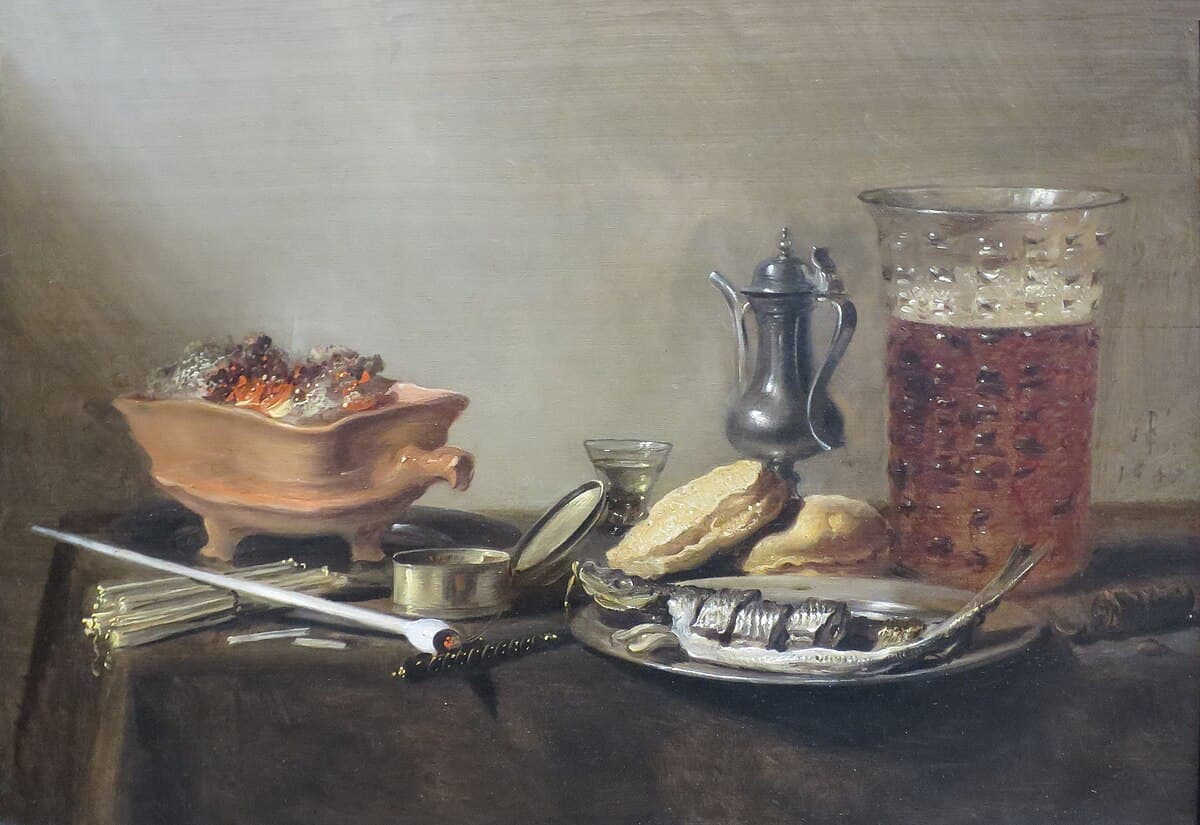
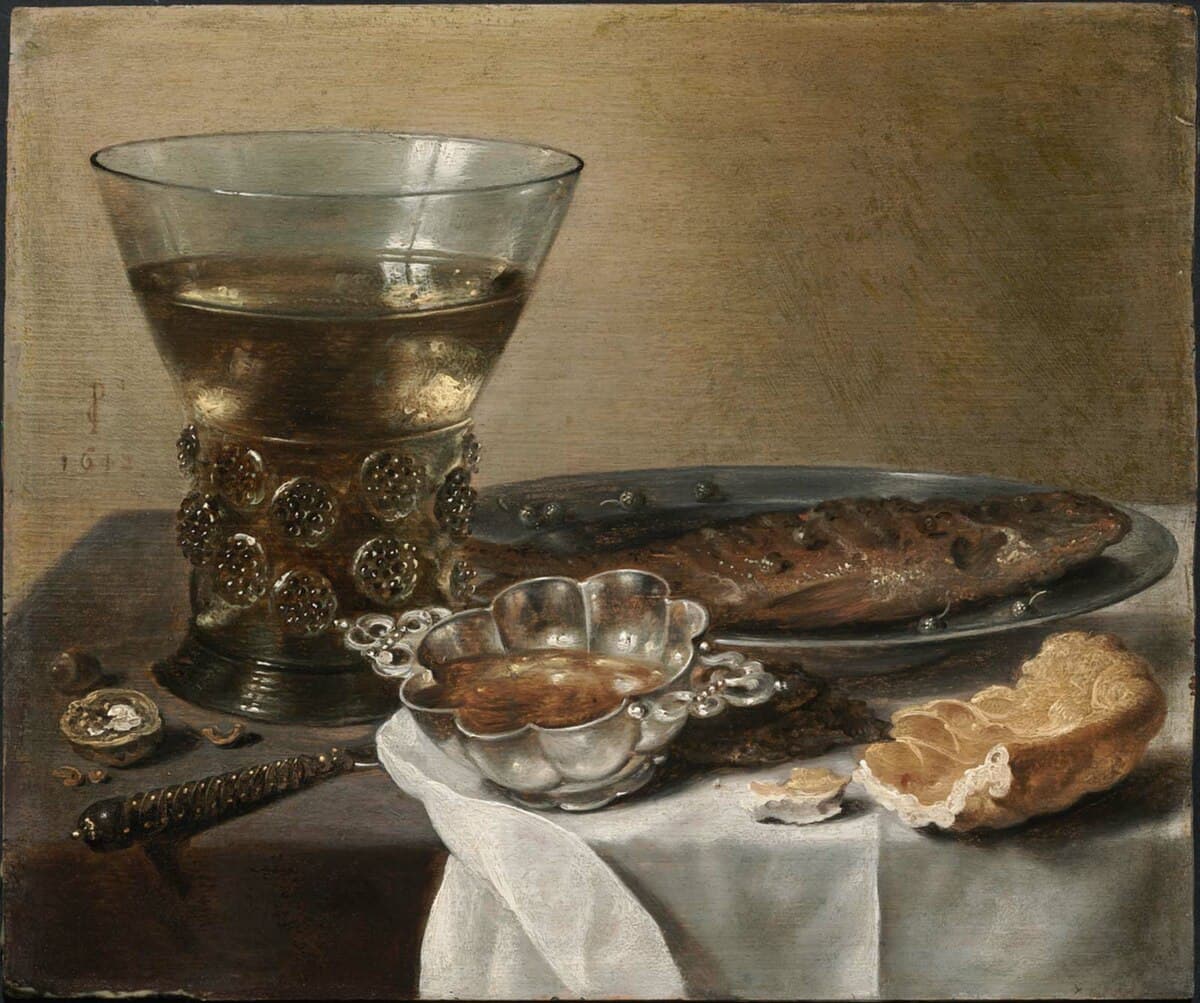
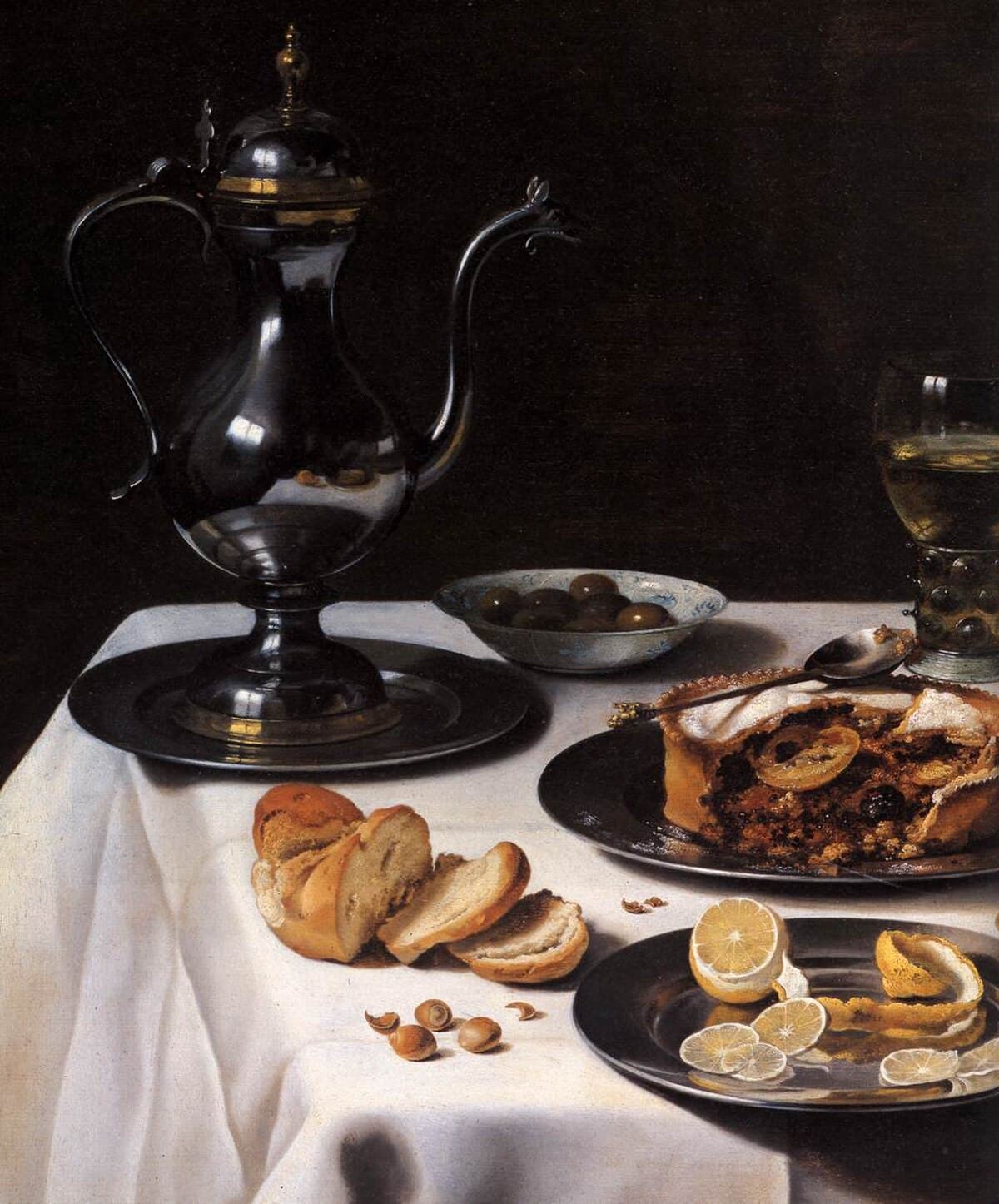
Pieter Claesz (c. 1597–1660) made ordinary objects look profound. Born in Berchem near Antwerp, he moved to Haarlem around 1620 and stayed for the rest of his life. There he and Willem Claeszoon Heda developed what became known as the "ontbijtje," or breakfast piece: paintings of half-eaten meals, overturned goblets, and scattered bread arranged with deliberate carelessness.
Claesz worked in the monochrome style typical of Dutch Golden Age still life: subtle gradations of brown, gray, and olive, with occasional glints of silver or gold catching the light. His palette was restrained, but his technique was anything but simple. He captured the dull gleam of pewter, the transparency of glass, the rough texture of bread crusts. Contemporary poet Samuel Ampzing praised both Claesz and Heda in his 1628 Description and Praise of the City of Haarlem.
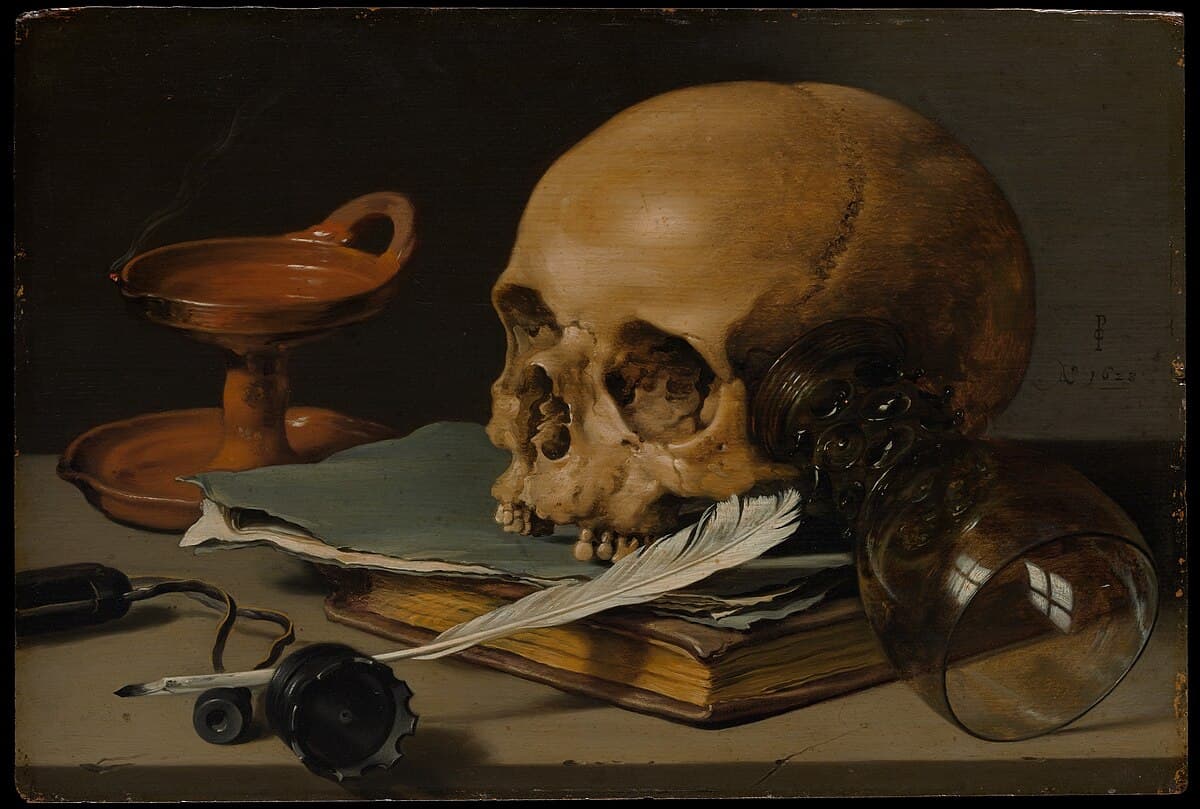
His vanitas paintings went further. A skull, a snuffed candle, an overturned glass: these weren't just objects but meditations on mortality. In Vanitas with Violin and Glass Ball (1625), the reflection in the glass ball shows the artist at work, a reminder that even the painter is subject to time. His son, Nicolaes Berchem, became a celebrated landscape painter in his own right. Claesz was buried in Haarlem on January 1, 1661. His paintings hang at the Rijksmuseum, the Metropolitan Museum of Art, the Frans Hals Museum in Haarlem, and the National Gallery of Art in Washington.