Adriaen Brouwer
Flemish·1605–1638
No Portrait Available
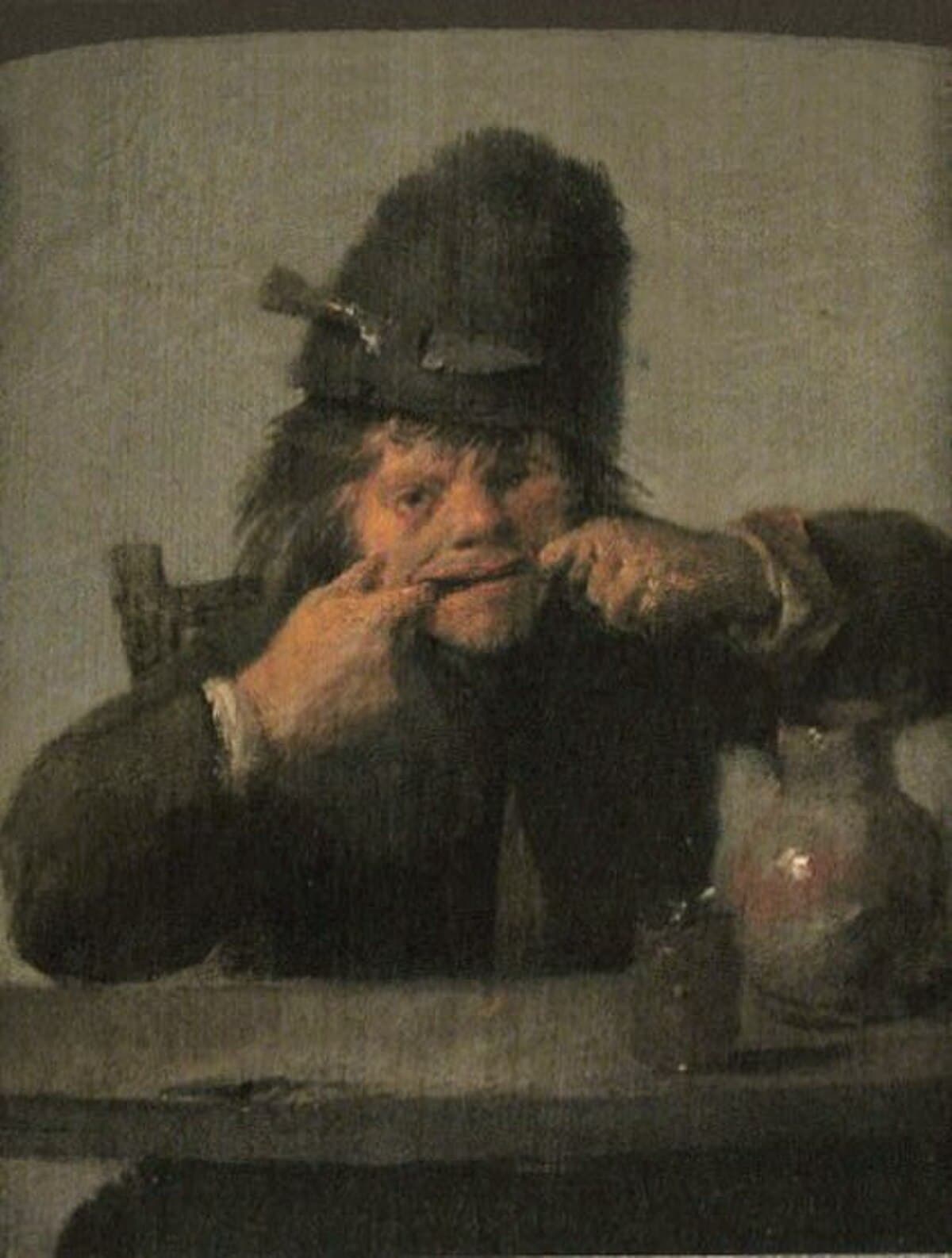
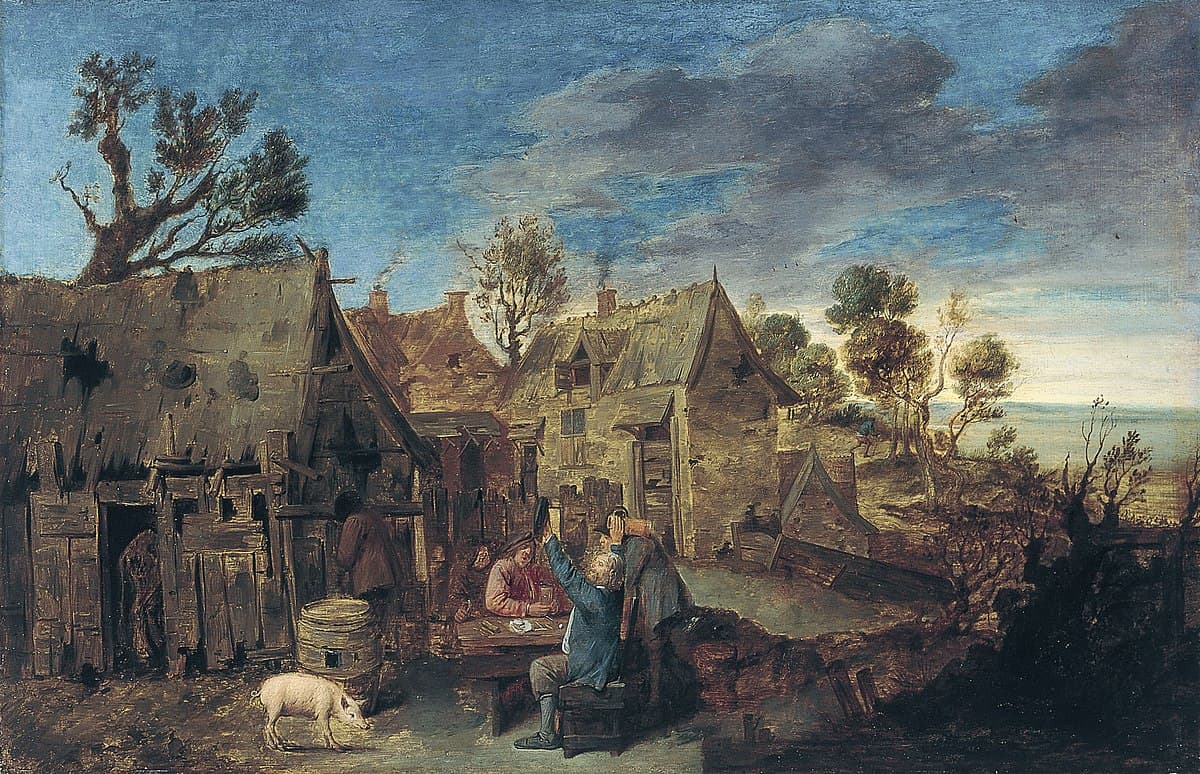
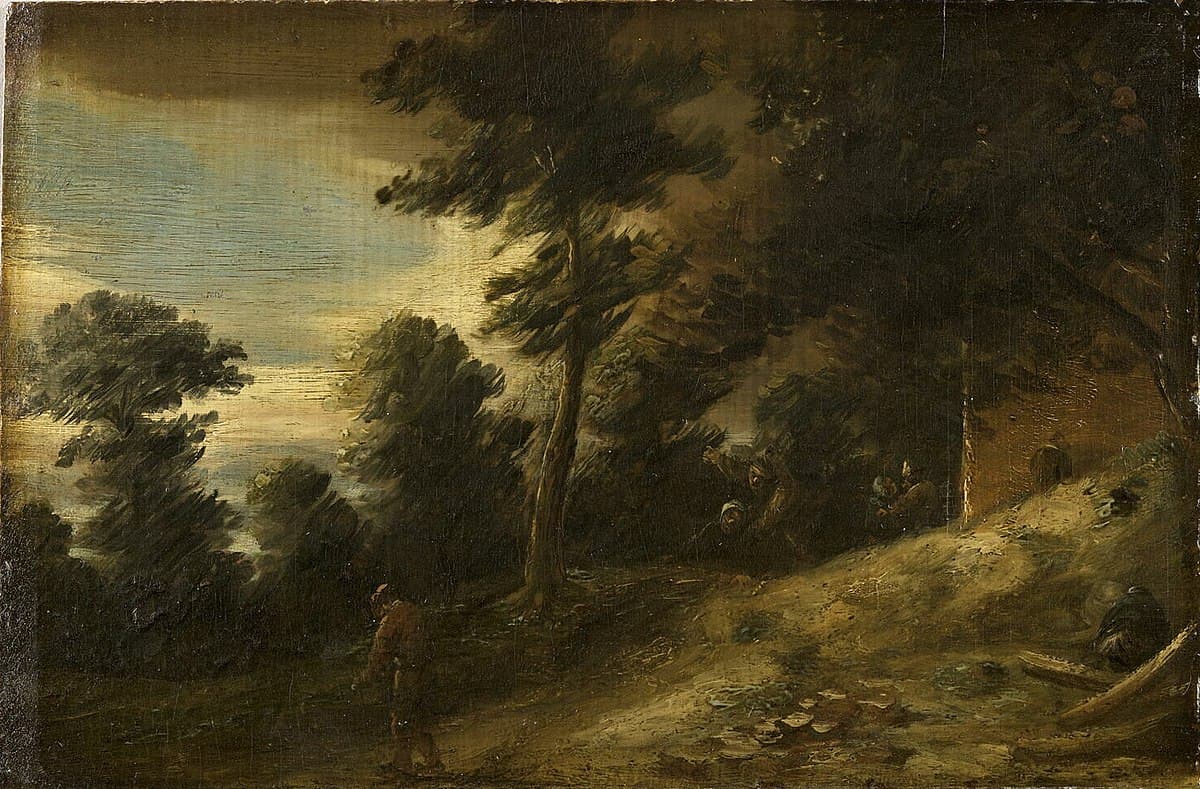
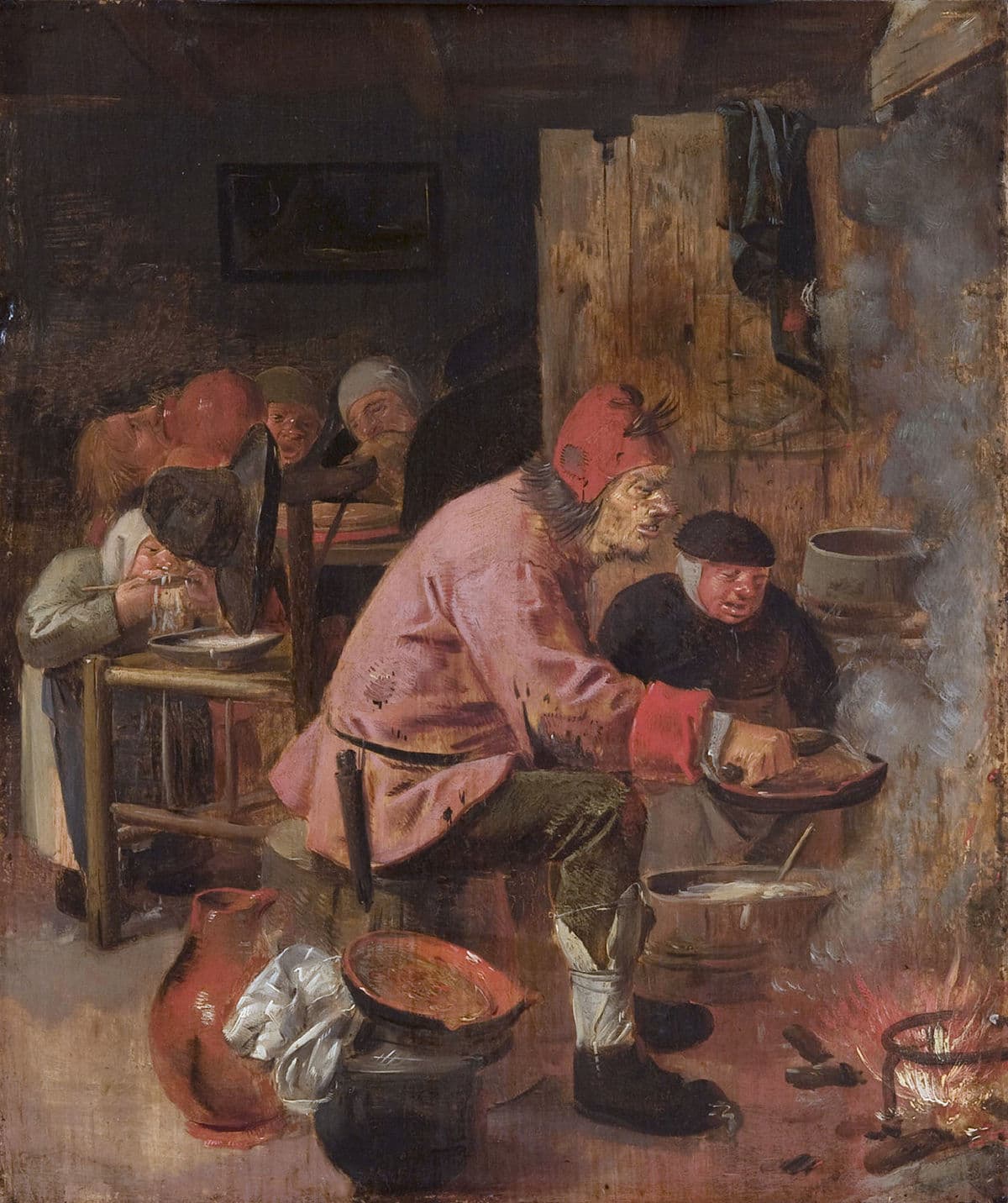
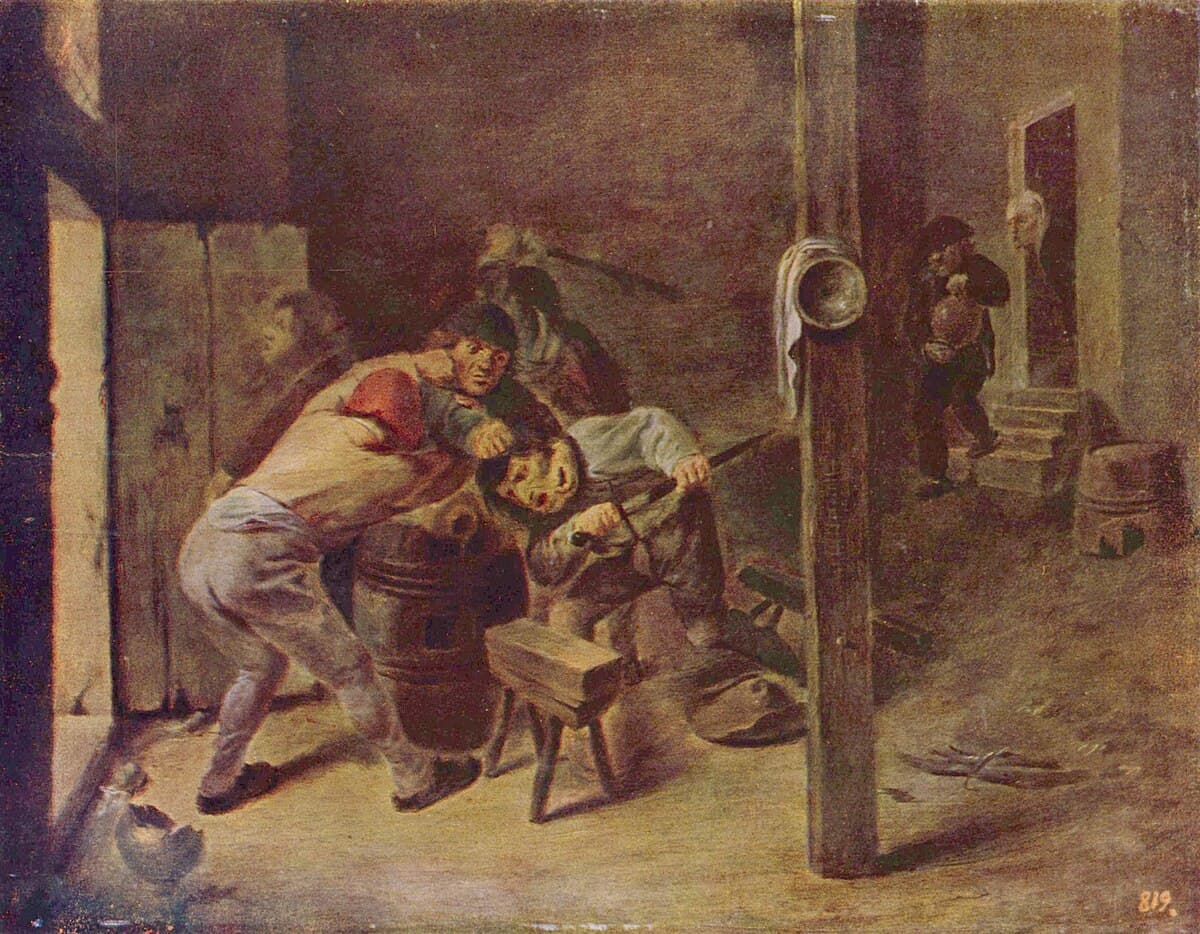
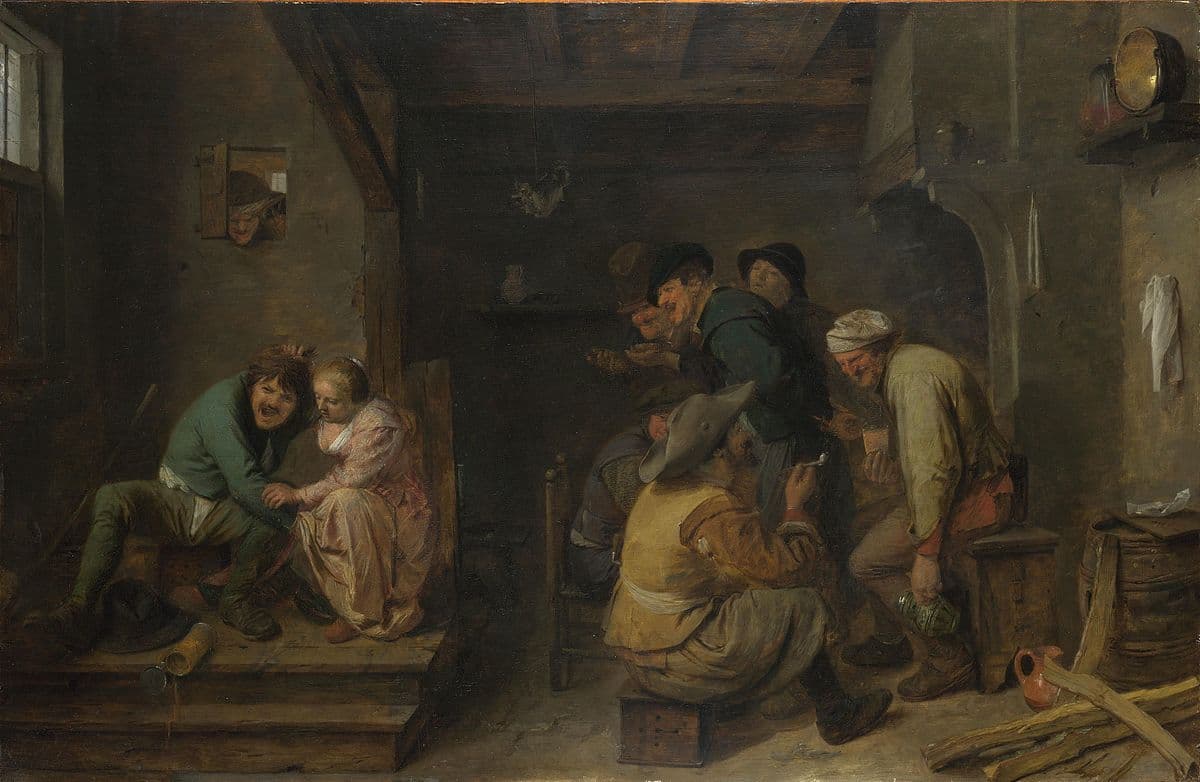
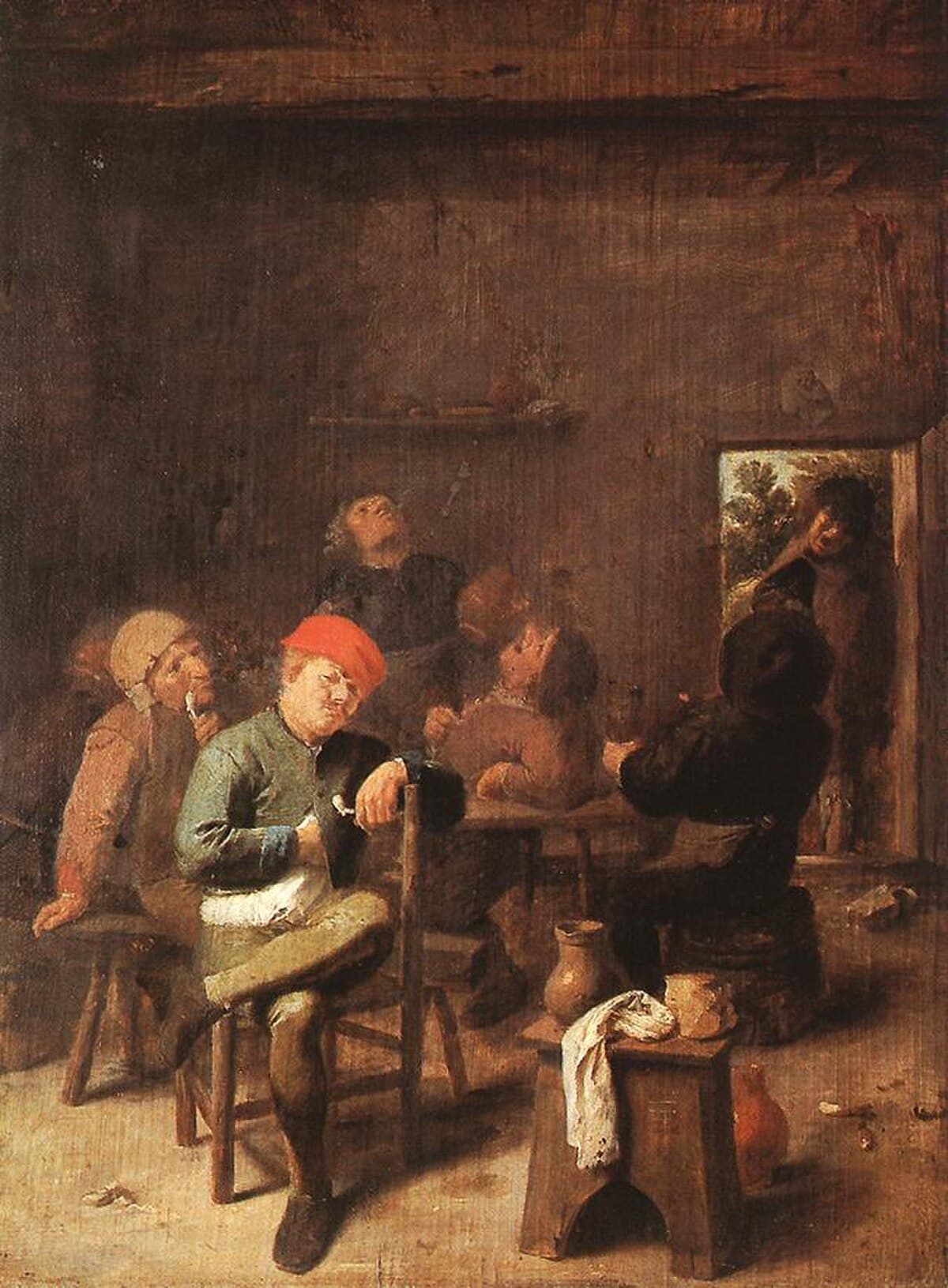
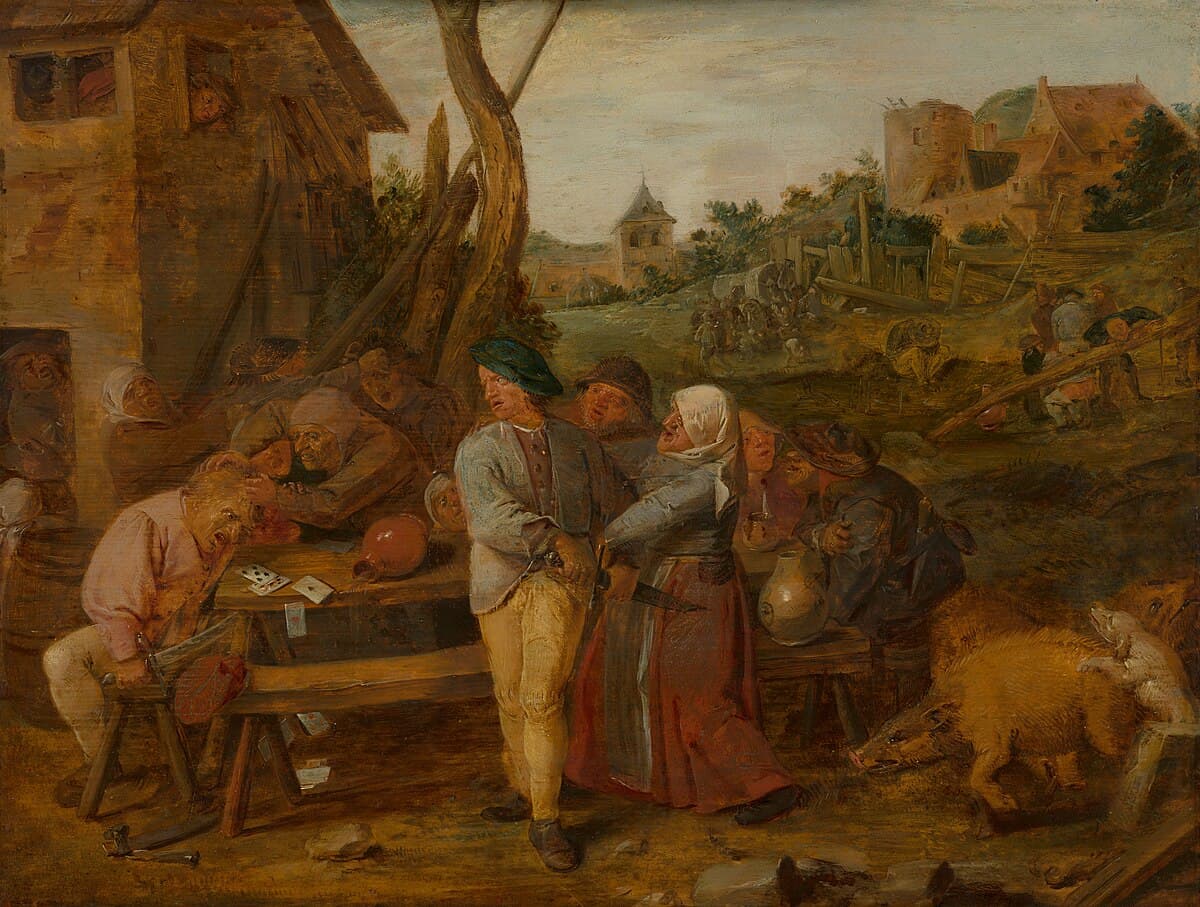
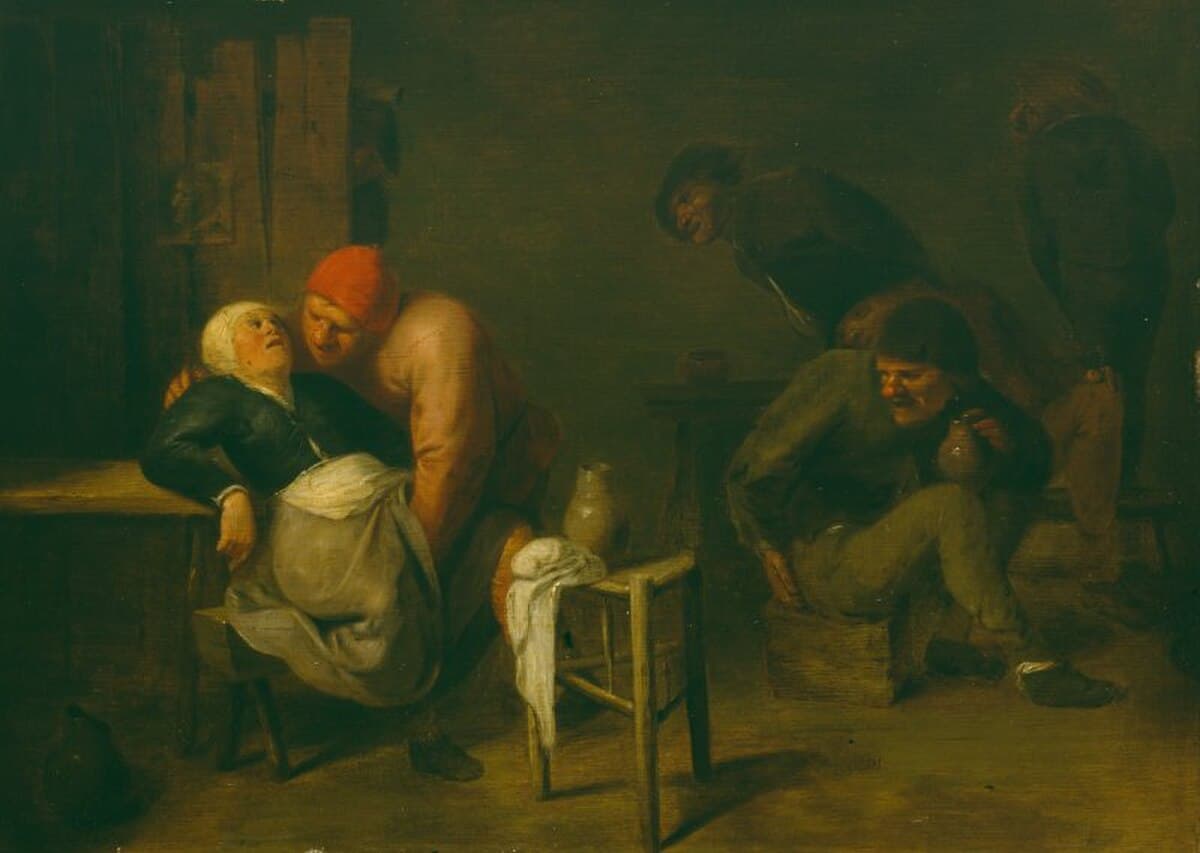
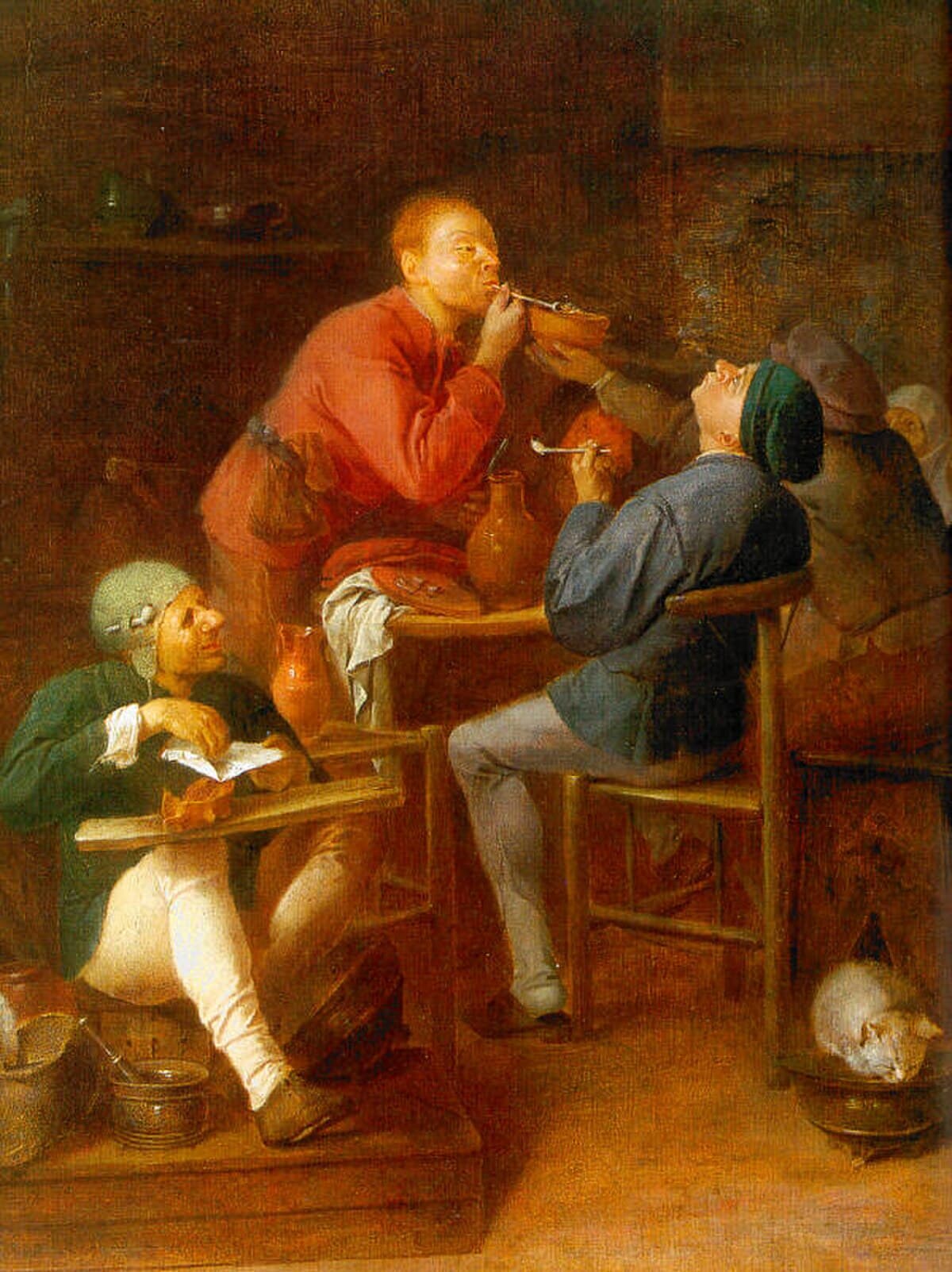
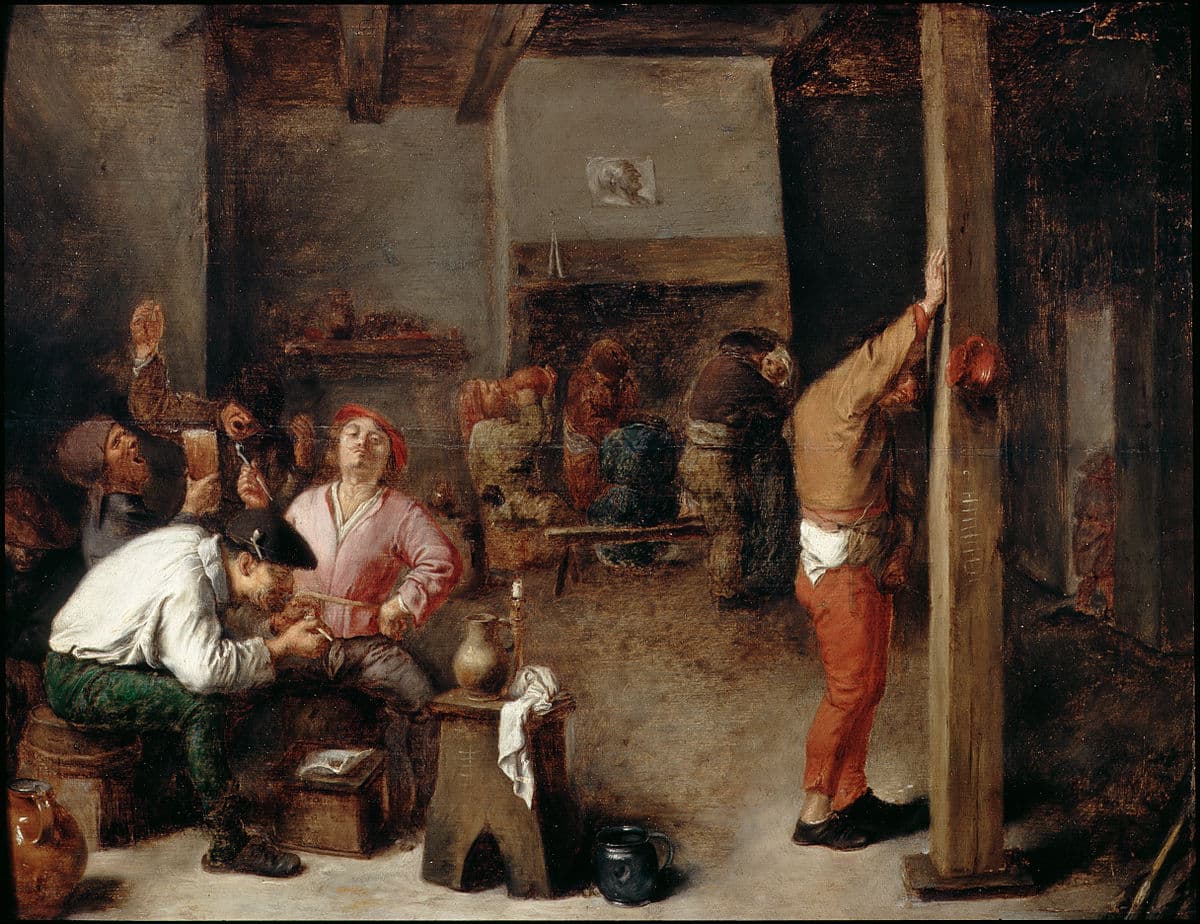
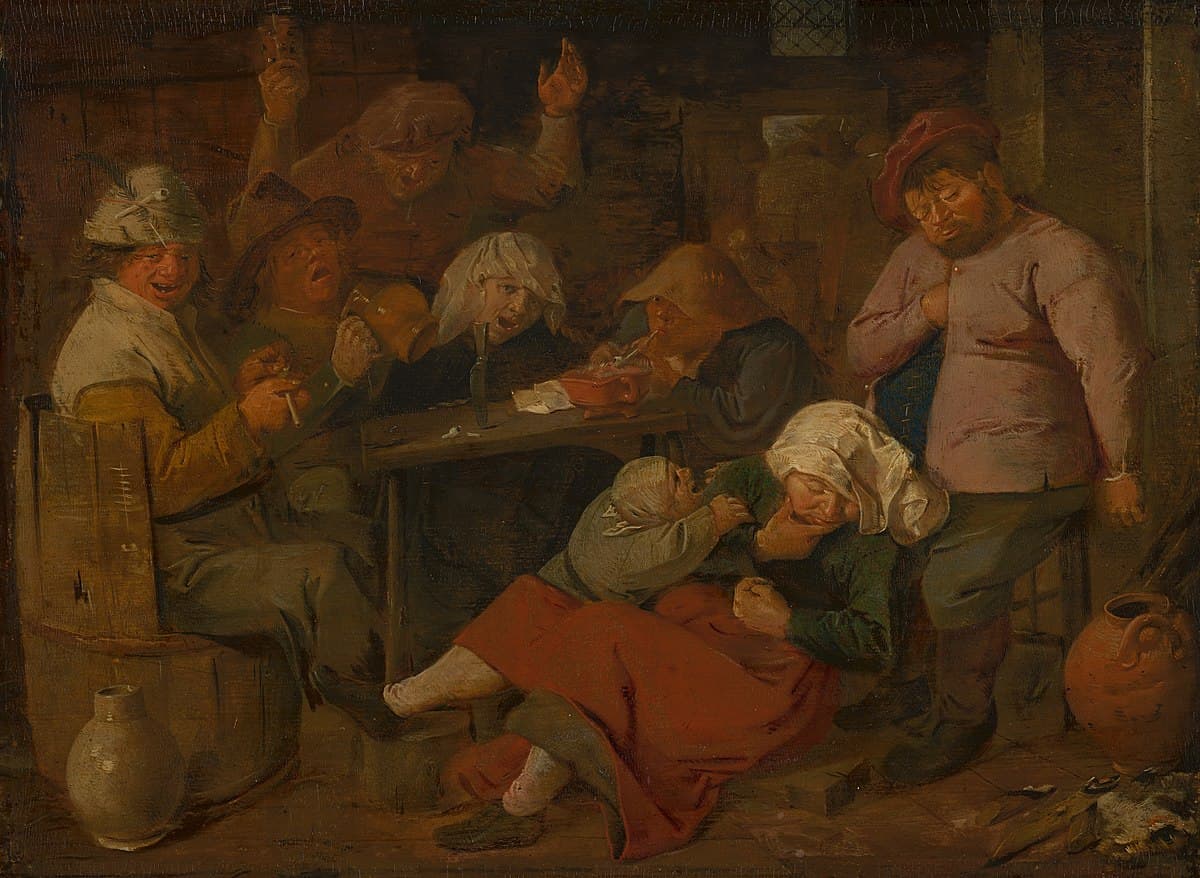
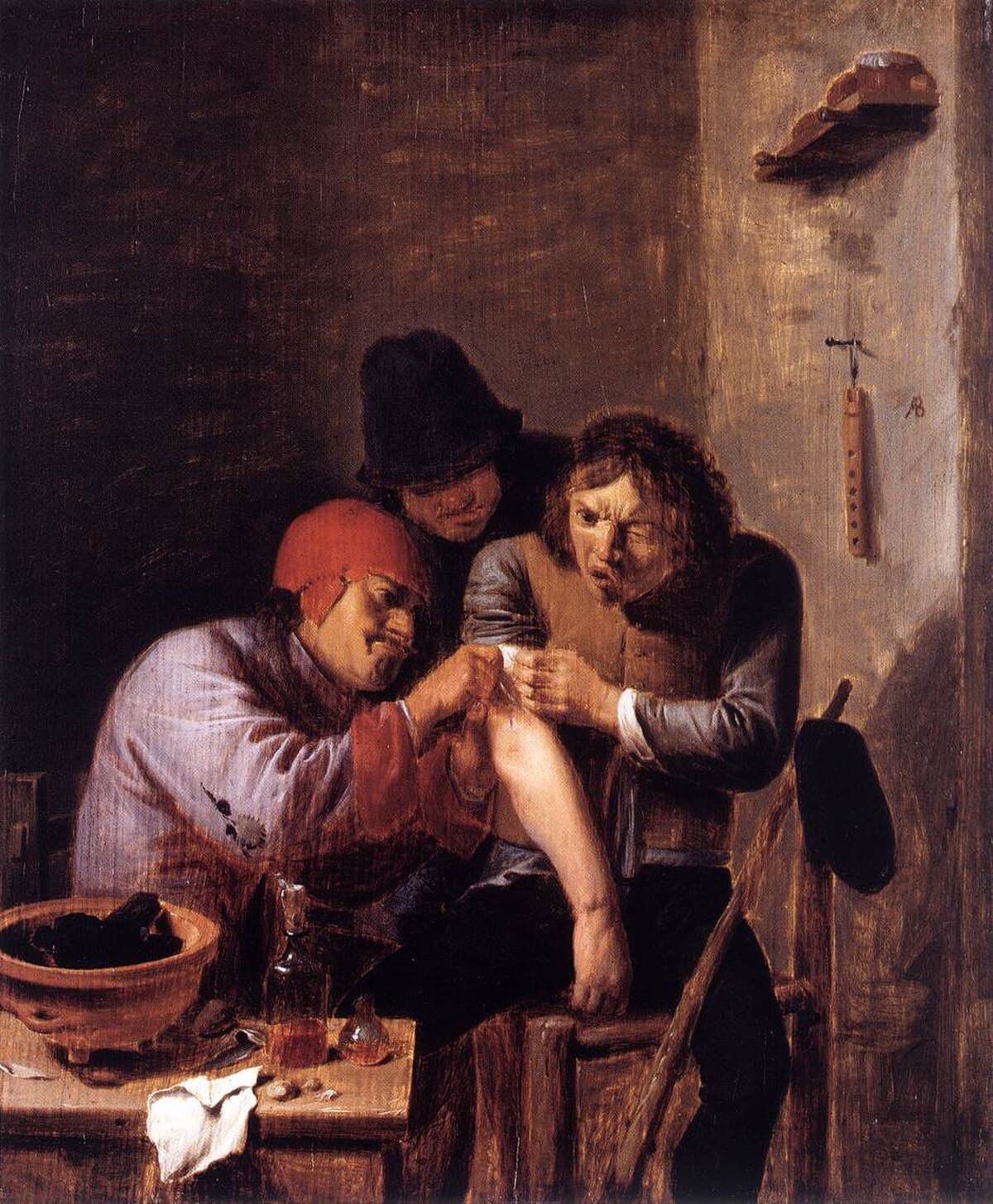
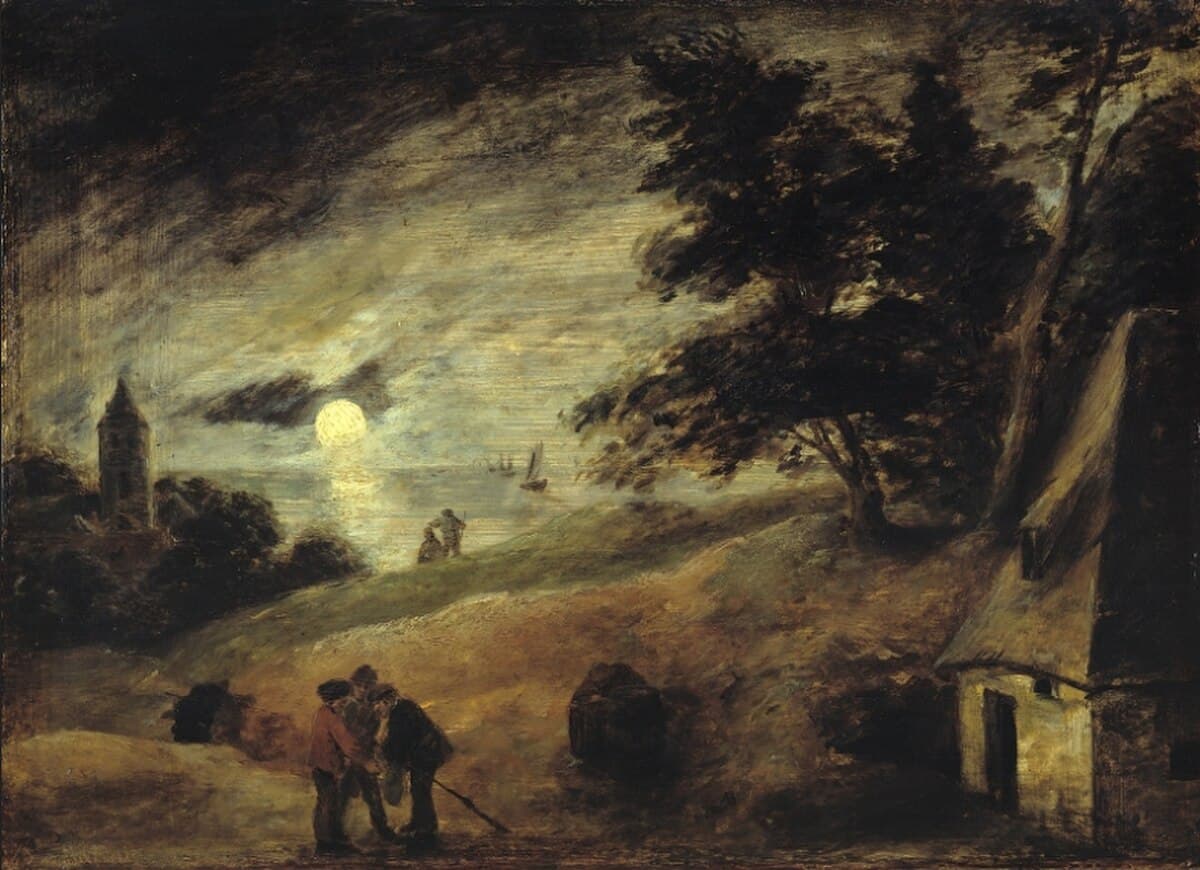
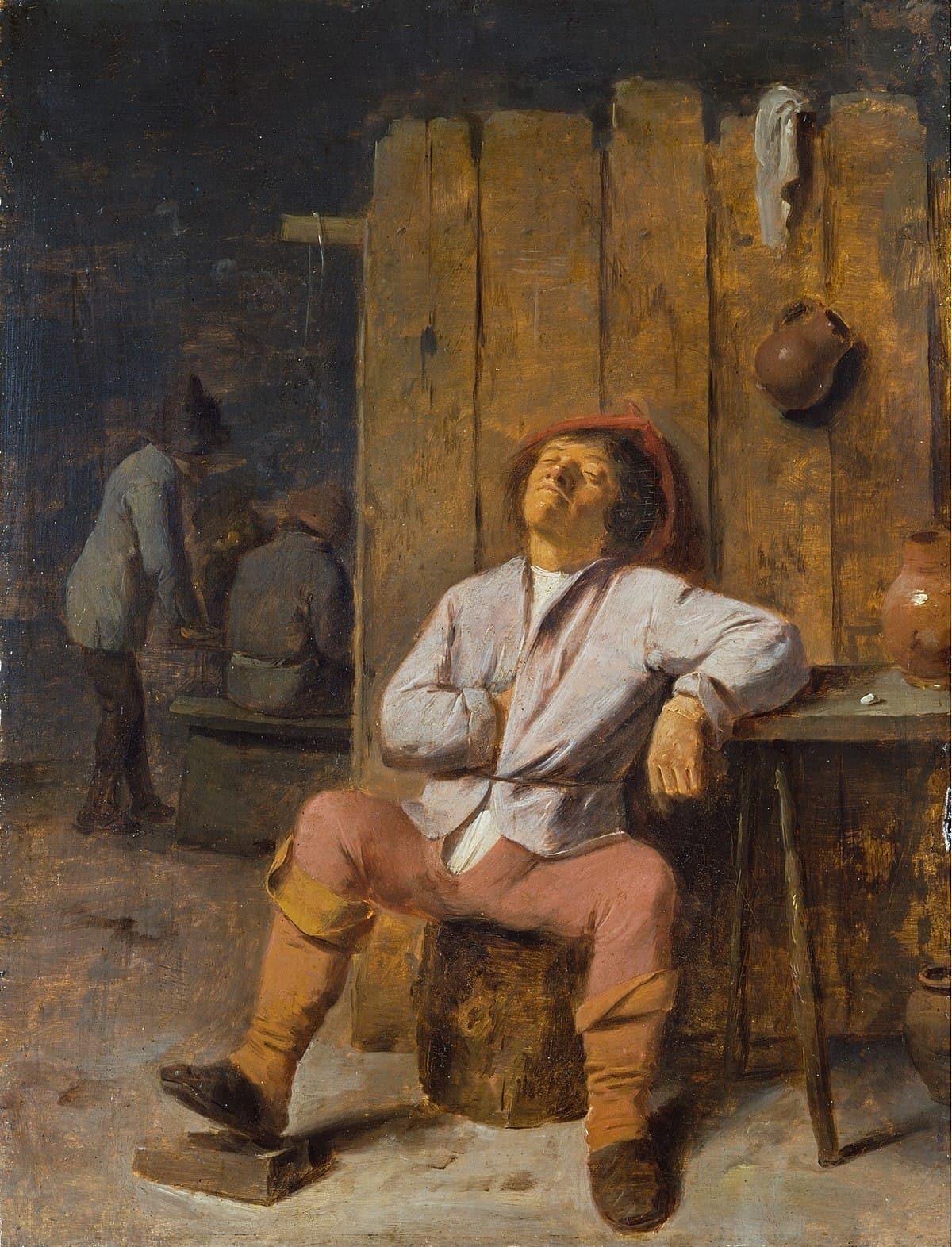
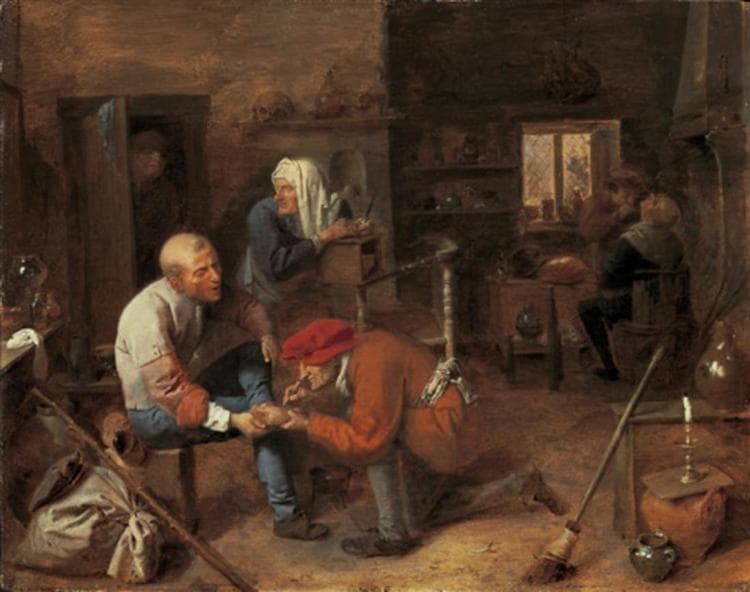
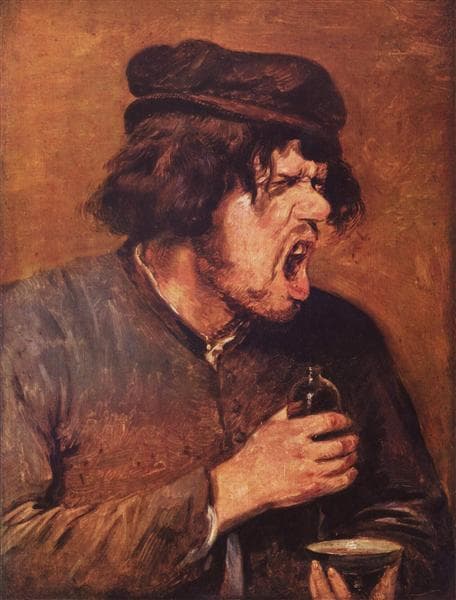
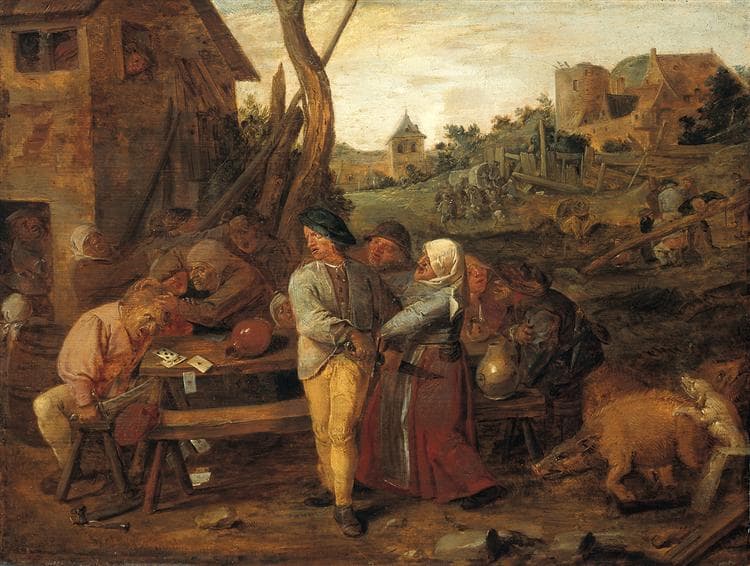
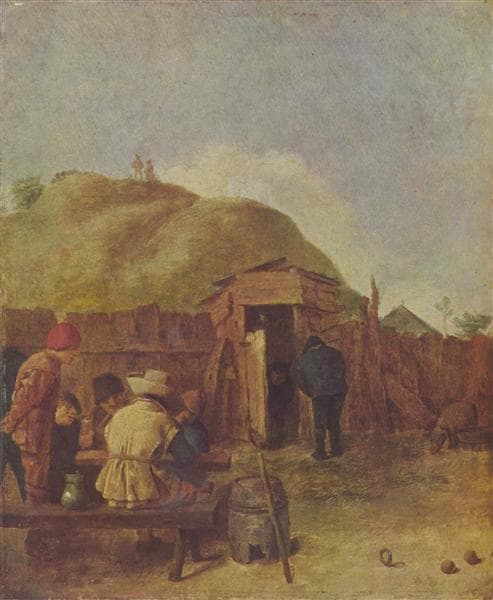
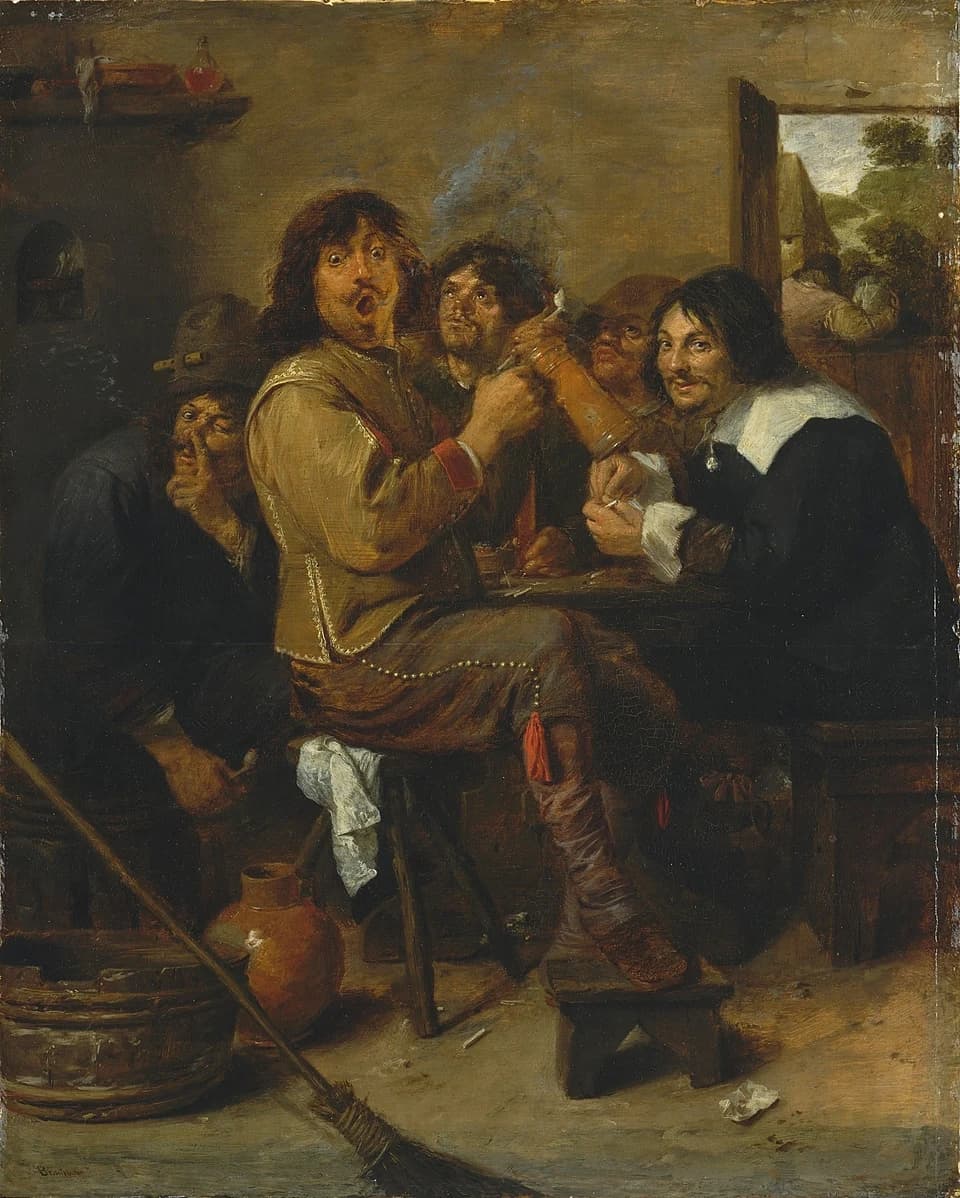
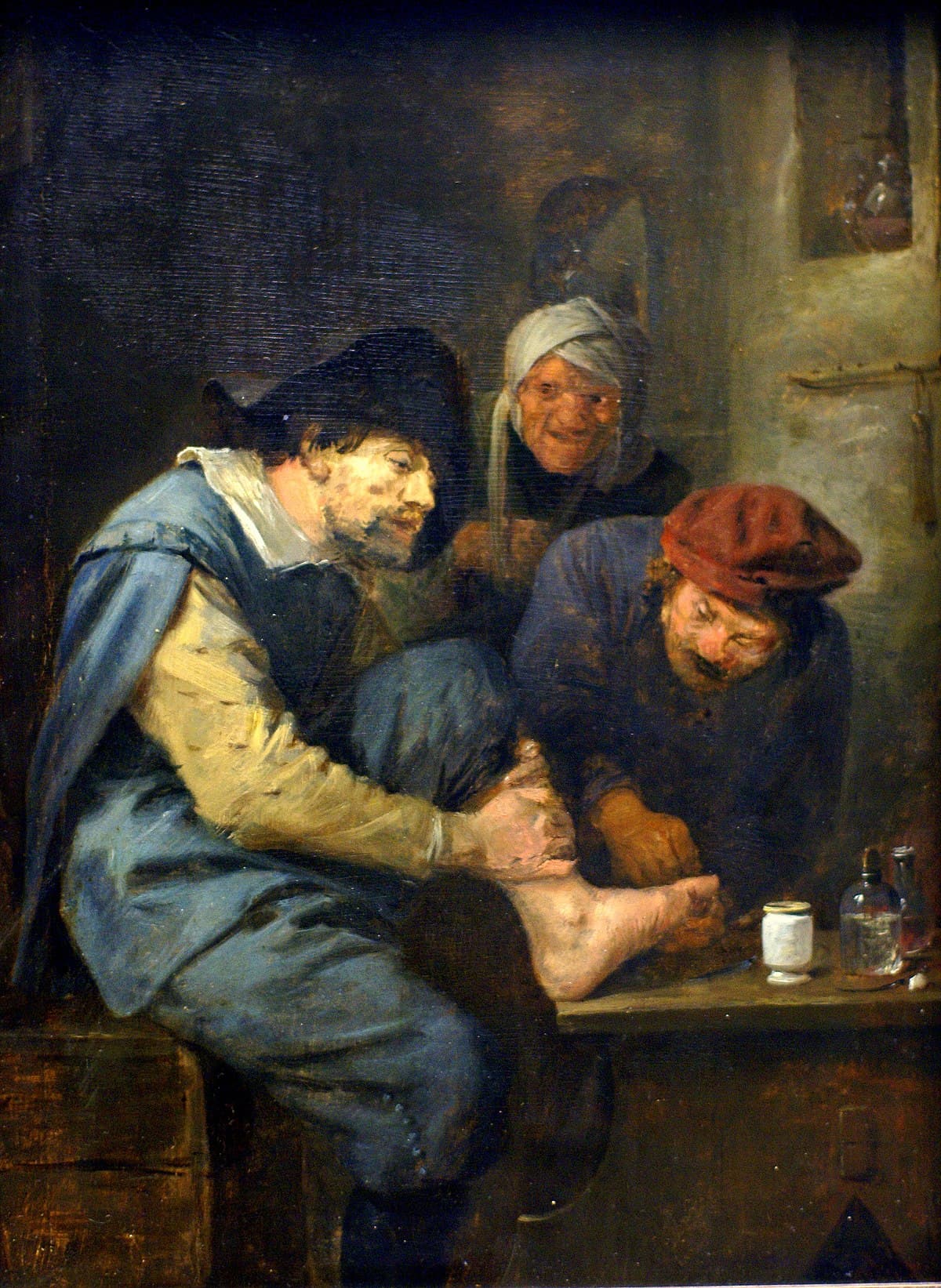
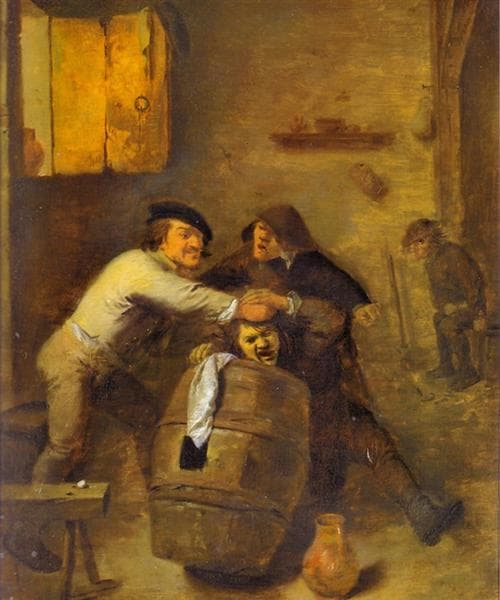
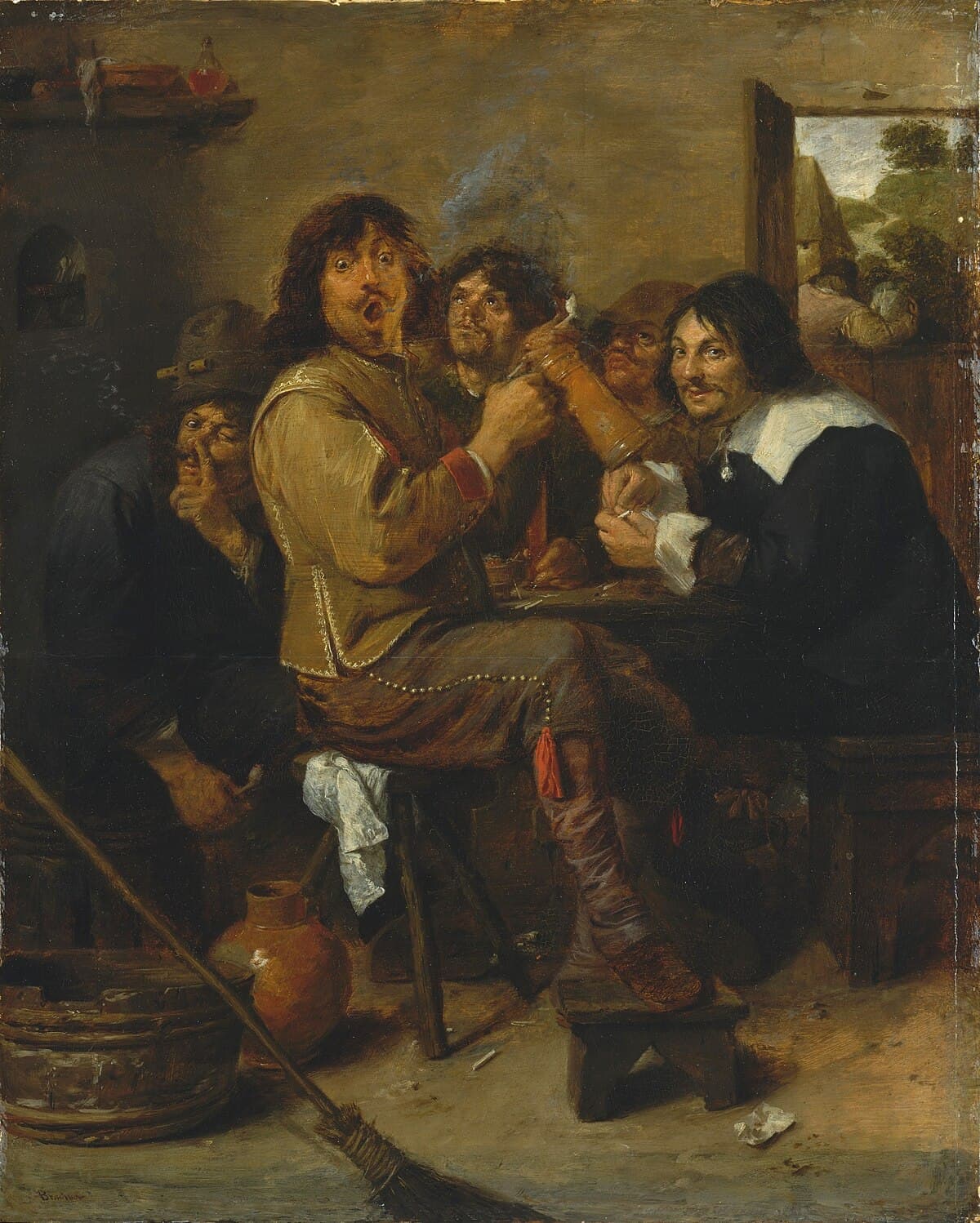
Flemish Baroque painter Adriaen Brouwer (1605-1638) created vivid depictions of peasants, soldiers, and tavern scenes with raw authenticity. His rough characters drinking, smoking, fighting, and playing cards influenced generations of genre painters. Despite his brief life, Brouwer developed a refined technique using precise brushstrokes in transparent layers to render expressions with psychological acuity. He pioneered the "tronie" tradition of expressive head studies and painted innovative landscape studies that prefigured later Dutch masters.
Born in Flanders, Brouwer worked in Haarlem and Amsterdam from 1625-1631, likely knowing Frans Hals. He returned to Antwerp in 1631, joining the Guild of St. Luke. Both Rubens and Rembrandt avidly collected his work: Rubens owned 17 Brouwer paintings at death, while Rembrandt owned six paintings and many drawings. This enthusiasm from two masters demonstrates his standing among contemporaries. Brouwer died of plague at just 32, yet only about 60 paintings survive. His influence extended to David Teniers the Younger, Adriaen van Ostade, and later genre painters. Works hang in the Alte Pinakothek, Metropolitan Museum of Art, and other major collections.
Notable Works by Adriaen Brouwer
30 paintings catalogued with museum locations
Museums with Adriaen Brouwer's Work
16 museums display Brouwer's works. Click any museum to see visiting info and the specific works they hold.

About Adriaen Brouwer
Brouwer specialized in tavern scenes showing peasants drinking, smoking, fighting, and playing cards in rough country inns. His raw, unidealized depictions of lower-class life influenced Baroque genre painting across Europe, particularly in the Netherlands.
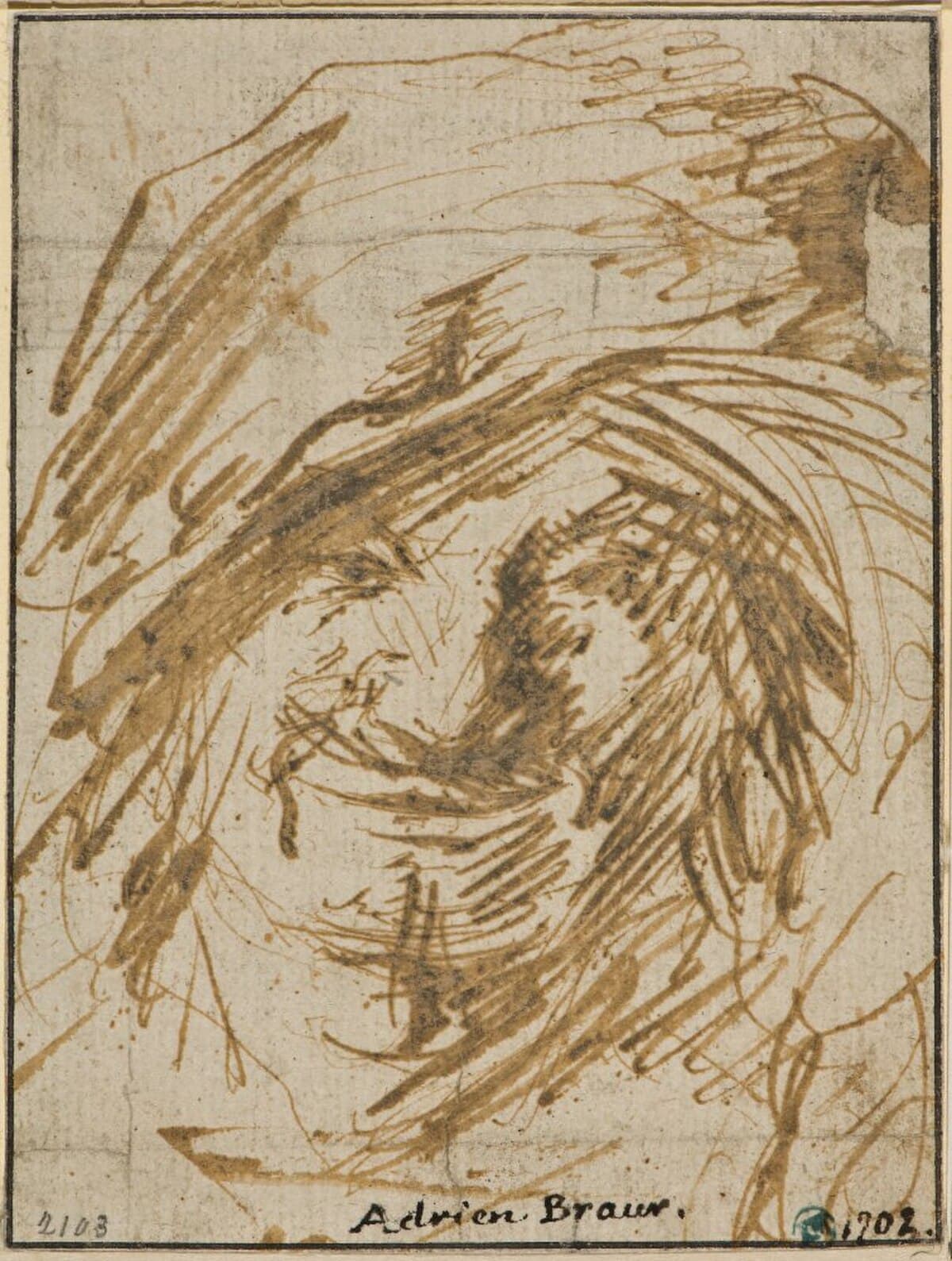
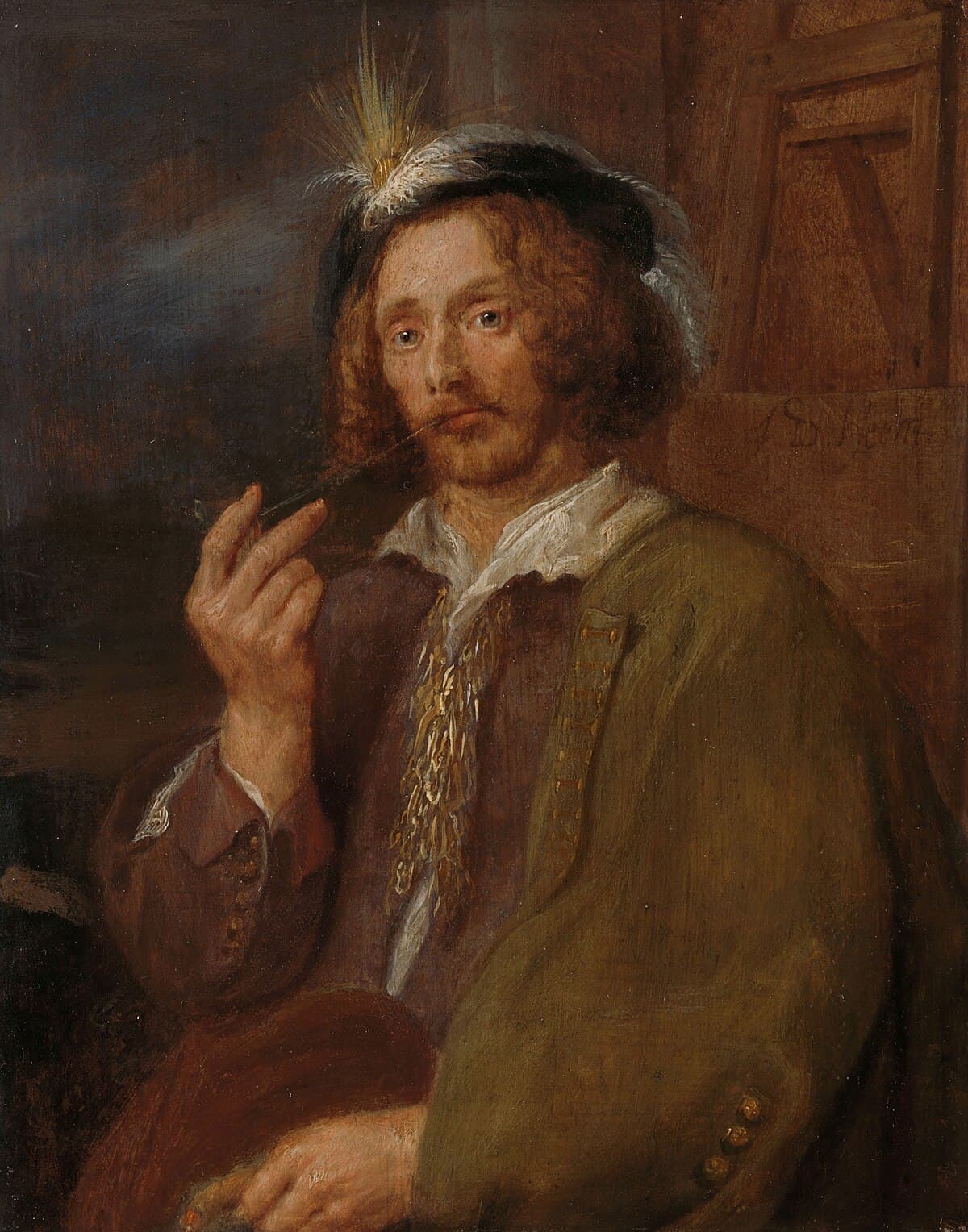
Both Rubens and Rembrandt prized Brouwer's work. Rubens owned seventeen paintings at his death and painted Brouwer's portrait. Rembrandt owned six paintings and an album of drawings. This collector interest from two giants proves Brouwer's standing among contemporaries.
Only about sixty paintings are attributed to Brouwer today. His brief career (he died at 32, likely from plague) limited his output, making surviving works rare and valuable. Museums often display his small genre scenes prominently despite their modest size.
Major collections are at the Alte Pinakothek in Munich, the Metropolitan Museum in New York, the Royal Museum of Fine Arts in Antwerp, and the Prado in Madrid. Munich holds the largest group of his tavern scenes.
Brouwer influenced David Teniers the Younger, Adriaen van Ostade, and generations of Dutch Golden Age genre painters. His loose brushwork and psychological observation of peasant life established conventions that shaped genre painting for the next century.
Love Adriaen Brouwer's Style?
Explore art inspired by their style.
Browse Collection