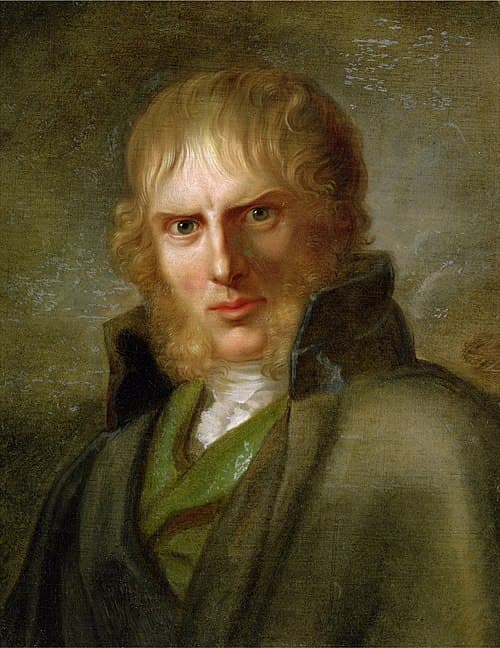
Atkinson Grimshaw
British·1836–1893
No Portrait Available
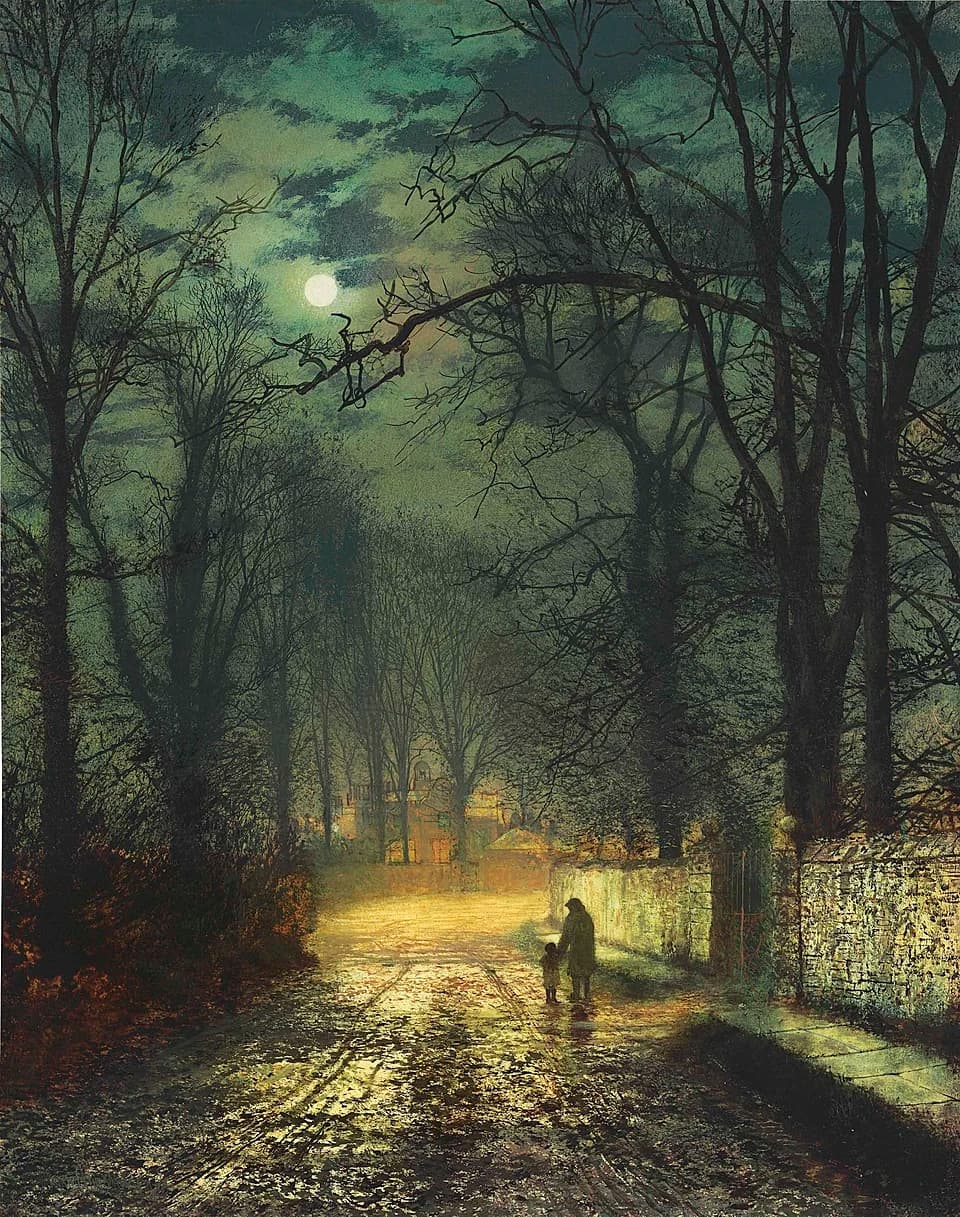
John Atkinson Grimshaw (1836–1893) became Victorian England's poet of moonlight. Born in Leeds to strict Baptist parents who considered painting foolish, he worked as a railway clerk until age twenty-four. In 1861, he quit to become a painter, teaching himself by studying Pre-Raphaelite techniques and using photographs and camera obscura to achieve his distinctive precision.
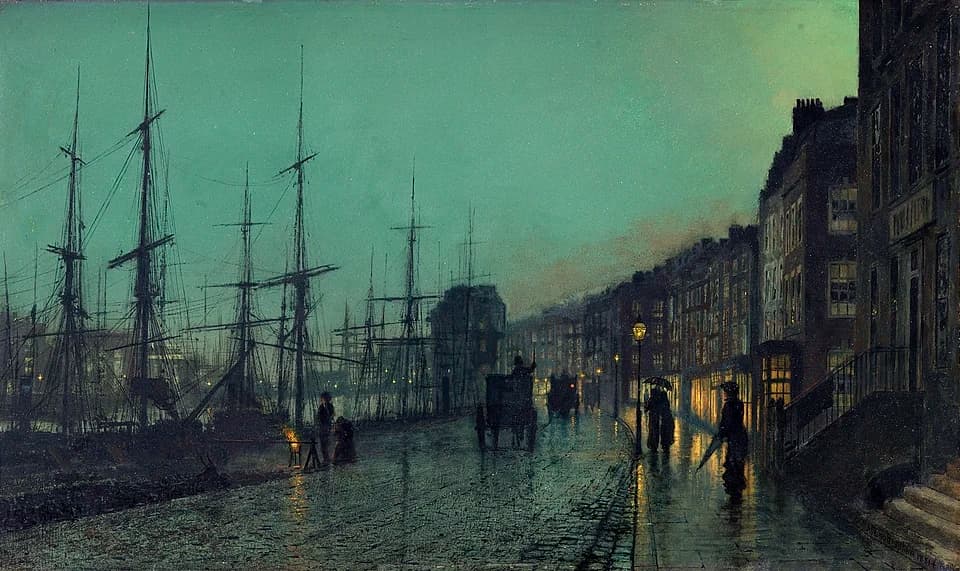
His breakthrough came with Whitby Harbour by Moonlight (1867), establishing his signature style: nocturnal urban scenes with wet cobblestones reflecting gaslight, bare trees silhouetted against twilight skies, and figures with umbrellas moving through atmospheric streets. He painted the docks of London, Liverpool, Glasgow, and Hull, capturing industrial England with unexpected poetry. His Romantic sensibility transformed ordinary streets into places of mystery.
Success came in the 1870s. He bought Knostrop Old Hall and rented a second home in Scarborough. In the 1880s, he maintained a London studio near James McNeill Whistler, who remarked: "I considered myself the inventor of Nocturnes until I saw Grimmy's moonlit pictures." Four of his children became painters. Grimshaw died at fifty-seven and was largely forgotten until a 20th-century revival. His work now appears at Tate Britain and the Leeds Art Gallery, and his moonlit scenes remain among the most beloved images of Victorian Britain.
Notable Works by Atkinson Grimshaw
2 paintings catalogued with museum locations
Museums with Atkinson Grimshaw's Work
2 museums display Grimshaw's works. Click any museum to see visiting info and the specific works they hold.
Related Artists
Other Romanticism artists you might like
About Atkinson Grimshaw
Grimshaw specialized in nocturnal urban scenes: moonlit streets with wet cobblestones reflecting gaslight, figures hurrying through fog, and the melancholy atmosphere of Victorian cities. He painted the docks of London, Liverpool, Leeds, and Glasgow with atmospheric precision.
His work is displayed at Tate Britain in London, Leeds Art Gallery (his hometown holds the largest public collection), and the Guildhall Art Gallery in London. Private collections hold many of his moonlight scenes.
Grimshaw worked in a Romantic style influenced by the Pre-Raphaelites, though his subject matter was thoroughly Victorian urban. His atmospheric nocturnes anticipated certain aspects of Impressionism in their treatment of light and weather effects.
After visiting Grimshaw's studio, Whistler reportedly said: "I considered myself the inventor of Nocturnes until I saw Grimmy's moonlit pictures." This generous praise from London's leading aesthete acknowledged Grimshaw's mastery of night scenes.
Yes, Grimshaw was entirely self-taught after leaving his clerk position to paint full-time. He used photographs and possibly a camera obscura to achieve precise perspectives, compensating for his lack of formal training with methodical observation and technical ingenuity.
Love Atkinson Grimshaw's Style?
Explore art inspired by Romanticism.
Browse Collection