John Martin
British·1789–1854
No Portrait Available
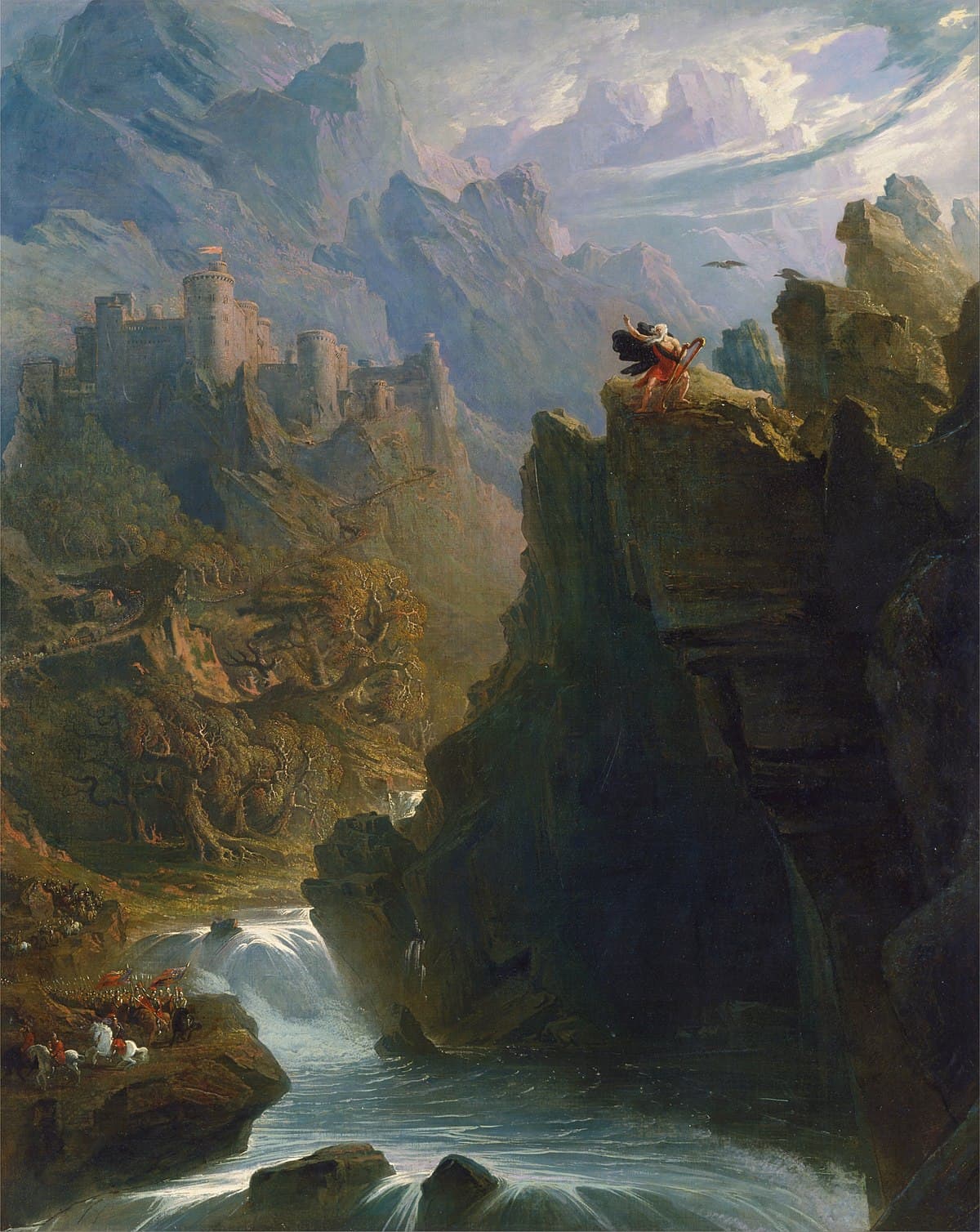
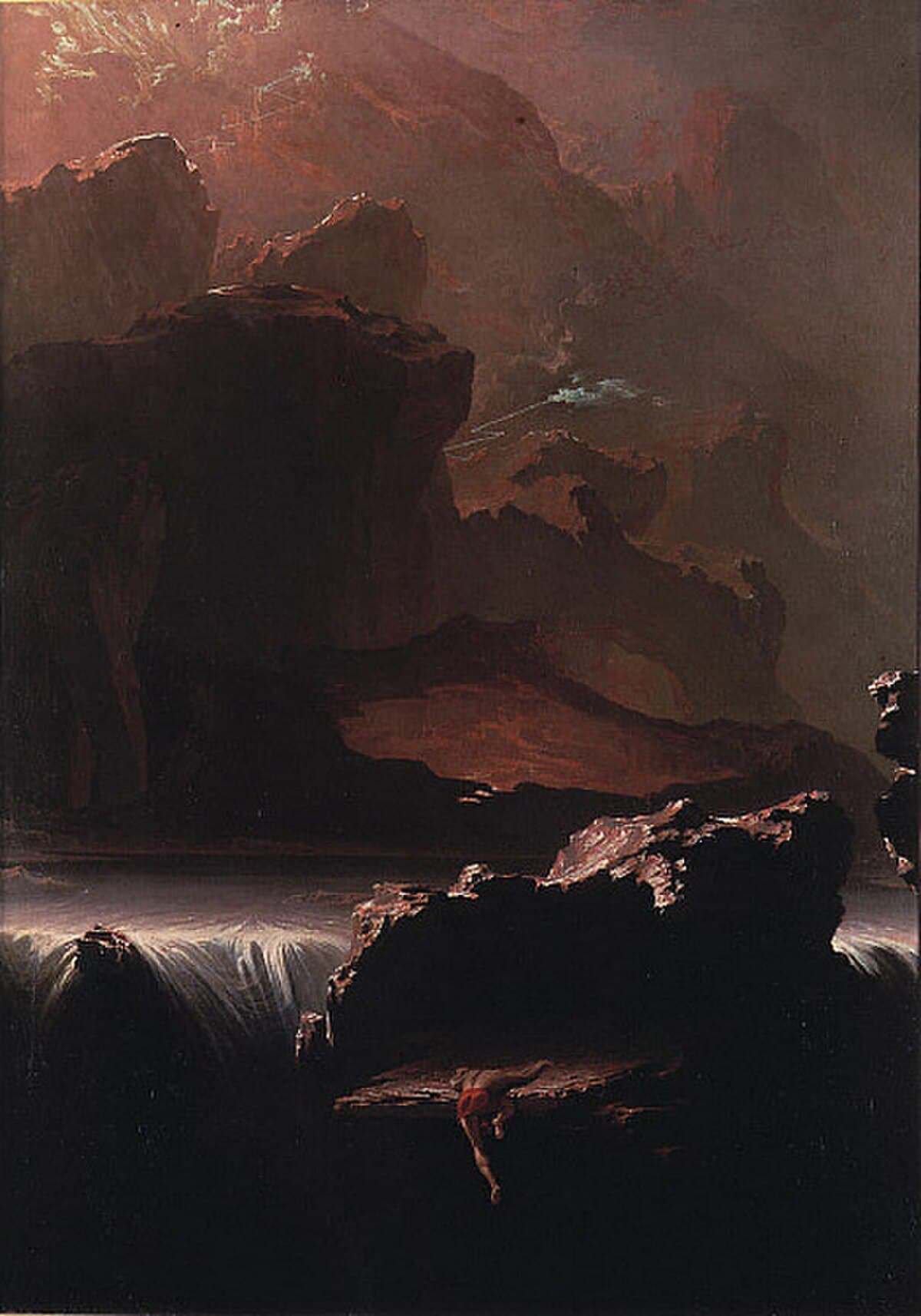
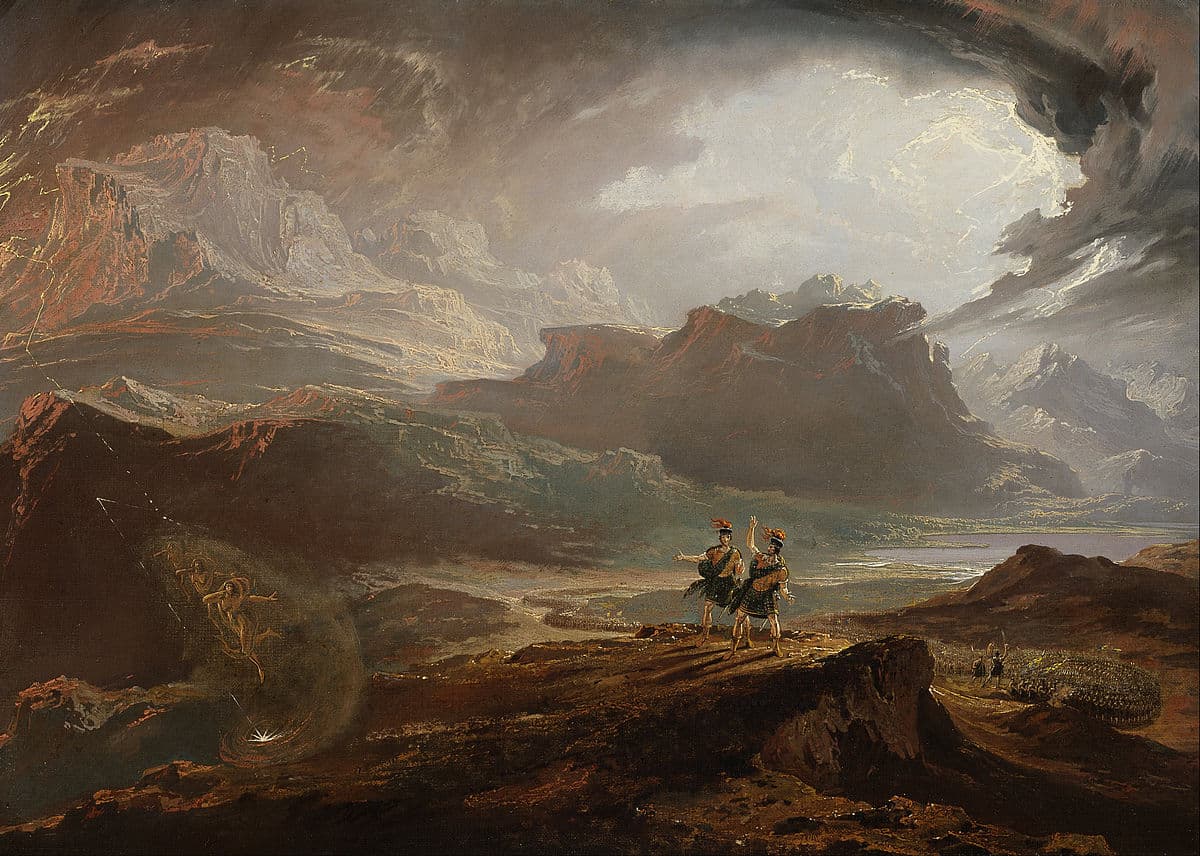
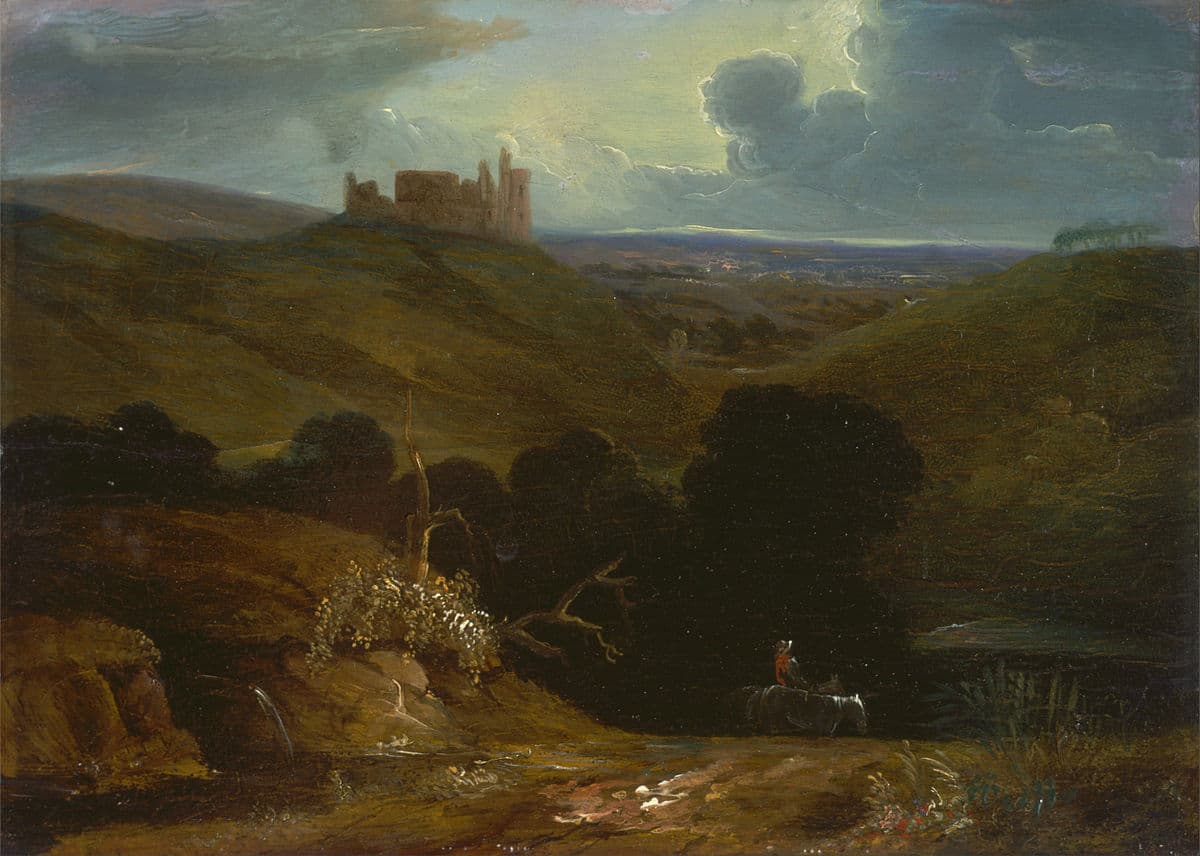
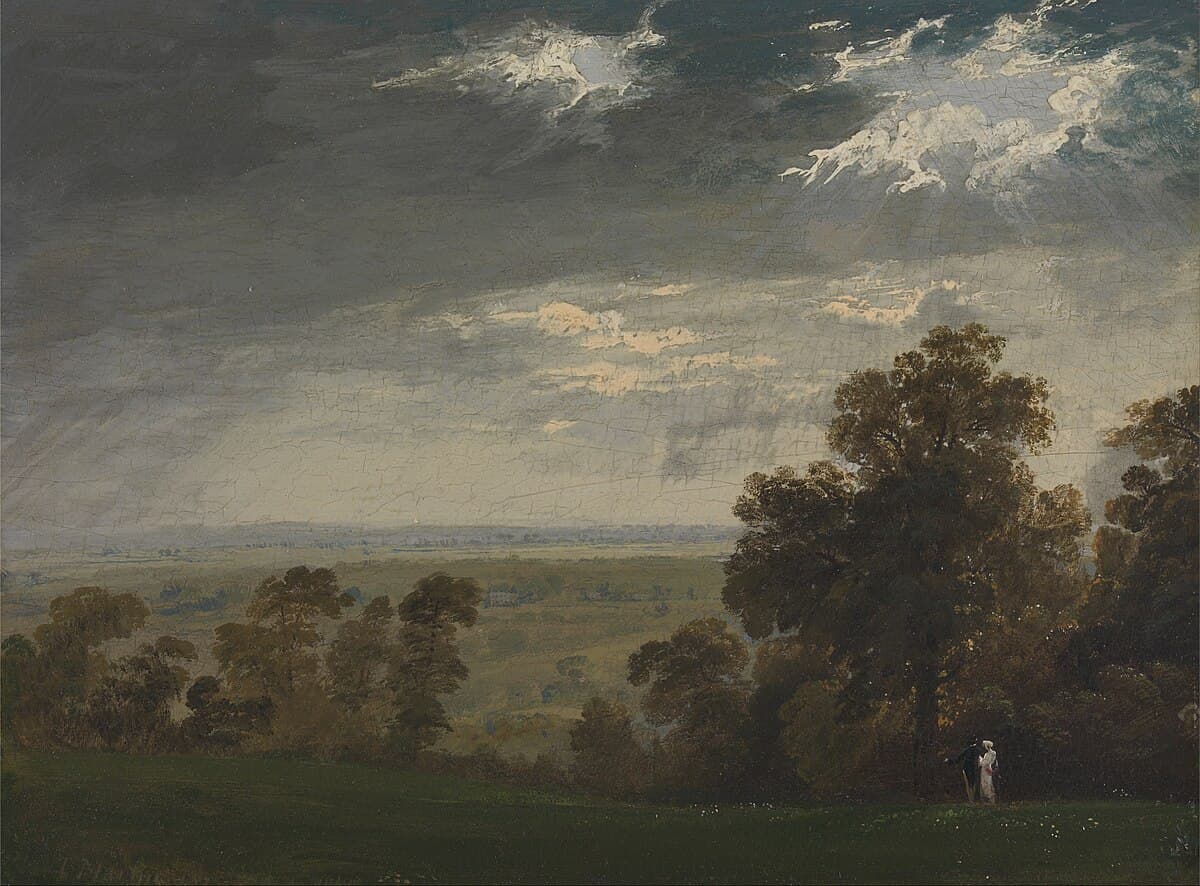
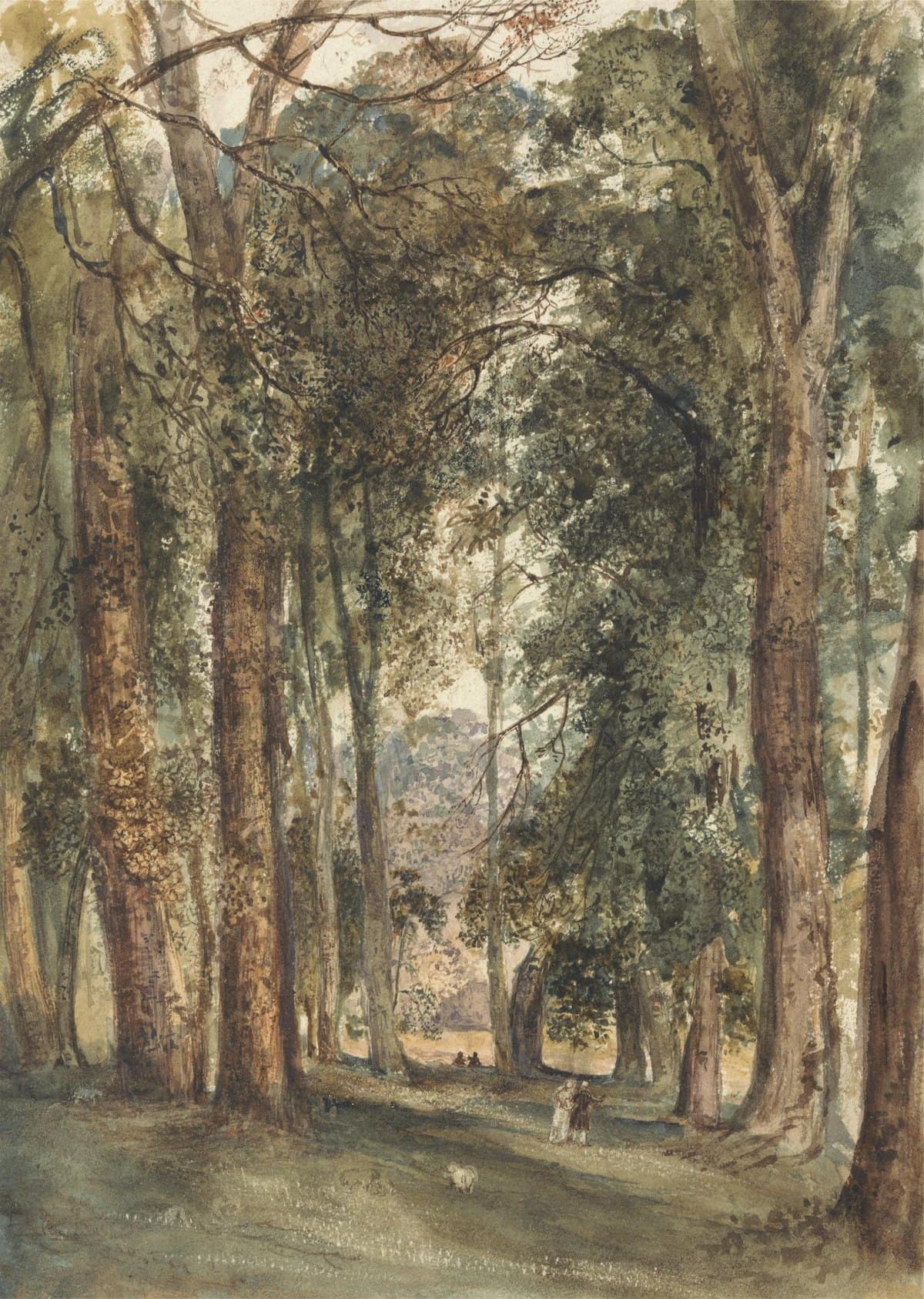
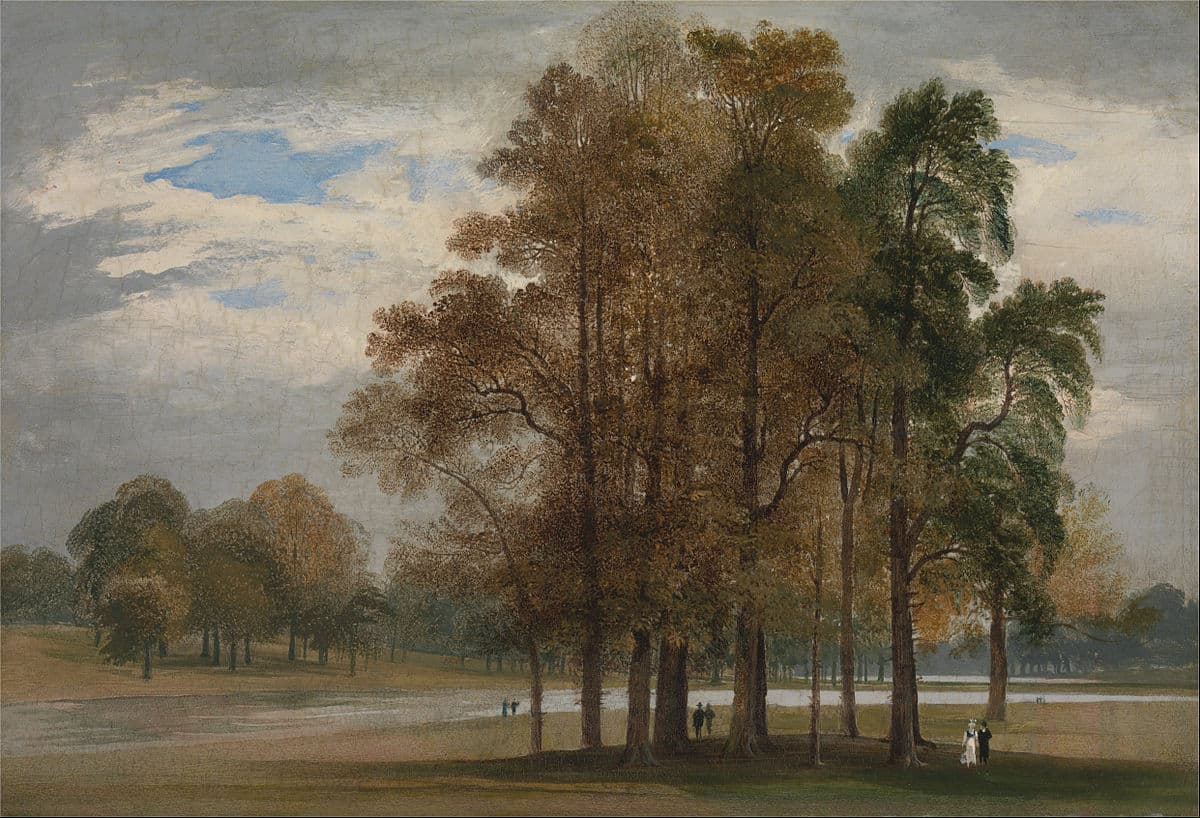
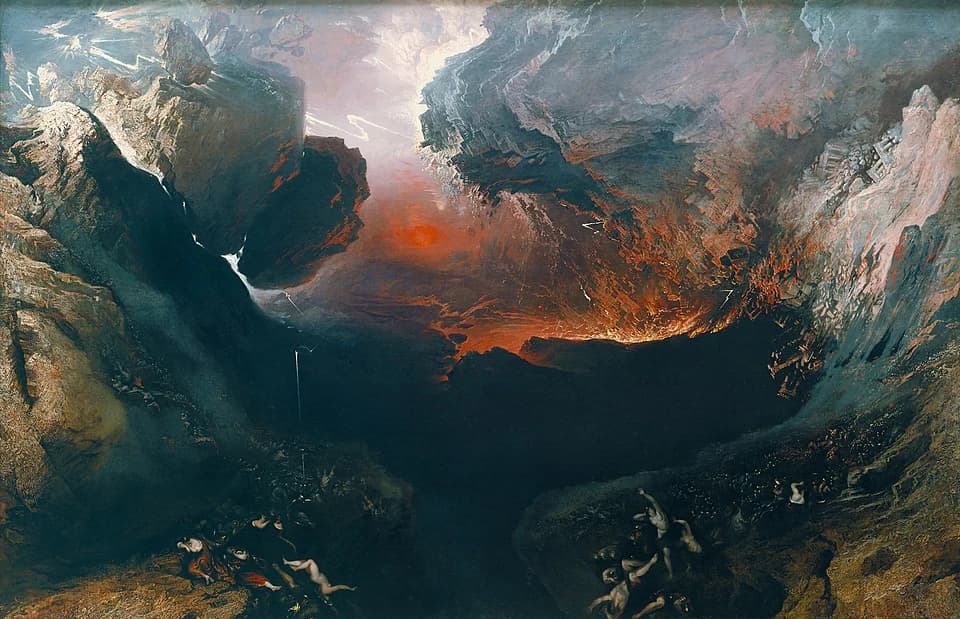
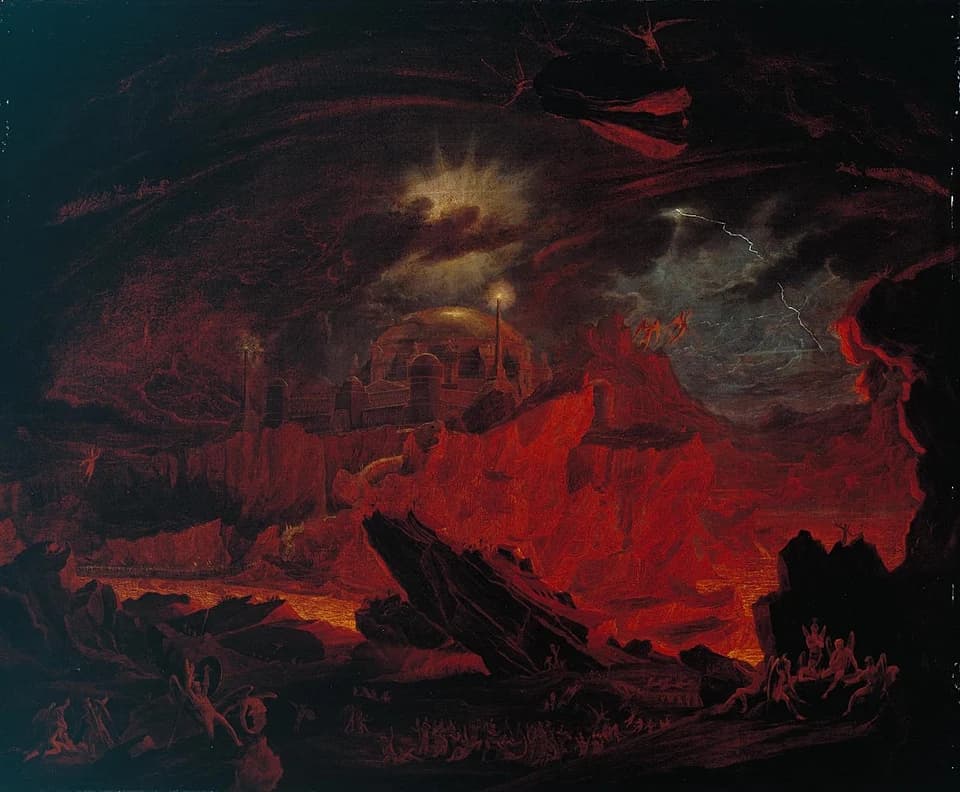
English Romantic painter John Martin (1789-1854) created apocalyptic landscapes of overwhelming scale and drama. Born in a one-room cottage in Northumberland, he was apprenticed to a coachbuilder in Newcastle before moving to London. His landscapes show the ruggedness of Northumberland crags, while his apocalyptic canvases reflect familiarity with the forges and ironworks of the Tyne Valley. Thomas Lawrence called him "the most popular painter of his day."
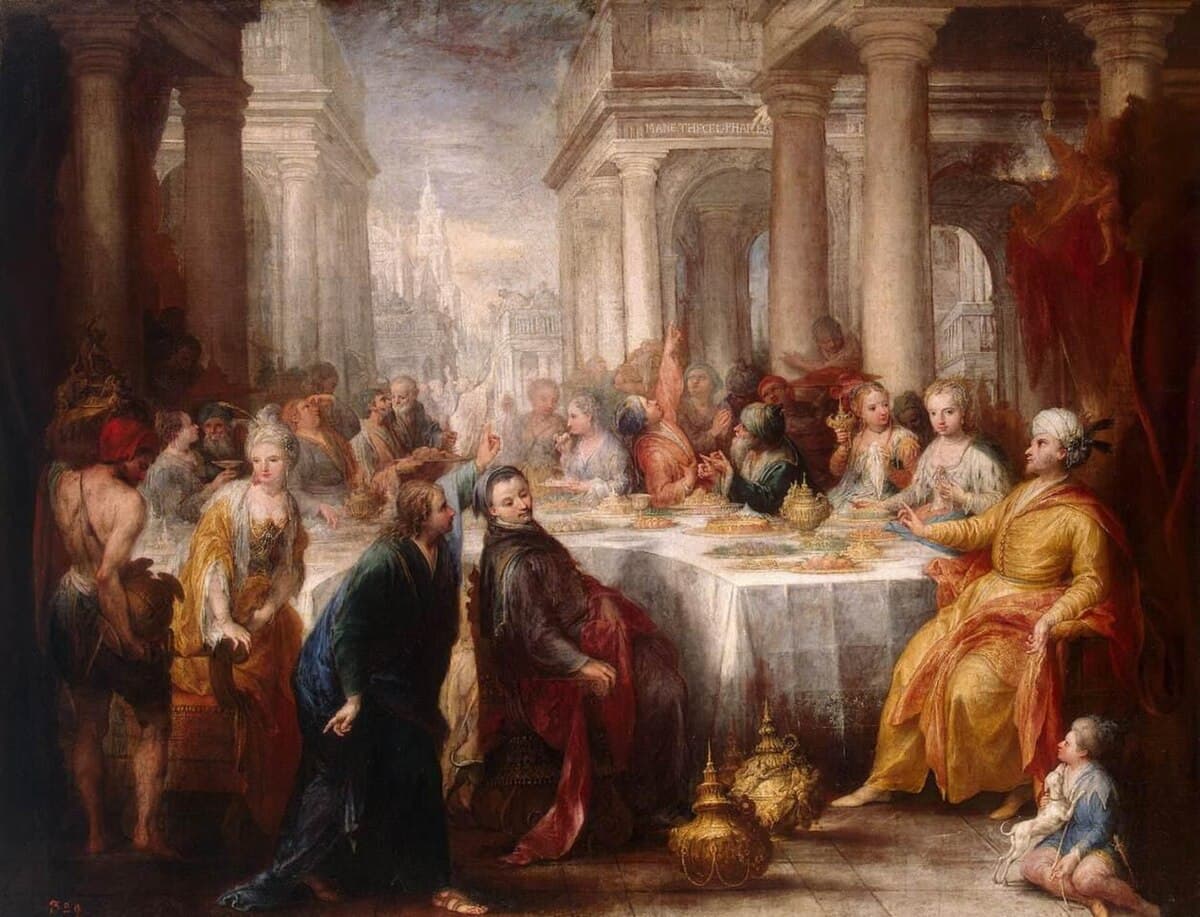
His triumph Belshazzar's Feast (1820) caused a sensation; five thousand people paid to see it. The painting's influence spread widely: a print hung in the Brontë parsonage in Haworth. D.W. Griffith's Intolerance (1916) and Cecil B. DeMille's biblical epics owe a debt to Martin's grand-scale destruction scenes. His final trilogy, The Last Judgement paintings (completed 1853), ranks among his greatest works. John Ruskin criticized his dramatic style, and his reputation declined after death until 20th-century revival. The Tate Britain holds his Last Judgement series, while Paradise Lost illustrations appear in collections worldwide.