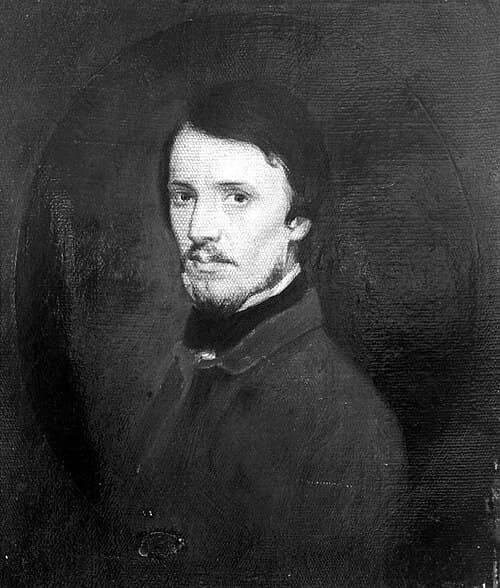
Worthington Whittredge
American·1820–1910

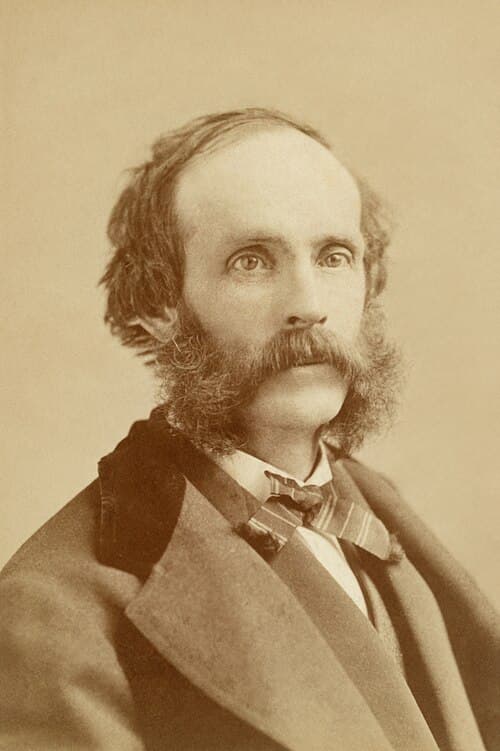
Hudson River School painter Worthington Whittredge (1820-1910) became one of the movement's most artistically experimental members, remaining critically admired long after the earlier style fell from fashion. Born in a log cabin on an Ohio farm, he began as a house and sign painter before graduating to portraits and landscapes around Cincinnati. In 1849, he traveled to Europe, settling at the Düsseldorf Academy where he posed for Emanuel Leutze's famous Washington Crossing the Delaware as both Washington and a steersman. He spent nearly ten years in Europe, meeting and traveling with fellow artists including Sanford Gifford.
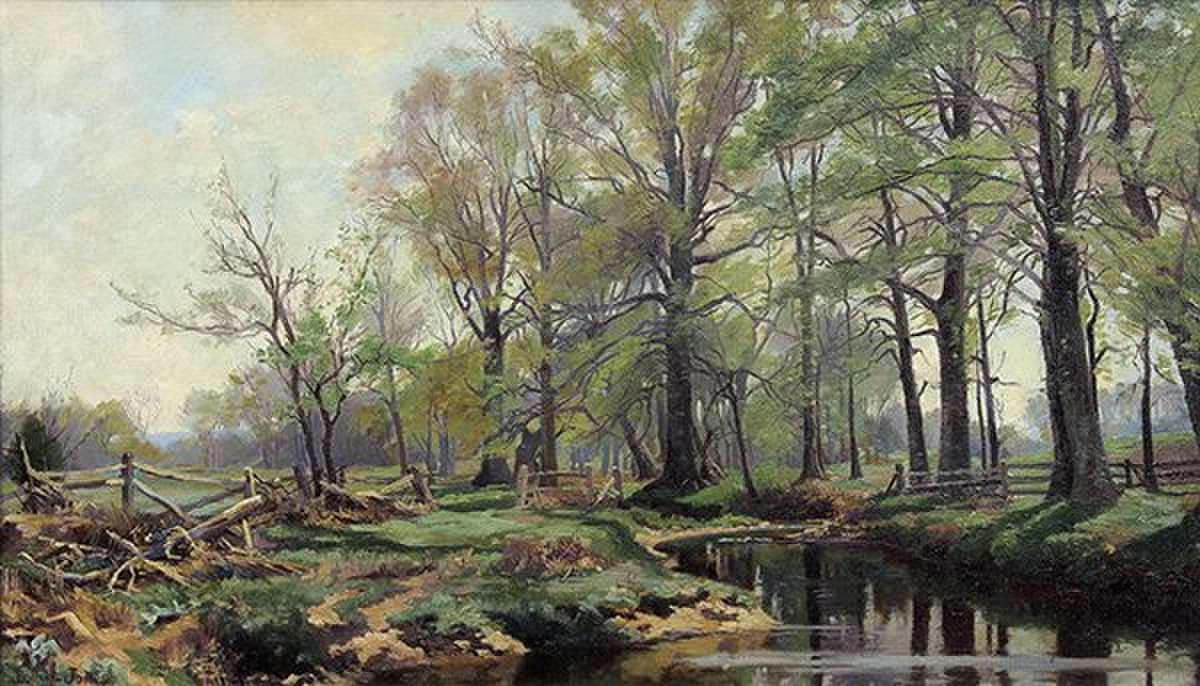
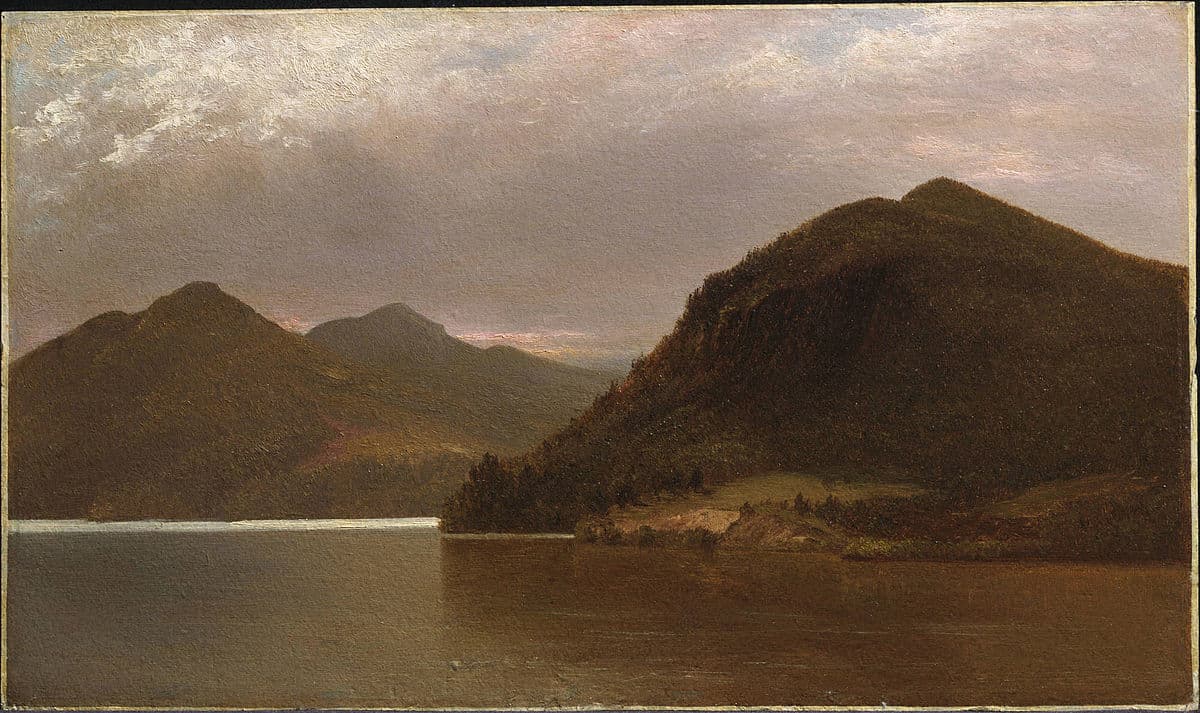
Returning to America in 1859, Whittredge settled in New York's Tenth Street Studio Building and launched his mature career. Unlike many Hudson River painters, his firsthand knowledge of European landscape painting made him receptive to Barbizon and Impressionist aesthetics. In 1865, he journeyed across the Great Plains to the Rocky Mountains with Gifford and John Frederick Kensett, producing spare, oblong landscape paintings that captured the stark linear horizon. His most characteristic works are poetic forest interiors with depths of feathery fern and leaf-filtered light. He served as president of the National Academy of Design from 1874-1875 and sat on selection committees for the 1876 Philadelphia Centennial and 1878 Paris Expositions. Works hang at the Metropolitan Museum of Art, the Smithsonian American Art Museum, and the National Gallery of Art. He continued painting until age 83 and died in 1910.
Notable Works by Worthington Whittredge
1 painting catalogued with museum locations
Museums with Worthington Whittredge's Work
1 museum displays Whittredge's works. Click any museum to see visiting info and the specific works they hold.
Related Artists
Other Hudson River School artists you might like
About Worthington Whittredge
Whittredge was a second-generation member of the Hudson River School, though his decade studying in Düsseldorf and Rome made him unusually receptive to European influences. His intimate landscapes show softer, more atmospheric qualities than earlier American painters.
Works hang at the Metropolitan Museum of Art, the Smithsonian American Art Museum, and the National Gallery of Art in Washington. The Cincinnati Art Museum holds important early works from his Ohio years.
Yes, in 1865 he journeyed to the Rocky Mountains with fellow artists Sanford Gifford and John Kensett. Unlike most Hudson River painters who dramatized Western scenery, Whittredge produced unusually spare, horizontal compositions of the Great Plains that emphasized vastness over spectacle.
While studying in Düsseldorf, Whittredge posed for Emanuel Leutze's famous 1851 painting. He served as model for both George Washington standing heroically and for a steersman in the boat. The experience connected him to America's most reproduced historical painting.
His signature works are forest interior scenes with depths of feathery ferns, mossy rocks, and leaf-filtered light. These intimate views of American woodland, particularly the Catskills and New England, capture a quiet poetry that distinguished him from the more dramatic nature painters of his era.
Love Worthington Whittredge's Style?
Explore art inspired by Hudson River School.
Browse Collection