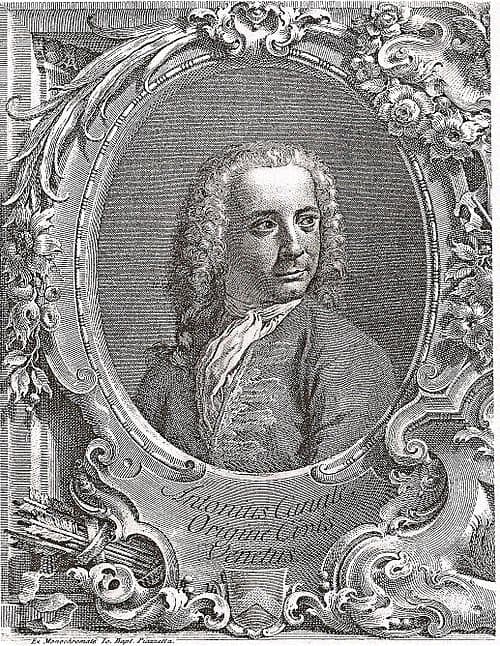
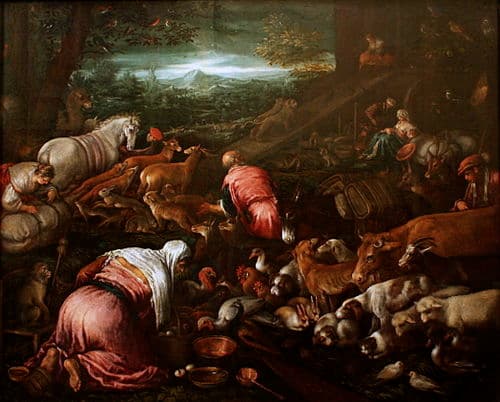
<p>The Venetian School developed alongside the Florentine and Roman branches of the Italian Renaissance but took a distinctly different path, one shaped by Venice's maritime trade, its unique quality of light reflected off the surrounding lagoon, and its access to pigments imported through its port. Where Florentine painters prized precise line and drawing, Venetian painters built their pictures through color and layered brushwork, often applying paint directly onto canvas rather than working out every detail in a preliminary drawing first.</p> <p><a href="/apps/masterpieces/artist/sebastiano-del-piombo"><strong>Sebastiano del Piombo</strong></a> trained in Venice before moving to Rome, carrying the school's rich color sense into his later portraits and religious works. <a href="/apps/masterpieces/artist/palma-vecchio"><strong>Palma Vecchio</strong></a> and <a href="/apps/masterpieces/artist/paris-bordone"><strong>Paris Bordone</strong></a> specialized in half-length female portraits and mythological subjects built around warm, glowing flesh tones, a hallmark of the Venetian approach to color. <a href="/apps/masterpieces/artist/jacopo-bassano"><strong>Jacopo Bassano</strong></a> worked from the nearby town of Bassano del Grappa, bringing rural genre detail into religious scenes. By the 18th century, the tradition had shifted from religious and mythological subjects toward the city itself, with <a href="/apps/masterpieces/artist/canaletto"><strong>Canaletto</strong></a> painting precise, light-filled views of the canals in works like <a href="/apps/masterpieces/art/grand-canal-canaletto"><strong>The Grand Canal and the Church of the Salute</strong></a> and <a href="/apps/masterpieces/art/bucintoro-molo"><strong>The Bucintoro at the Molo</strong></a>, made for wealthy tourists on the Grand Tour.</p>
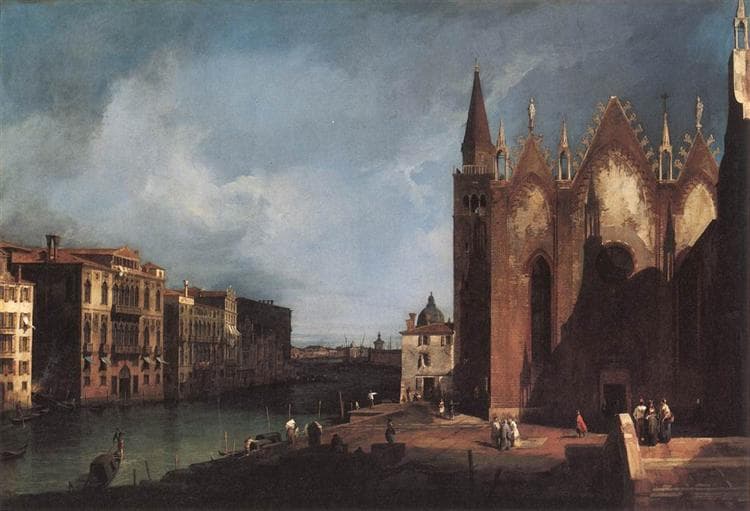
Canaletto
Private Collection, Unknown
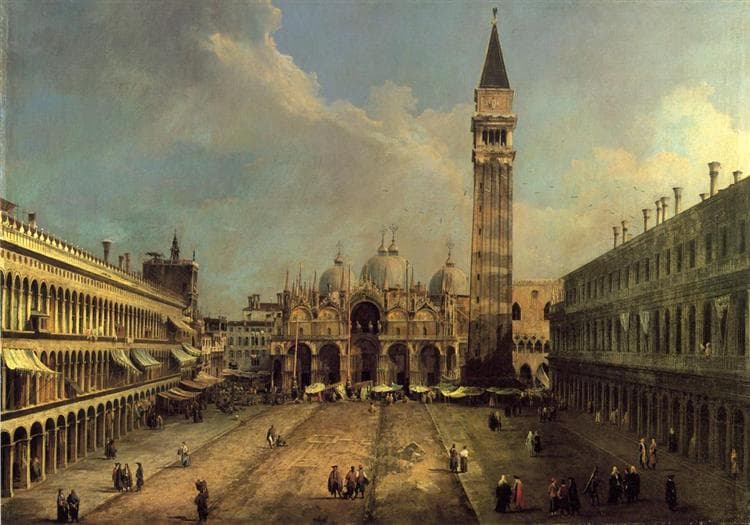
Canaletto
Thyssen-Bornemisza Museum, Madrid, Madrid
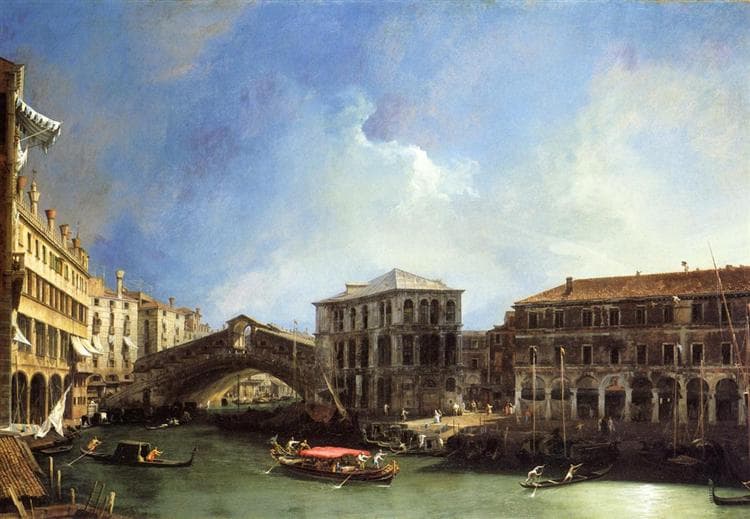
Canaletto
Pinacoteca Giovanni e Marella Agnelli, Turin, Turin
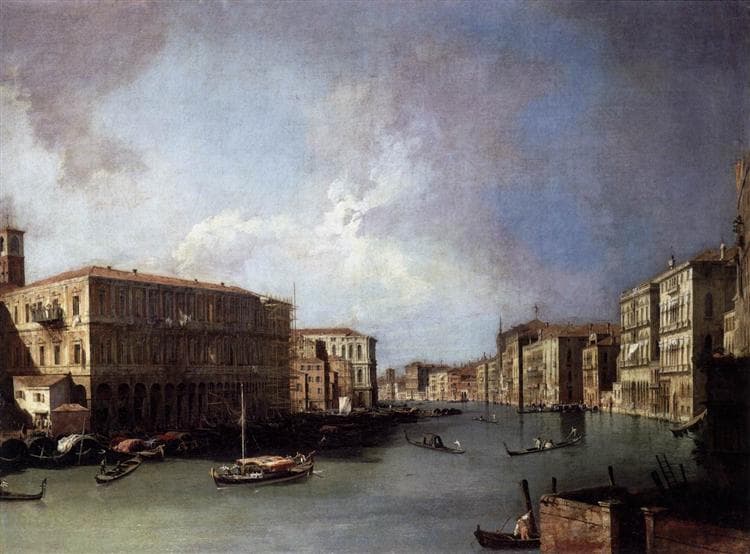
Canaletto
Gemäldegalerie Alte Meister, Dresden, Dresden
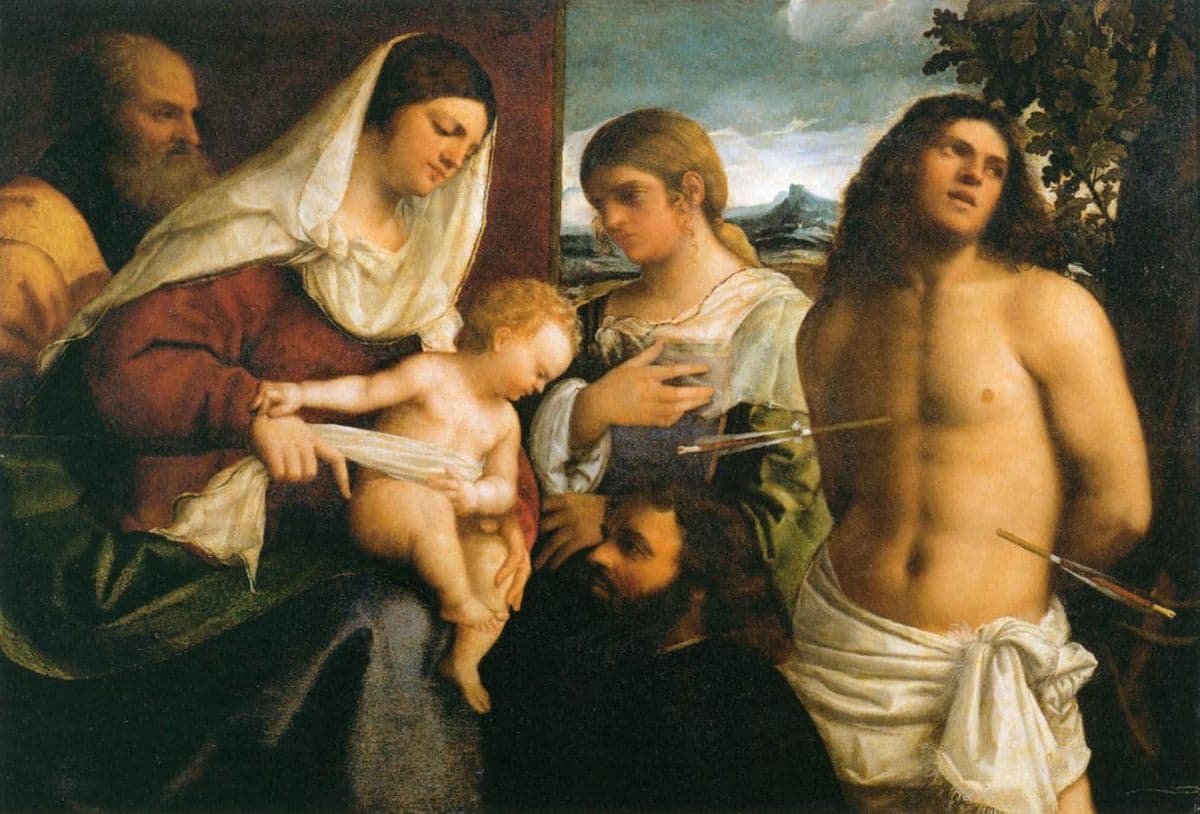
Sebastiano del Piombo
Louvre, Paris, Paris
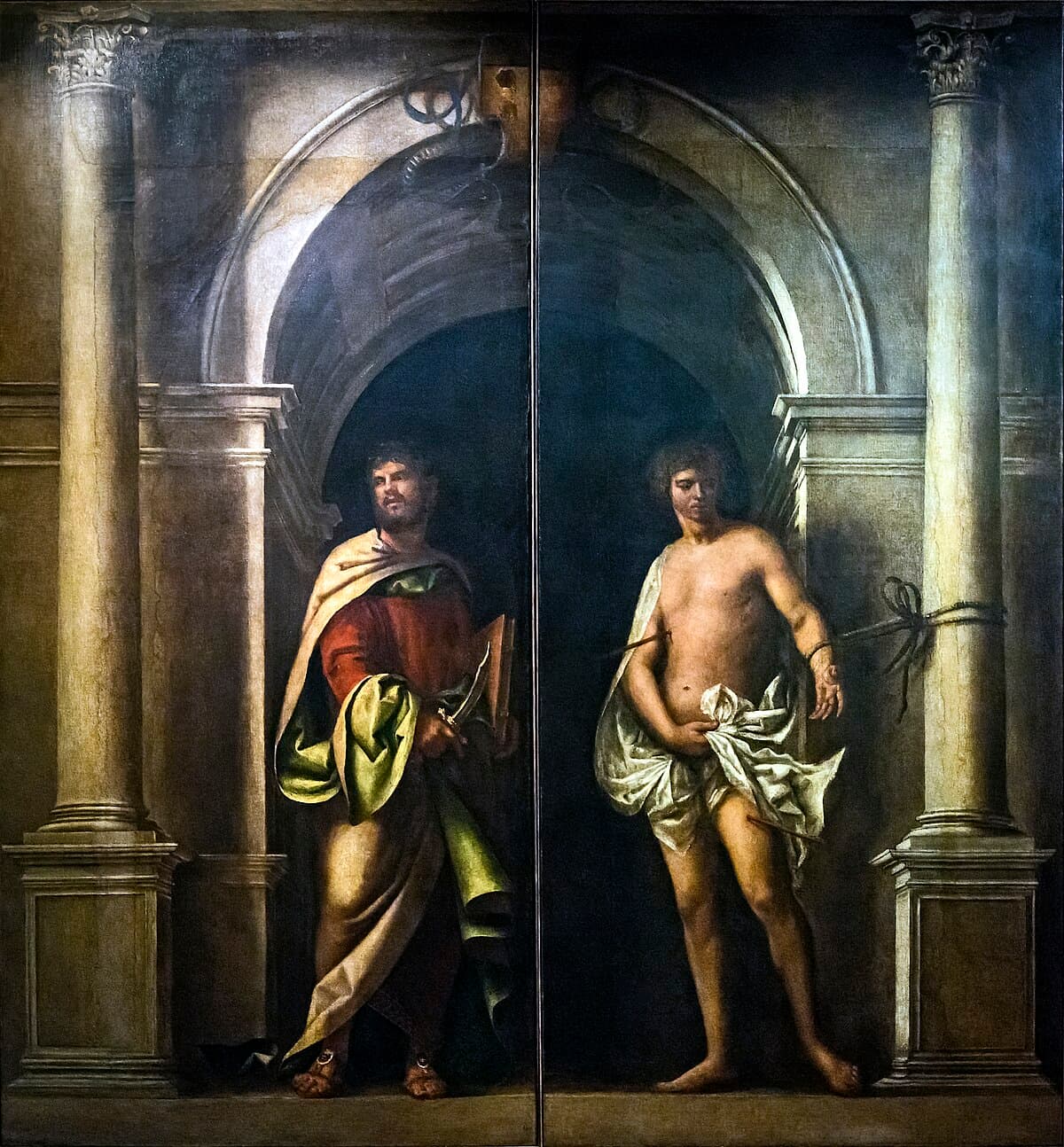
Sebastiano del Piombo
Gallerie dell'Accademia, Venice

Sebastiano del Piombo
Gallerie dell'Accademia, Venice
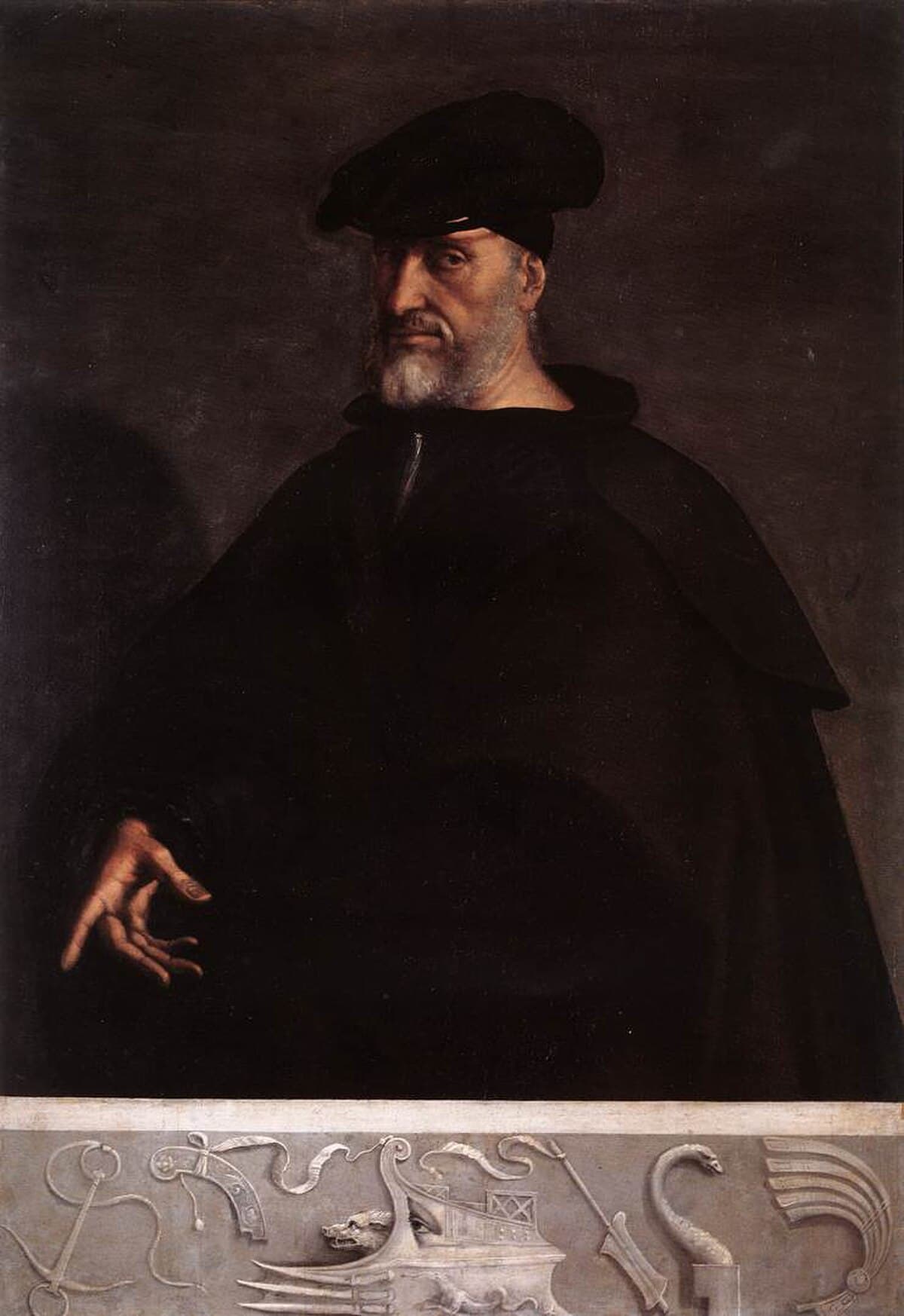
Sebastiano del Piombo, 1519
National Gallery, London
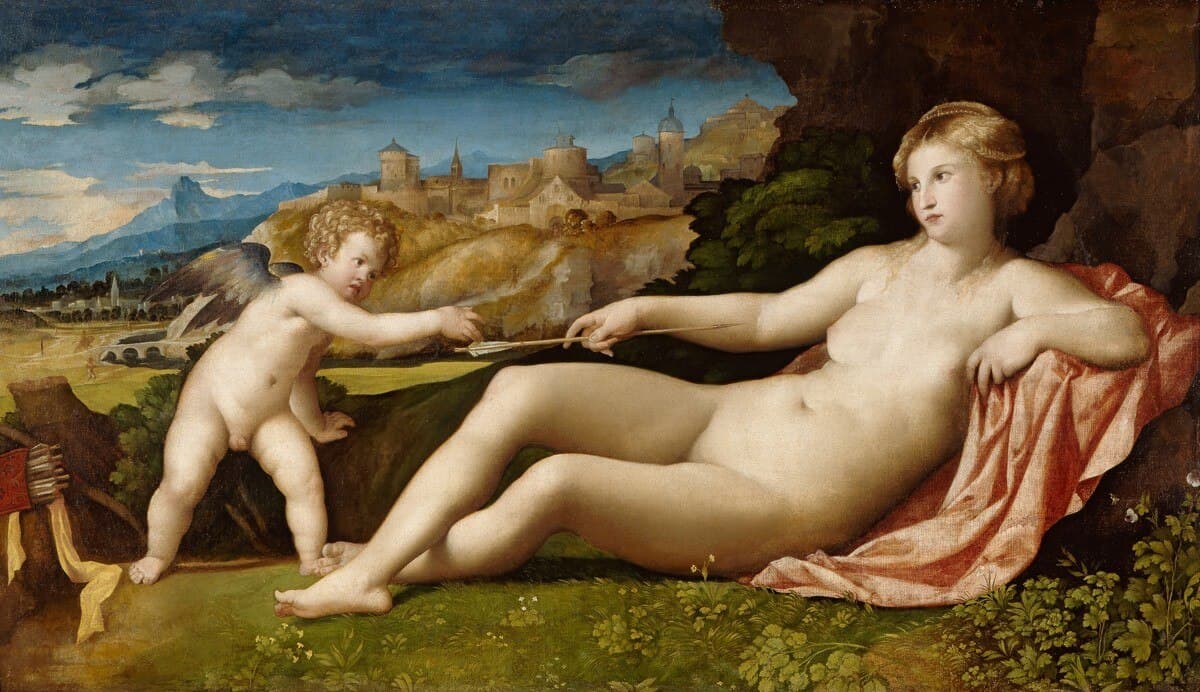
Palma Vecchio
Fitzwilliam Museum (University of Cambridge), Cambridge, Cambridge
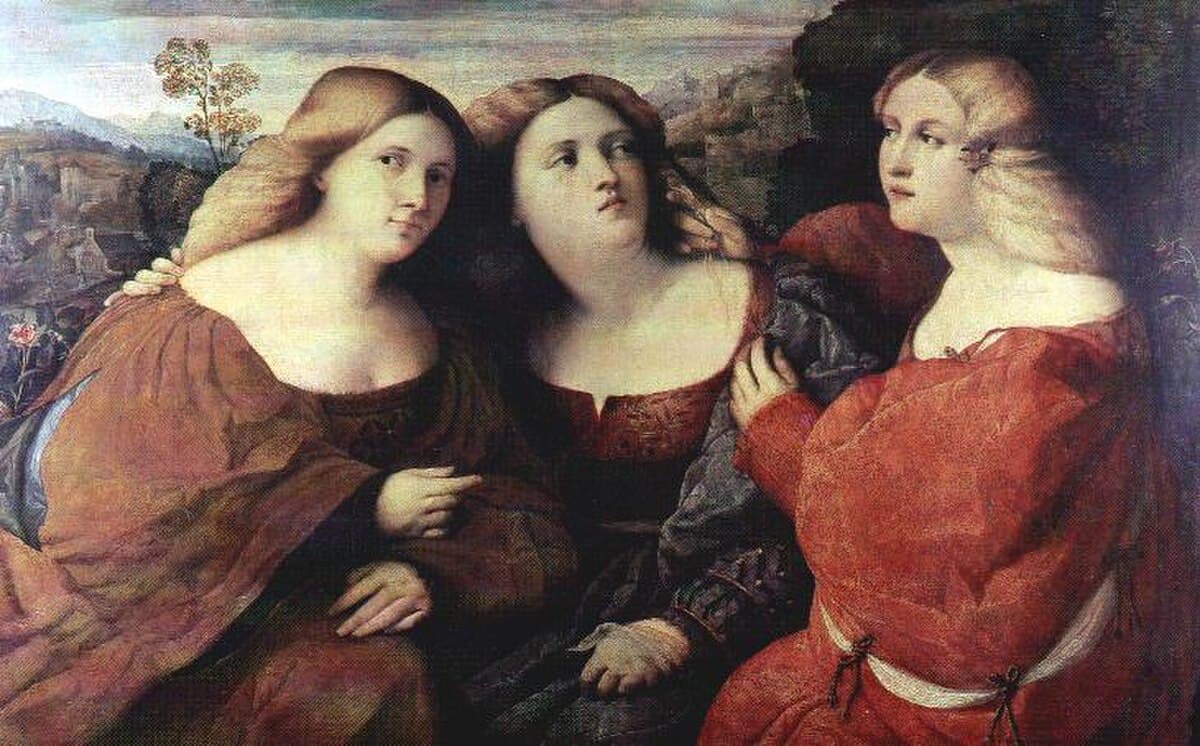
Palma Vecchio
Gemäldegalerie Alte Meister, Dresden, Dresden

Palma Vecchio
Uffizi Gallery, Florence, Florence

Palma Vecchio
Kunsthistorisches Museum, Vienna
Luxury decor featuring museum-quality canvas prints inspired by these iconic masterpieces.
Shop Venetian School Art