Public Domain
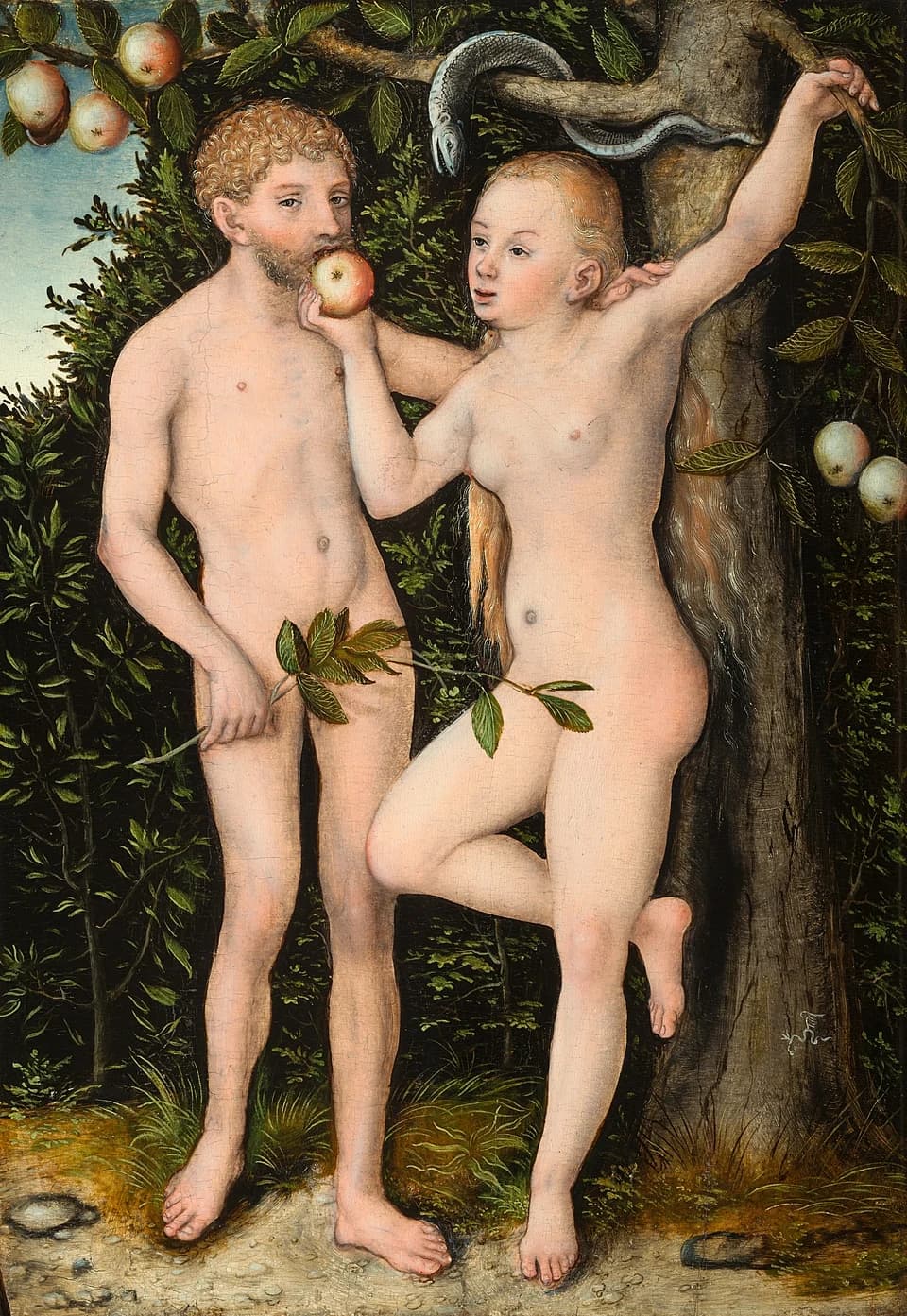
Nude
StyleNorthern Renaissance
GenreNude
Artwork Details
Cite or Embed This Work
APA · MLA · Chicago1-click academic citation and embeddable “On View” museum badge for articles, syllabi, and research.
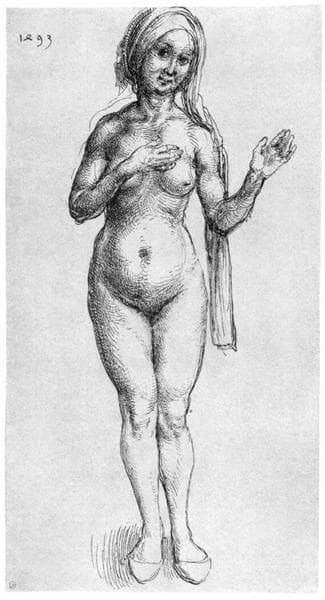
German painter Albrecht Dürer created this nude study in 1493, a pen and ink drawing in the Northern Renaissance style. The work reflects Dürer's interest in the human form at a time when such studies were common in Italy but rare in Germany. Finding models willing to pose nude proved difficult north of the Alps, a problem Dürer repeatedly complained about.
Dürer made two trips to Italy, in the mid-1490s and again between 1505-1507. In Venice, he encountered artists exploring classical proportion and anatomical accuracy. He studied the work of Mantegna and Pollaiuolo, absorbing their interest in the body's structure. His drawings and engravings from this period show these Italian influences adapted to a distinctly German sensibility.
Giorgio Vasari made condescending remarks about German artists' skill with nudes, suggesting they "generally have less fine figures when naked." Dürer's solution was often to study his own body, resulting in what's considered the first nude self-portrait in art history. This drawing hangs at the Musée Bonnat-Helleu in Bayonne, France.