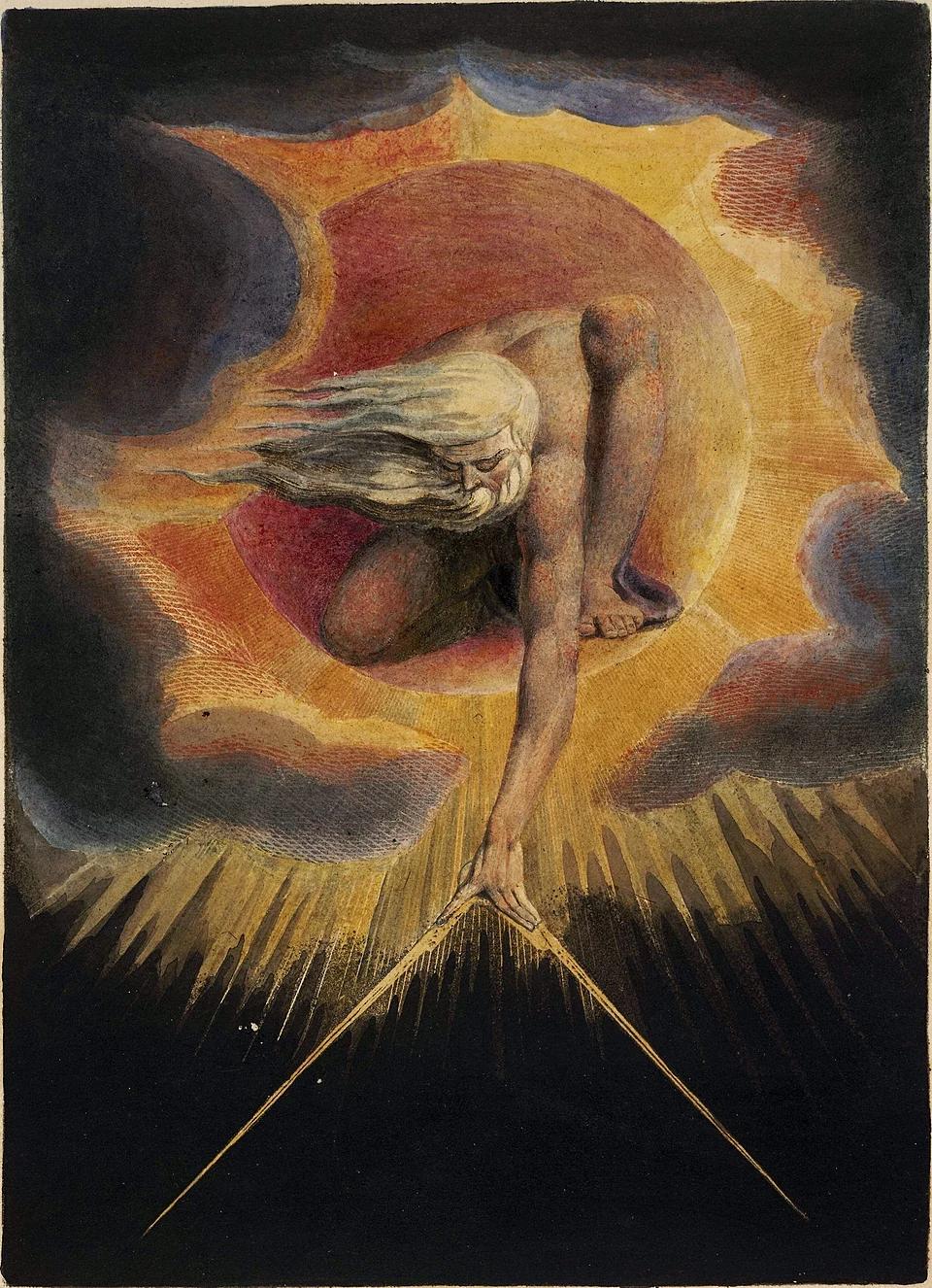
The Ancient of Days
by William Blake, 1794
StyleRomanticism
MediumWatercolor
Artwork Details
Details
- Year
- 1794
- Medium
- Etching with watercolor
- Size
- 23.3 cm × 16.8 cm
Cite or Embed This Work
APA · MLA · Chicago1-click academic citation and embeddable “On View” museum badge for articles, syllabi, and research.
William Blake created this image in 1794 as the frontispiece to his illuminated book Europe a Prophecy. A powerful figure crouches within a flaming orb, extending a golden compass into the void below. His white hair streams in an unseen wind as he measures out creation.
The figure is Urizen, Blake's personification of reason and law, drawing on biblical imagery of God as creator and architect. But Blake's mythology was complex and subversive. For him, Urizen represented the tyranny of rationalism and institutional religion, not benevolent creation.
Blake called this design a "singular favourite" and made many versions throughout his life. He was coloring a final copy for patron Frederick Tatham just weeks before his death in 1827. Each impression is unique because Blake hand-tinted every print. The version at the British Museum is among the most reproduced images in Western art.
More by William Blake
View all →N
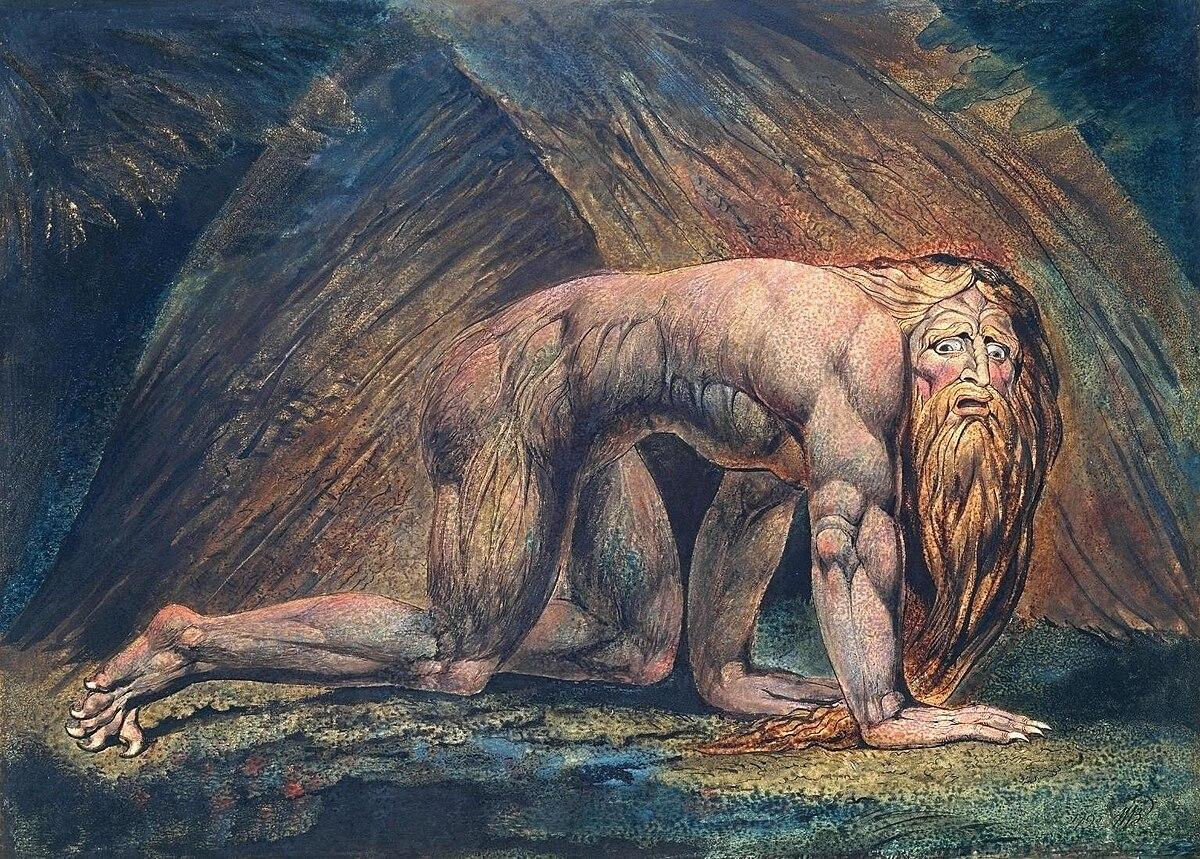
Nebuchadnezzar
William Blake
Tate Modern, London, London
I
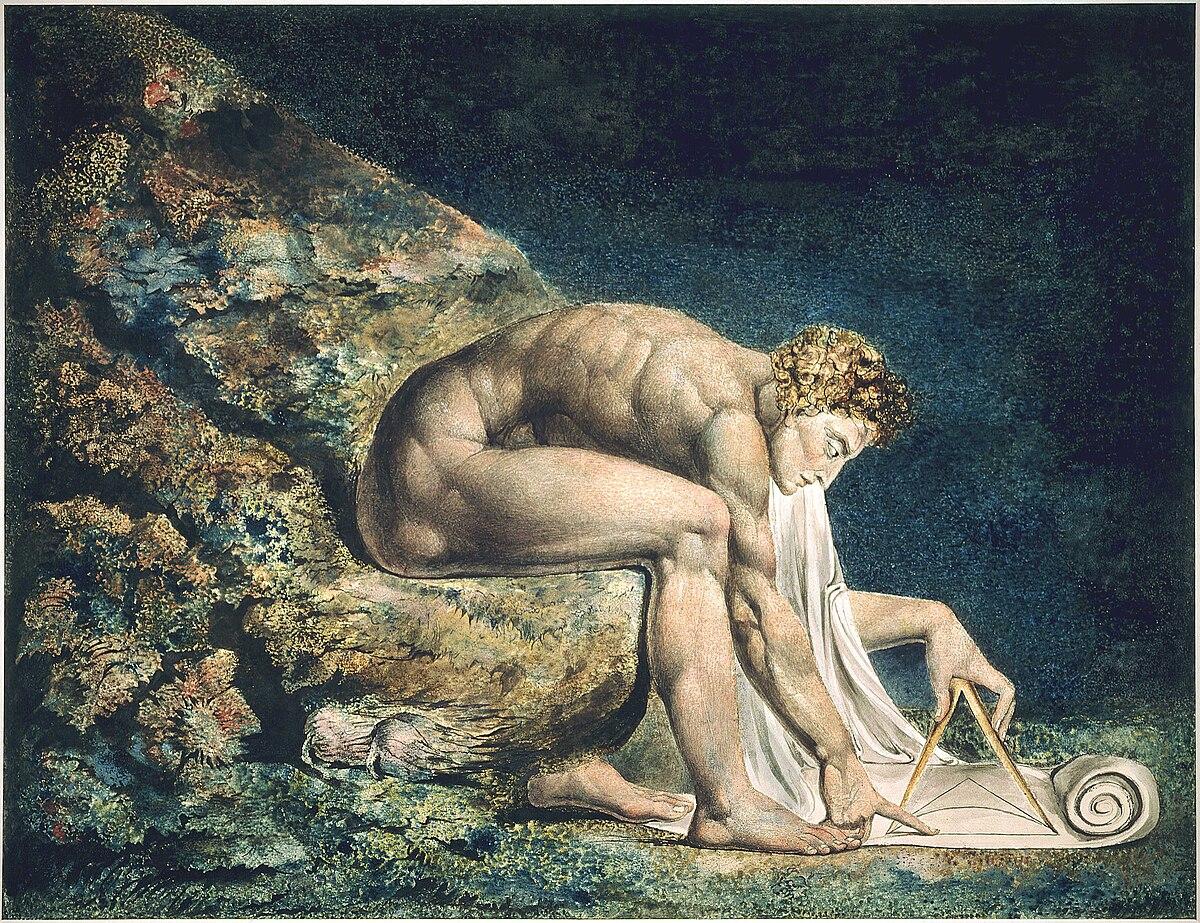
Isaac Newton
William Blake
Tate Modern, London, London
T
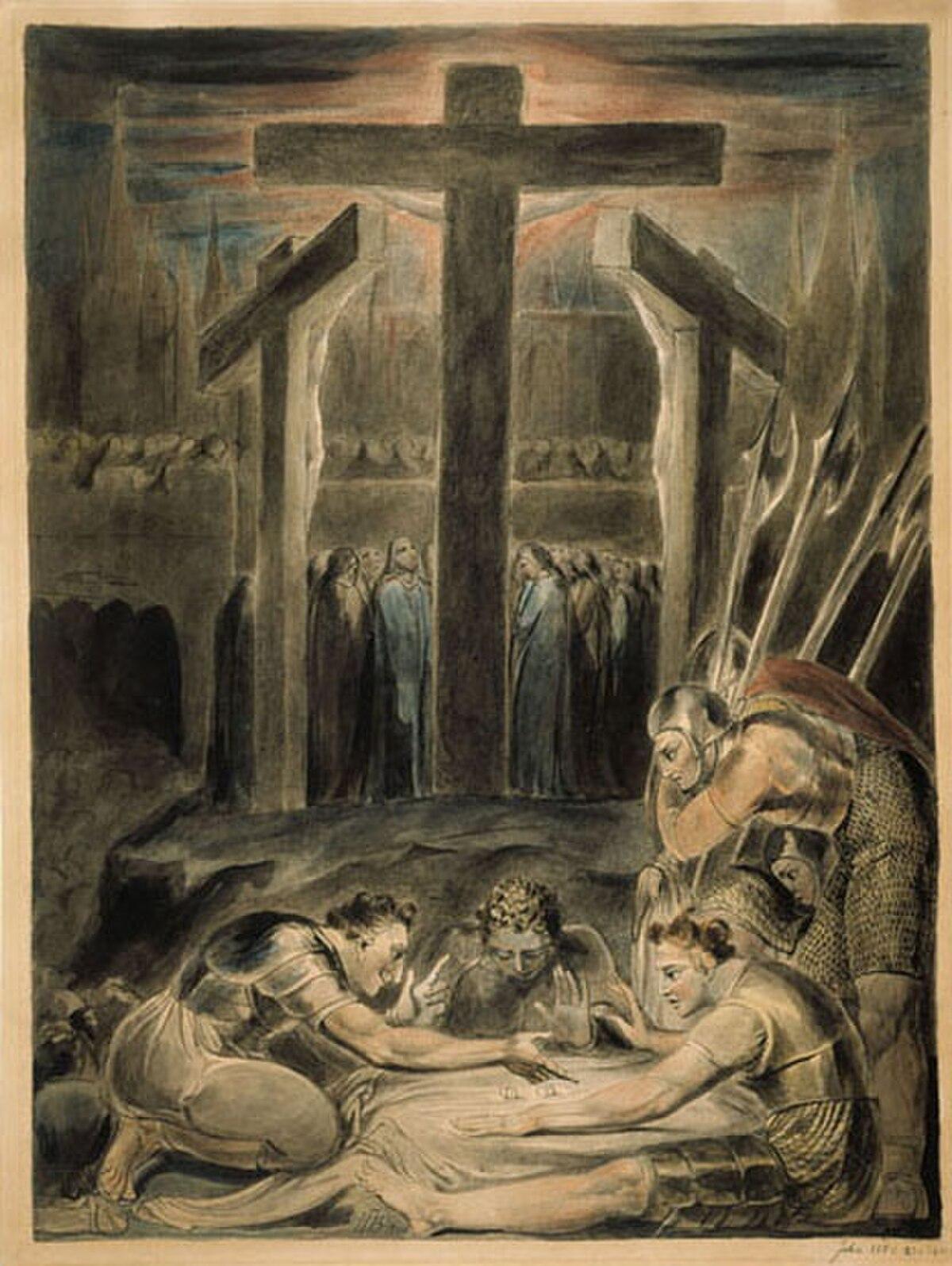
The Soldiers Casting Lots for Christ's Garments
William Blake
Fitzwilliam Museum (University of Cambridge), Cambridge, Cambridge
S
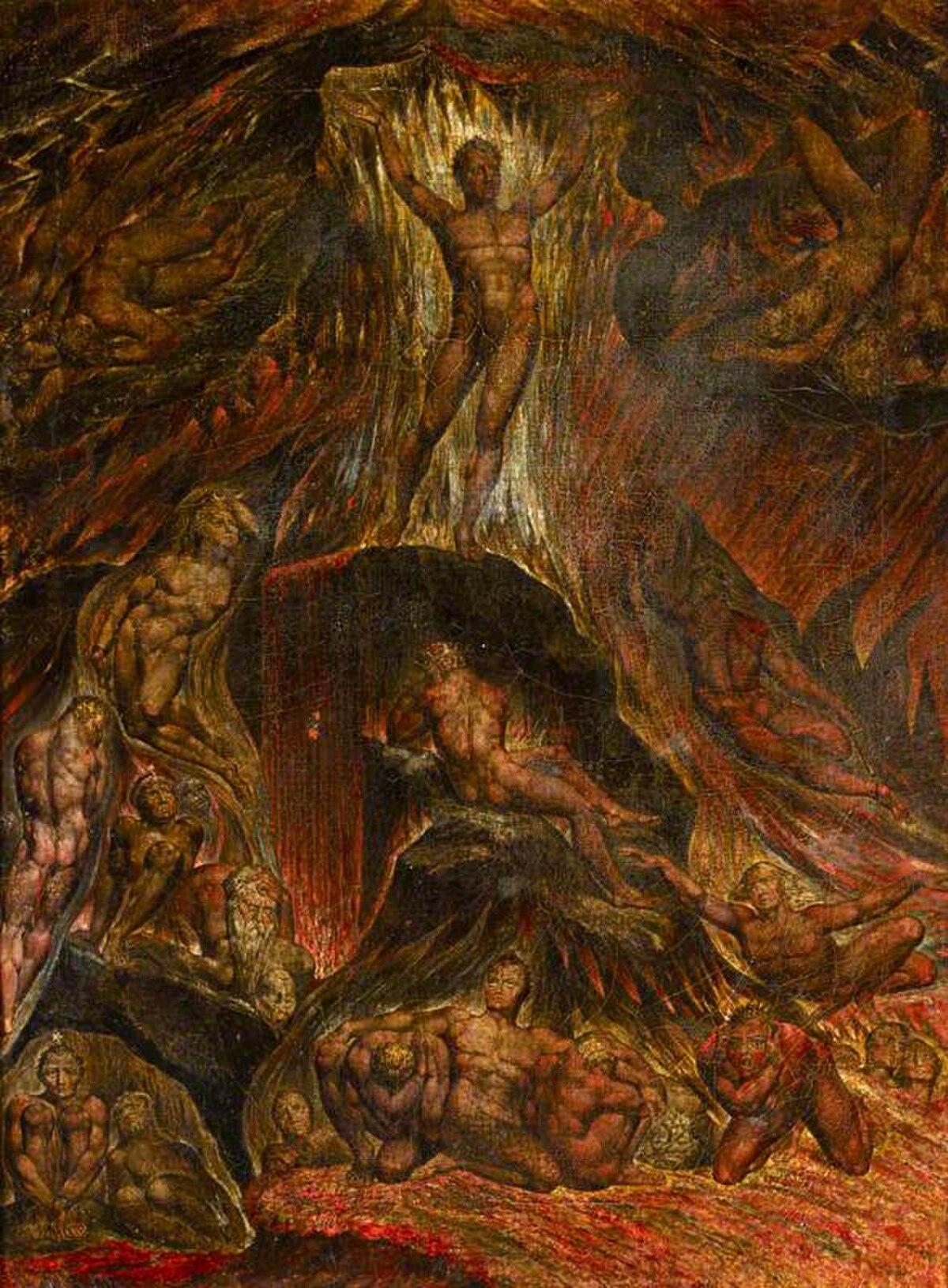
Satan Calling Up his Legions
William Blake
Victoria and Albert Museum (V&A), London, London
Also at British Museum
View all →Sculpture
S
Sutton Hoo Helmet
Ancient Celtic (Unknown), 625
British Museum, London
S
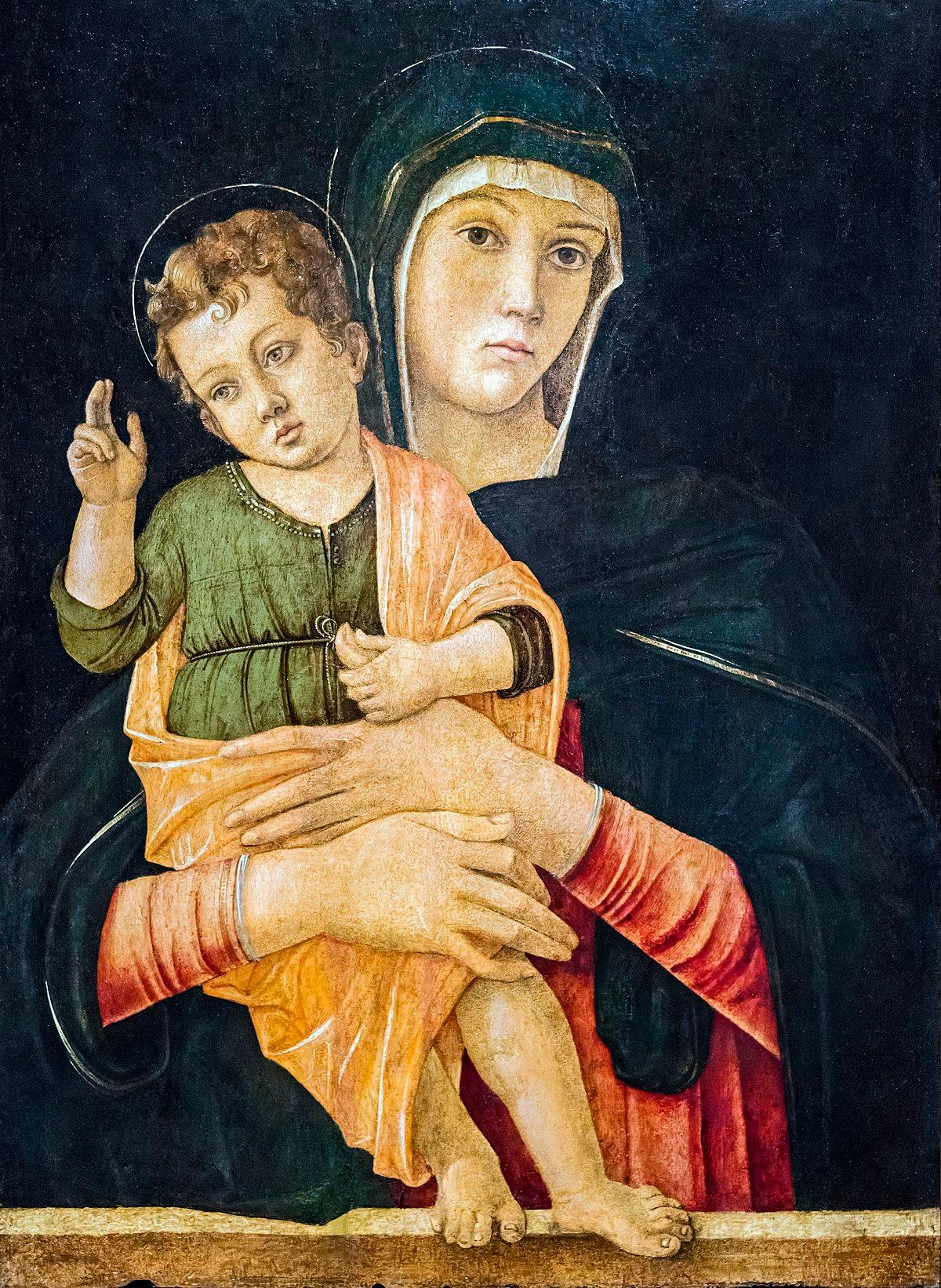
Study of the Madonna and Child with a Cat
Leonardo da Vinci
British Museum, London
E
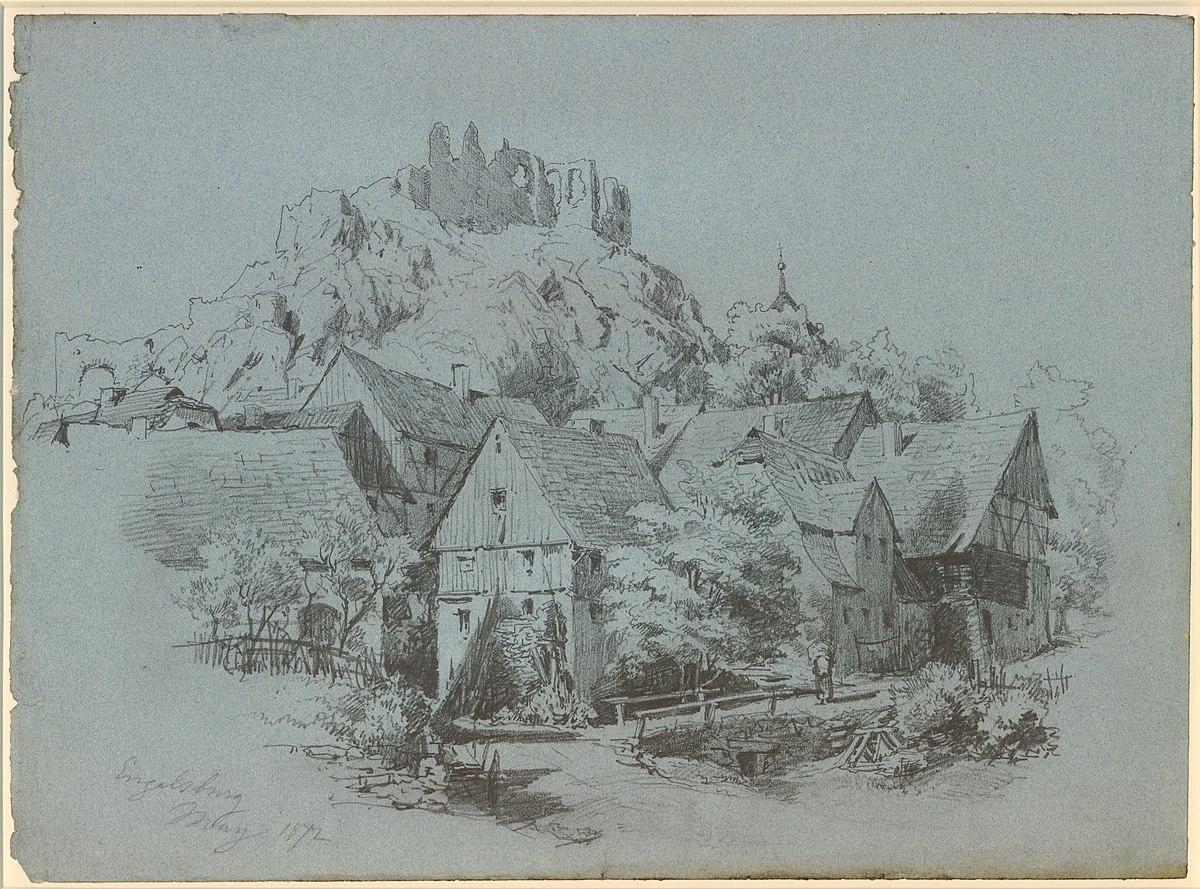
Engelsburg
John Singer Sargent
British Museum, London
Sculpture
M
Mausoleum at Halicarnassus Sculptures
Ancient Greek (Unknown), -350
British Museum, London
Related Works
Works that share an artist, movement, museum, genre, palette or theme with The Ancient of Days.
- Same artist
- Same movement
Glad Day or The Dance of Albion
William Blake
- Same artist
- Same movement
A white haired man in a long, pale robe who flees from us with his hands raised
William Blake
- Same artist
- Same movement
The Great Red Dragon and the Woman Clothed in Sun
William Blake, 1805
- Same movement
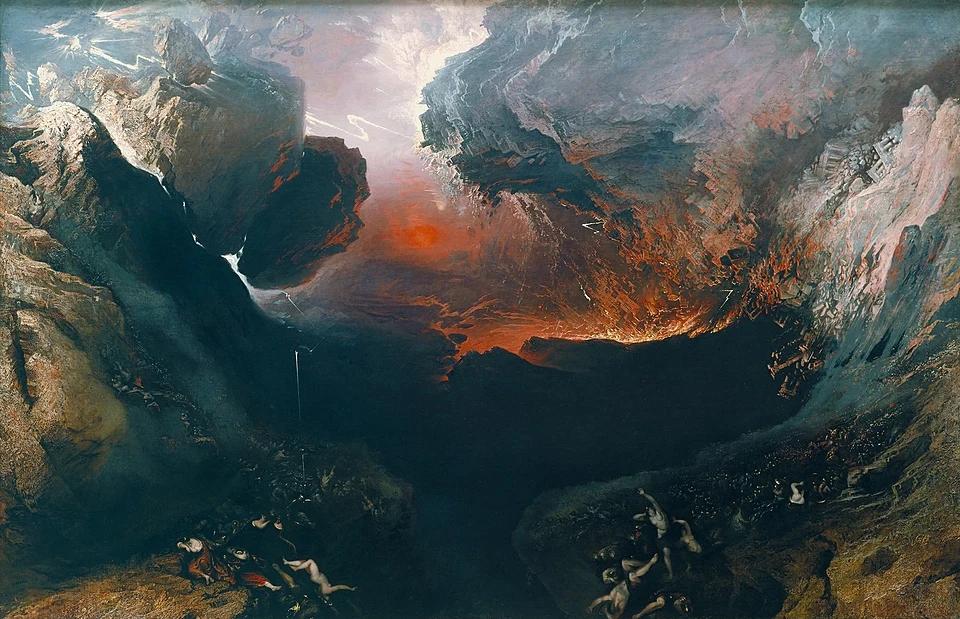
The Great Day of His Wrath
John Martin, 1853
- Same movement
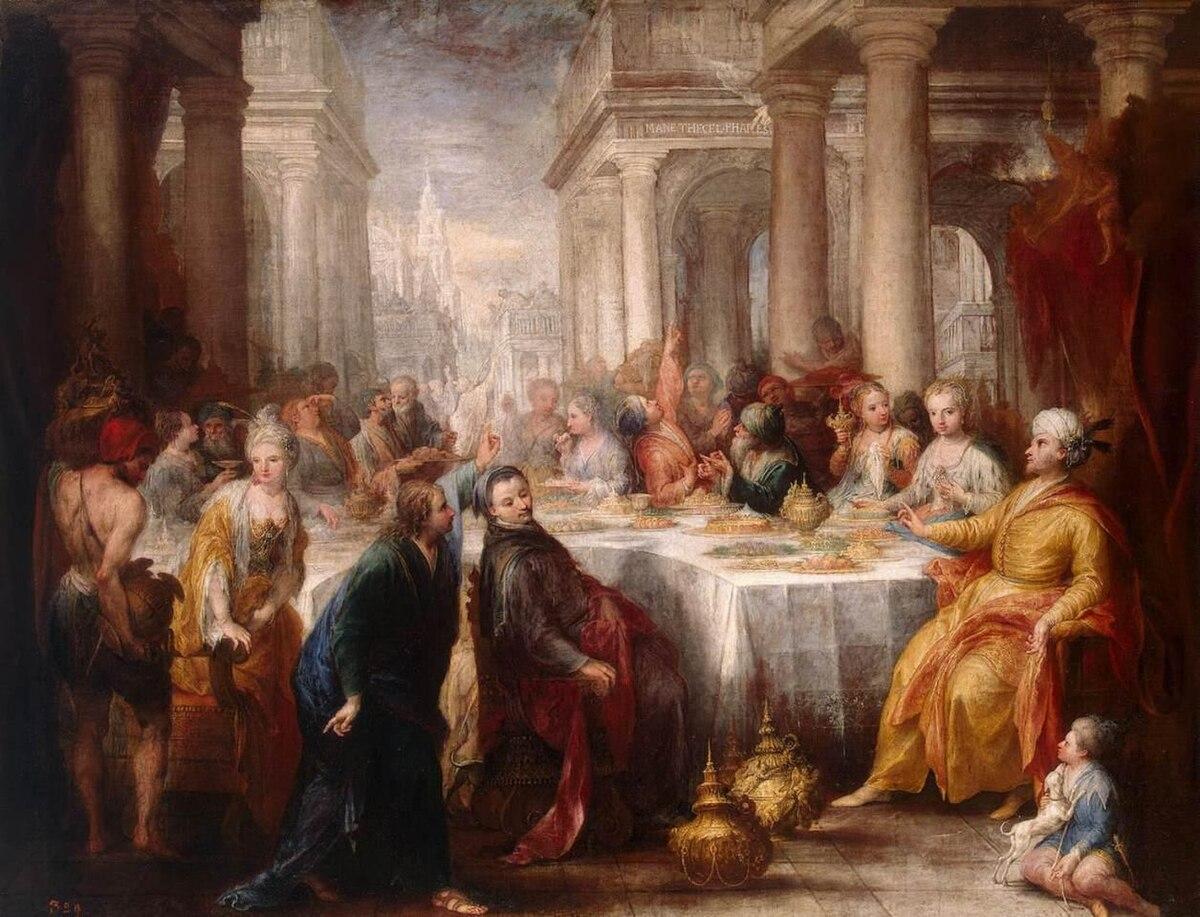
Belshazzar's Feast
John Martin
- Same movement
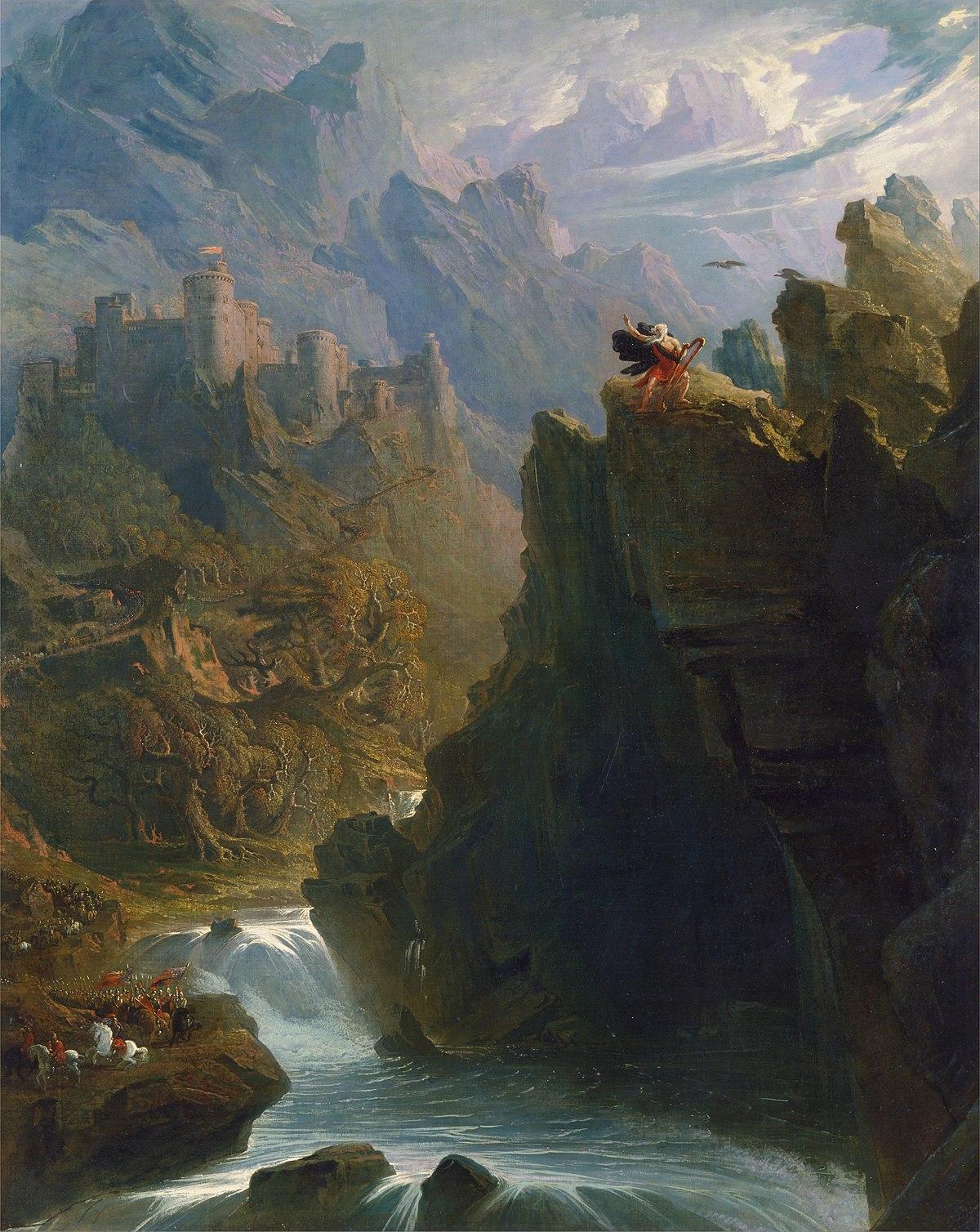
The Bard
John Martin
- Same movement
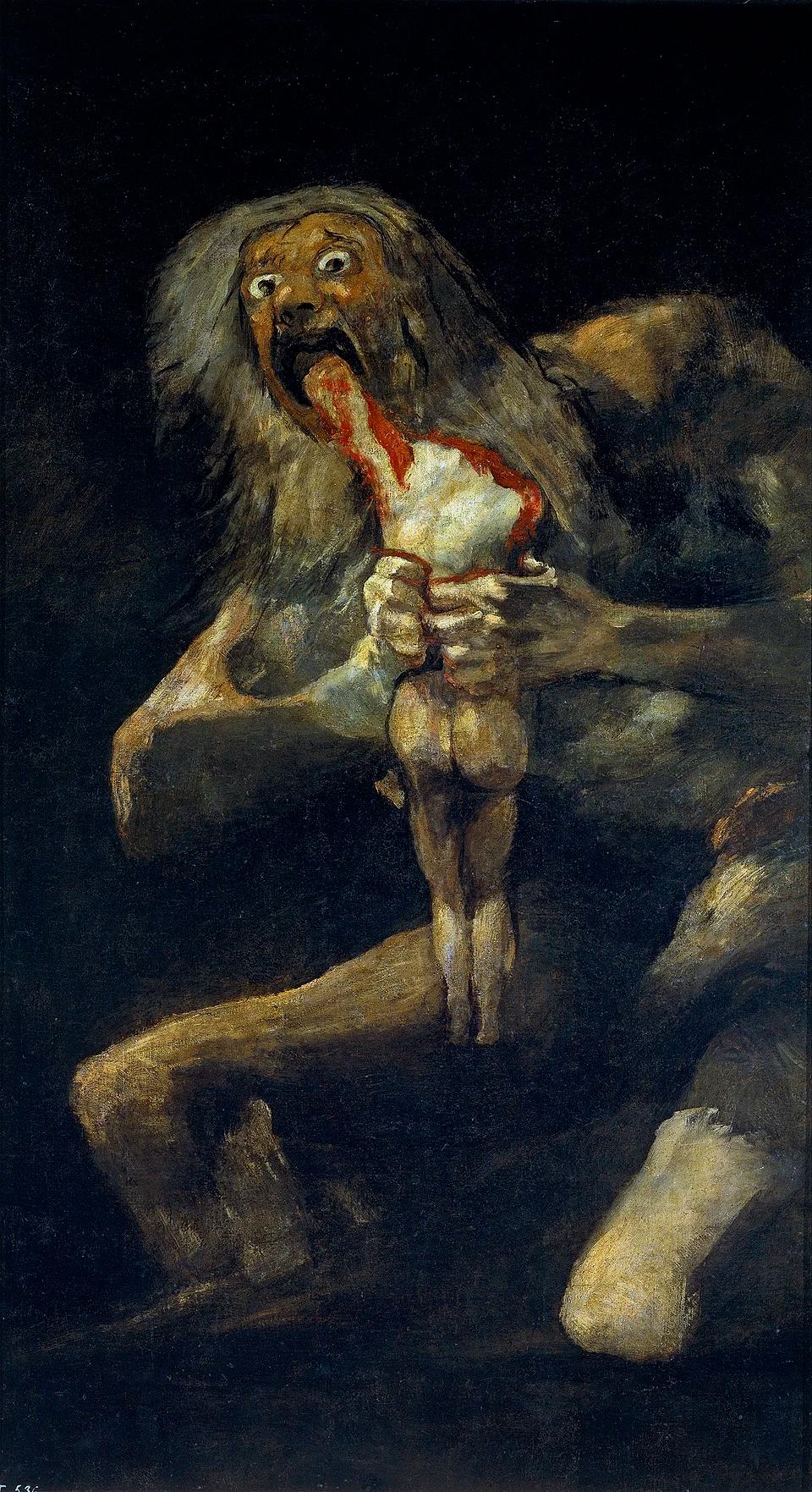
Saturn Devouring His Son
Francisco Goya, 1823
- Same movement
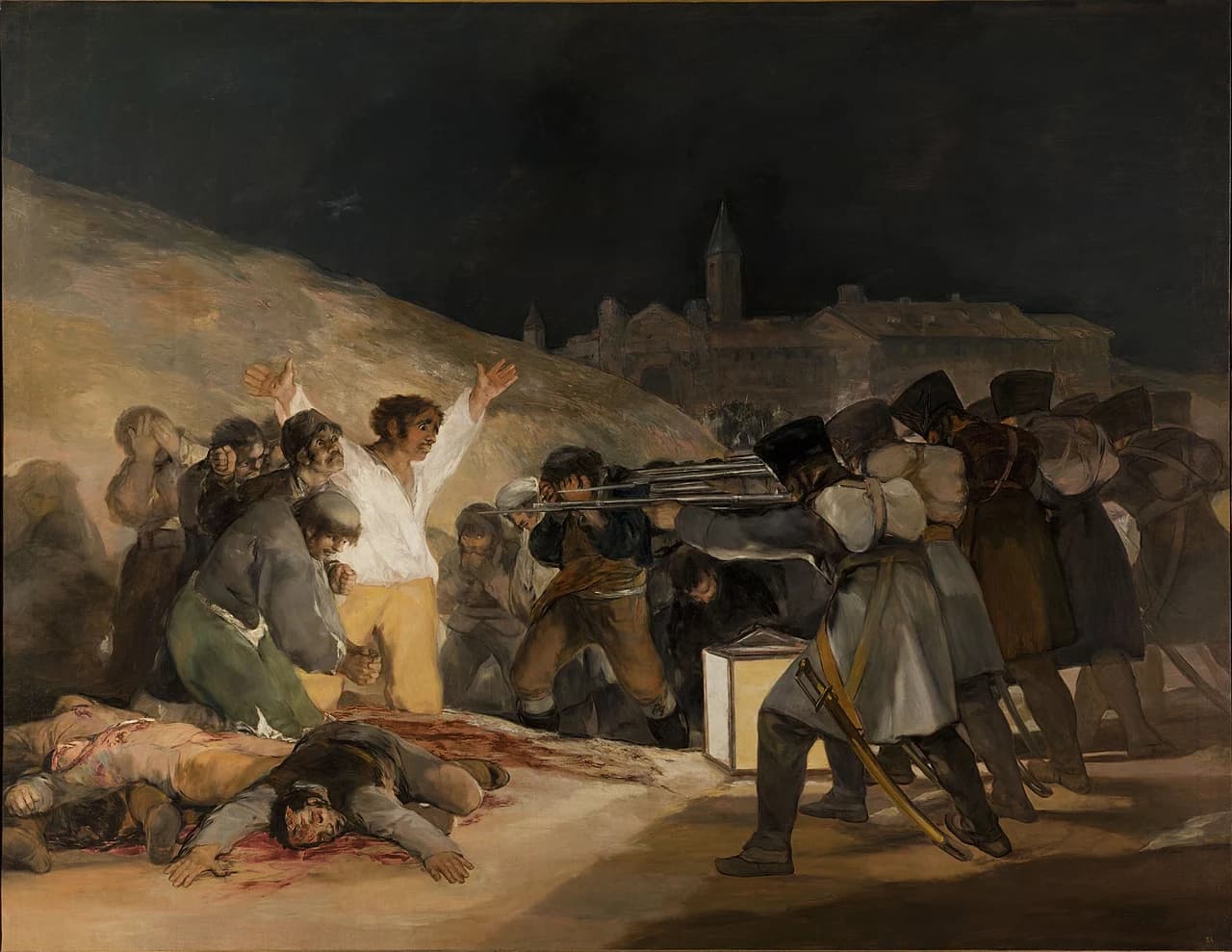
The Third of May 1808
Francisco Goya, 1814
- Same movement
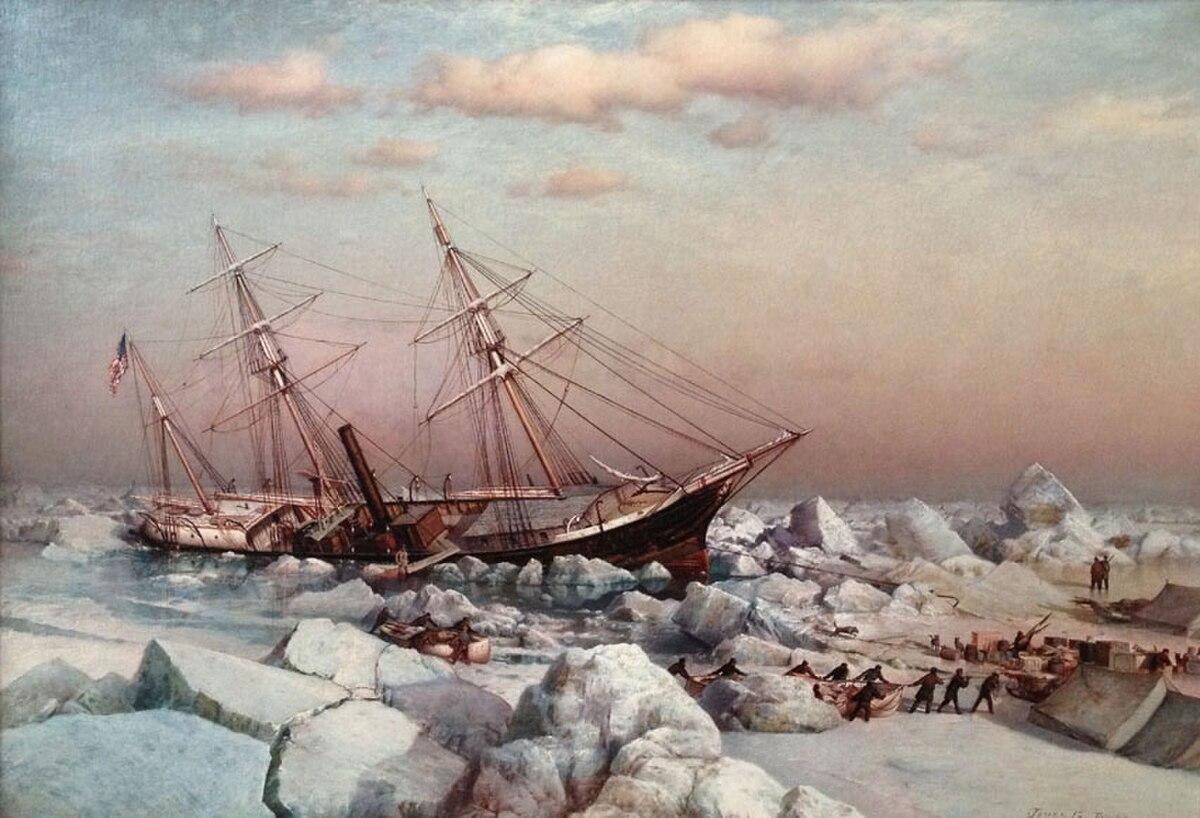
Ship in the Arctic Ocean
Caspar David Friedrich
- Same movement
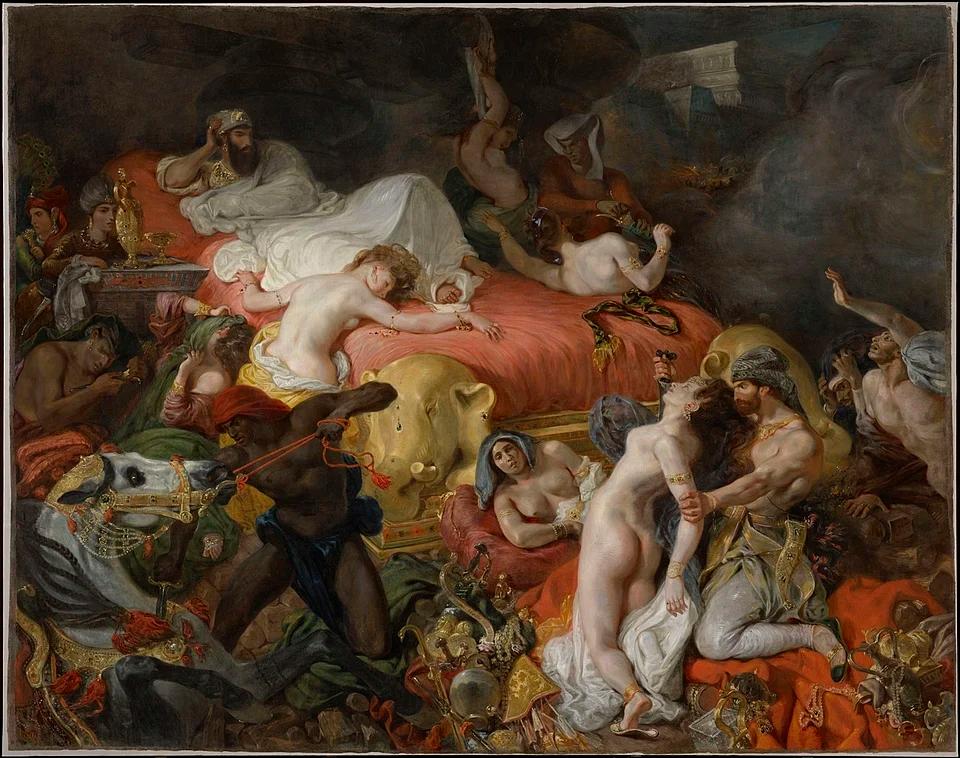
The Death of Sardanapalus
Eugène Delacroix, 1827
- Same movement
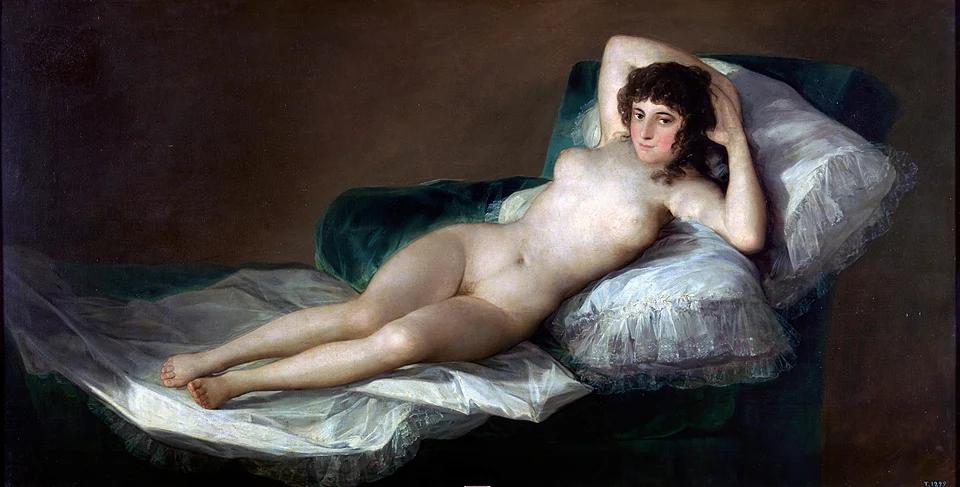
The Nude Maja
Francisco Goya, 1800
- Same movement
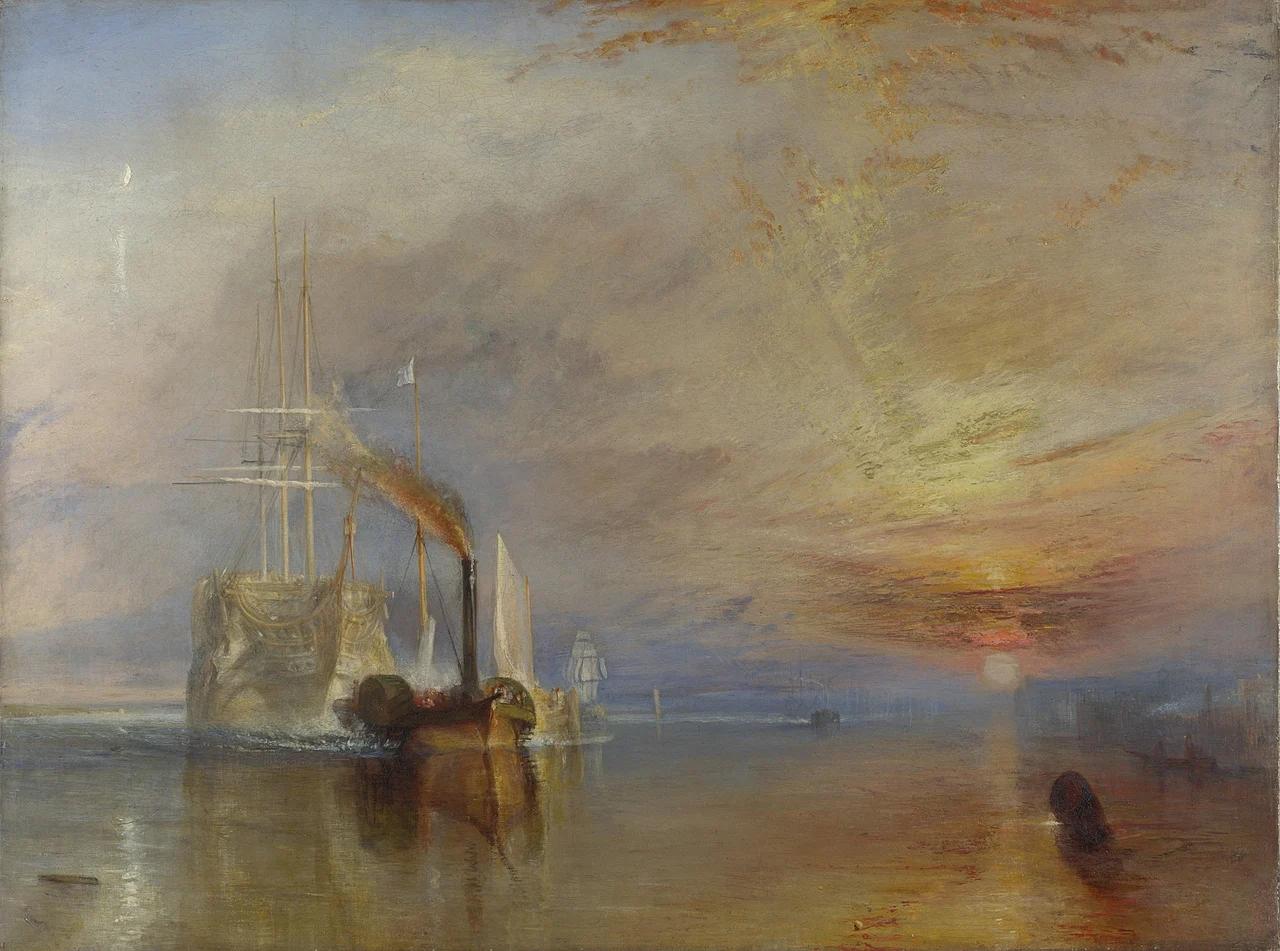
The Fighting Temeraire
J.M.W. Turner, 1839
About The Ancient of Days
The British Museum holds a famous copy. Only about 13 impressions exist worldwide, each hand-colored uniquely by Blake.
The figure is Urizen, Blake's personification of reason and law. He's depicted creating the material world with a compass, but in Blake's mythology this represents tyrannical rationalism rather than divine benevolence.
It's the frontispiece to Blake's "Europe a Prophecy" (1794), one of his illuminated books combining poetry and visual art. The work was influenced by the French Revolution.
It's part of Romanticism, though Blake's visionary art was highly personal. He used the relief etching technique he invented, then hand-colored each impression with watercolor.
Own Art Like This
Luxury wall art with the same mood and energy. Gallery-quality canvas, no museum crowds.
Browse Collection