Wikimedia Commons • Public Domain
Hunting
StyleBaroque
Artwork Details
Cite or Embed This Work
APA · MLA · Chicago1-click academic citation and embeddable “On View” museum badge for articles, syllabi, and research.
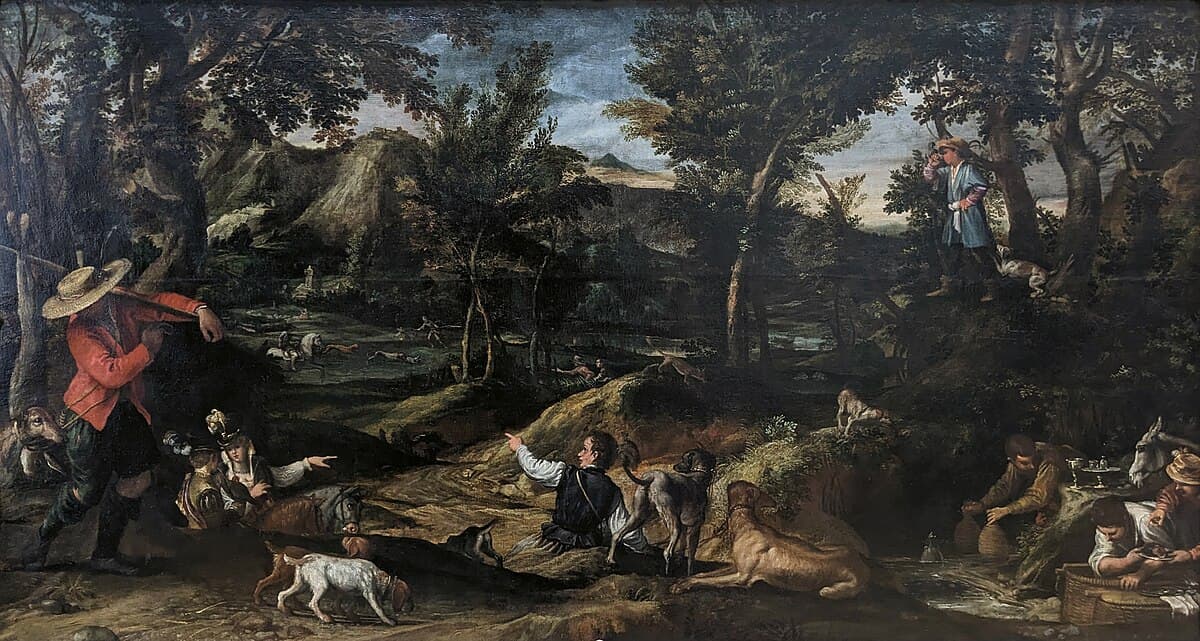
Italian artist Annibale Carracci painted this expansive hunting scene before 1595, during his Bolognese period. The large canvas, measuring 136 by 253 centimeters, depicts aristocrats and common folk alike engaged in the pursuit. Dogs, hunters, and forest fill the composition, which divides into distinct zones of activity. It might be said that with paintings like this, Carracci invented landscape as a subject for Italian Baroque painting.
This work arrived in France when Prince Camillo Pamphili gave it to Louis XIV in 1665. Along with its companion piece "Fishing," it received sumptuous gilt frames decorated with hunting attributes. These frames, among the finest from the Louis XIV period, remain with the paintings today. Charles Le Brun included both works in his 1683 inventory.
The Louvre in Paris now displays this work, where visitors can see how Carracci appreciated nature for its own sake rather than merely as backdrop. His experiments here foreshadowed Poussin's classical landscapes while drawing from the Bassani family's popular tradition of animated countryside scenes.
More by Annibale Carracci
View all →M
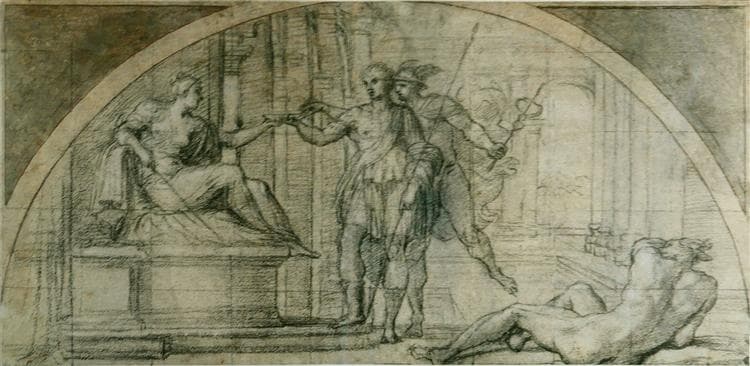
Mercury protecting Ulysses from the charms of Circe
Annibale Carracci
Musée des Beaux-Arts d'Orléans, Orleans, Orléans
M
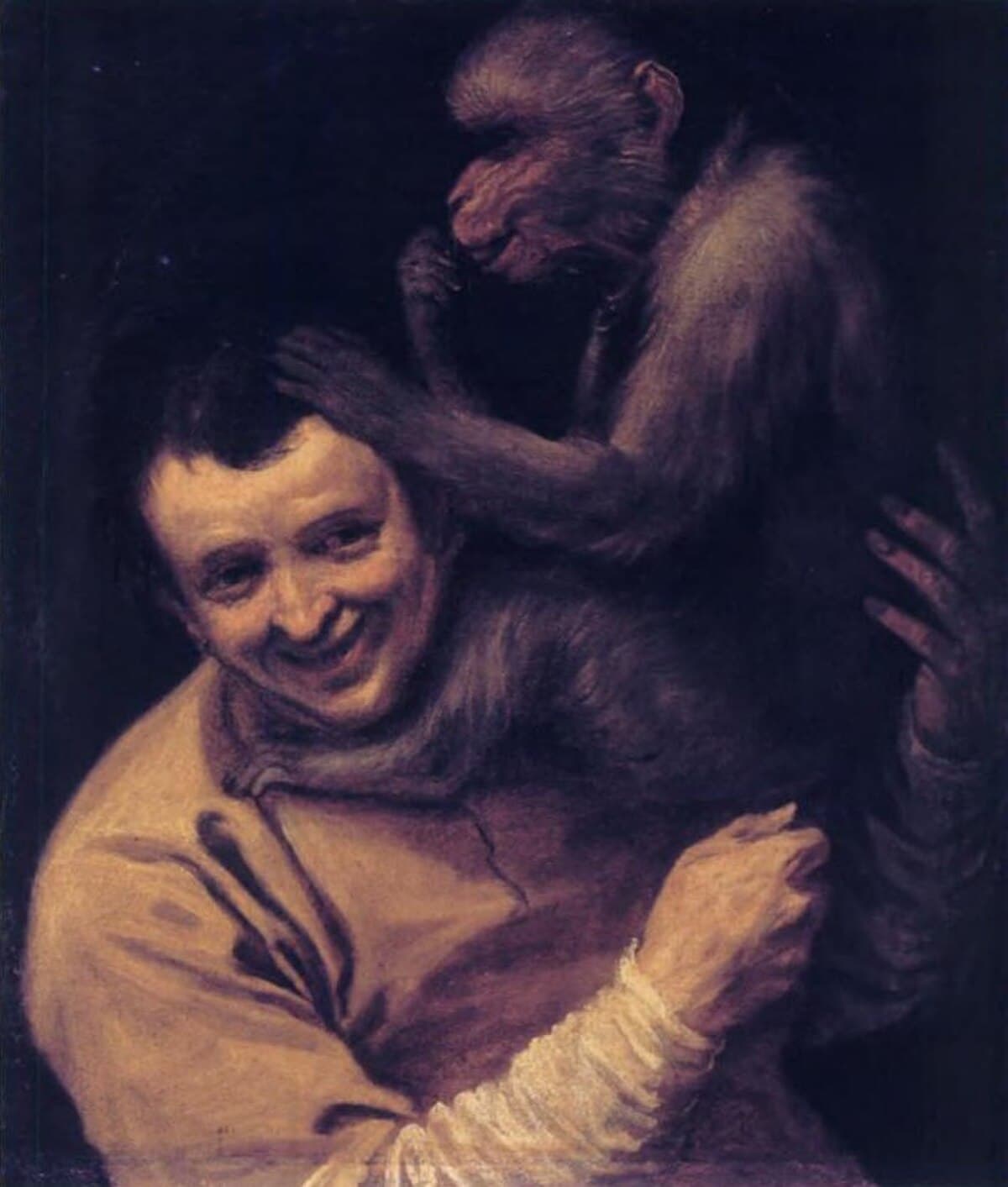
Man with Monkey
Annibale Carracci
Uffizi Gallery, Florence, Florence
V
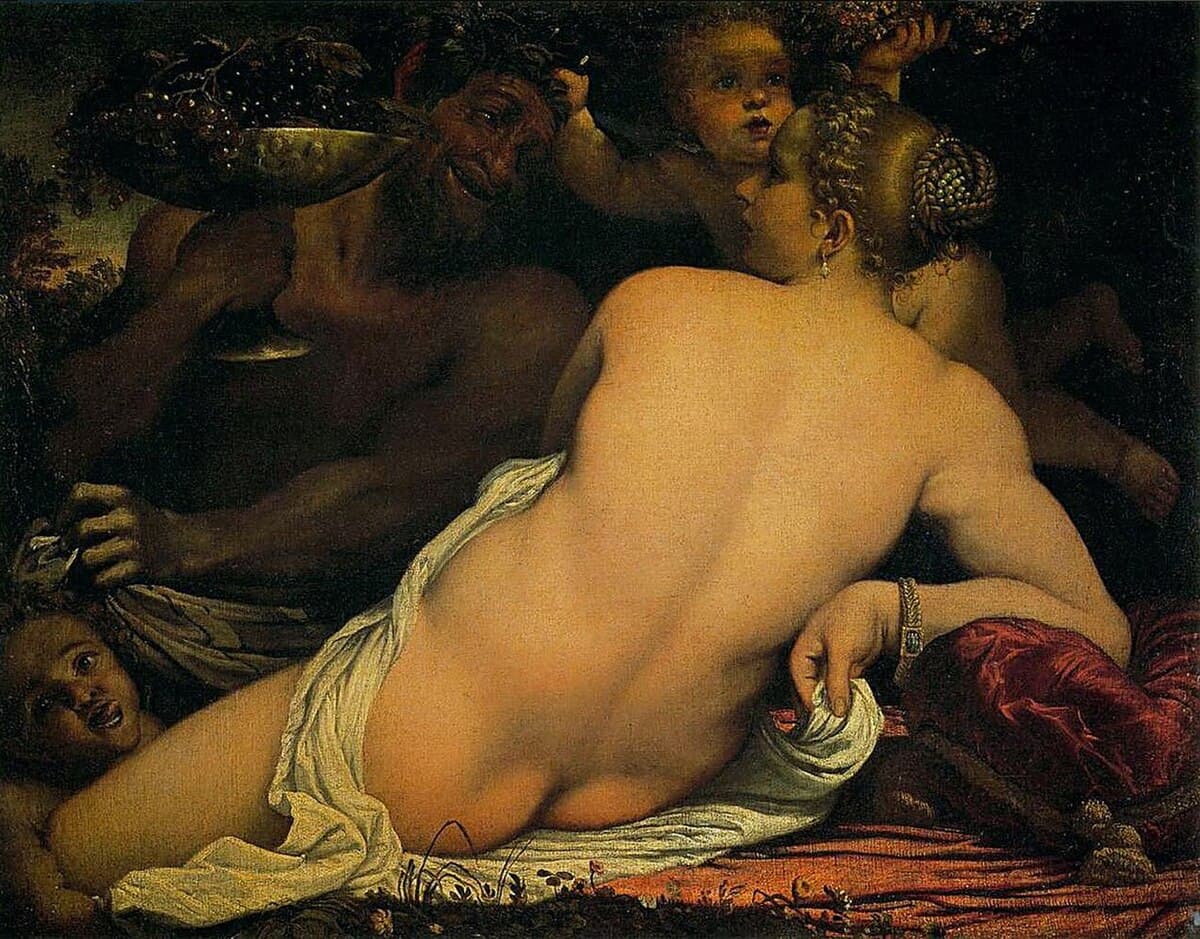
Venus with a Satyr and Cupids
Annibale Carracci
Uffizi Gallery, Florence, Florence
T
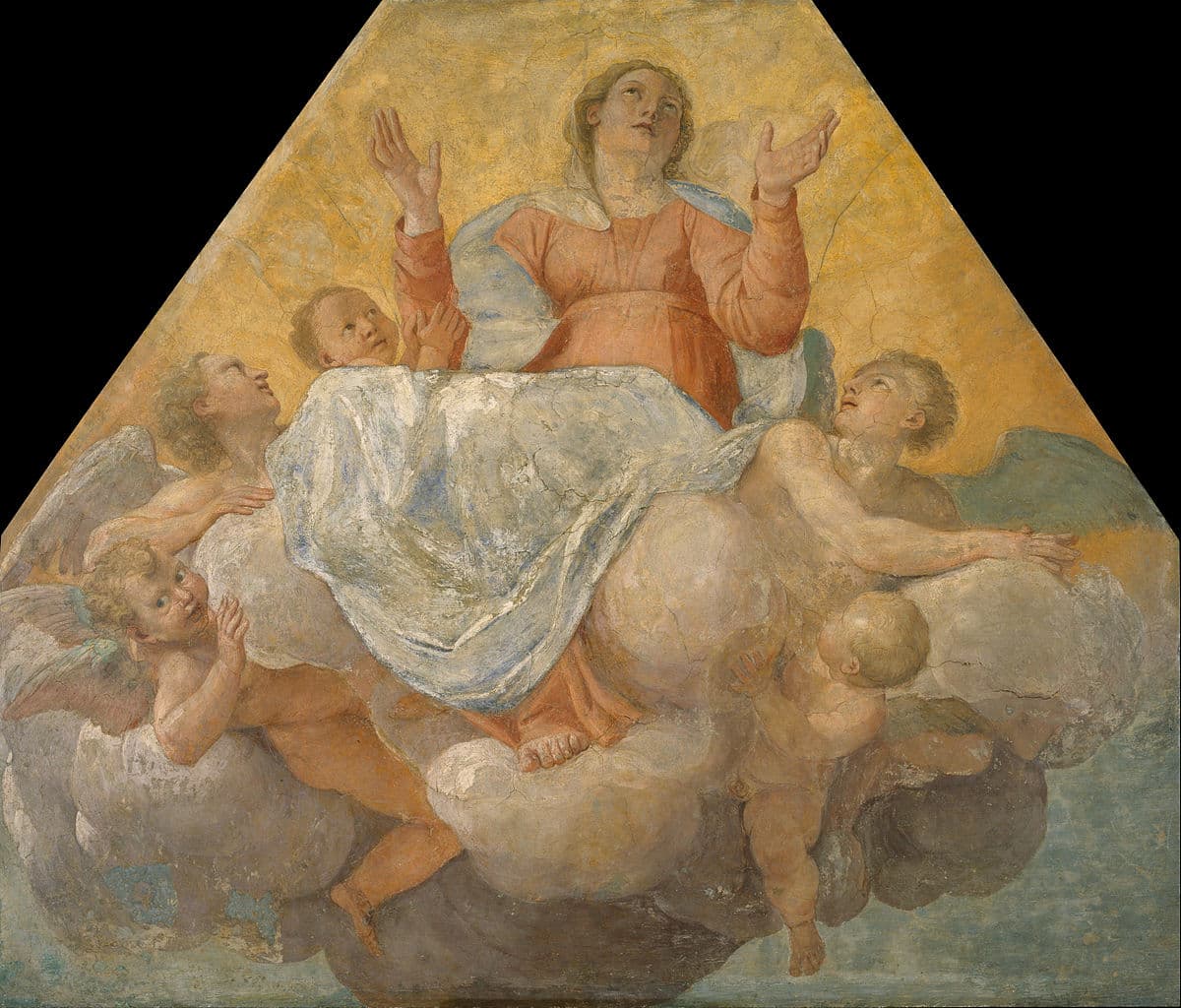
The Assumption of the Virgin
Annibale Carracci
Museo del Prado, Madrid, Madrid
Also at Louvre, Paris
View all →Sculpture
A
Artemis of Versailles
Ancient Roman (Unknown), -100
Louvre, Paris, Paris
T
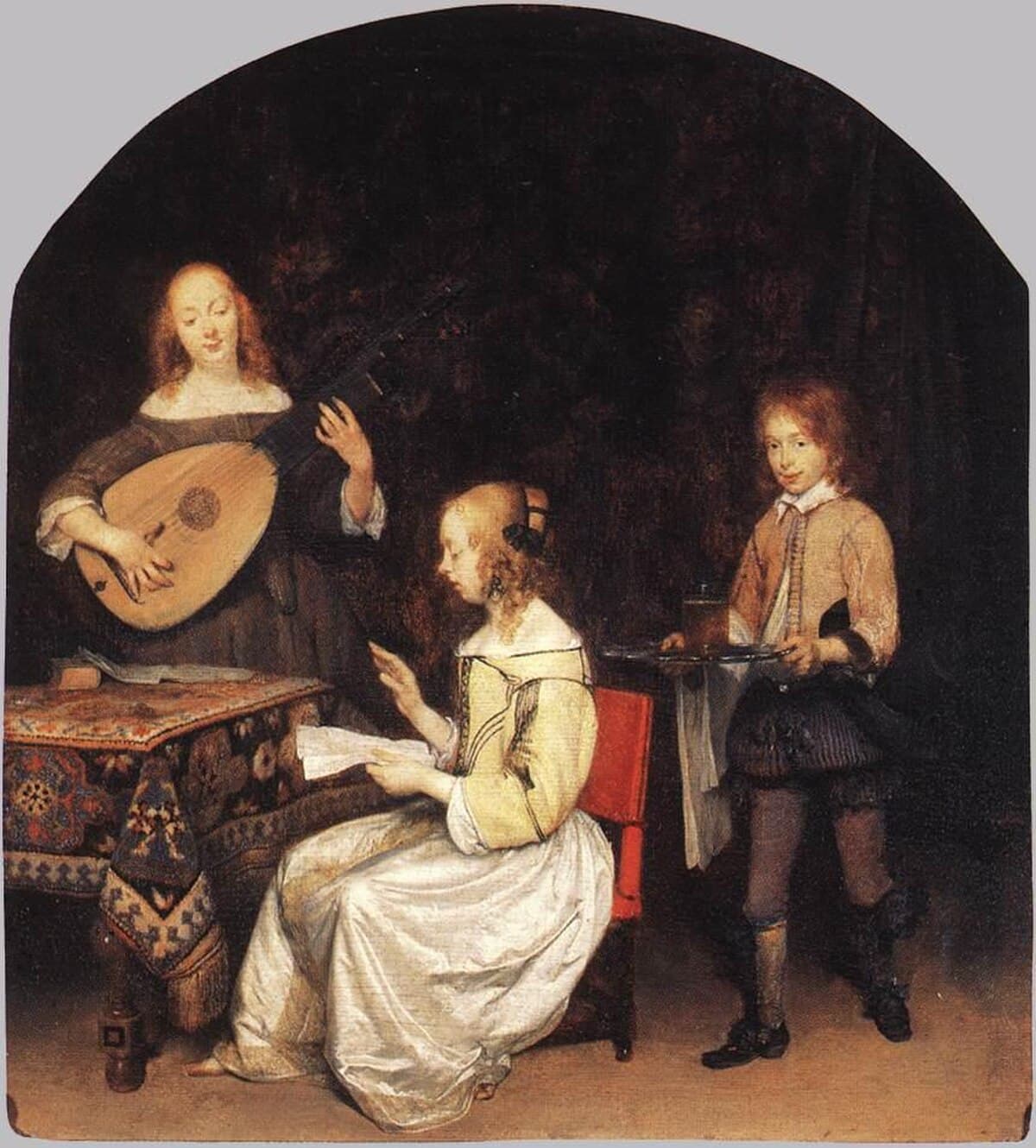
The Concert: Singer and Theorbo Player
Gerard ter Borch
Louvre, Paris, Paris
T
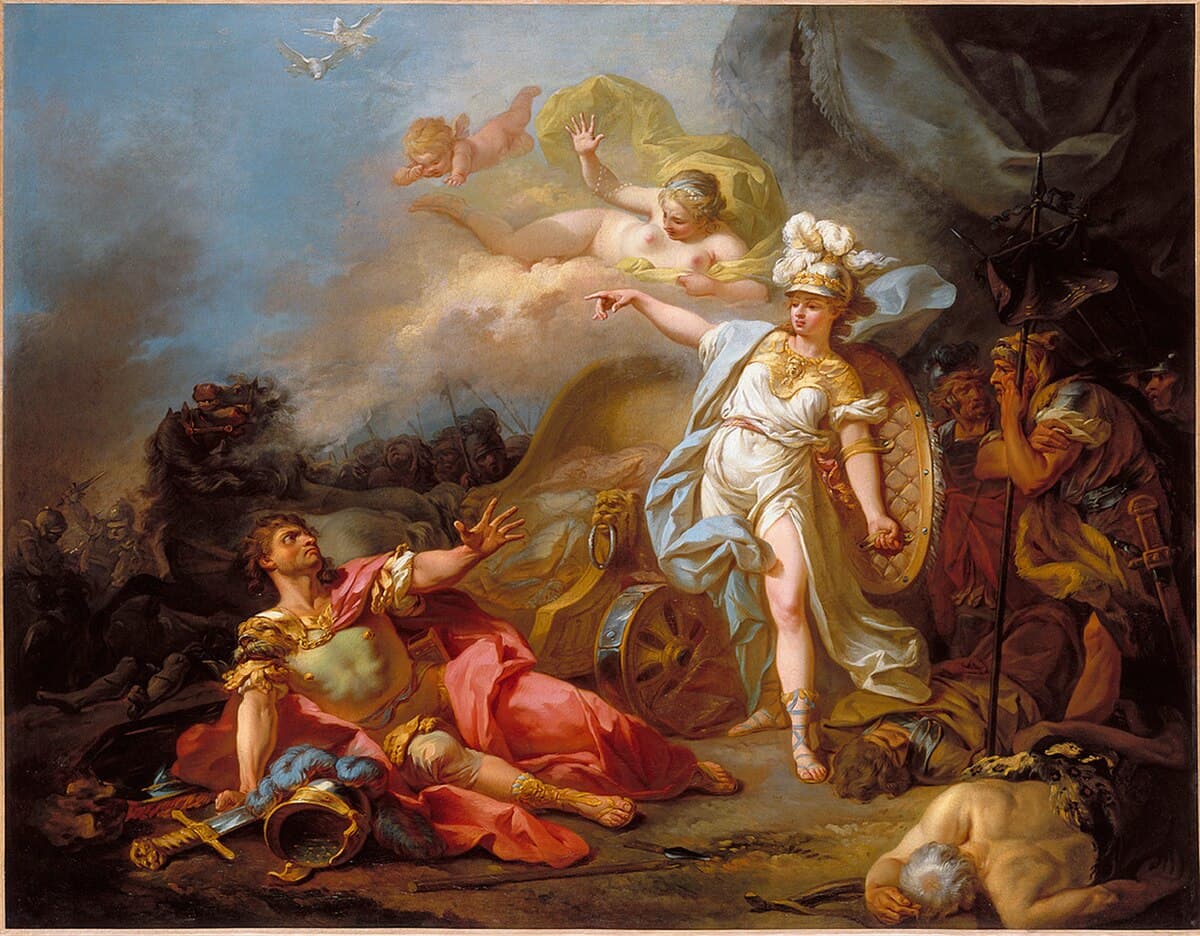
The Combat of Mars and Minerva
Jacques-Louis David
Louvre, Paris, Paris
M
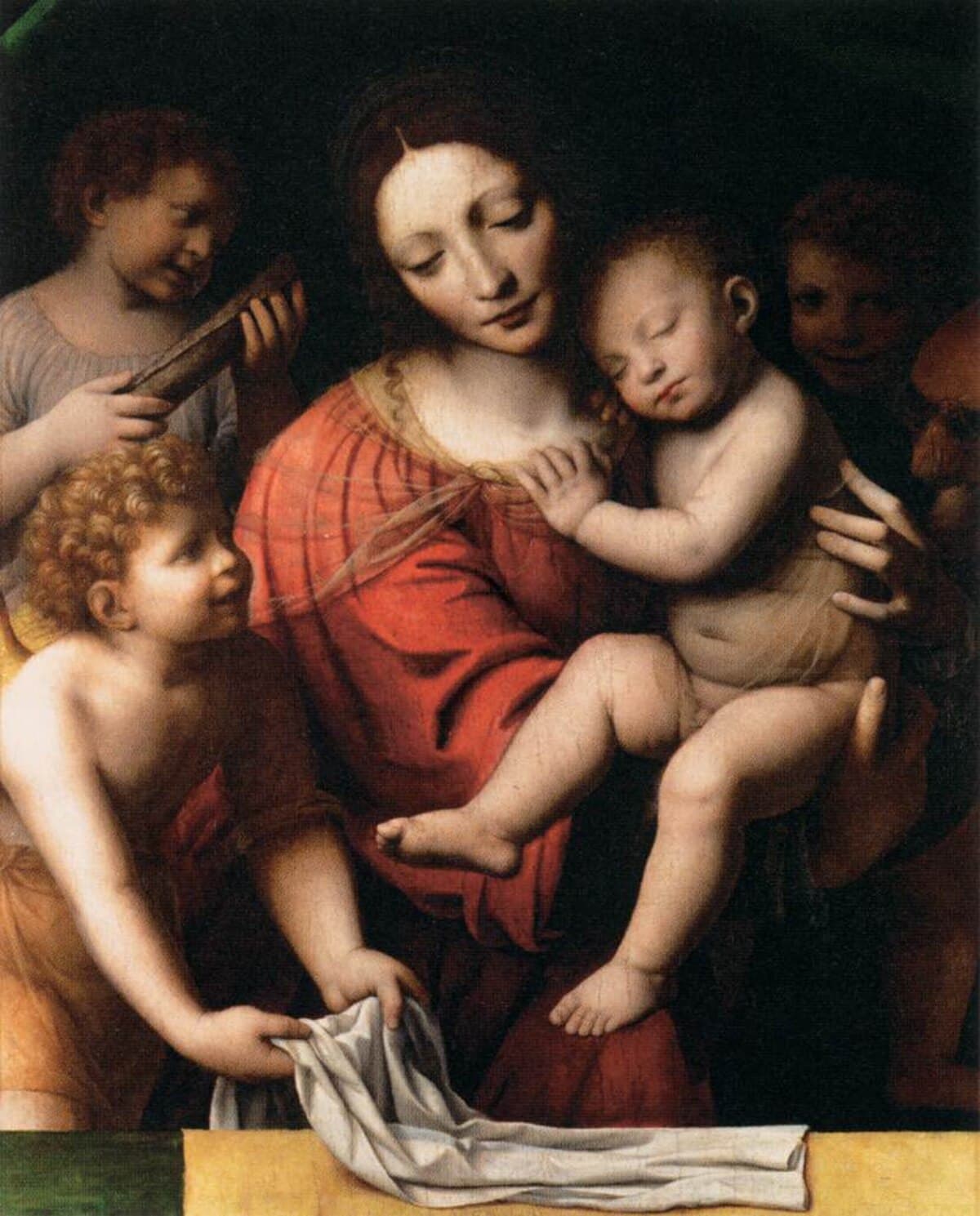
Madonna and Sleeping Child with Three Angels
Bernardino Luini
Louvre, Paris, Paris
Related Works
Works that share an artist, movement, museum, genre, palette or theme with Hunting.
- Same artist
- Same movement
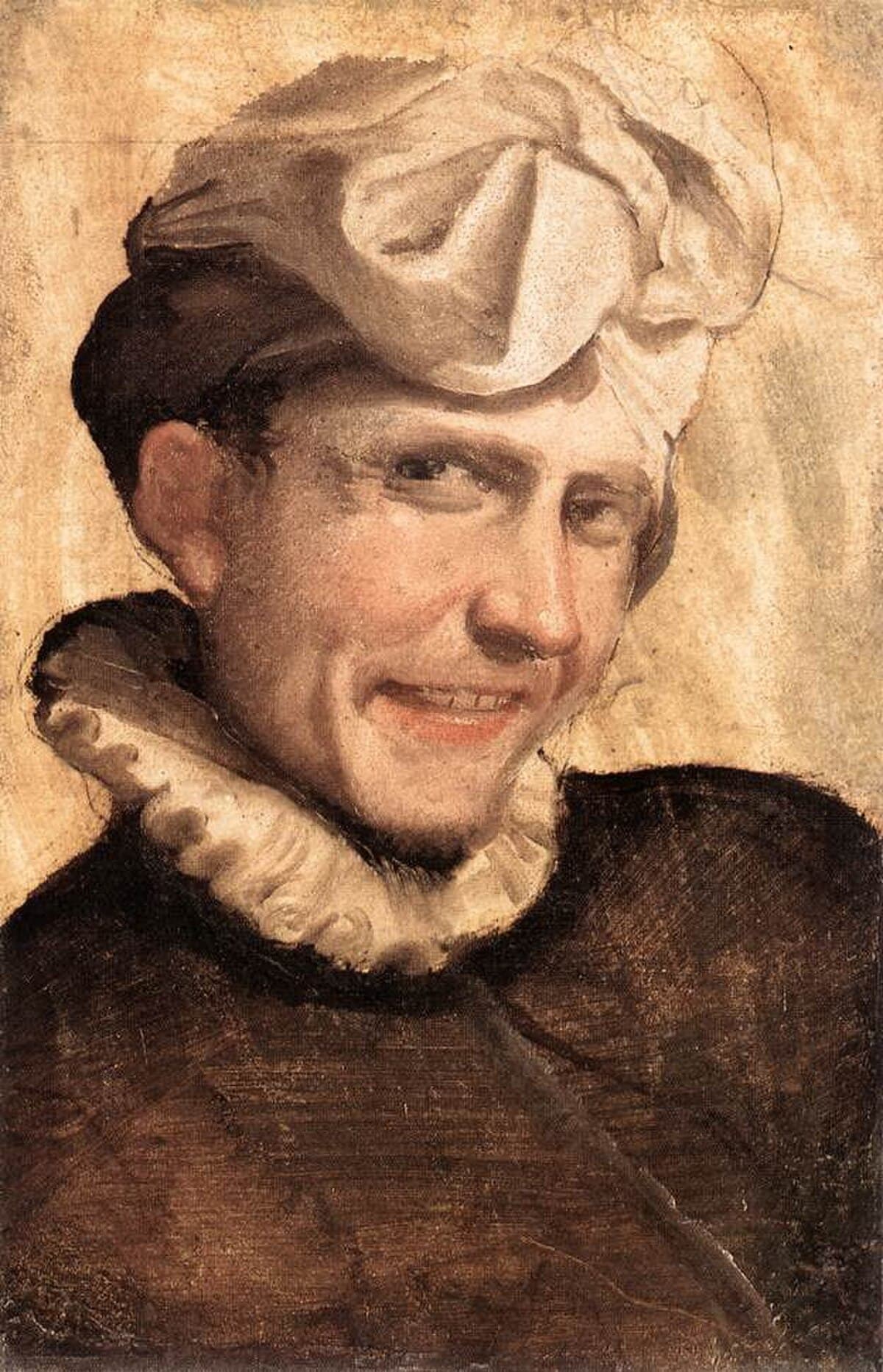
The Laughing Youth
Annibale Carracci
- Same artist
- Same movement
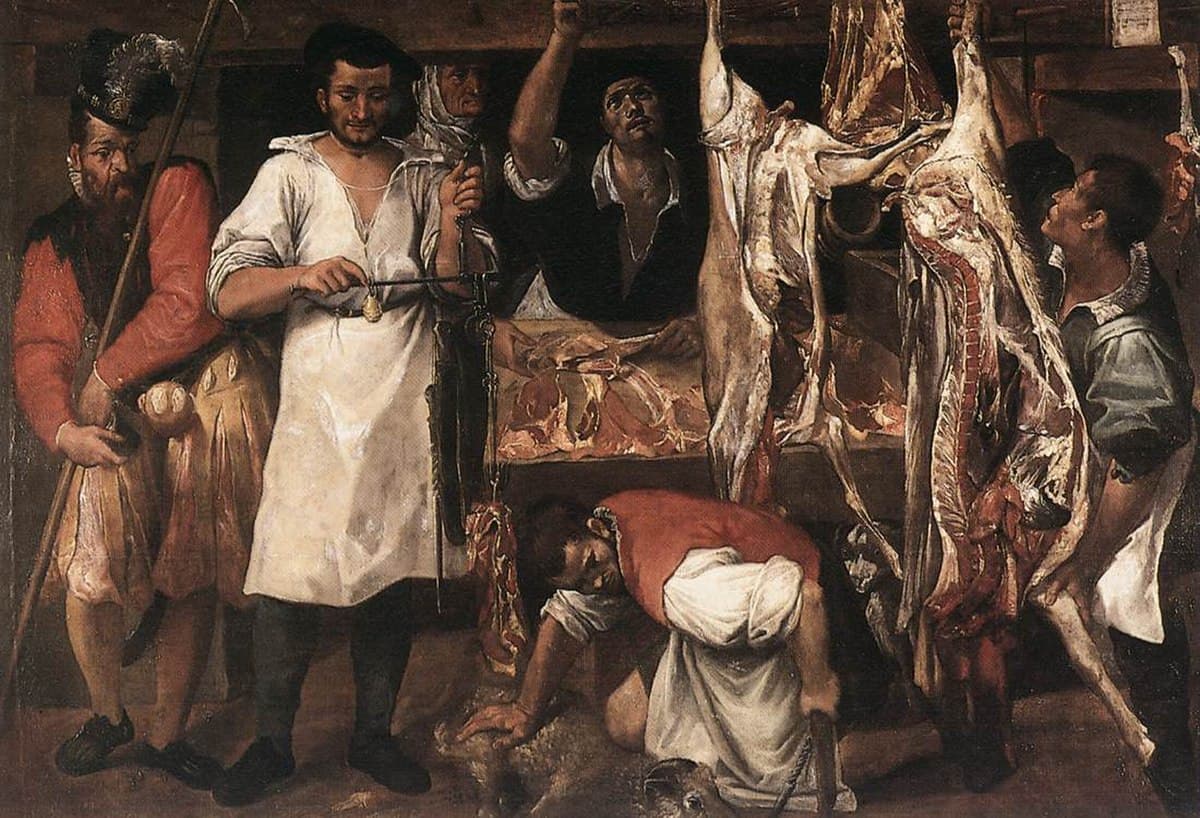
Butcher's Shop
Annibale Carracci
- Same artist
- Same movement
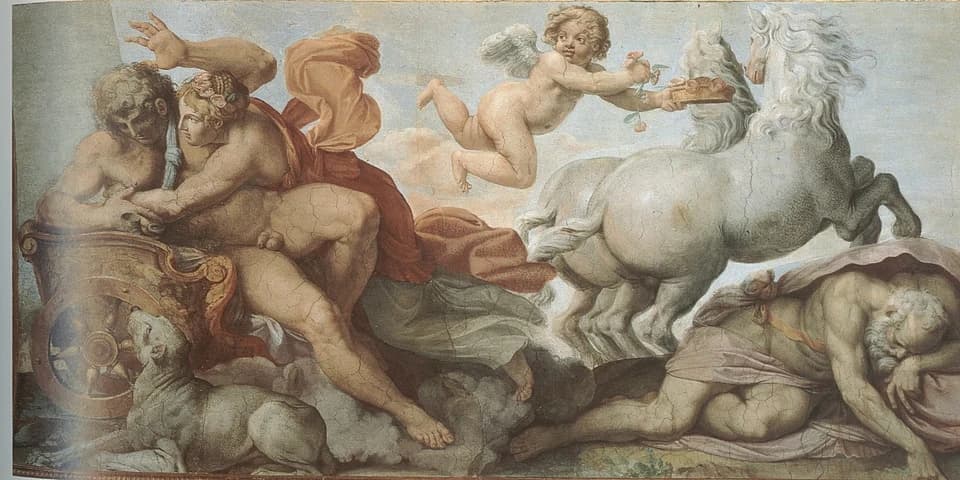
The Triumph of Bacchus and Ariadne
Annibale Carracci, 1602
- Same movement
- Same museum
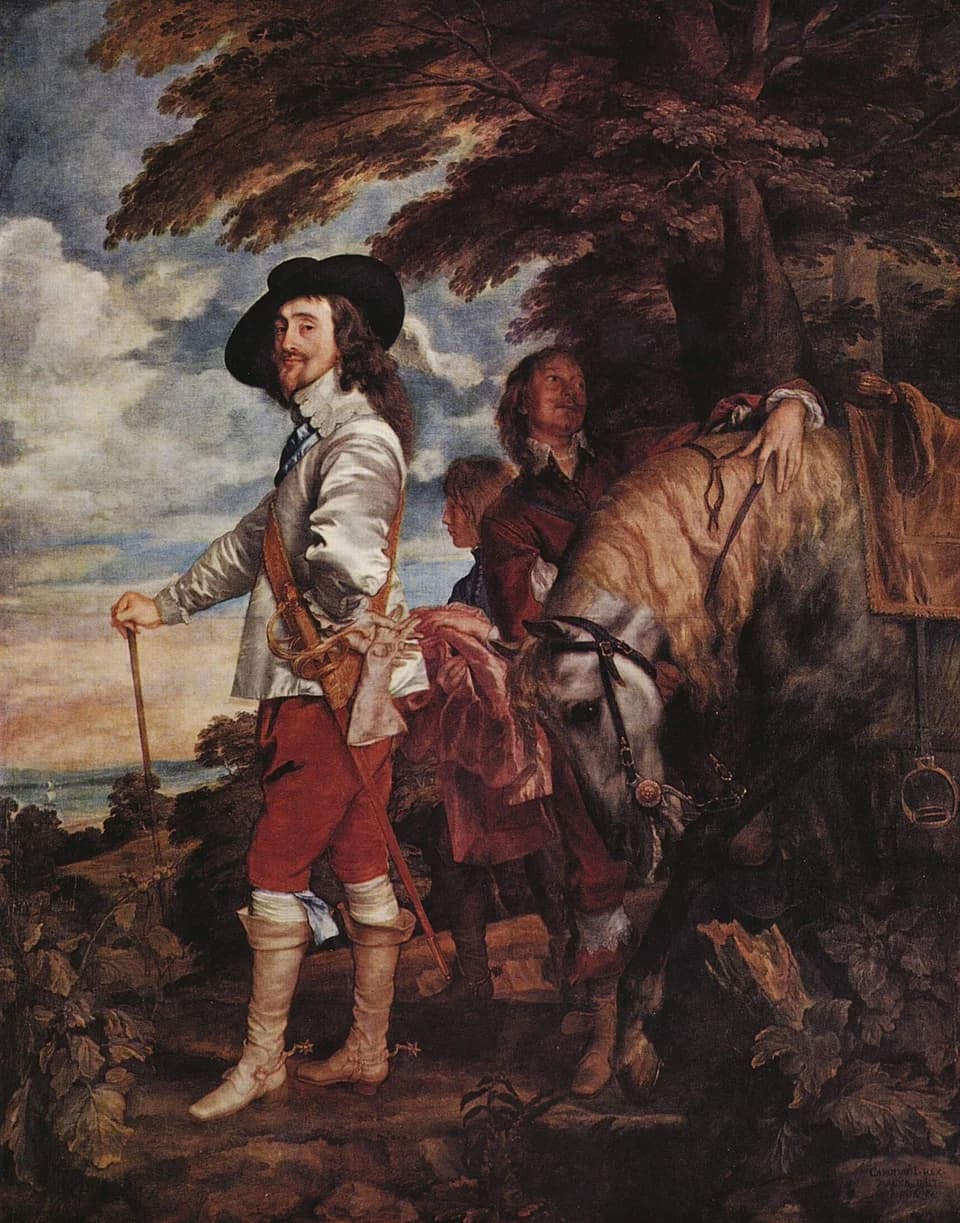
Charles I at the Hunt
Anthony van Dyck, 1635
- Same movement
- Same museum
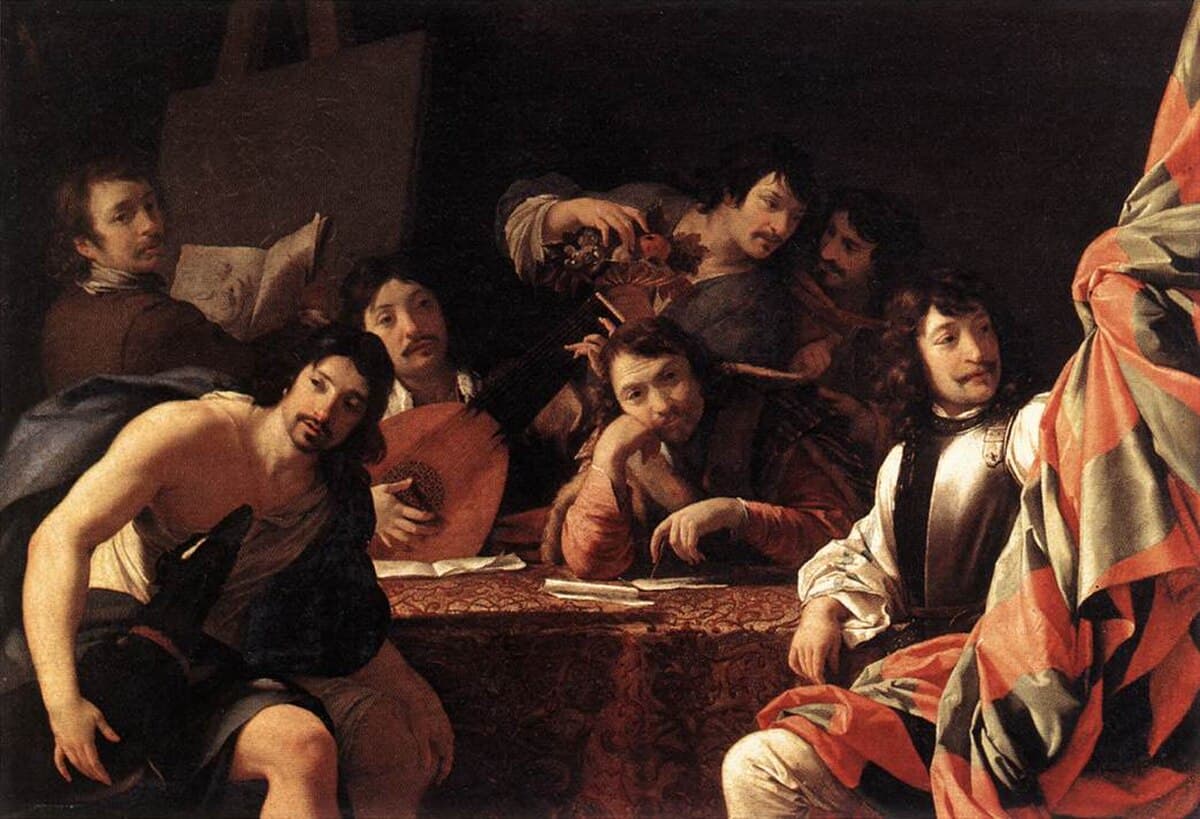
A Gathering of Friends
Eustache Le Sueur
- Same movement
- Same museum
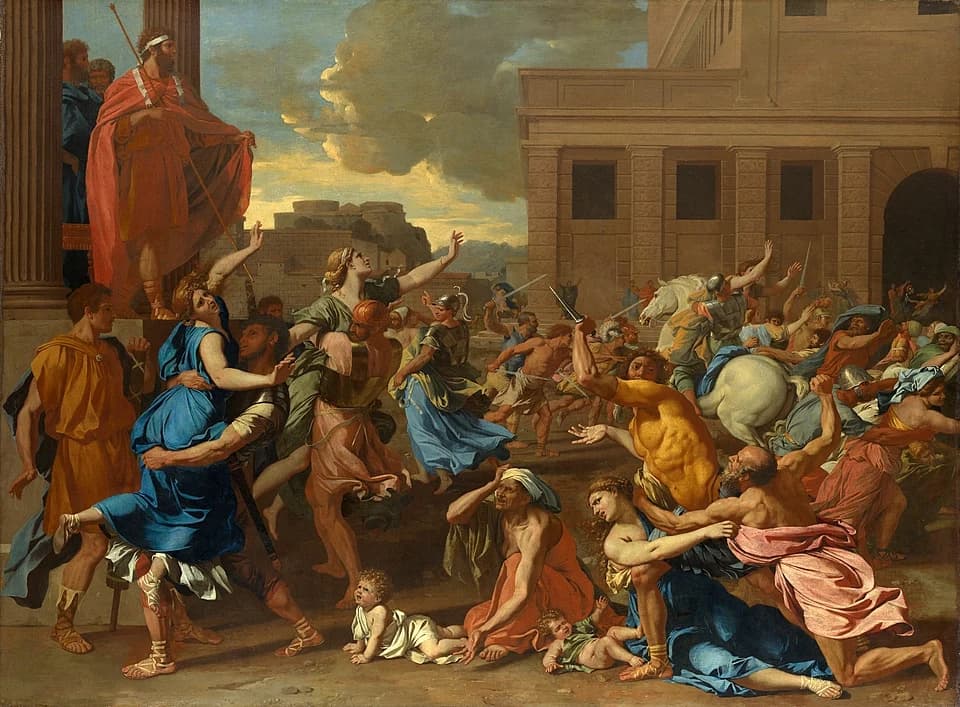
The Rape of the Sabine Women
Nicolas Poussin, 1638
- Same movement
- Same museum
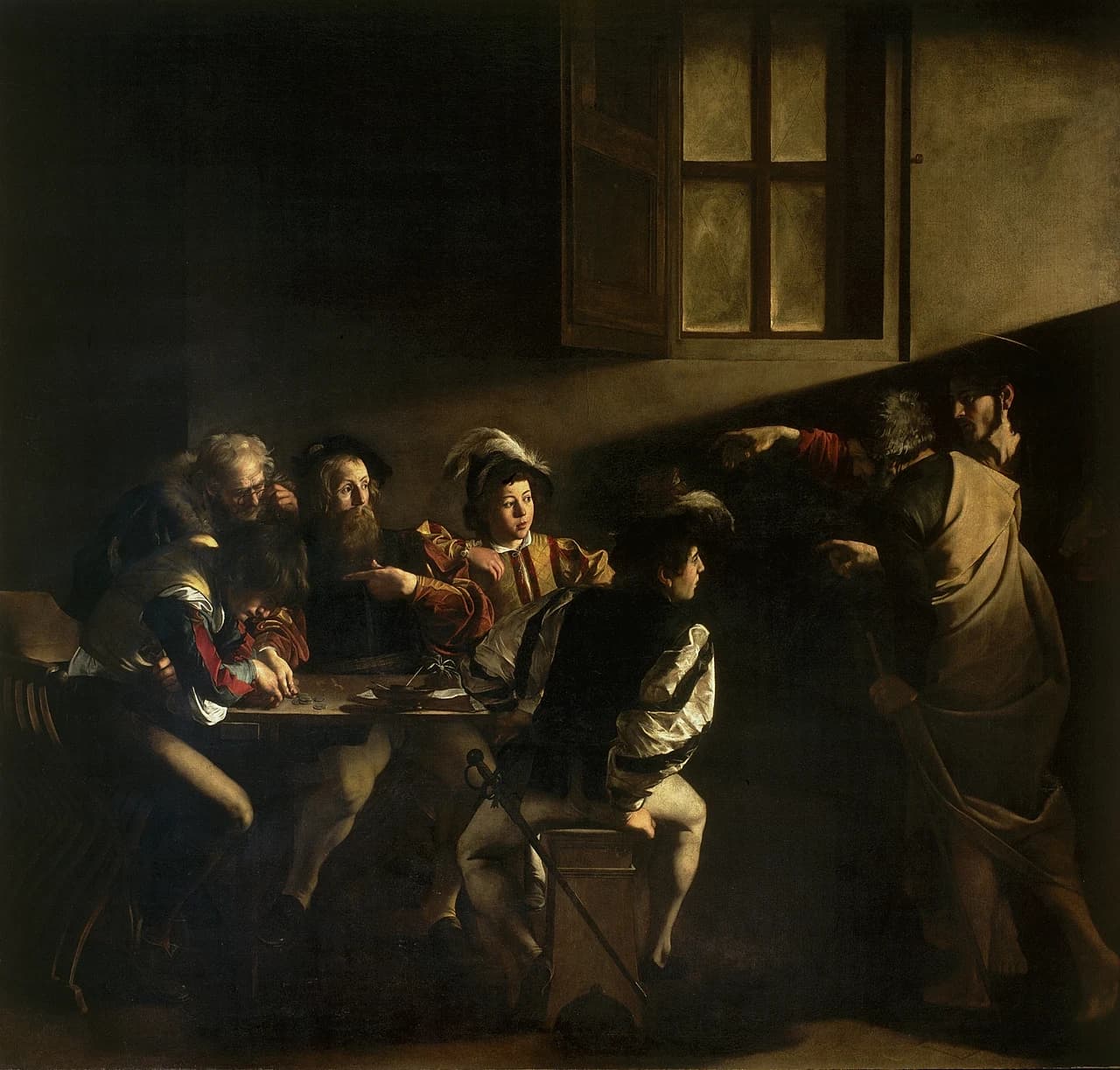
The Calling of Saint Matthew
Caravaggio, 1600
- Same movement
- Same museum
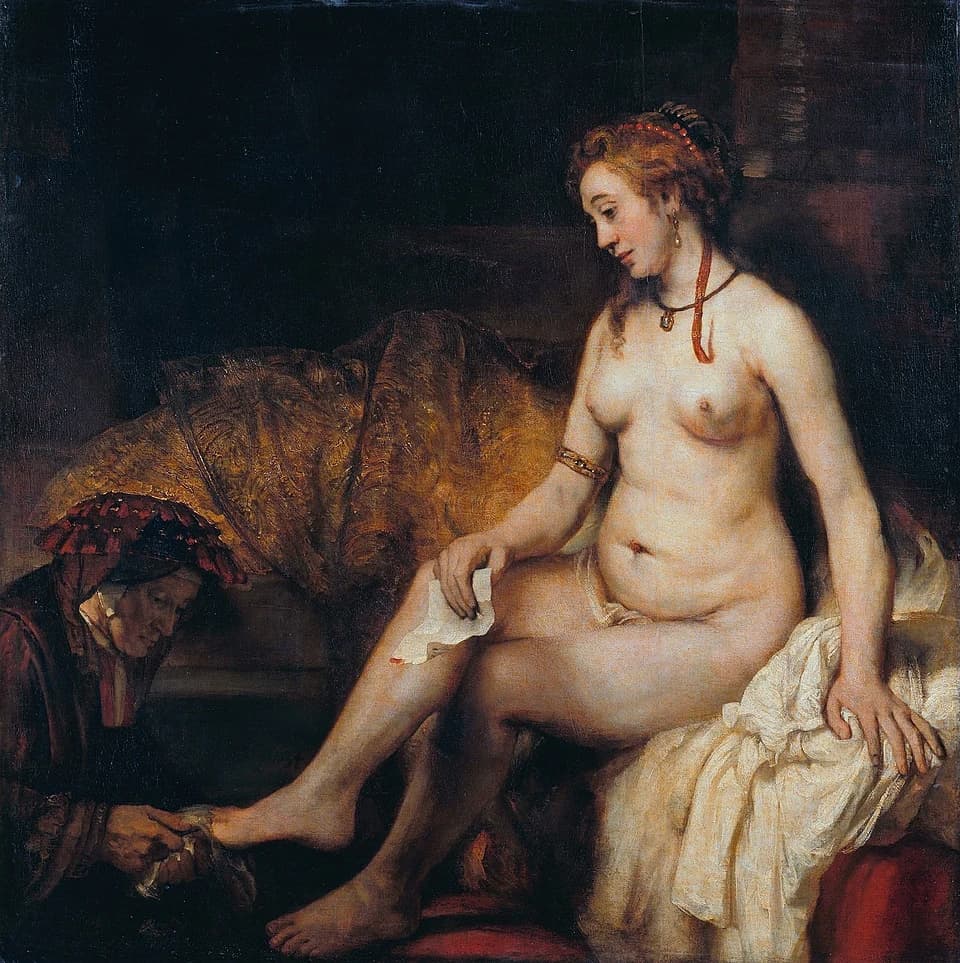
Bathsheba at Her Bath
Rembrandt van Rijn, 1654
- Same movement
- Same museum
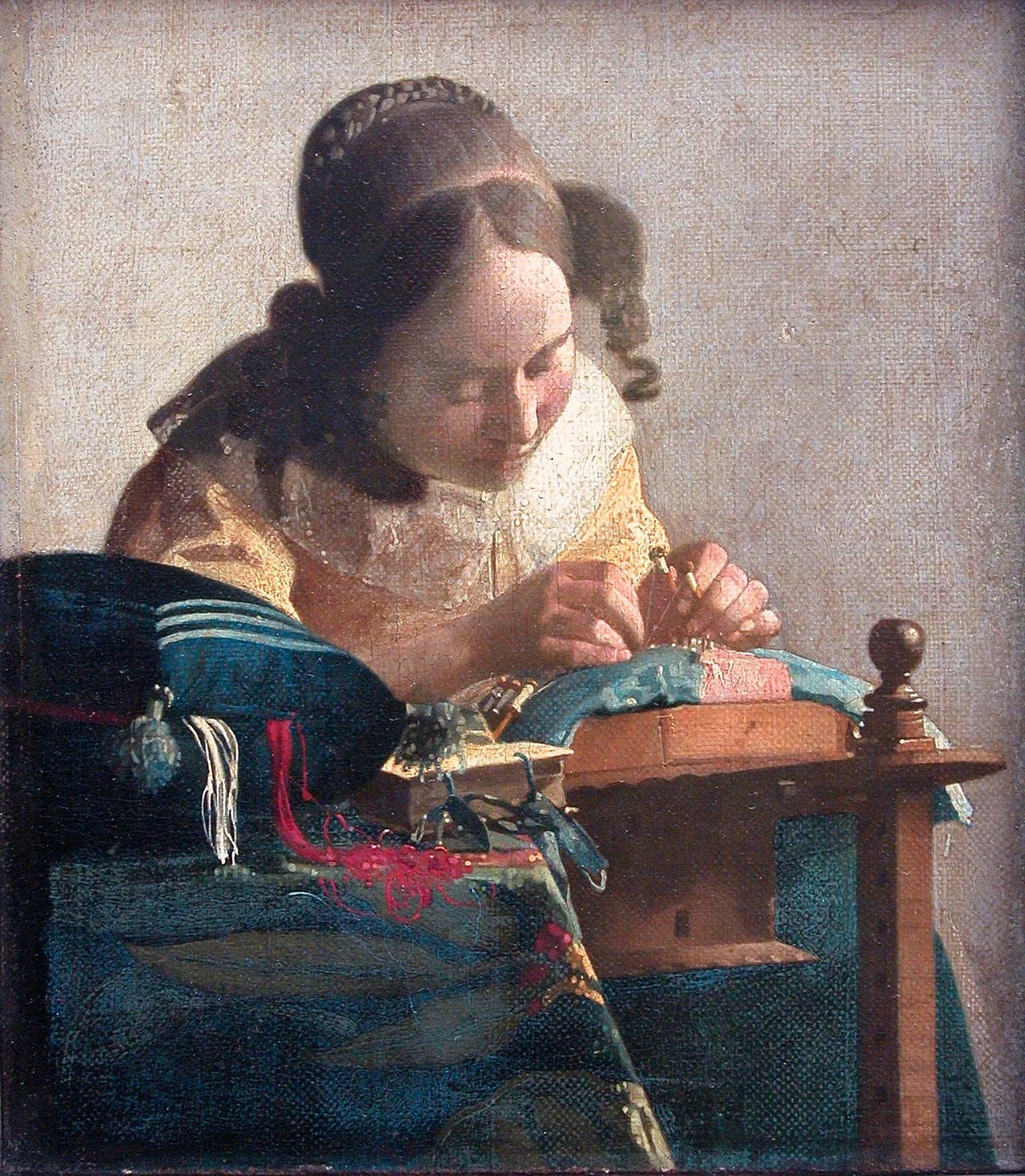
The Lacemaker
Johannes Vermeer, 1670
- Same movement
Aurora
Guido Reni, 1614
- Same movement
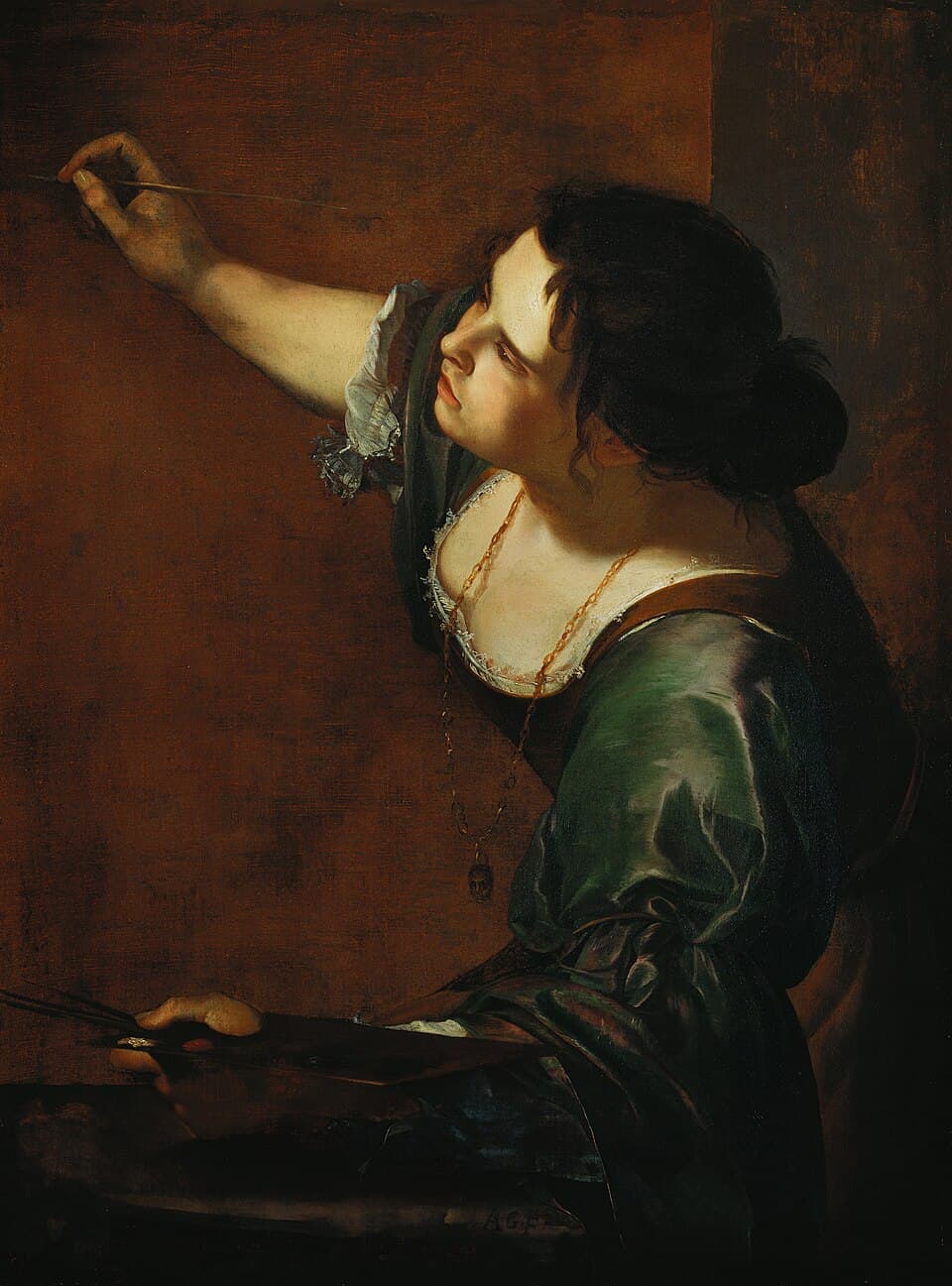
Self-Portrait as the Allegory of Painting
Artemisia Gentileschi, 1639
- Same movement
Las Meninas
Diego Velázquez, 1656
About Hunting
This painting hangs at the Louvre in Paris, France. It has been in the French royal collection since 1665 when Prince Camillo Pamphili gave it to Louis XIV.
Carracci painted "Fishing" as a companion piece. Both works received ornate gilt frames with thematic decorations and have remained together since entering the French royal collection.
This work helped establish landscape as a legitimate subject for Italian Baroque painting. Carracci showed nature for its own sake, not just as a setting for religious or mythological scenes.
The canvas measures 136 x 253 cm (approximately 53.5 x 99.5 inches). Its large scale allows for detailed depiction of multiple hunting activities across the woodland setting.
Own Art Like This
Luxury wall art with the same mood and energy. Gallery-quality canvas, no museum crowds.
Browse Collection