Wikimedia Commons • Public Domain
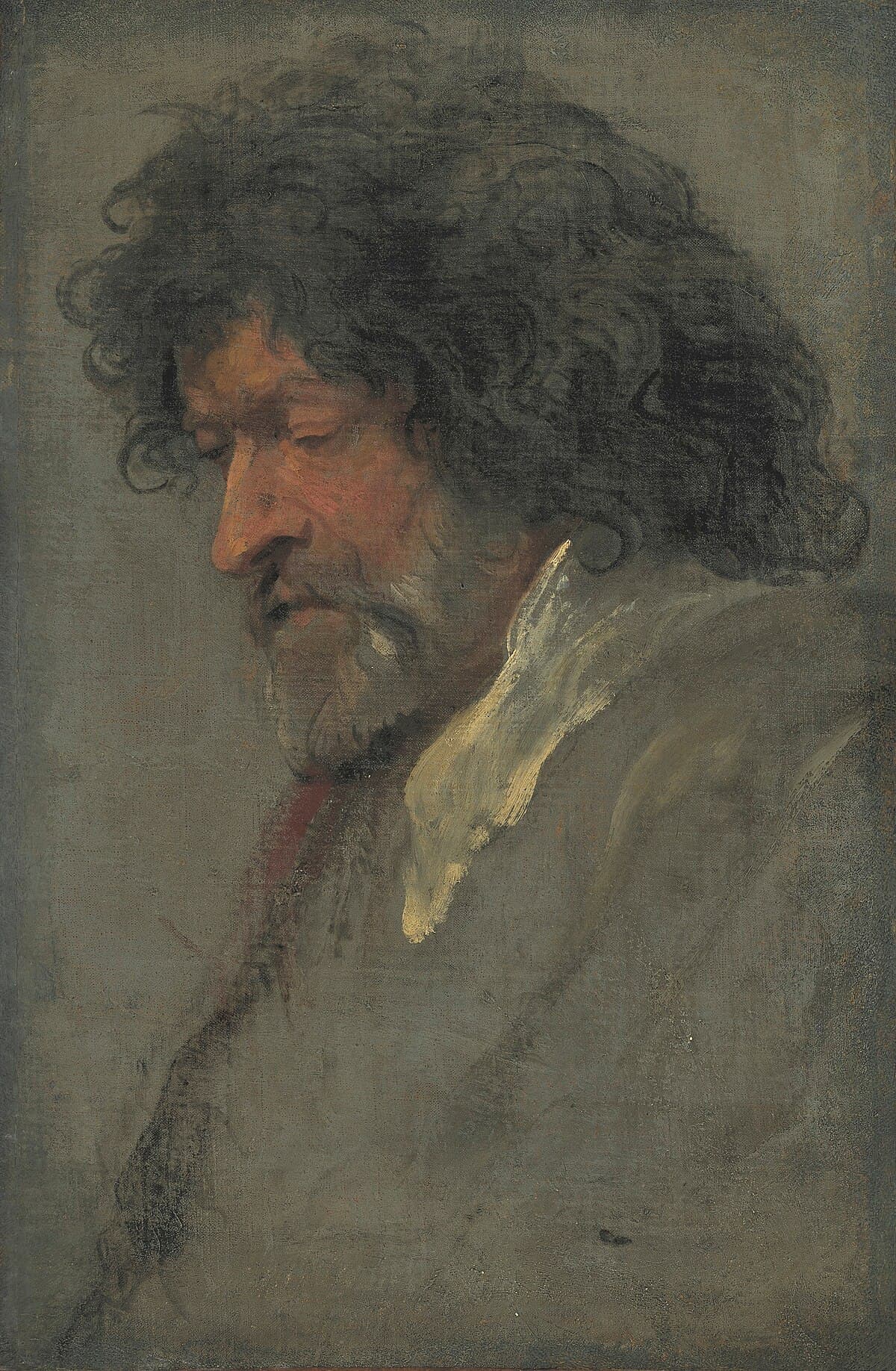
Head of a Robber
Artwork Details
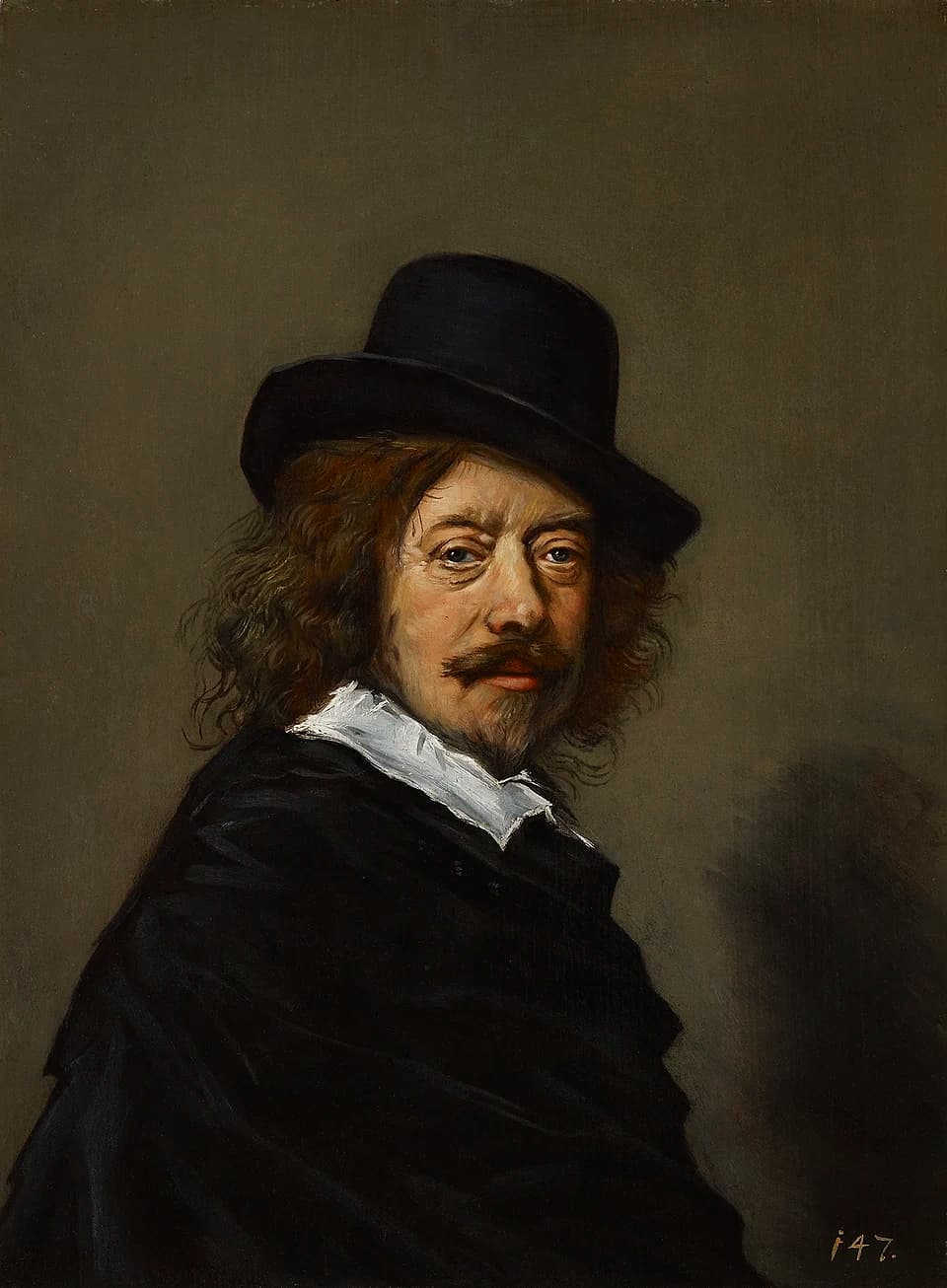
Anthony van Dyck executed this character study around 1617-1618, during his early years working in Antwerp before his time as court painter in England. The work belongs to the genre known as a "tronie," a type of Baroque portrait study depicting interesting facial types and expressions rather than specific individuals. These works were popular in the Low Countries and allowed artists to explore dramatic characterization.
The painting shows the head of a man with rough, weathered features that earned it the title "Head of a Robber." Van Dyck's brushwork captures texture and personality with the confidence that would later make him one of the most sought-after portraitists in Europe. The dramatic lighting and psychological depth reflect the influence of his teacher Peter Paul Rubens.
Today this work hangs at the Kunsthistorisches Museum in Vienna, Austria. The museum's collection includes numerous major works from the Flemish Baroque period, providing rich context for van Dyck's development as an artist.