Wikimedia Commons • Public Domain
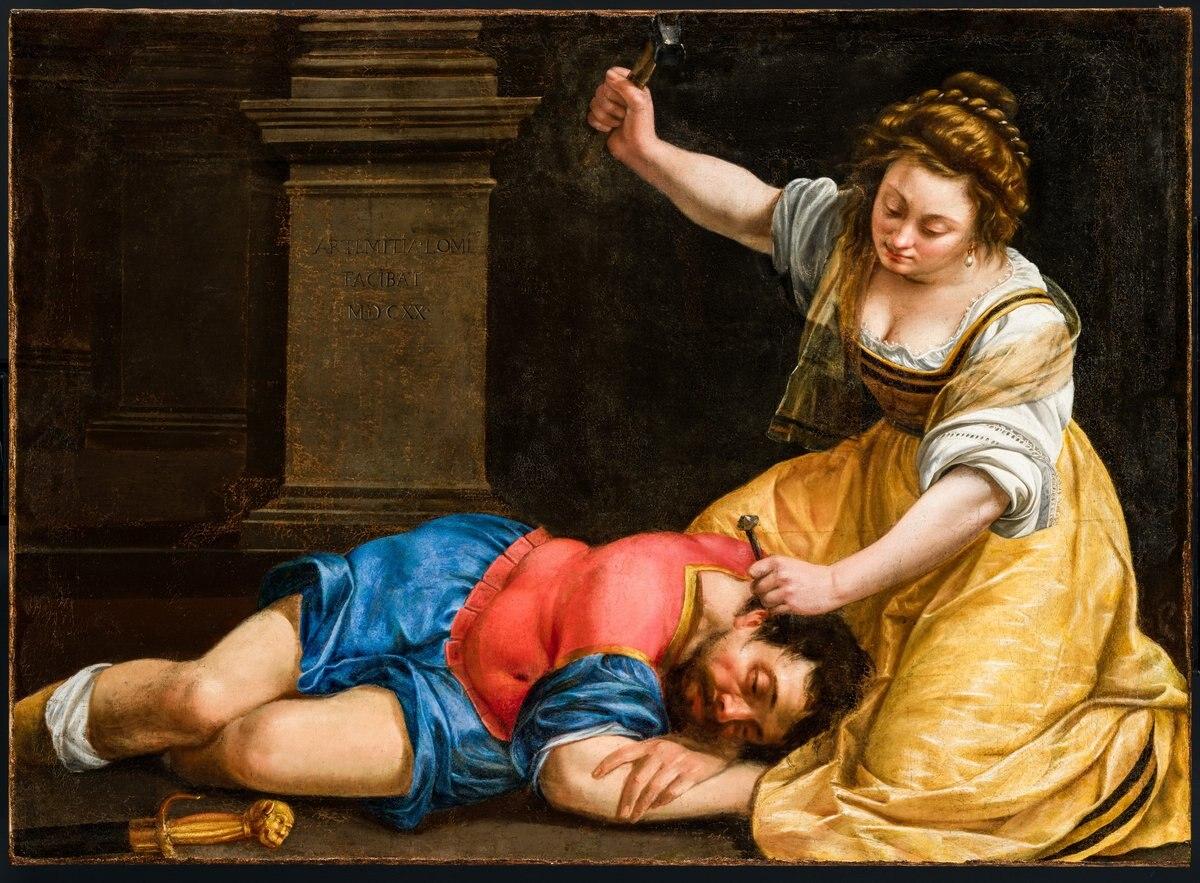
Jael and Sisera
StyleBaroque
Artwork Details
Cite or Embed This Work
APA · MLA · Chicago1-click academic citation and embeddable “On View” museum badge for articles, syllabi, and research.
Artemisia Gentileschi rendered this violent biblical scene around 1620, depicting the moment when the Israelite heroine Jael prepares to kill the Canaanite general Sisera. According to the Book of Judges, Sisera fled to Jael's tent after losing a battle, where she offered him milk and let him sleep before driving a tent peg through his skull.
Artemisia's version shows Jael leaning over the sleeping general, hammer raised, her face calm and determined. The dramatic contrast of light and shadow follows the Caravaggist style that Artemisia mastered, with the figures emerging powerfully from a dark background. Like many of Artemisia's subjects, Jael is a woman taking violent action against a man, a theme that scholars have connected to the artist's own experience of sexual assault and subsequent trial against her attacker.
The painting belongs to the Budapest Museum of Fine Arts in Hungary. Artemisia returned to subjects of powerful women throughout her career, including Judith, Susanna, and Lucretia. Her Jael combines technical brilliance with psychological intensity, showing a woman in complete control of a deadly situation.
More by Artemisia Gentileschi
View all →J
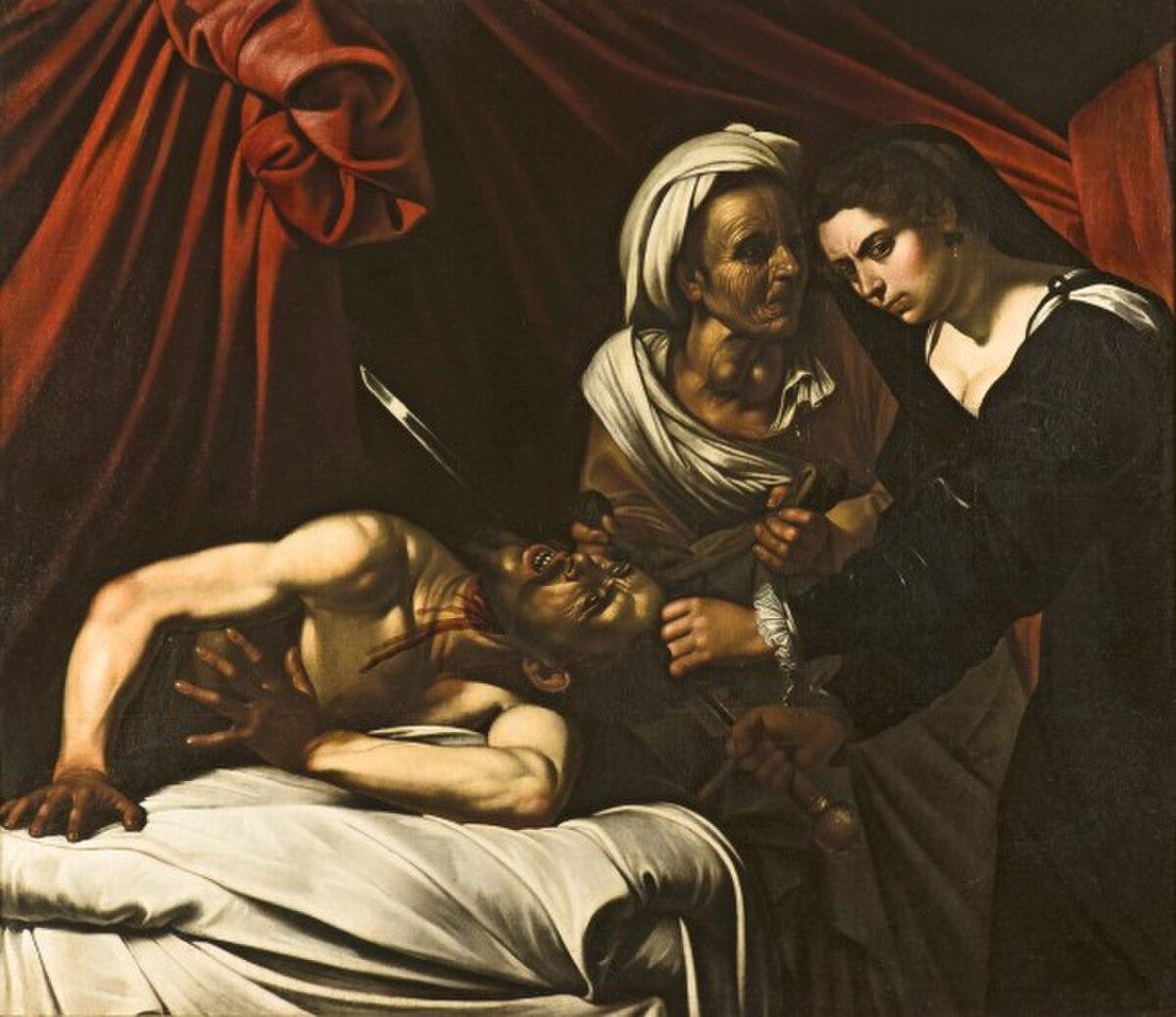
Judith Beheading Holofernes
Artemisia Gentileschi
Private Collection, Unknown
D
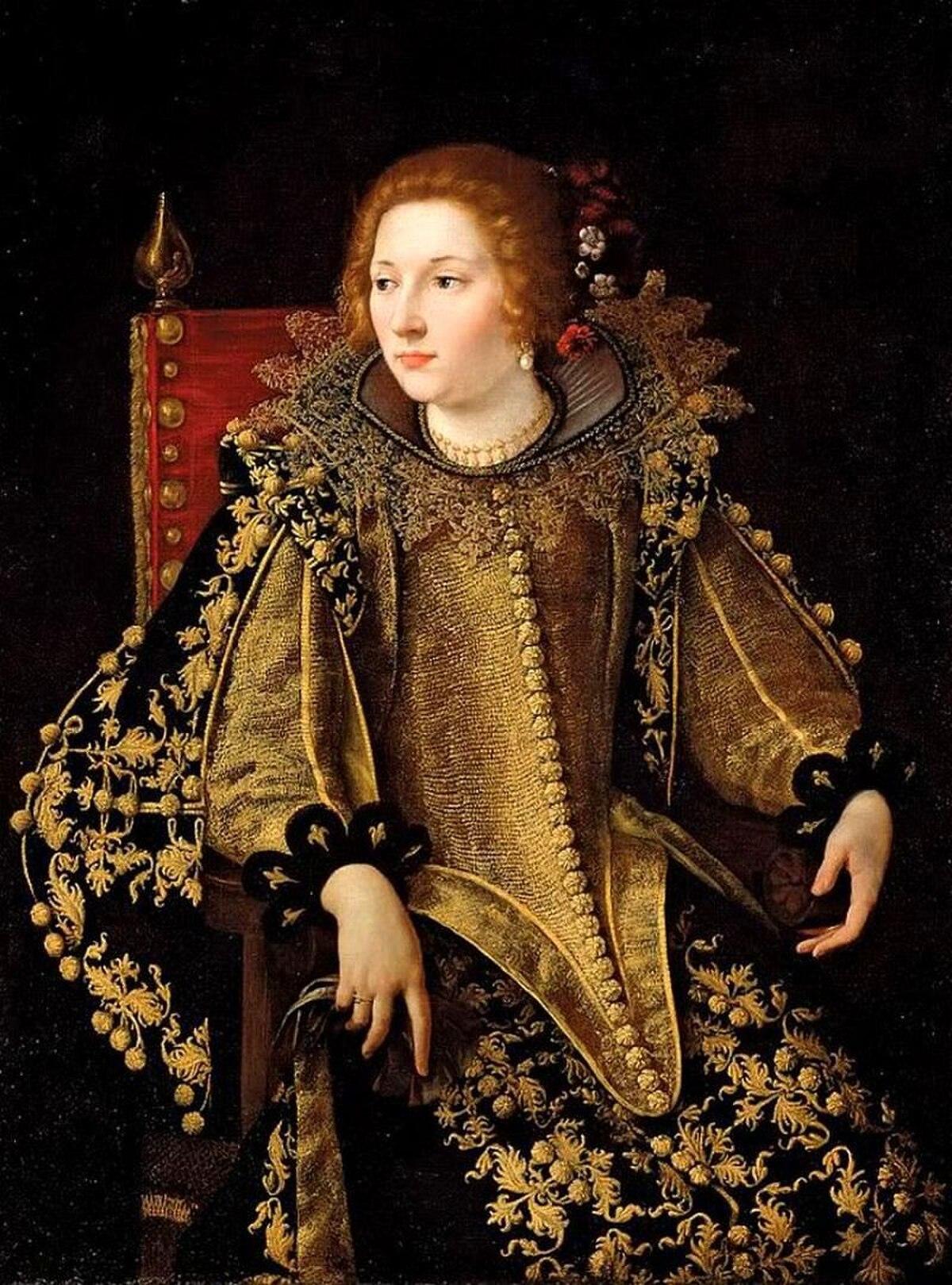
Dame assise de trois-quarts
Artemisia Gentileschi
Private Collection, Unknown
P
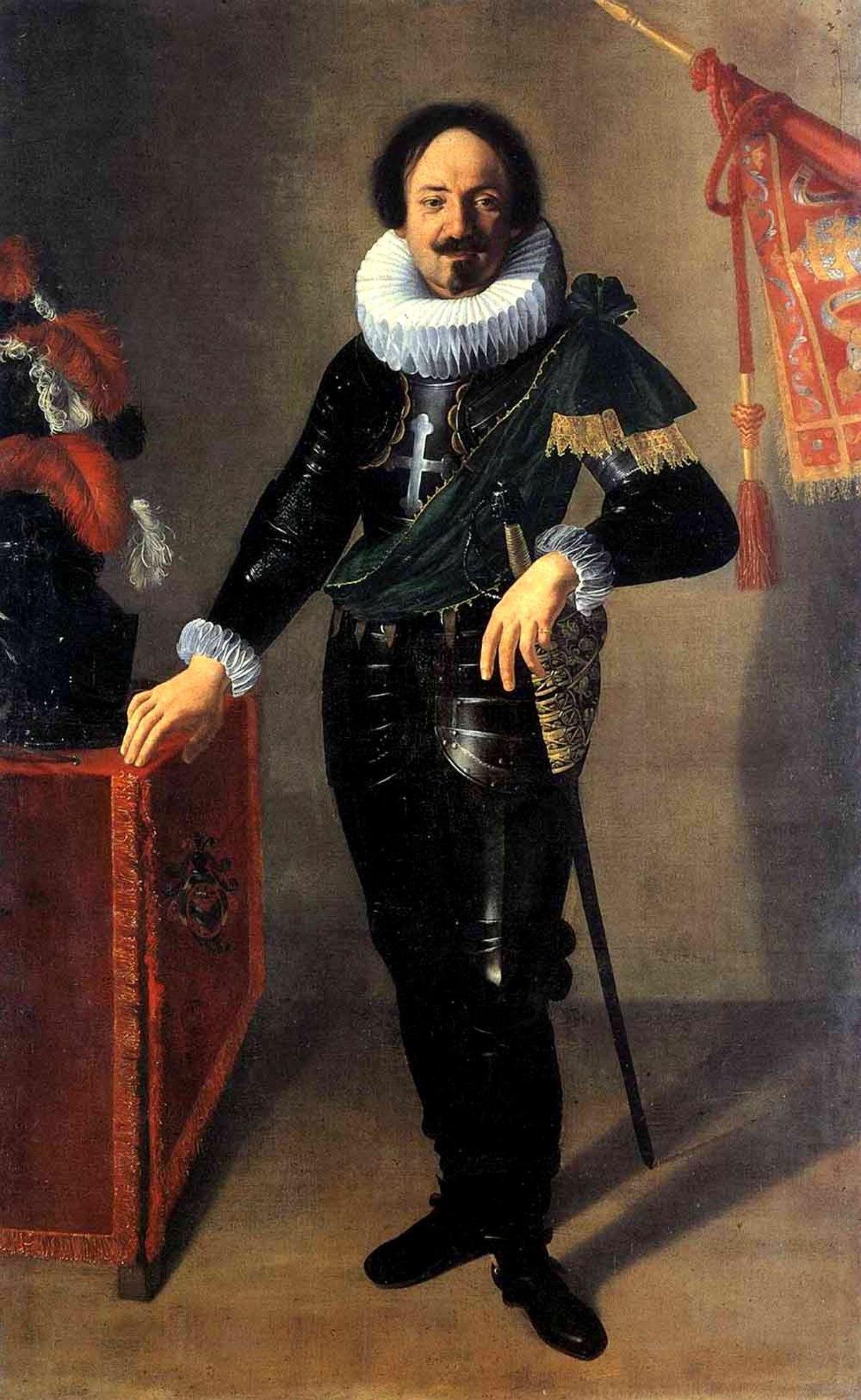
Portrait of a Condottiero
Artemisia Gentileschi
Palazzo d'Accursio (Palazzo Comunale), Bologna, Bologna
J
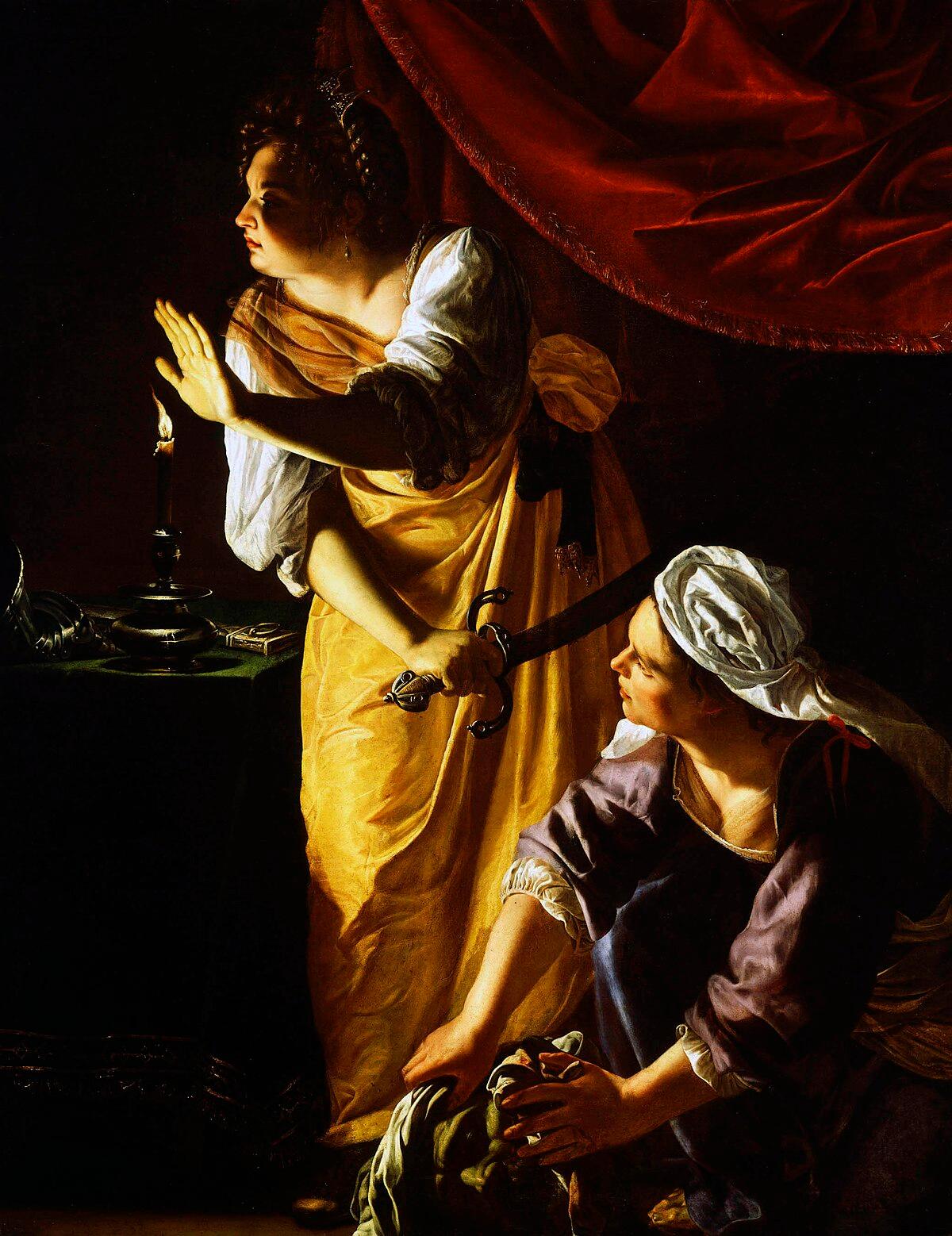
Judith and her Maidservant
Artemisia Gentileschi
Palazzo Pitti, Florence
Also at Budapest Museum of Fine Arts, Budapest
View all →P
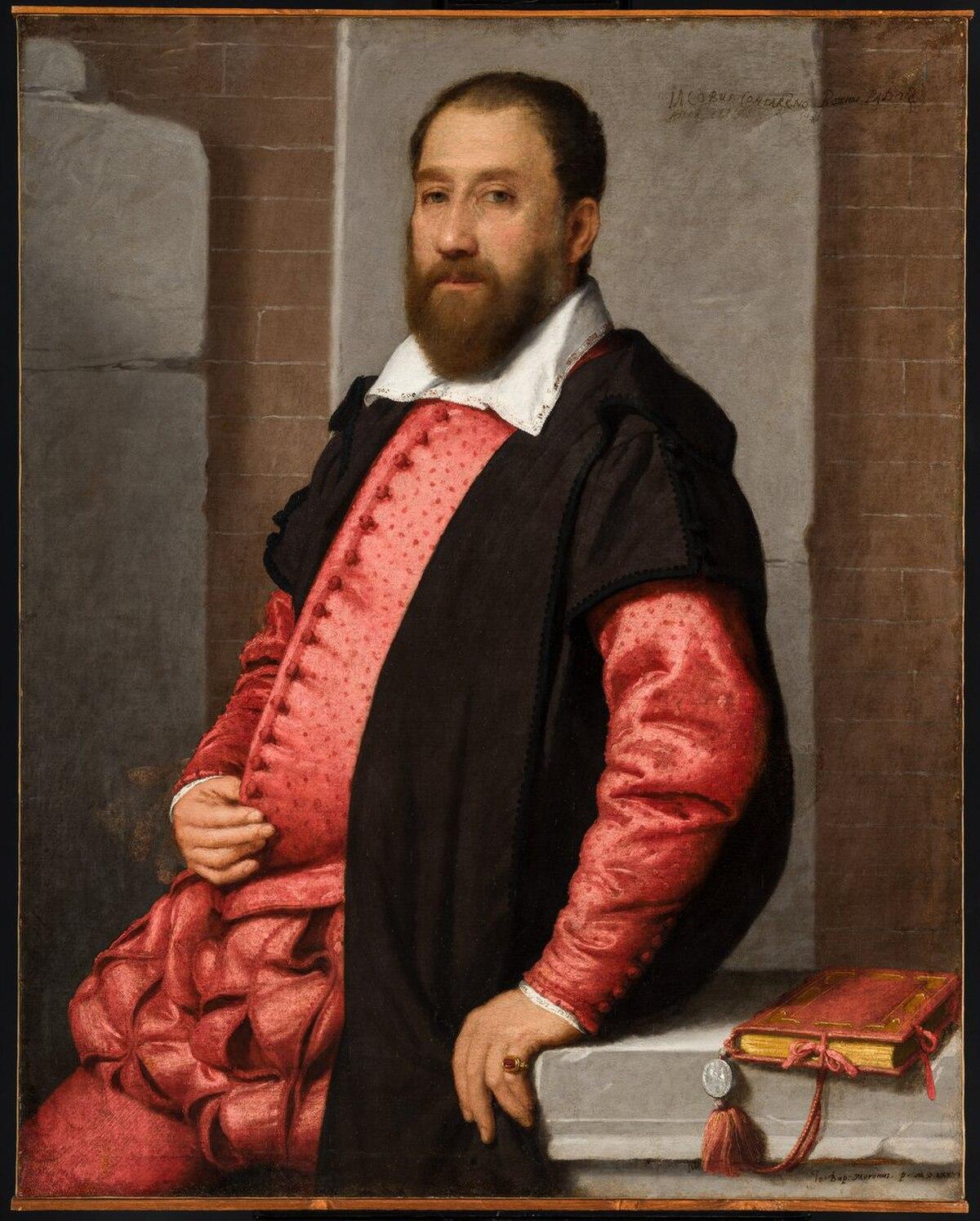
Portrait of Jacopo Foscarini
Giovanni Battista Moroni
Budapest Museum of Fine Arts, Budapest, Budapest
H
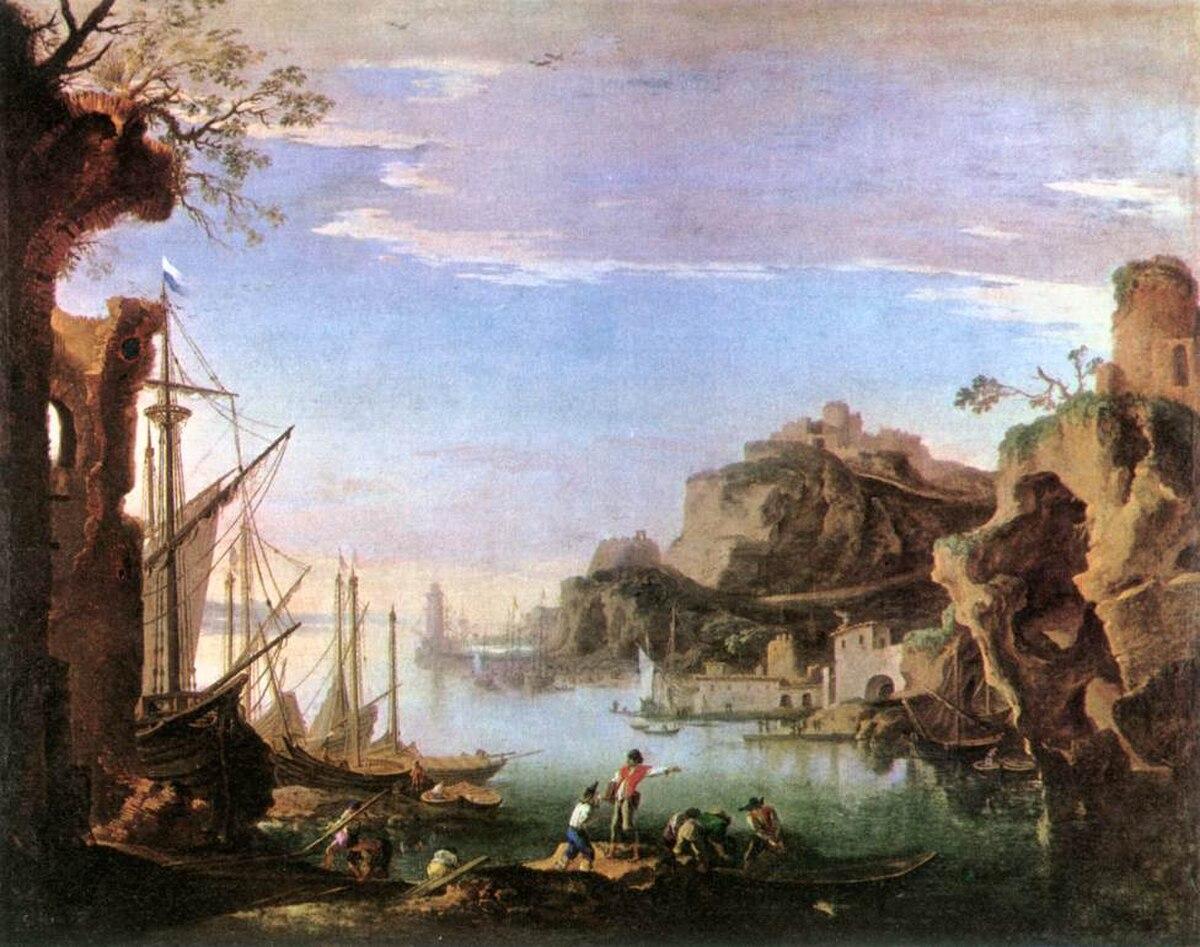
Harbour with Ruins
Salvator Rosa
Budapest Museum of Fine Arts, Budapest, Budapest
O
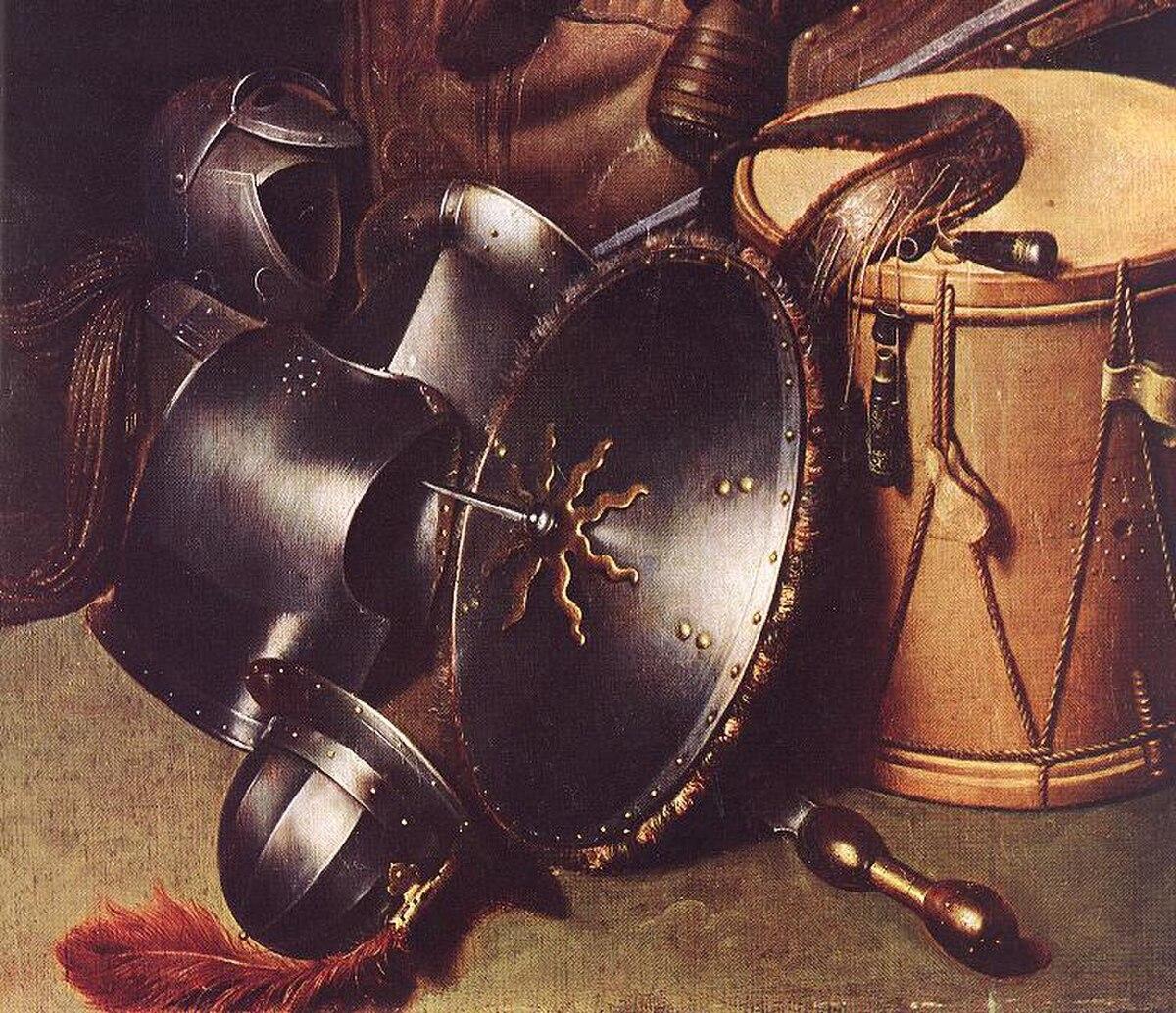
Officer of the Marksman Society in Leiden
Gerrit Dou
Budapest Museum of Fine Arts, Budapest, Budapest
T
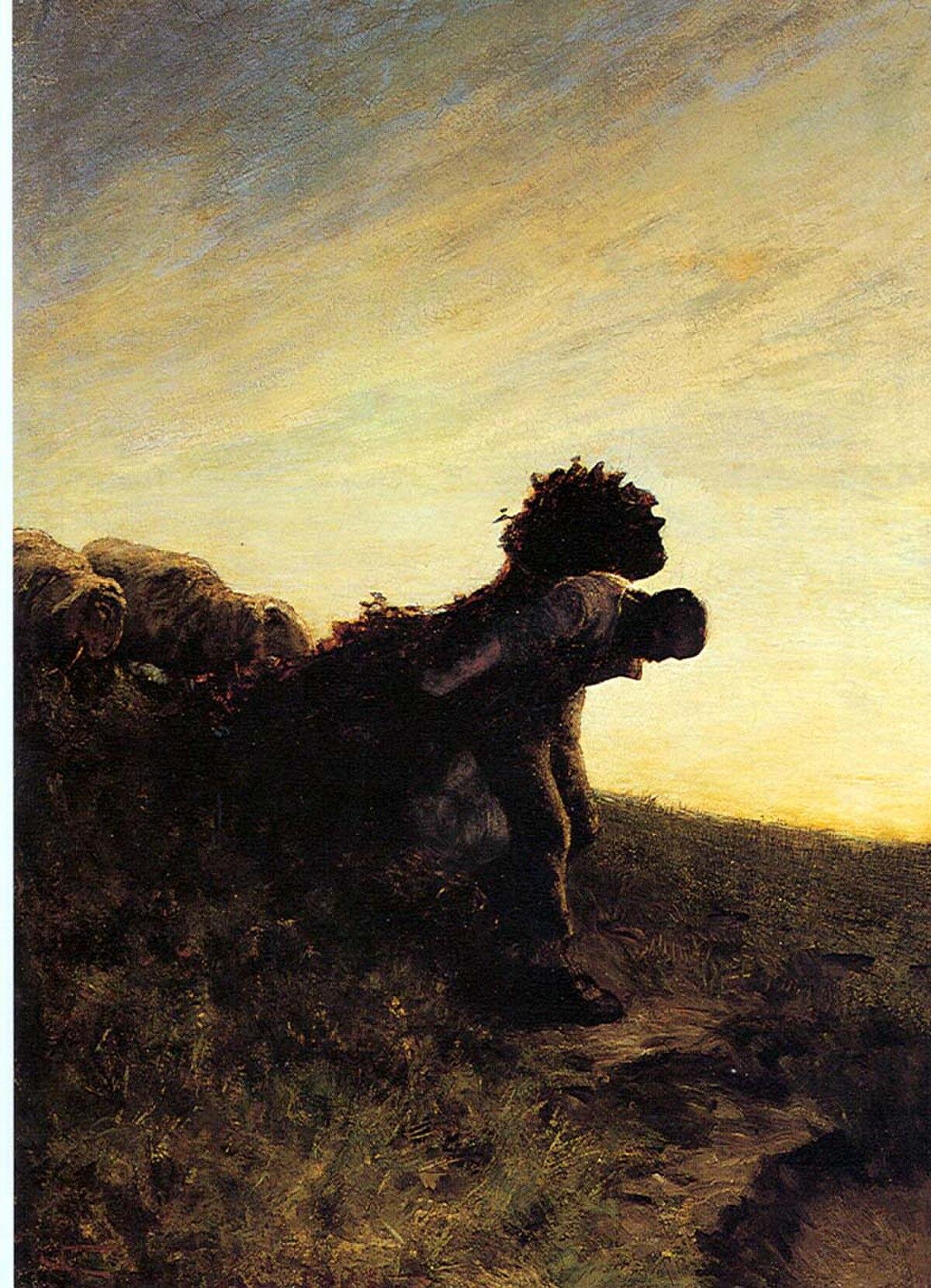
The last effort of the day
Giovanni Segantini
Budapest Museum of Fine Arts, Budapest, Budapest
Related Works
Works that share an artist, movement, museum, genre, palette or theme with Jael and Sisera.
- Same artist
- Same movement
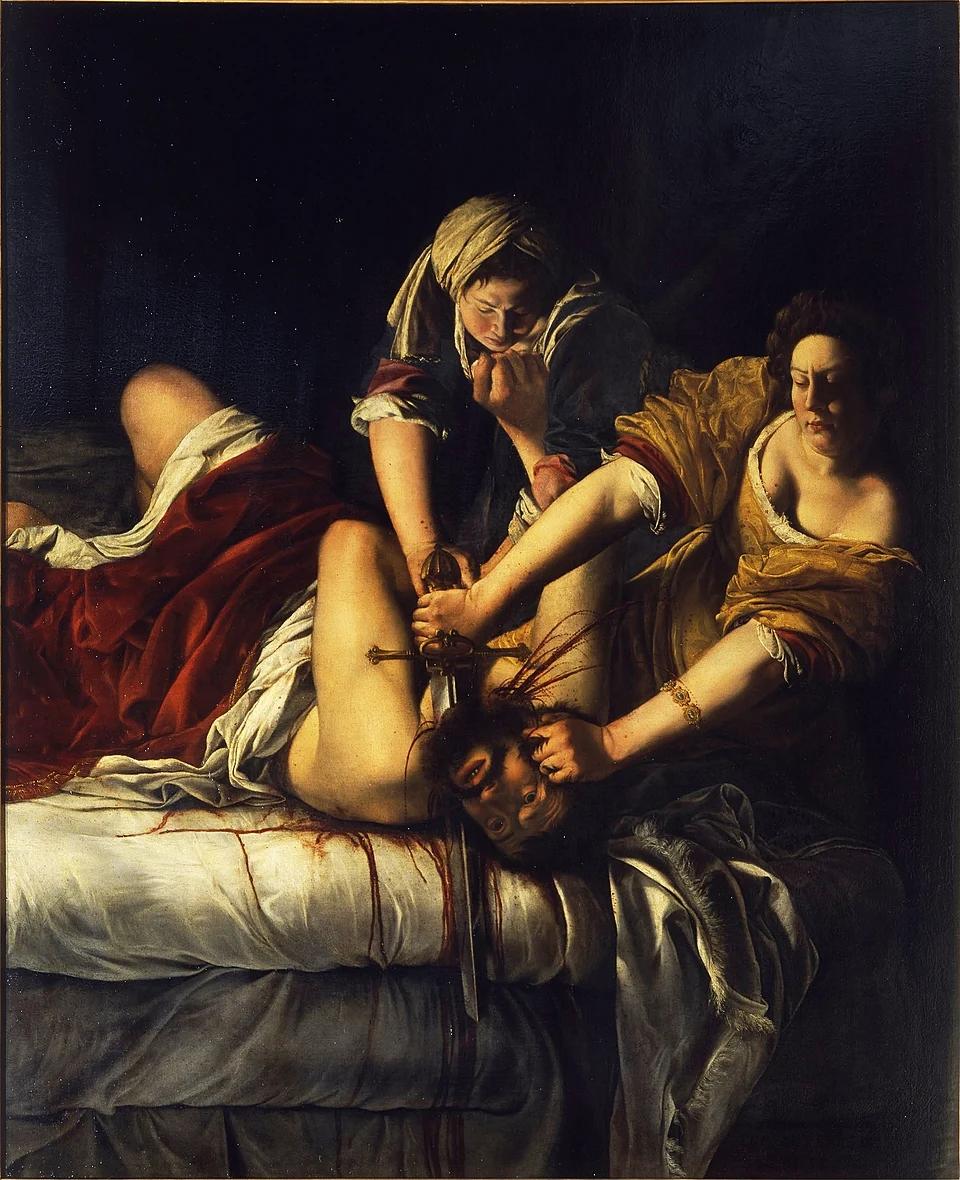
Judith Slaying Holofernes
Artemisia Gentileschi, 1620
- Same artist
- Same movement
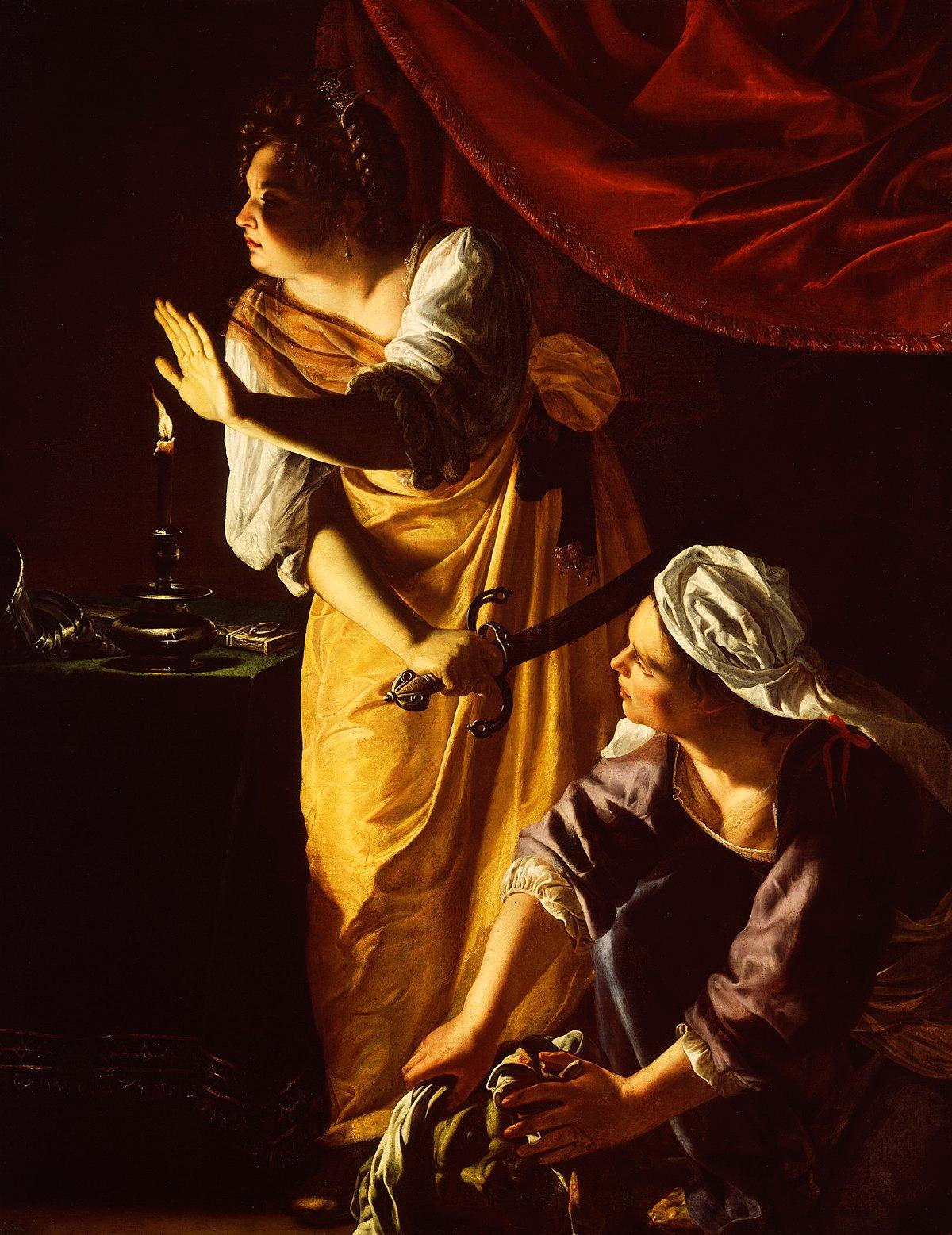
Judith and Her Maidservant with the Head of Holofernes
Artemisia Gentileschi
- Same artist
- Same movement
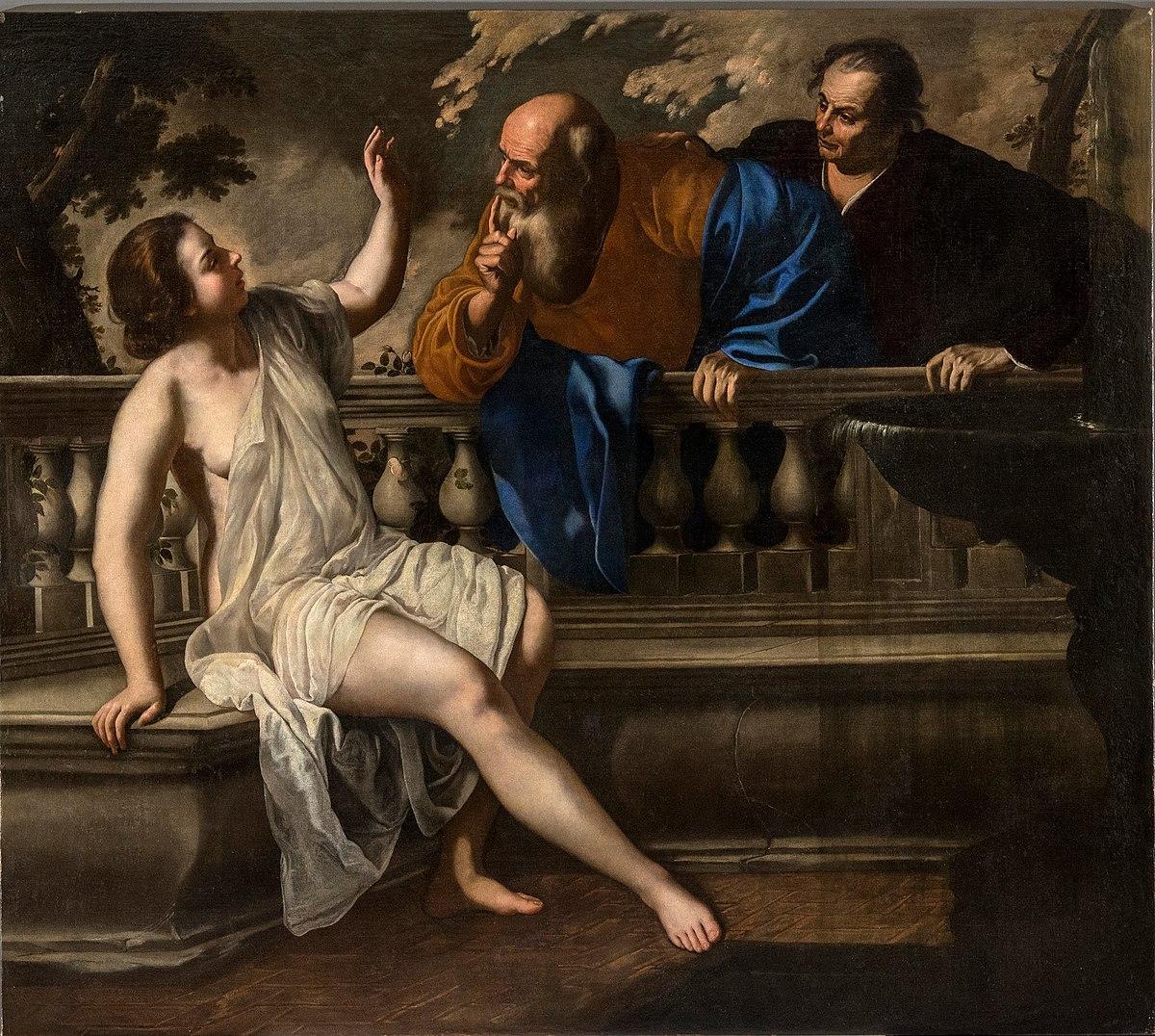
Susanna and the Elders
Artemisia Gentileschi
- Same movement
- Same museum
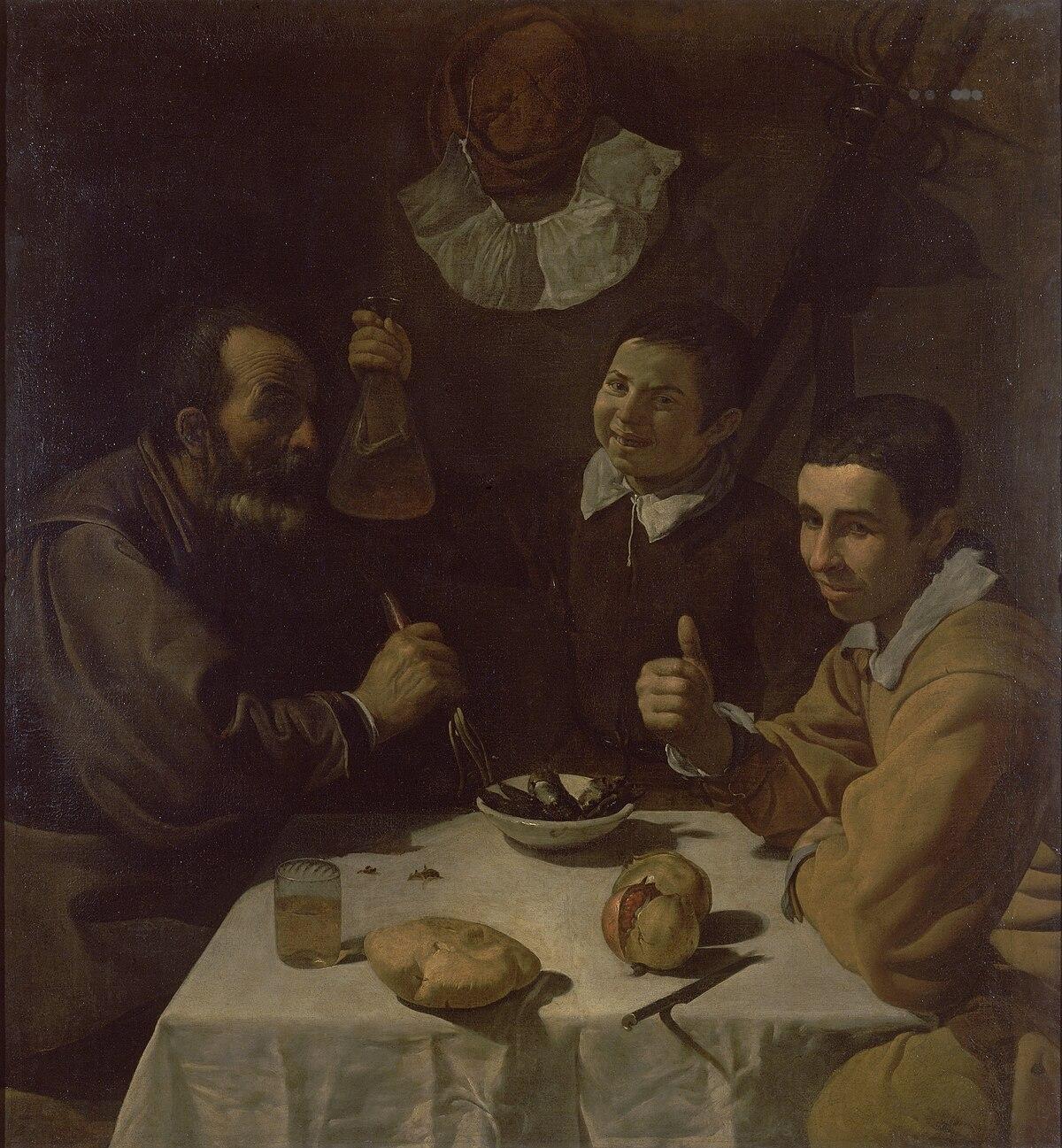
The Lunch
Diego Velázquez
- Same movement
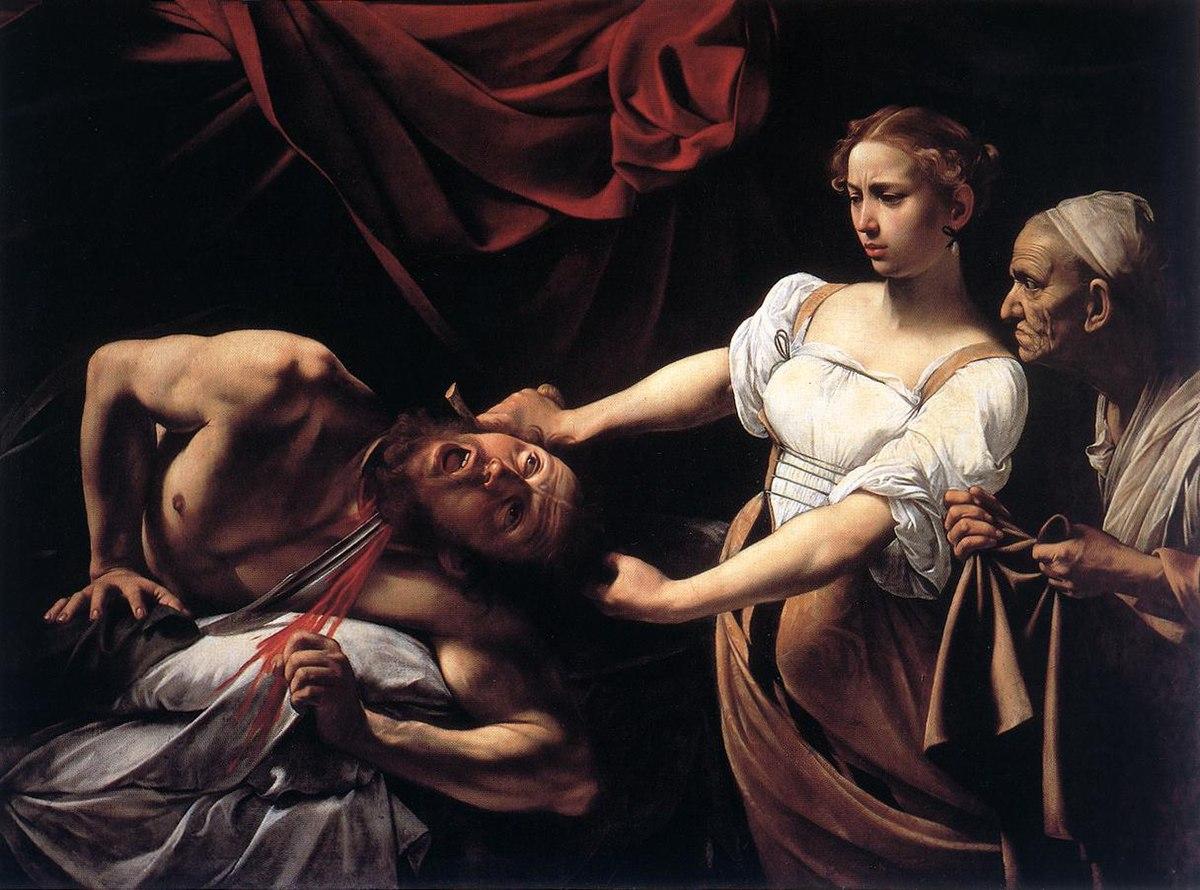
Judith Beheading Holofernes
Caravaggio, 1599
- Same movement
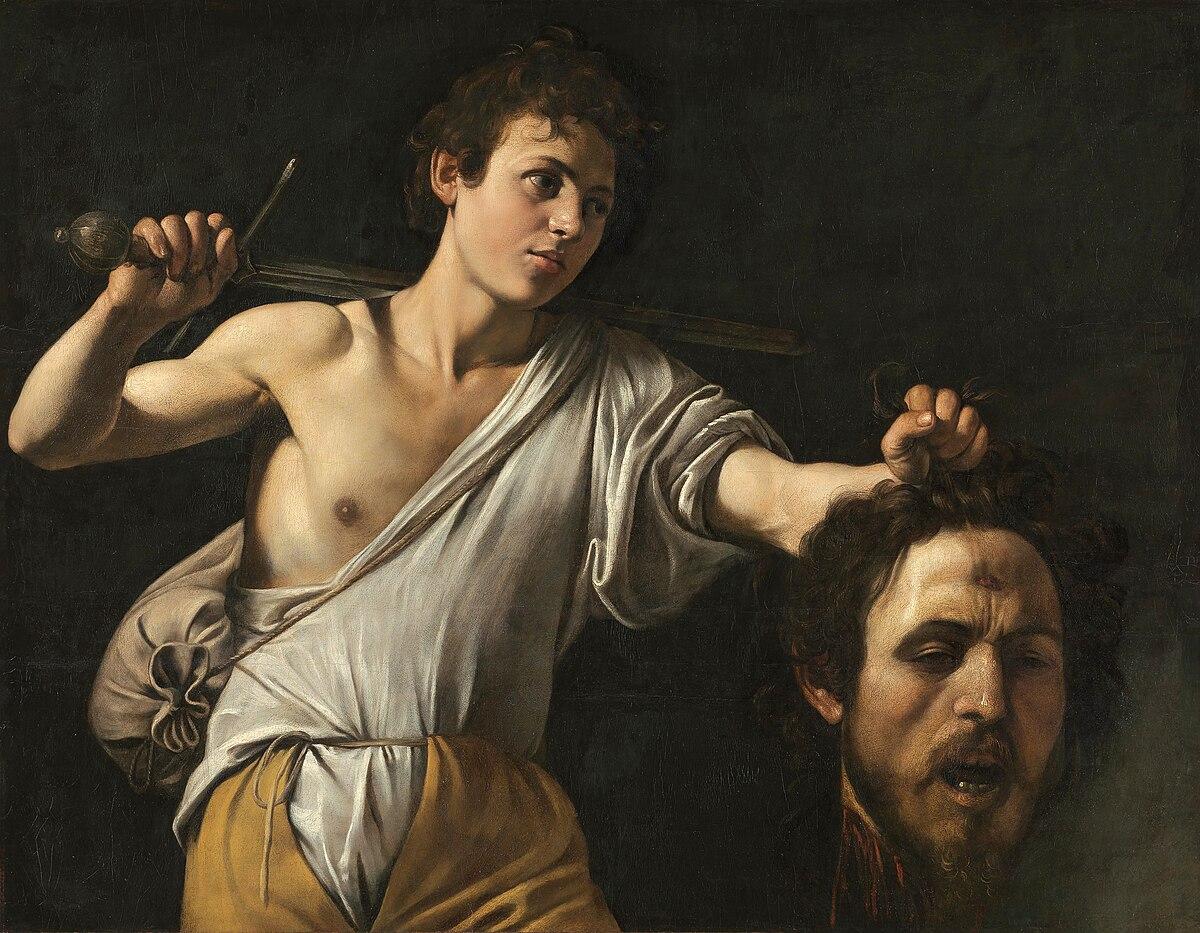
David and Goliath
Caravaggio

- Same movement
Judith with the Head of Holophernes
Simon Vouet

- Same movement
Battle of Gideon Against the Midianites
Nicolas Poussin
- Same movement
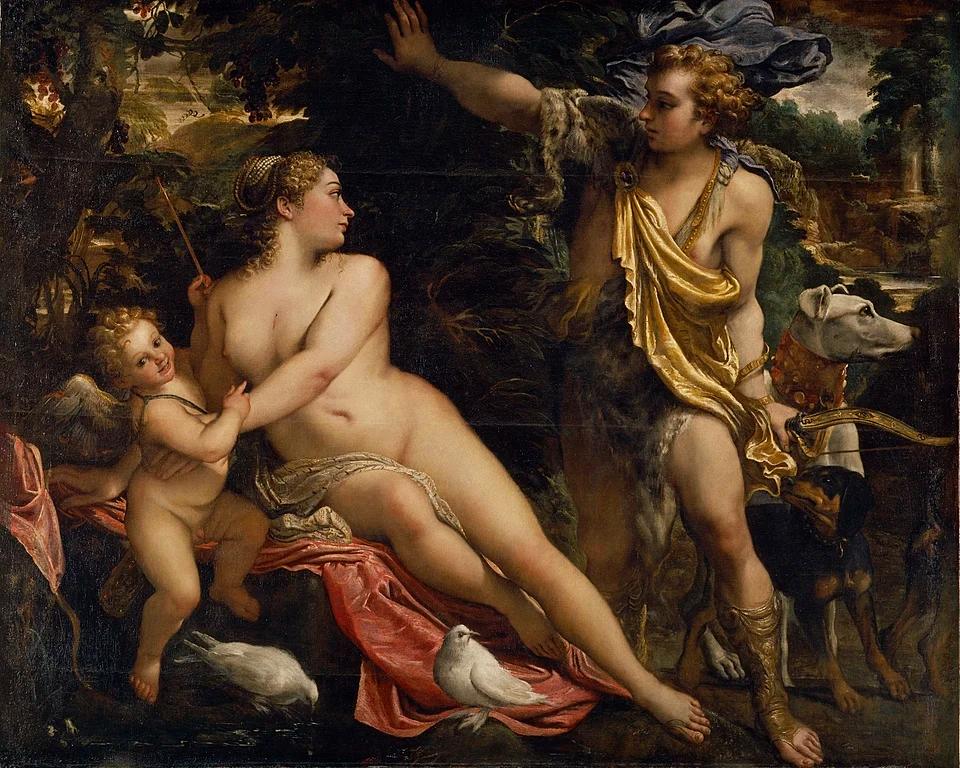
The Bean Eater
Annibale Carracci, 1584
- Same movement
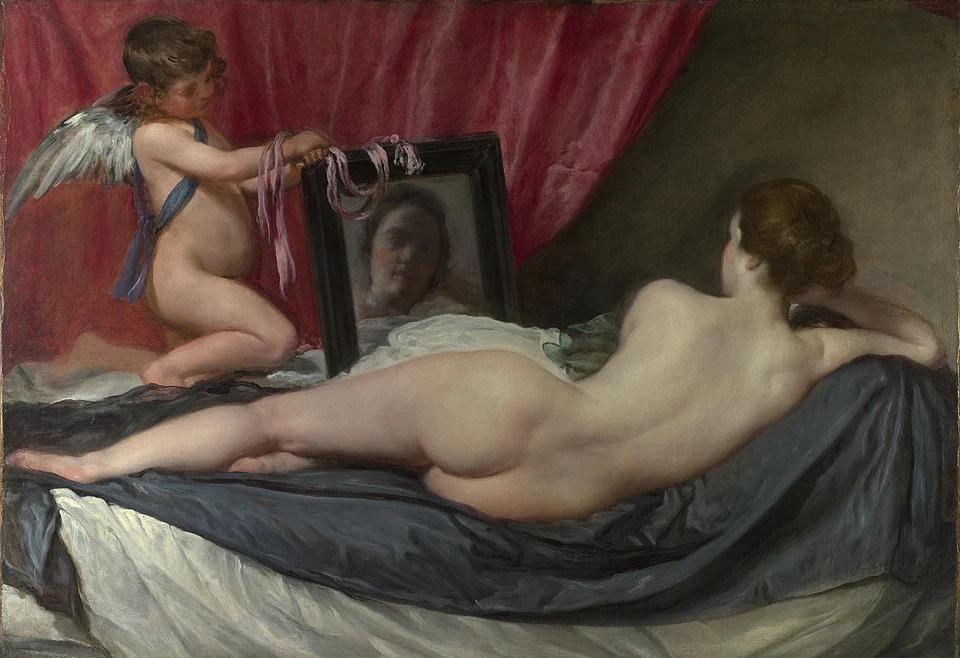
The Rokeby Venus
Diego Velázquez, 1650
- Same movement
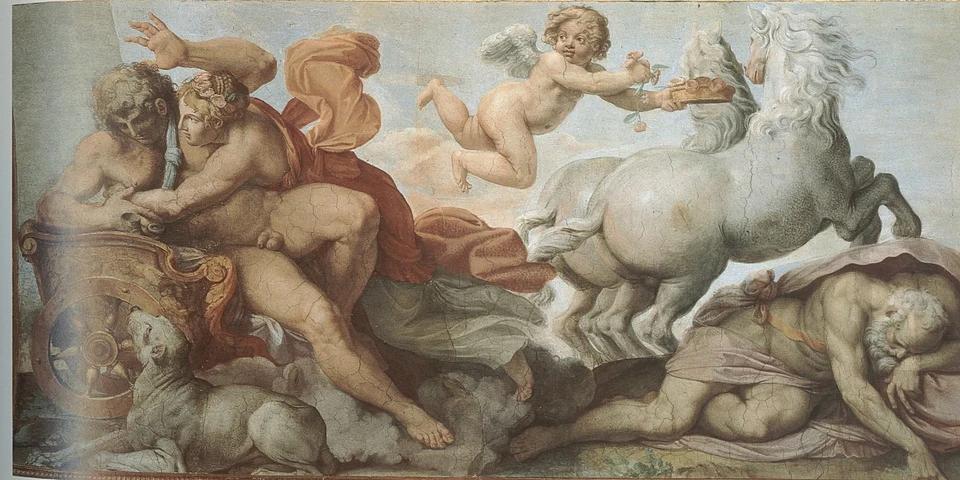
The Triumph of Bacchus and Ariadne
Annibale Carracci, 1602
- Same movement
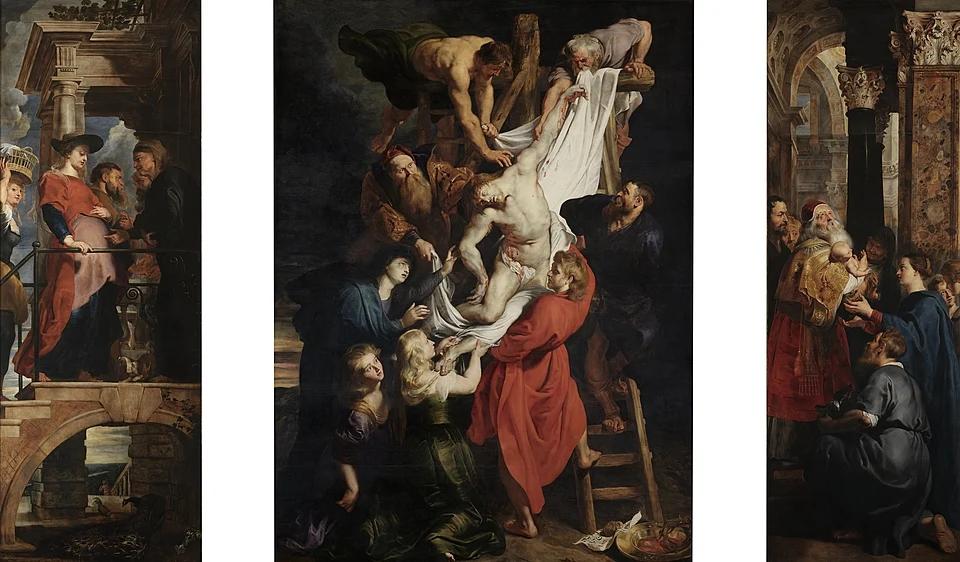
Descent from the Cross
Peter Paul Rubens, 1614
About Jael and Sisera
This painting is housed at the Budapest Museum of Fine Arts in Hungary. The museum holds an important collection of Old Master paintings, including several significant Baroque works.
The painting depicts a scene from the Book of Judges. After the Canaanite general Sisera lost a battle and fled, the Israelite woman Jael offered him shelter in her tent. Once he fell asleep, she killed him by driving a tent peg through his head.
Artemisia Gentileschi repeatedly painted women enacting violence against men, including Judith beheading Holofernes. Scholars connect these choices to her experience of sexual assault and the public trial that followed, though the interpretation remains debated.
The work exemplifies the Caravaggist style, using dramatic contrasts between light and dark to create theatrical intensity. Artemisia studied under her father Orazio and developed into one of the most accomplished followers of Caravaggio's radical approach.
Own Art Like This
Luxury wall art with the same mood and energy. Gallery-quality canvas, no museum crowds.
Browse Collection