Wikimedia Commons • Public Domain
Wikimedia Commons • Public Domain
1-click academic citation and embeddable “On View” museum badge for articles, syllabi, and research.
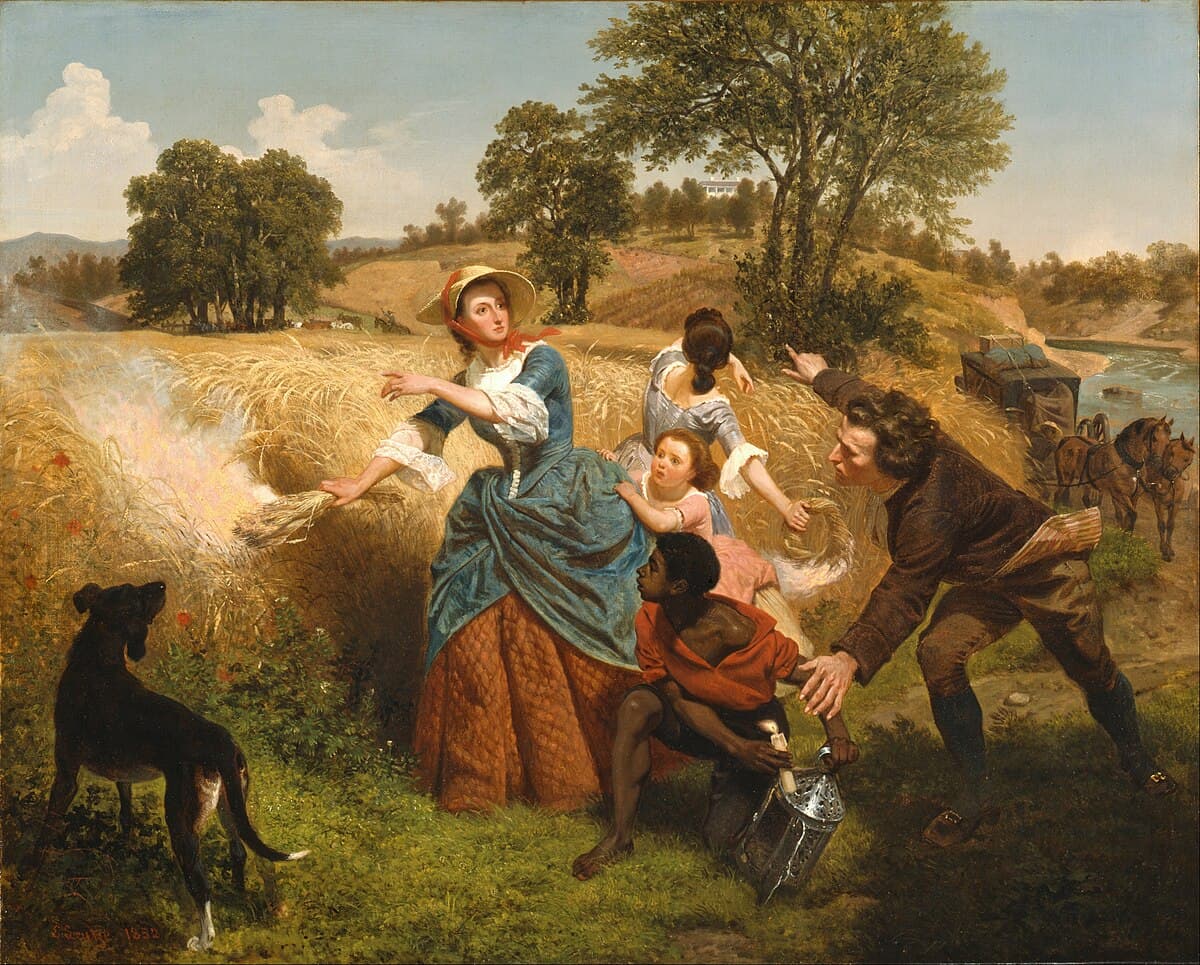
This painting by Emanuel Leutze dramatic scene from the American Revolution in 1852, shortly after his famous "Washington Crossing the Delaware." The subject comes from Elizabeth Ellet's 1848 book "The Women of the American Revolution," one of the first feminist publications of its kind. Catherine Schuyler, wife of General Philip Schuyler, stands in patriotic red, white, and blue as she sets fire to her wheat fields near Saratoga.
The story holds that Mrs. Schuyler torched her family's crops rather than allow British forces to seize them. Though later proved apocryphal, the tale captured American imaginations in the mid-19th century. Leutze's painting is notable for its inclusion of African American figures in prominent roles. A young Black man holds the candle that lights the wheat, dressed in patriotic colors, while another helps prepare the escape carriage.
This Romantic work now hangs at the Los Angeles County Museum of Art. Leutze's rich color harmonies and dramatic composition demonstrate why he was considered an outstanding colorist. The painting expanded his Revolutionary War series while offering a more inclusive view of American patriotism.
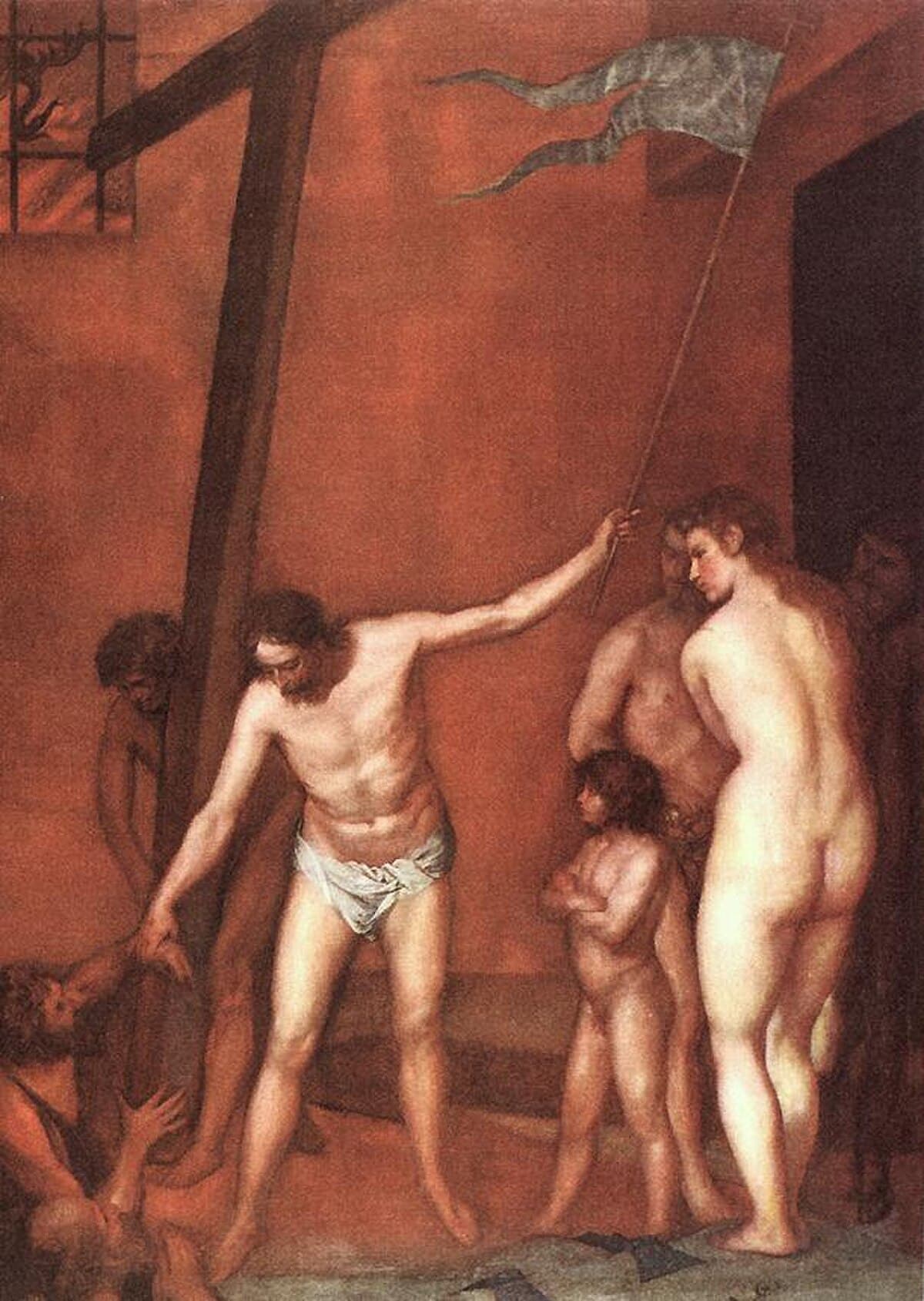
Alonso Cano
Los Angeles County Museum of Art, Los Angeles
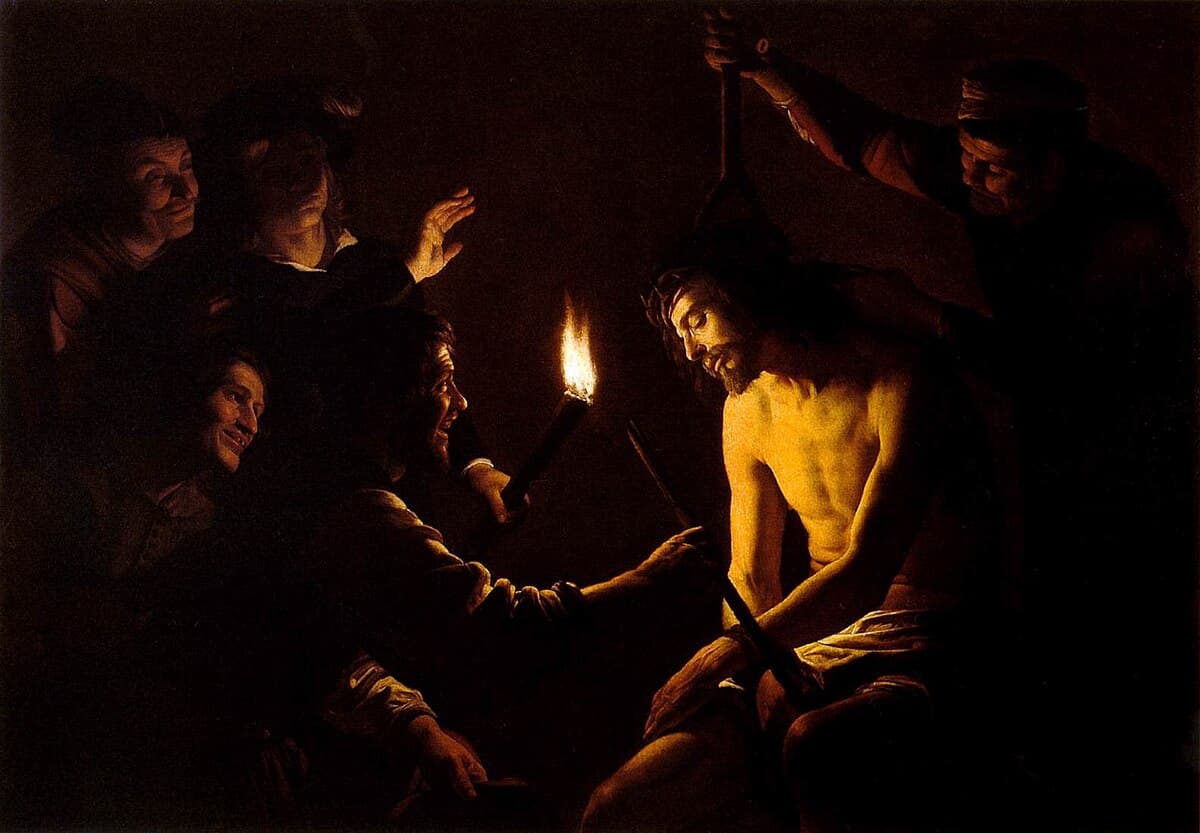
Gerard van Honthorst, 1640
Los Angeles County Museum of Art, Los Angeles
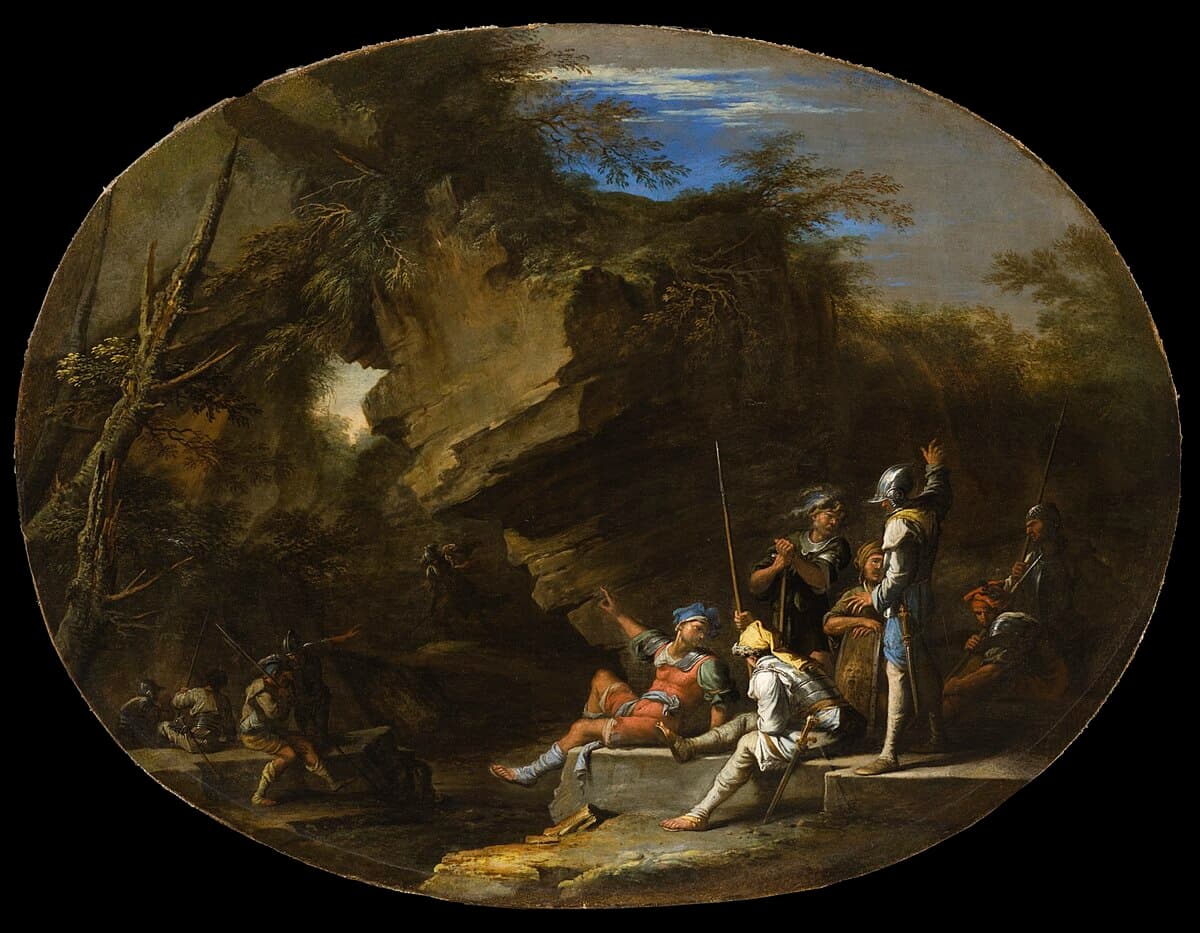
Salvator Rosa
Los Angeles County Museum of Art, Los Angeles
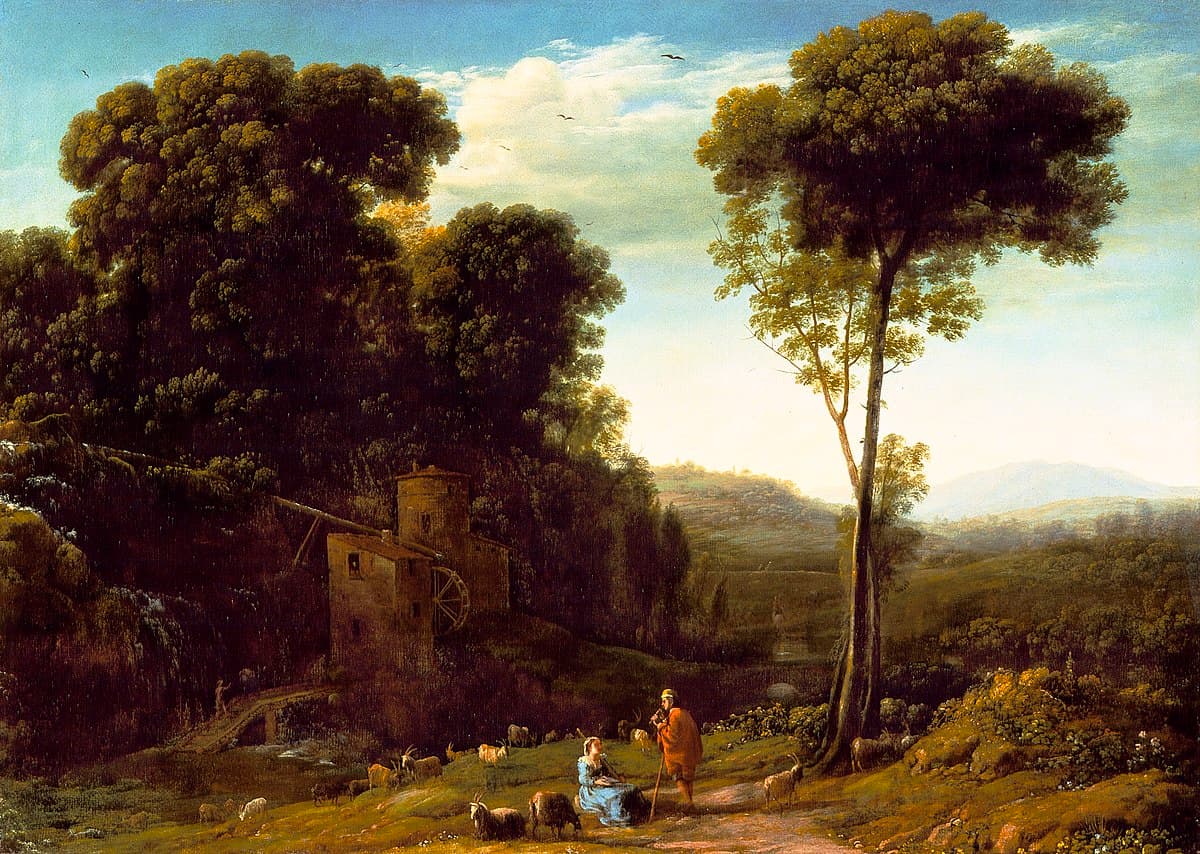
Claude Lorrain
Los Angeles County Museum of Art, Los Angeles
Works that share an artist, movement, museum, genre, palette or theme with Mrs. Schuyler Burning Her Wheat Fields on the Approach of the British.
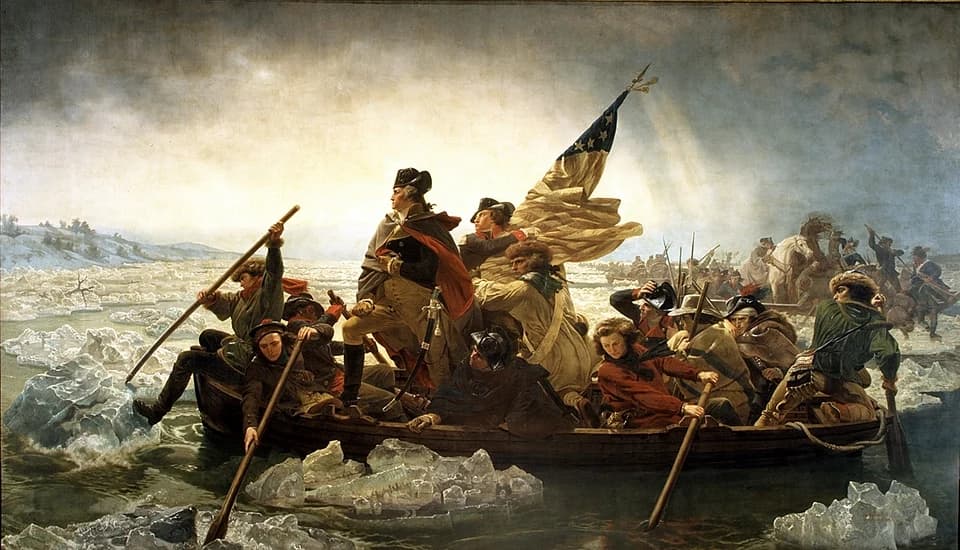
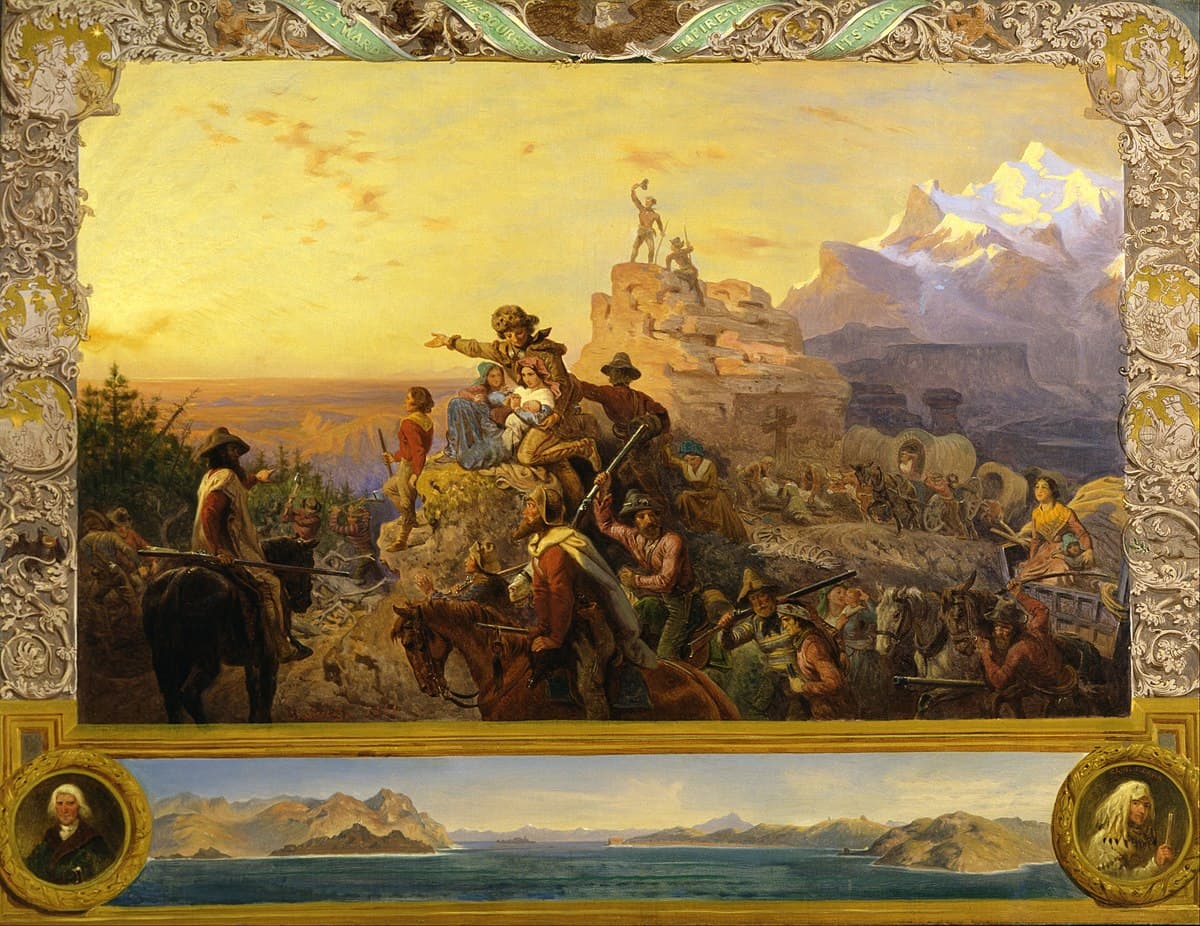
Emanuel Leutze, 1851
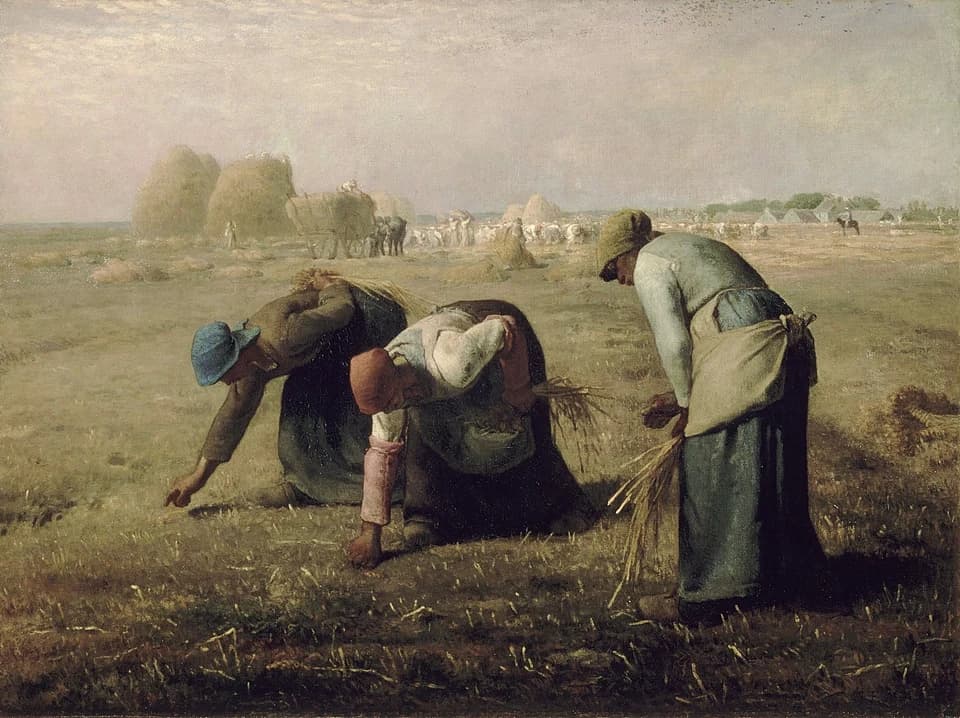
Jean-François Millet, 1857
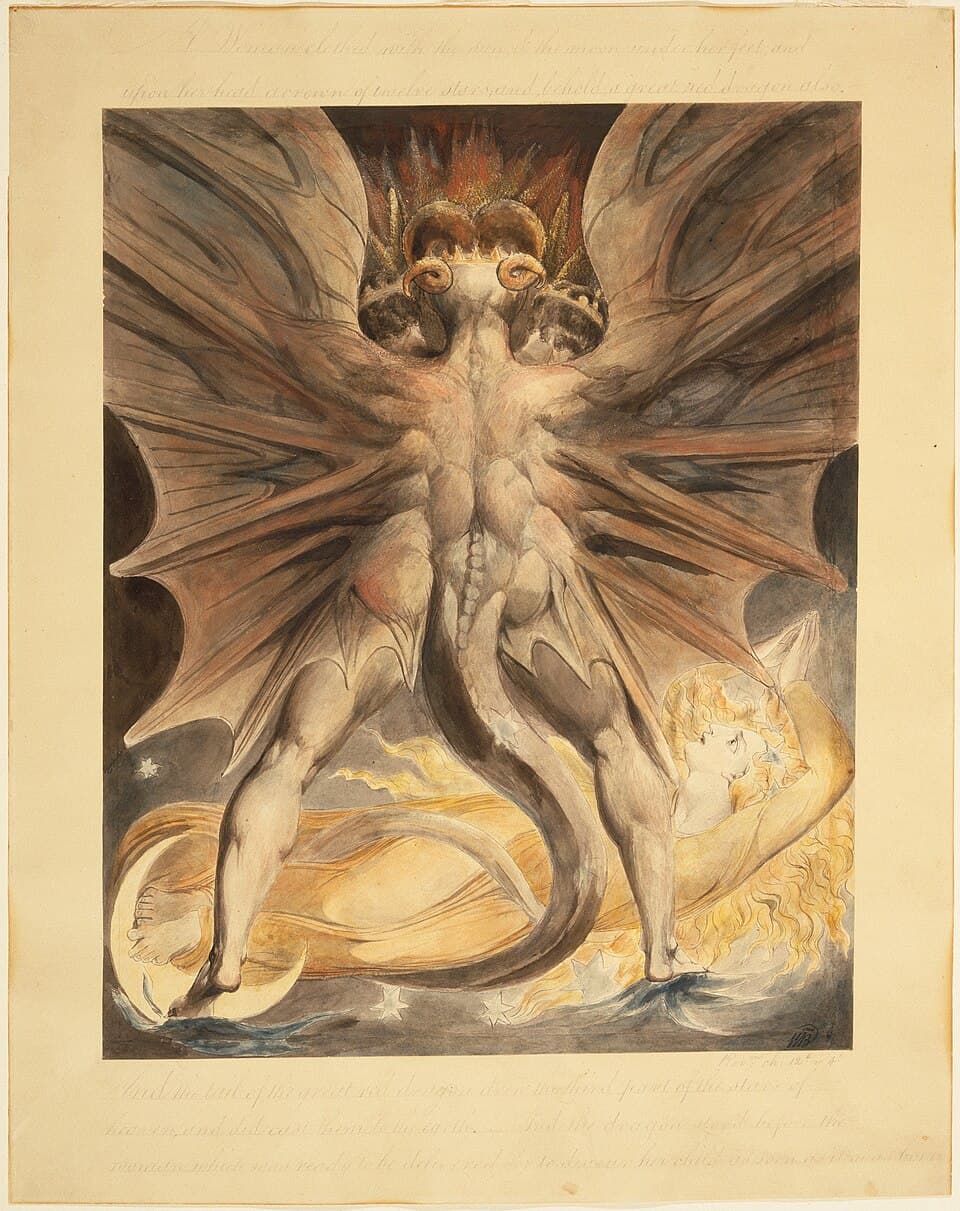
William Blake, 1805
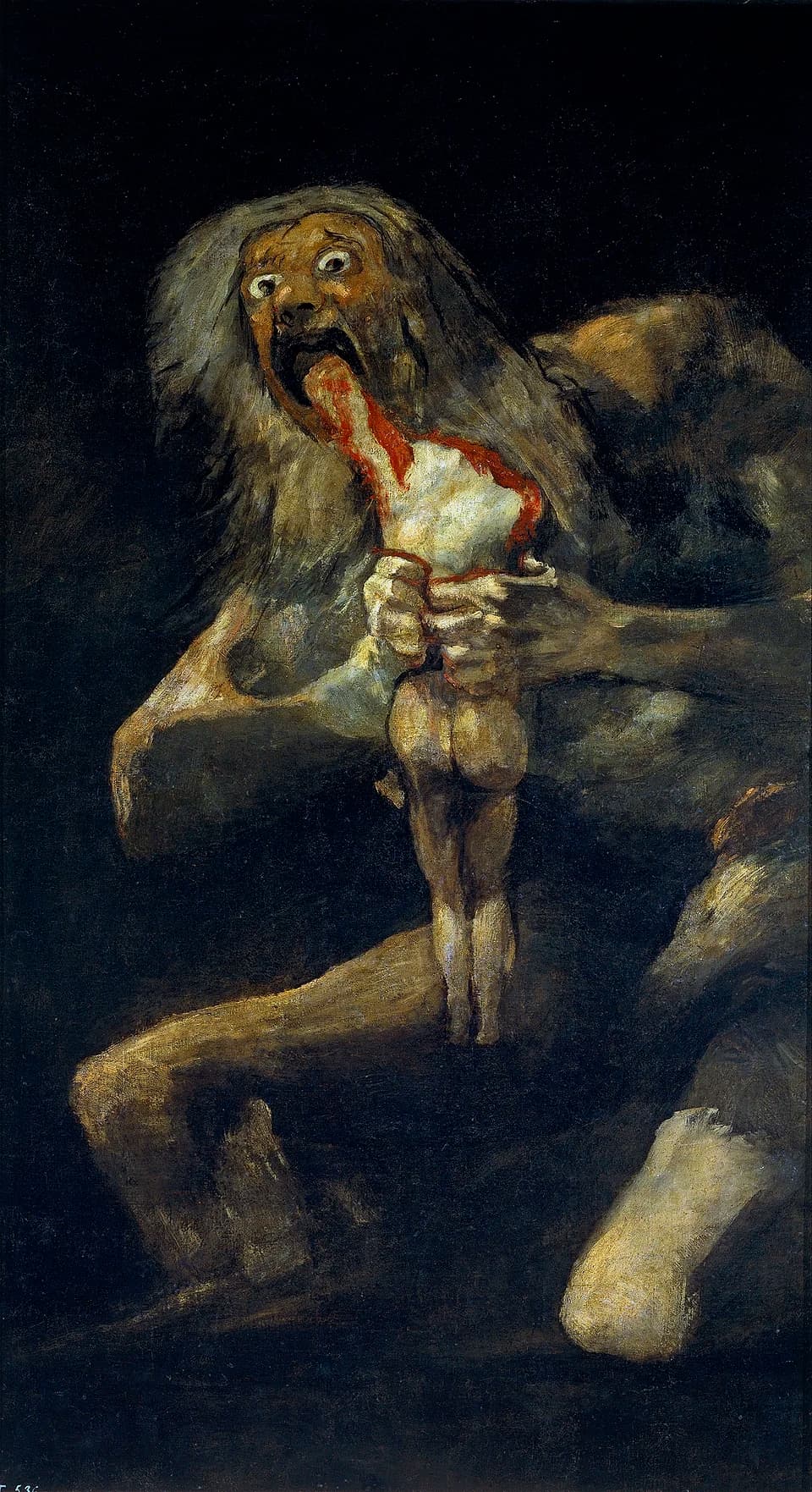
Francisco Goya, 1823
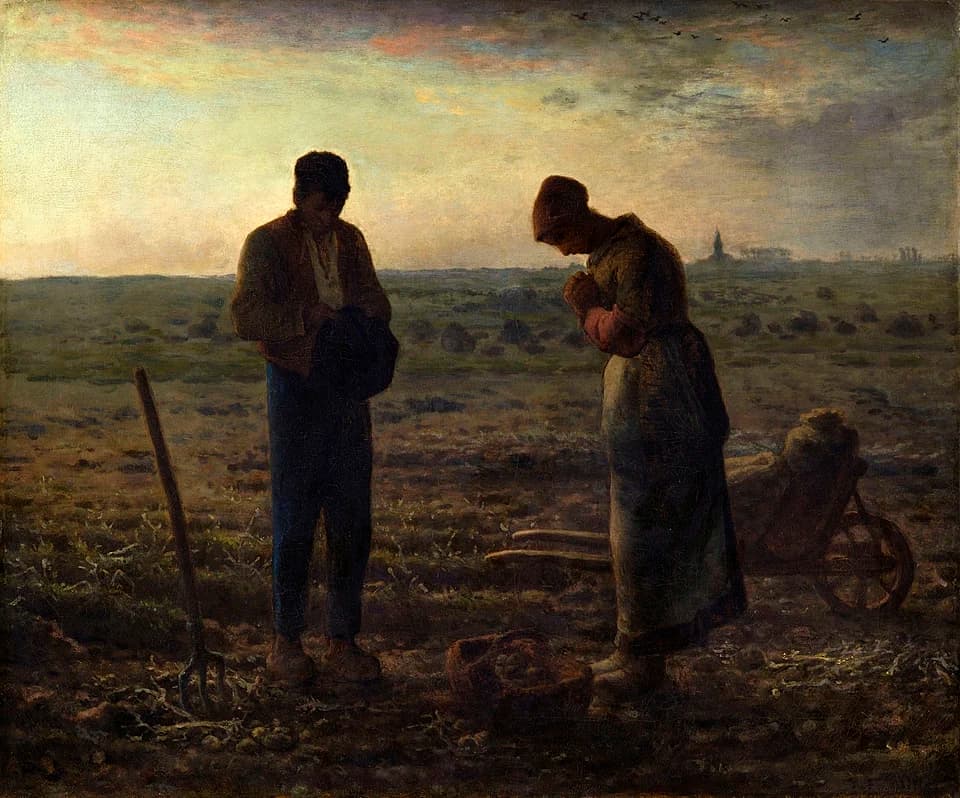
Jean-François Millet, 1859
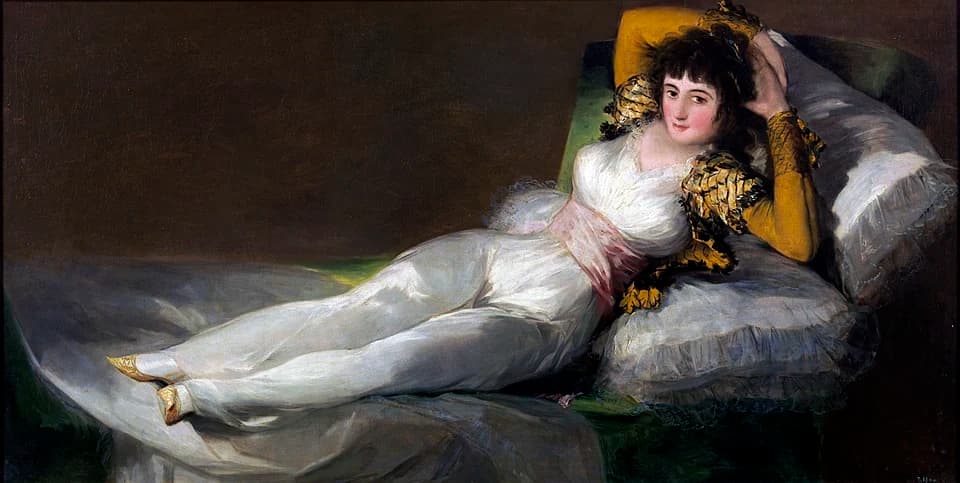
Francisco Goya, 1800
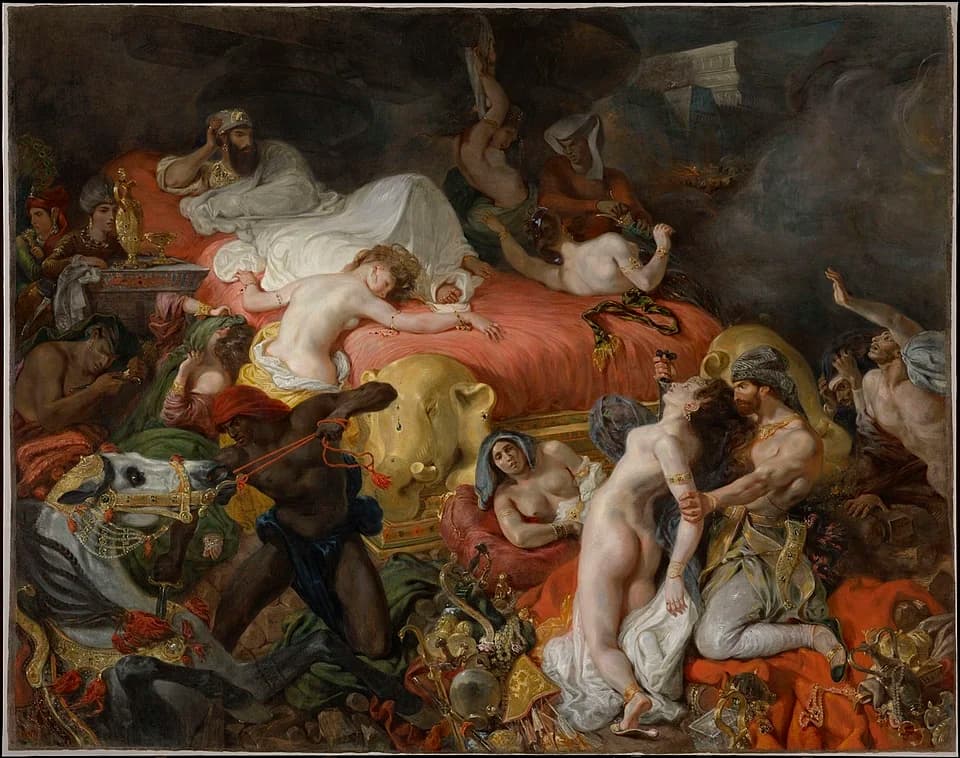
Eugène Delacroix, 1827
Francisco Goya, 1823
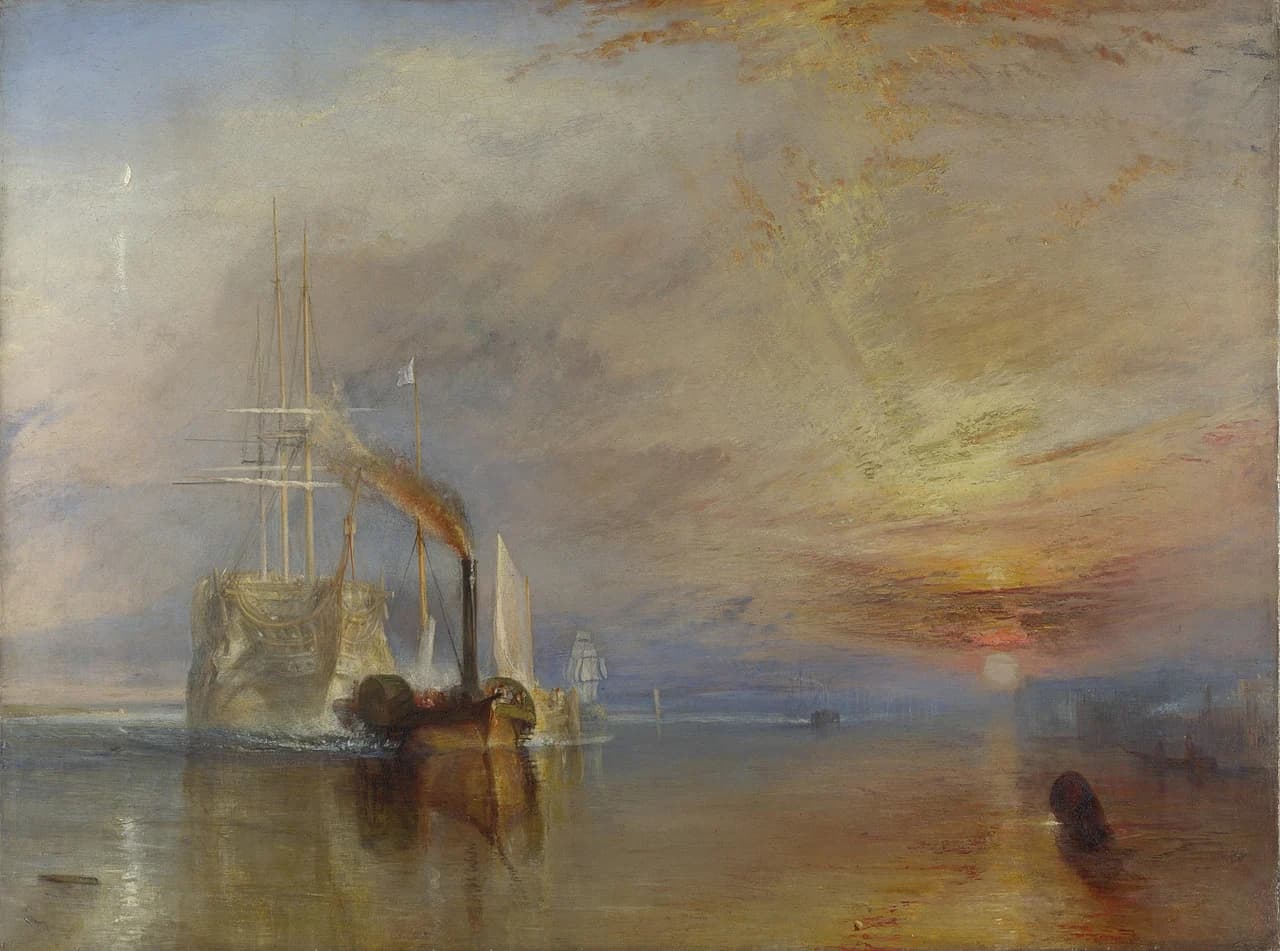
J.M.W. Turner, 1839
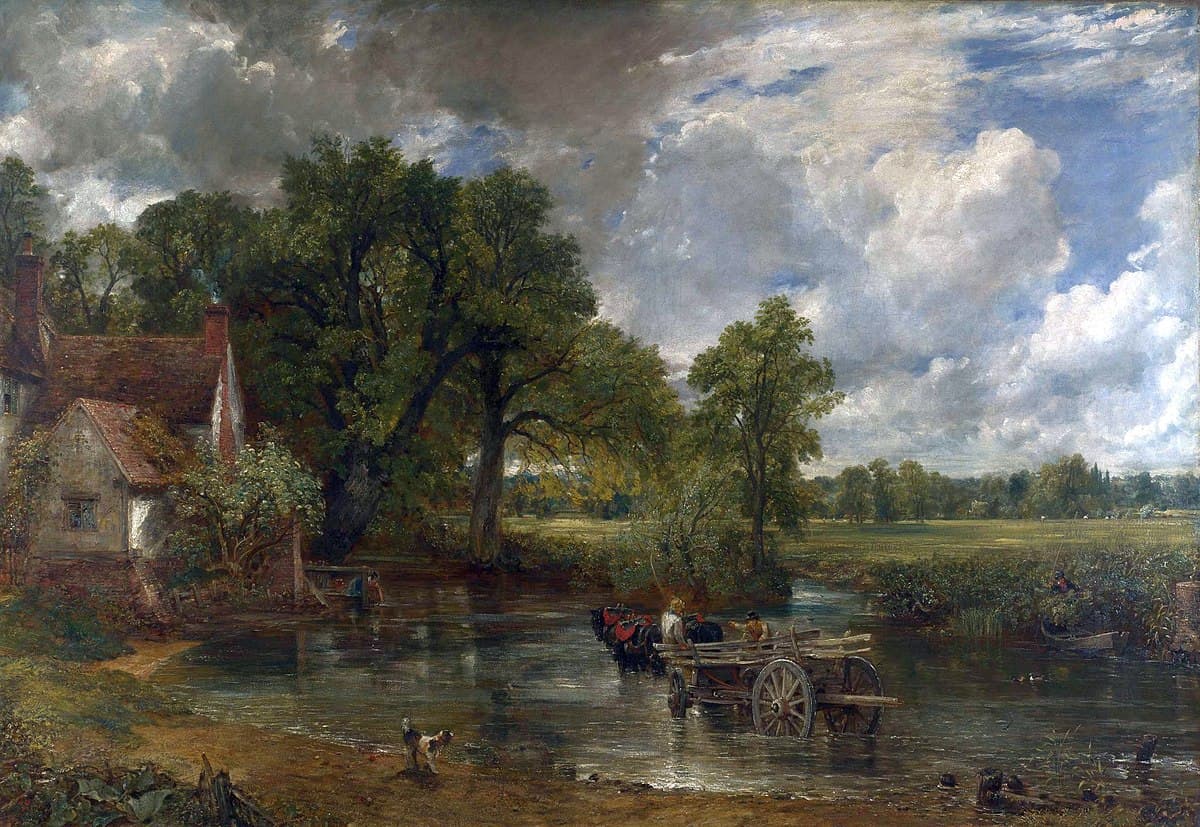
John Constable, 1821
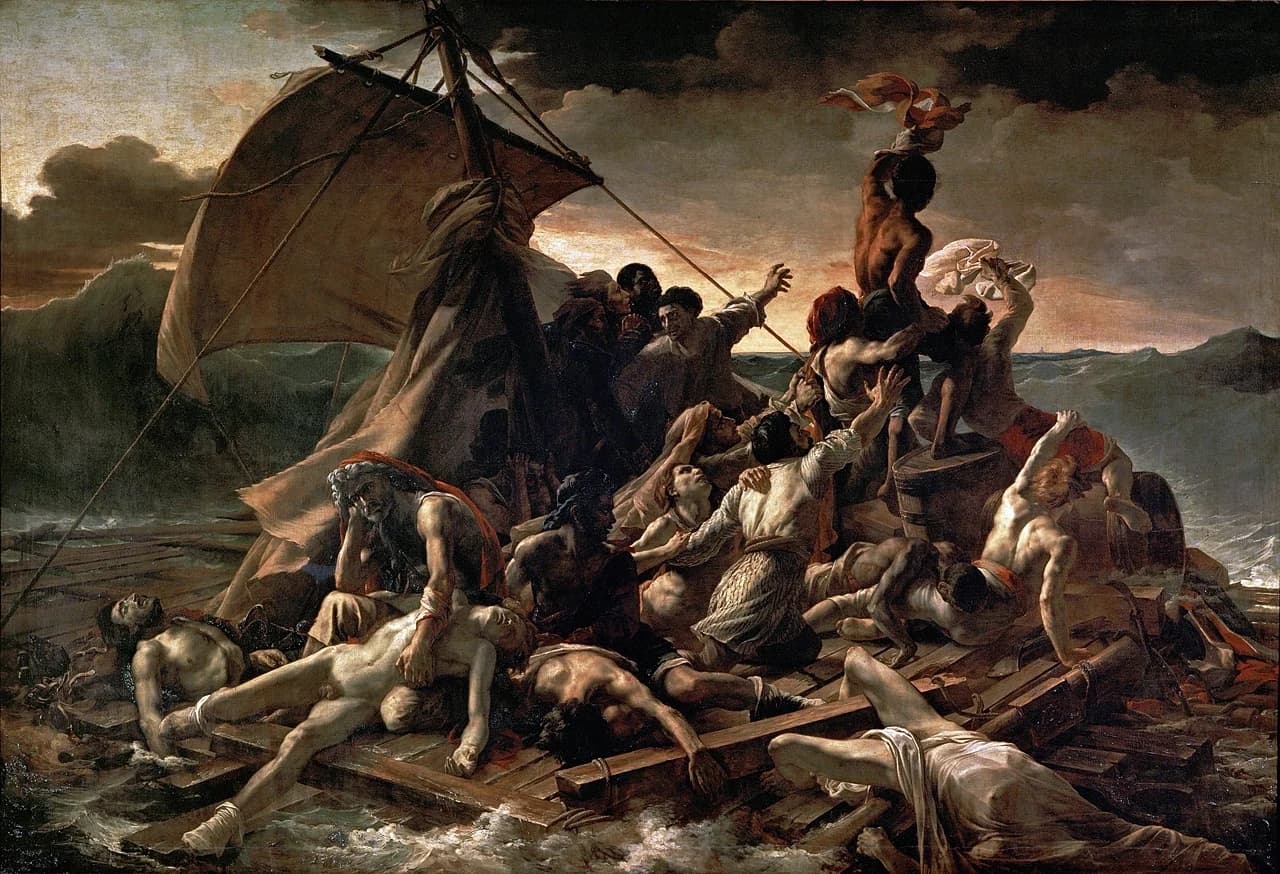
Théodore Géricault, 1819
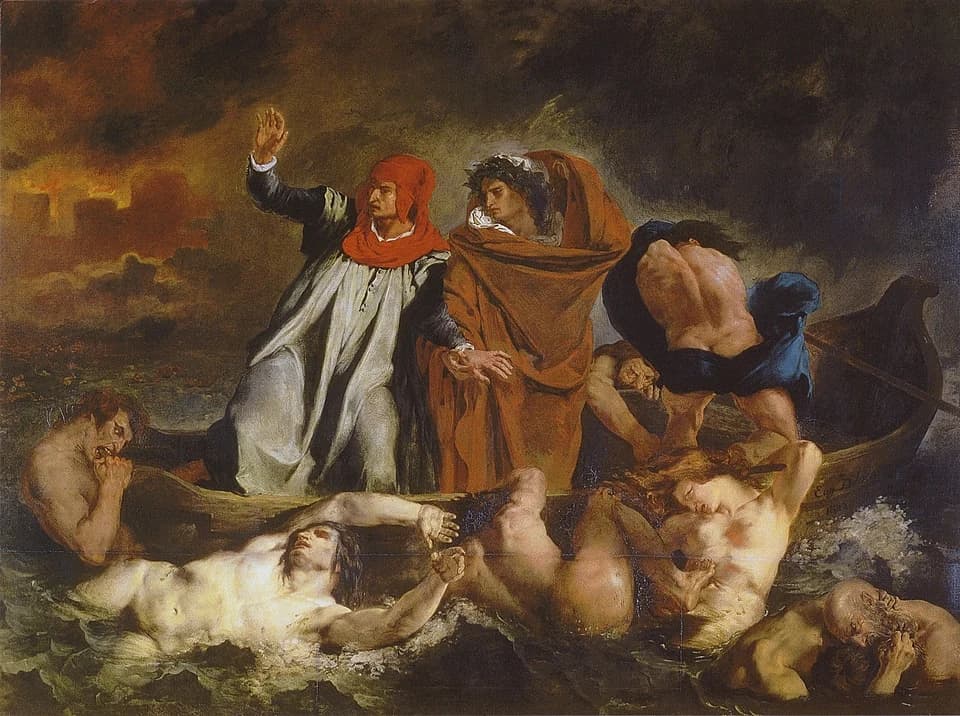
Eugène Delacroix, 1834
Luxury wall art with the same mood and energy. Gallery-quality canvas, no museum crowds.
Browse Collection