Wikimedia Commons • Public Domain
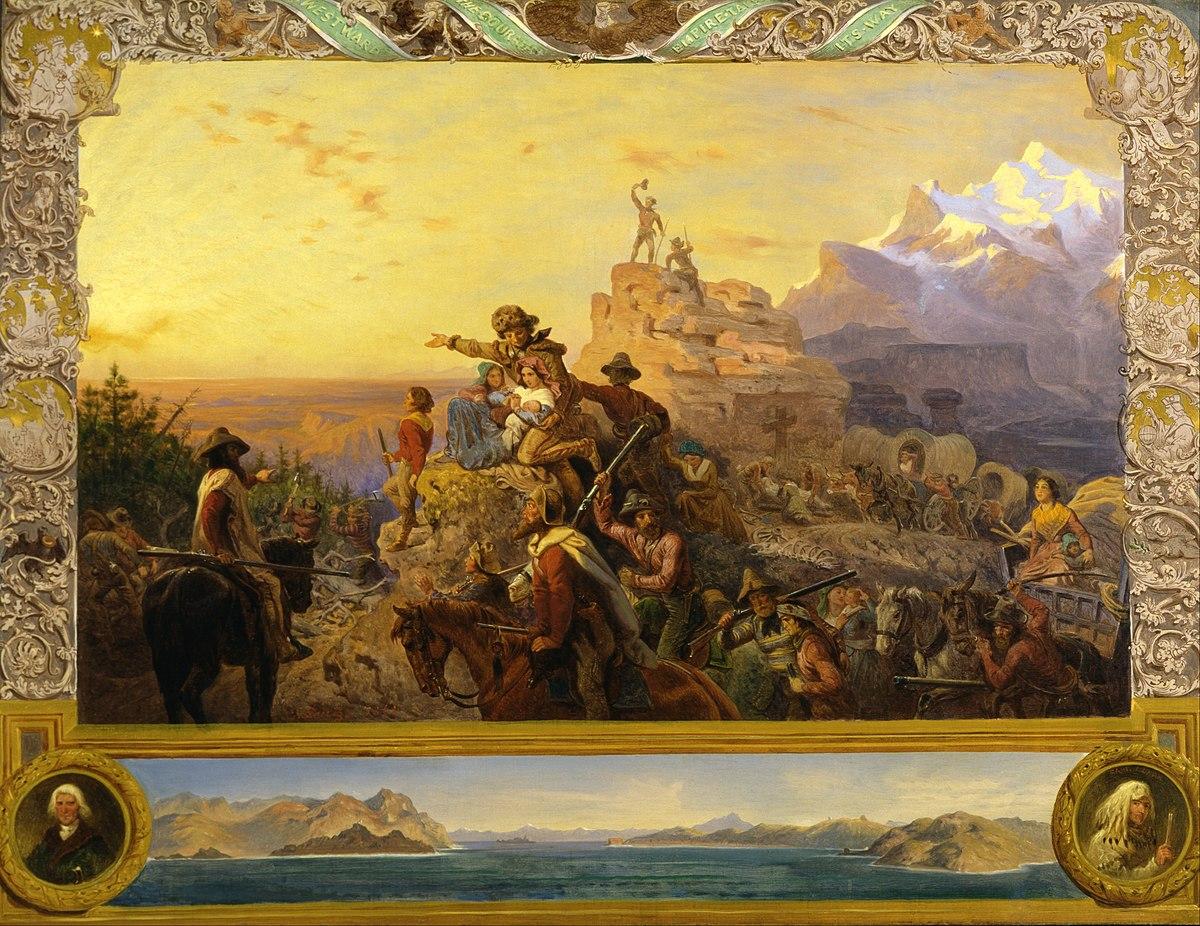
Westward the Course of Empire Takes Its Way (mural study for U.S. Capitol)
StyleRomanticism
Artwork Details
Cite or Embed This Work
APA · MLA · Chicago1-click academic citation and embeddable “On View” museum badge for articles, syllabi, and research.
Emanuel Leutze composed this Westward the Course of Empire Takes Its Way as a study for his massive mural in the U.S. Capitol. The work celebrates American westward expansion, showing pioneers crossing a mountain pass with the golden promise of the frontier ahead.
Best known for Washington Crossing the Delaware, Leutze specialized in American historical subjects. The mural's title comes from a poem by Bishop George Berkeley. Painted in 1861 as the Civil War began, it expressed national optimism during dark times. This study hangs at the Smithsonian American Art Museum in Washington.
More by Emanuel Leutze
View all →B
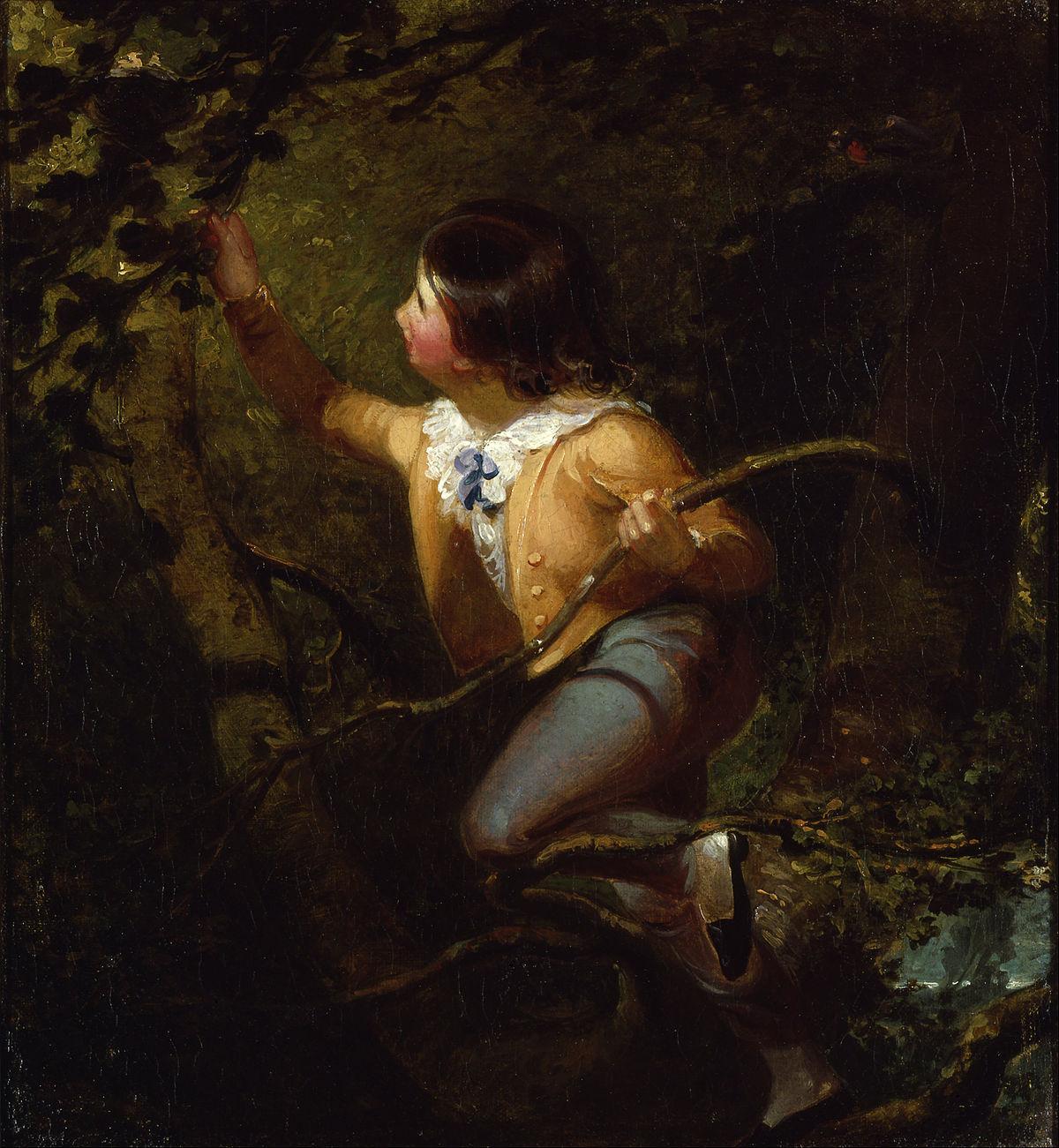
Bird Nesting
Emanuel Leutze
Smithsonian American Art Museum, Washington D.C.
M
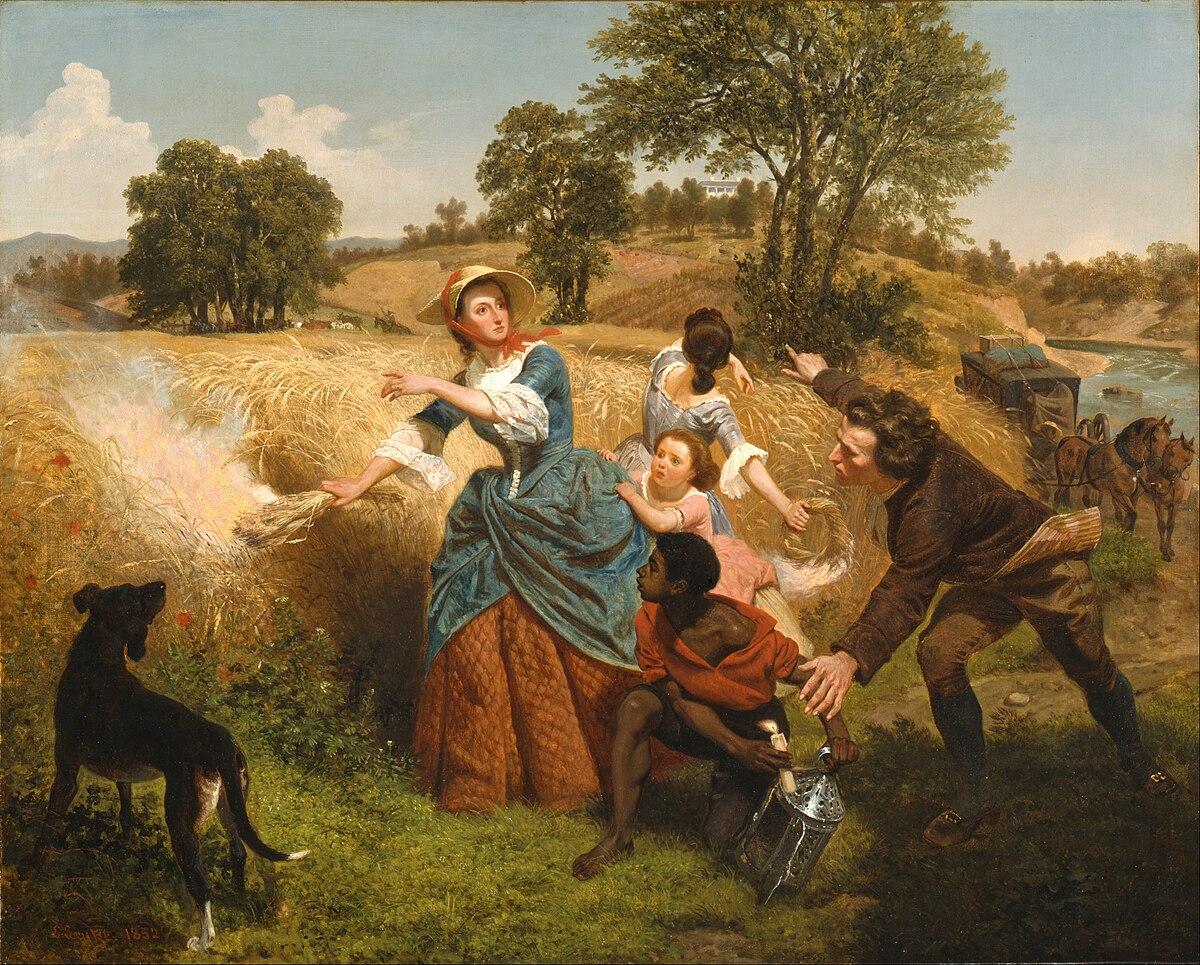
Mrs. Schuyler Burning Her Wheat Fields on the Approach of the British
Emanuel Leutze
Los Angeles County Museum of Art, Los Angeles
N
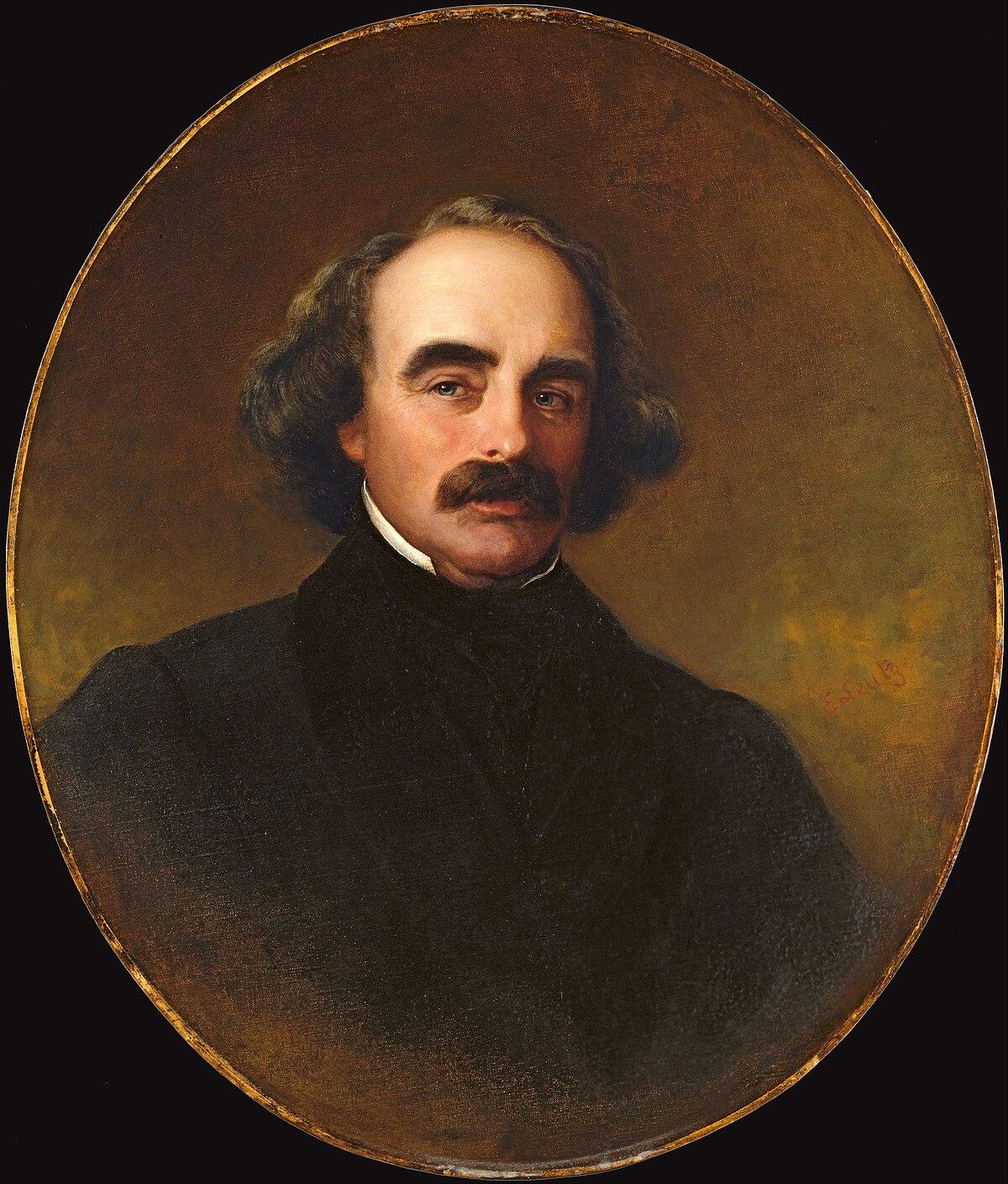
Nathaniel Hawthorne
Emanuel Leutze
National Portrait Gallery, Washington, DC, Washington, D.C.
C

Columbus Before the Queen
Emanuel Leutze
Brooklyn Museum, New York
Also at Smithsonian American Art Museum
View all →R
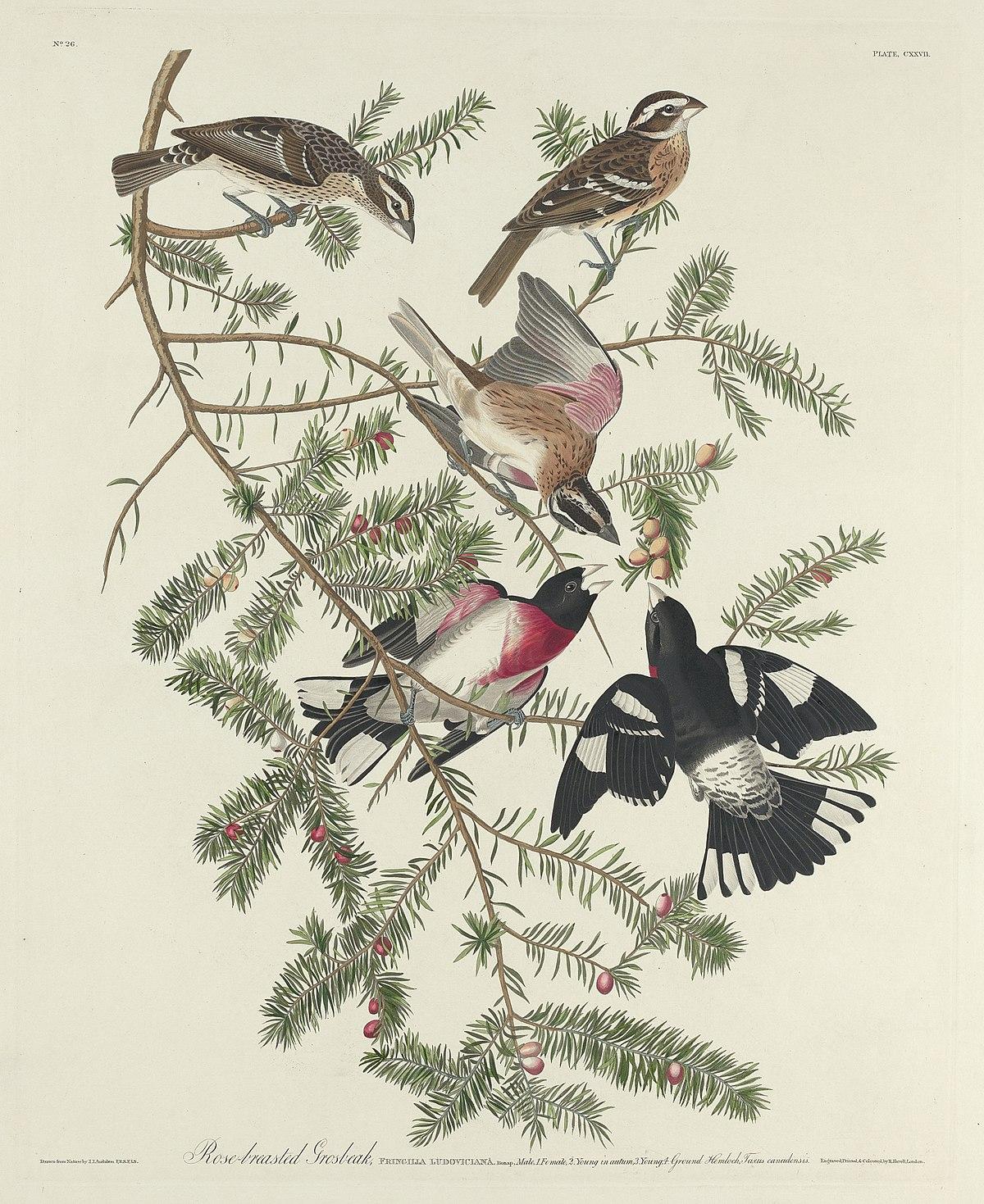
Rose-Breasted Grosbeak
John James Audubon
Smithsonian American Art Museum, Washington D.C.
N
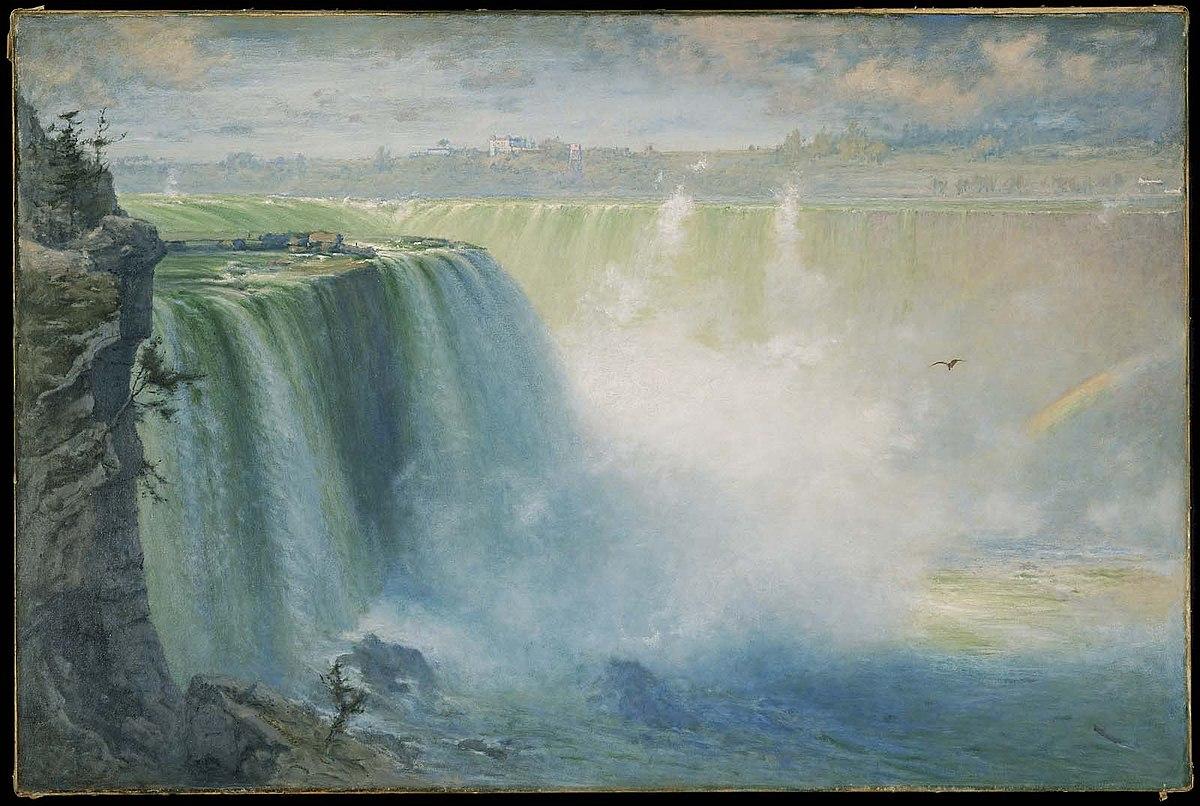
Niagara
George Inness
Smithsonian American Art Museum, Washington D.C.
B
Bird Nesting
Emanuel Leutze
Smithsonian American Art Museum, Washington D.C.
W
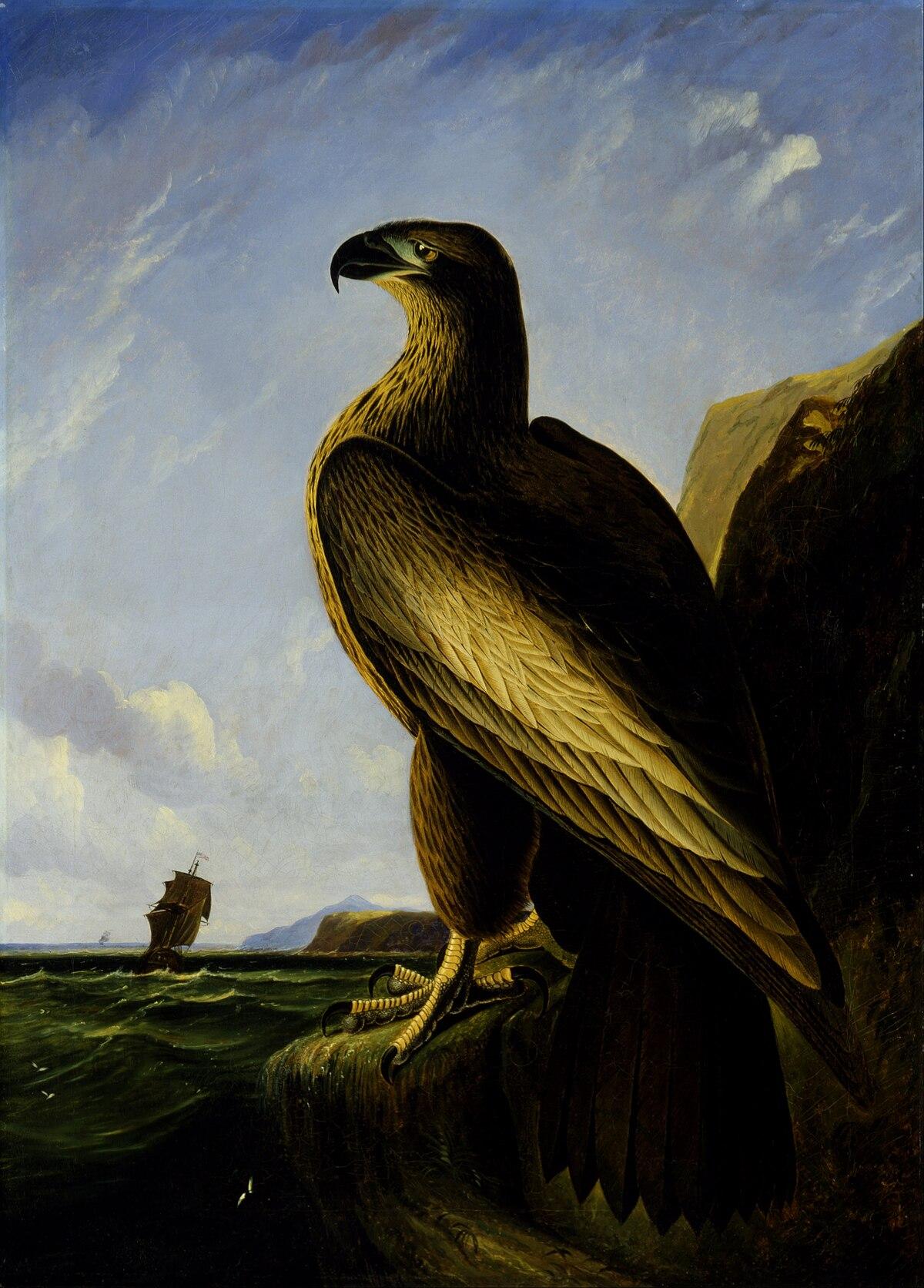
Washington Sea Eagle
John James Audubon
Smithsonian American Art Museum, Washington D.C.
Related Works
Works that share an artist, movement, museum, genre, palette or theme with Westward the Course of Empire Takes Its Way (mural study for U.S. Capitol).
- Same artist
- Same movement
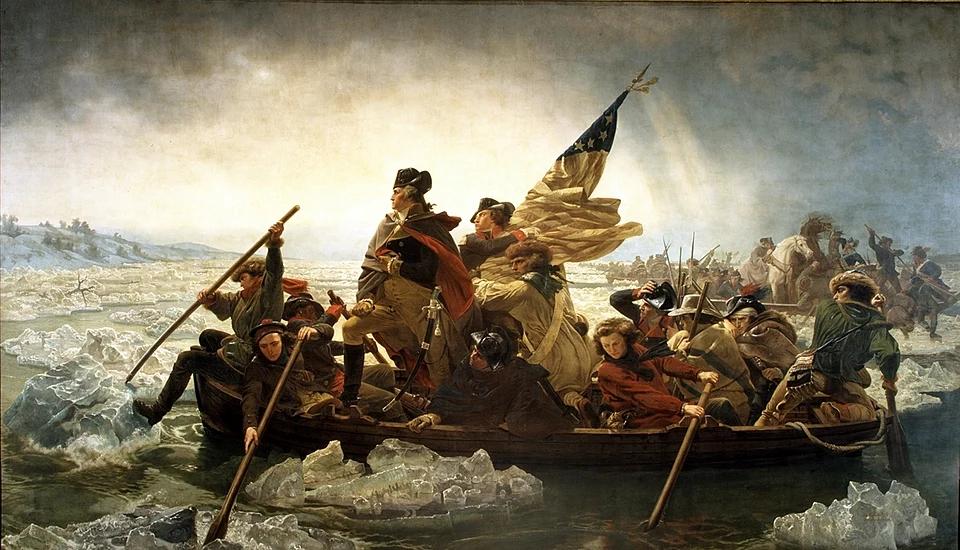
Washington Crossing the Delaware
Emanuel Leutze, 1851
- Same movement
- Same museum
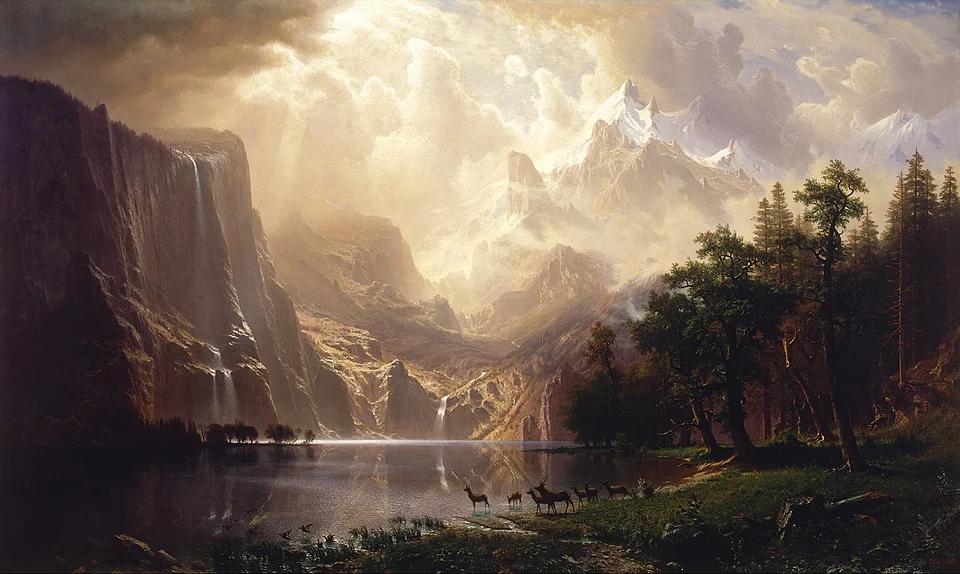
Among the Sierra Nevada, California
Albert Bierstadt, 1868
- Same movement
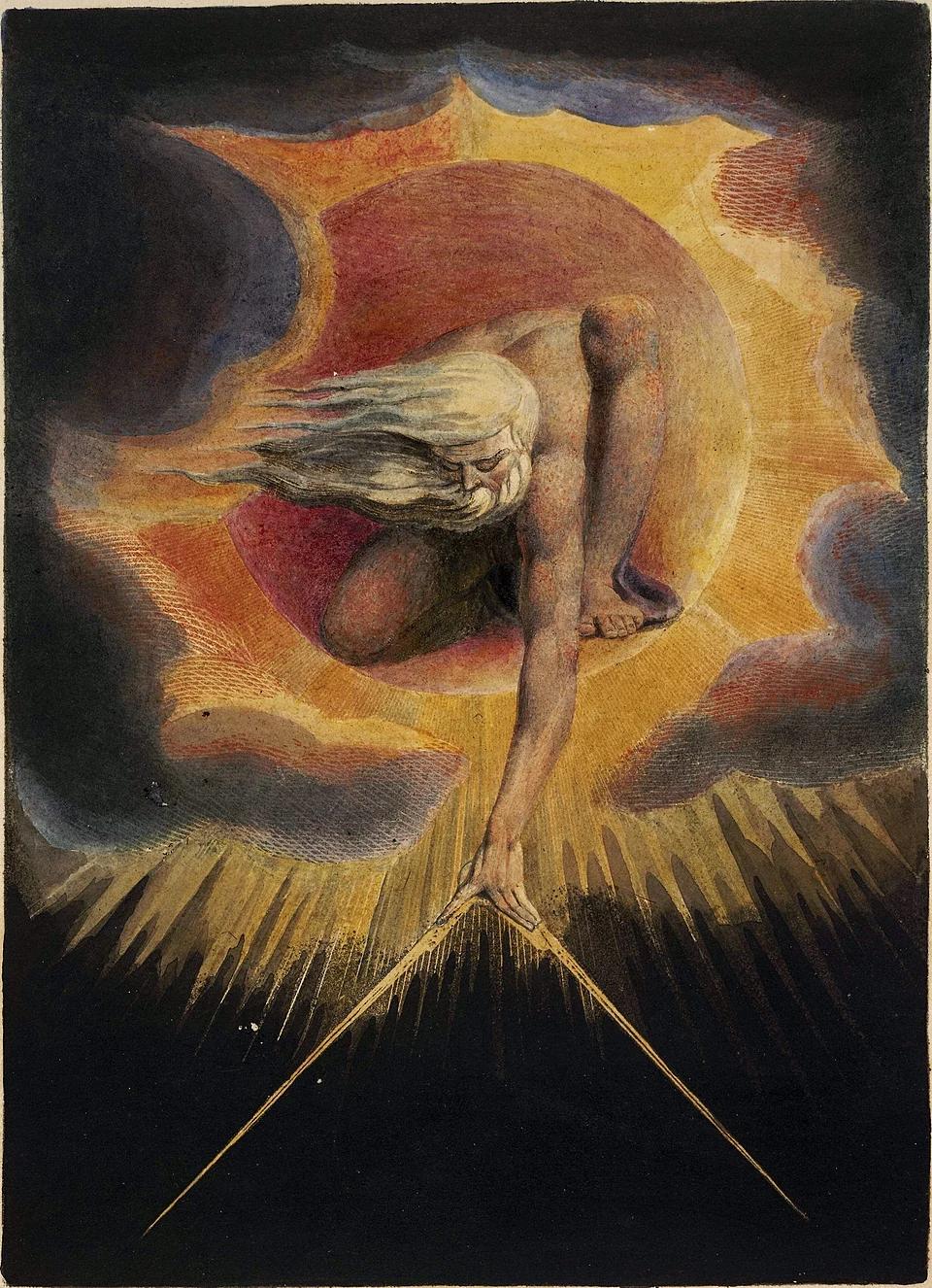
The Ancient of Days
William Blake, 1794
- Same movement
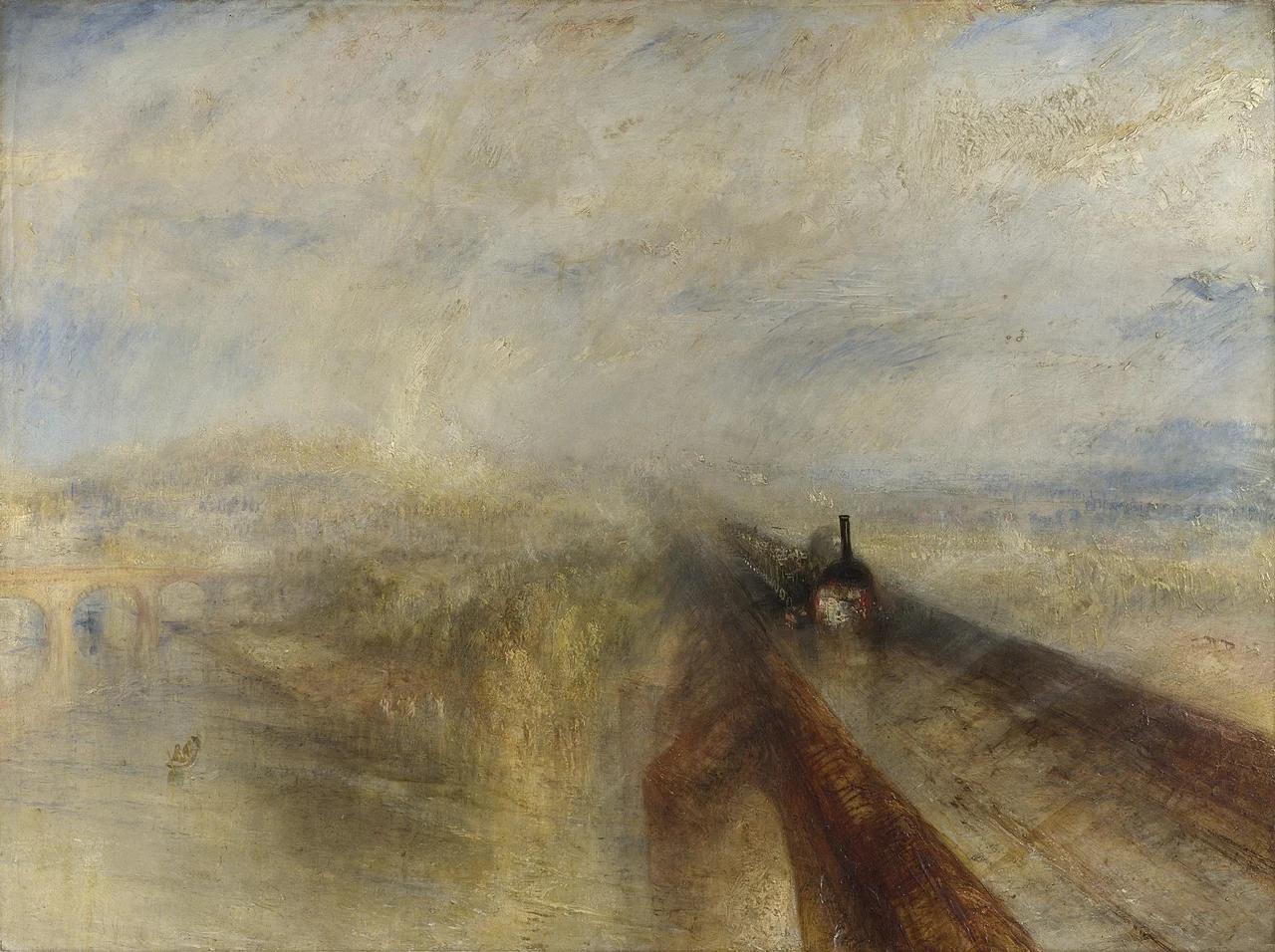
Rain, Steam and Speed
J.M.W. Turner, 1844
- Same movement
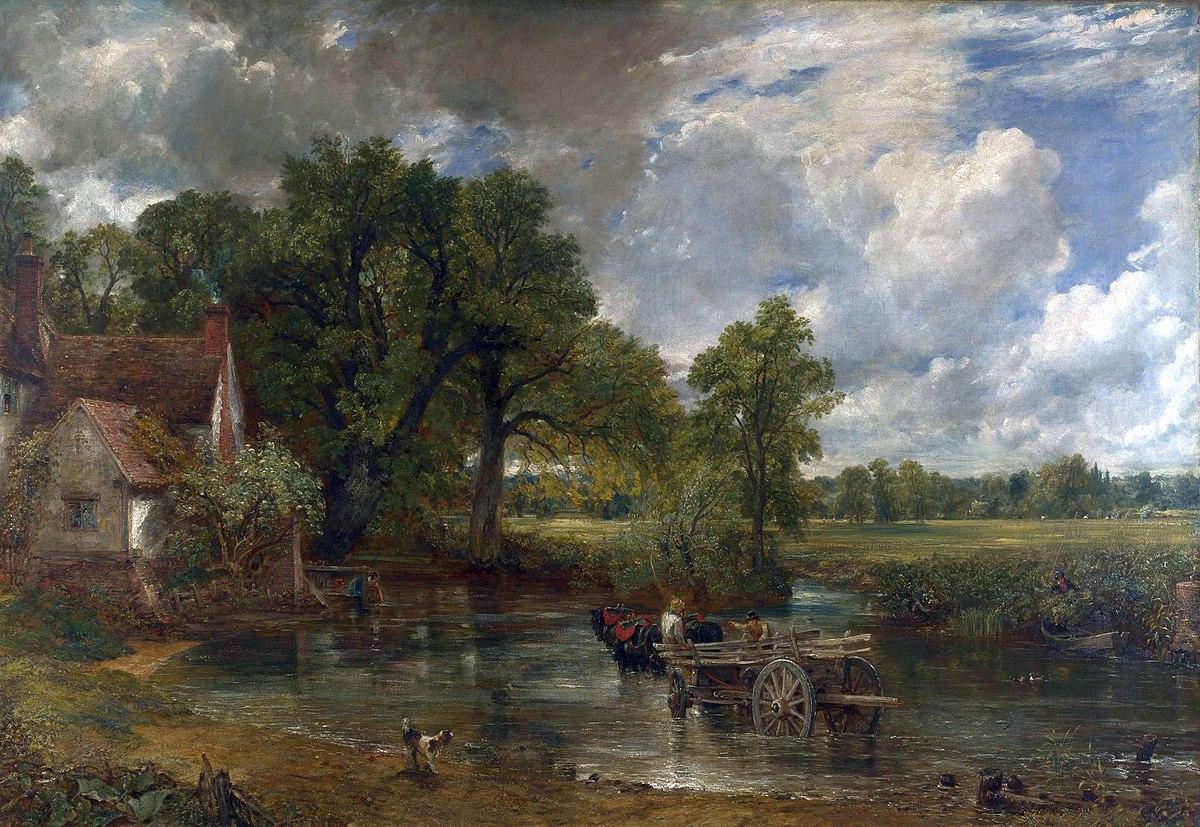
The Hay Wain
John Constable, 1821
- Same movement
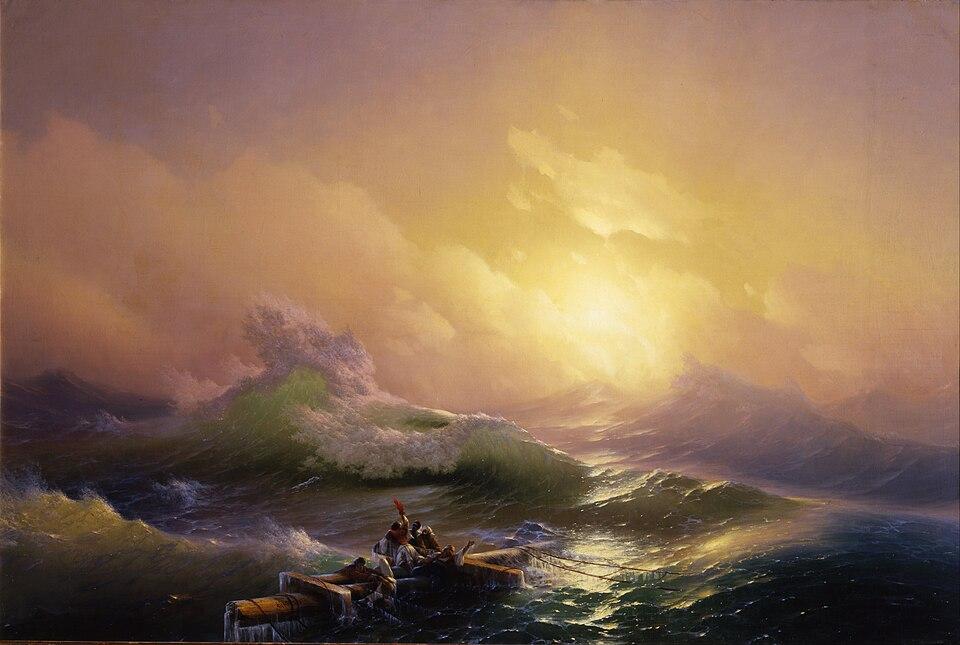
The Ninth Wave
Ivan Aivazovsky, 1850
- Same movement
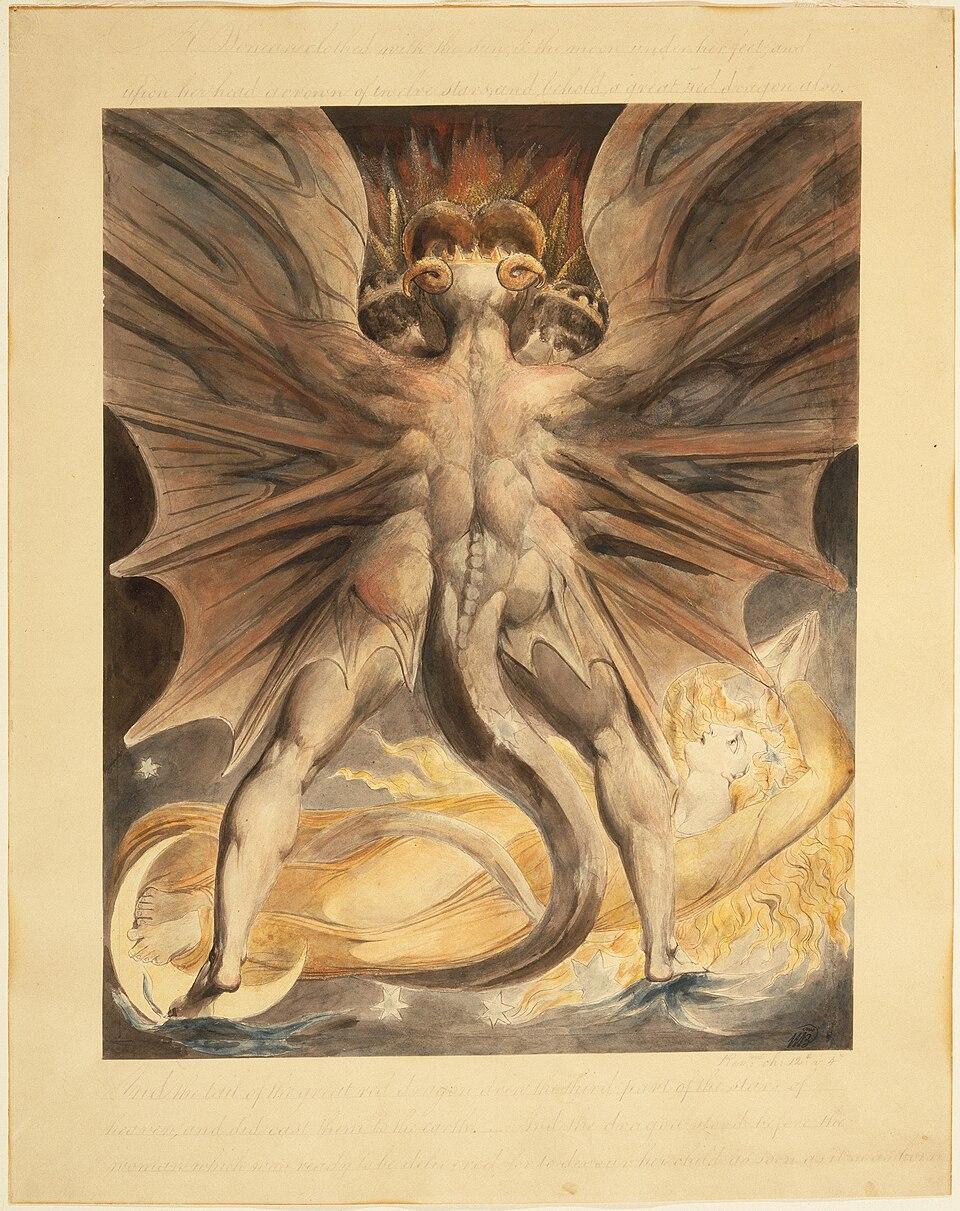
The Great Red Dragon and the Woman Clothed in Sun
William Blake, 1805
- Same movement
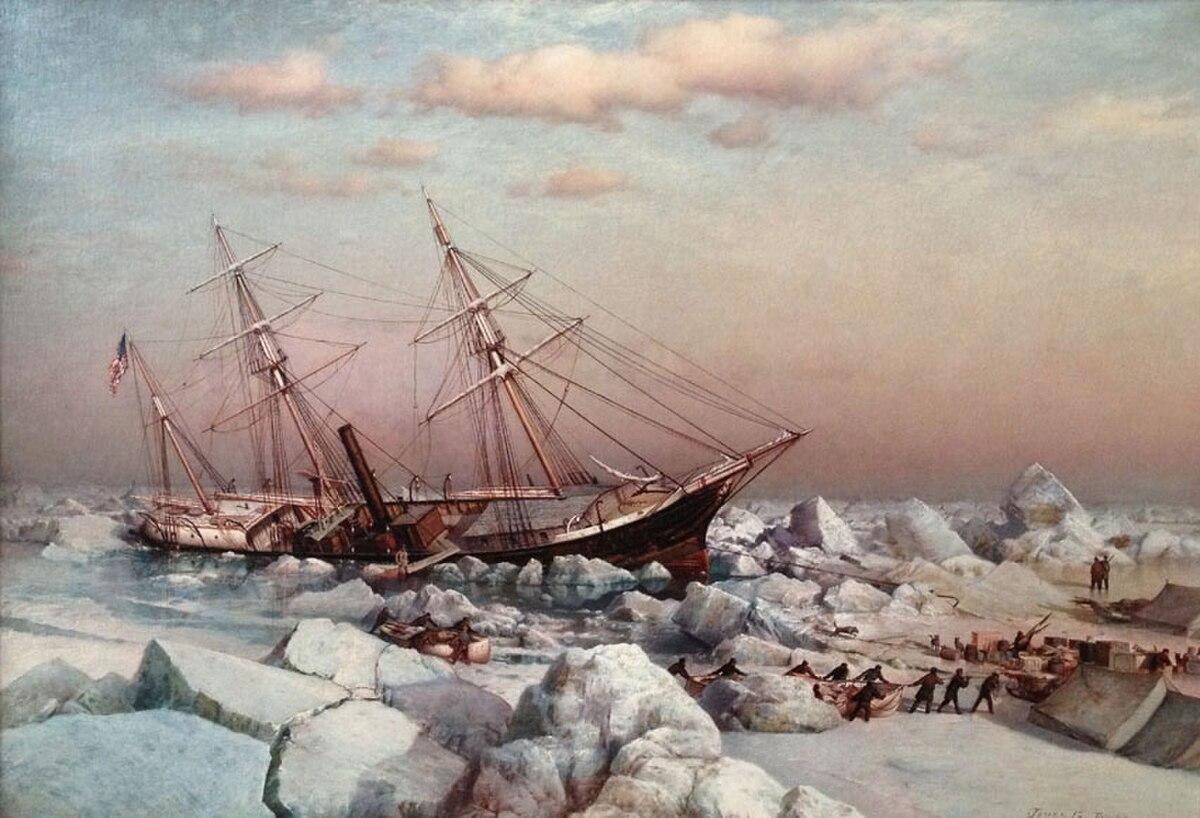
Ship in the Arctic Ocean
Caspar David Friedrich
- Same movement
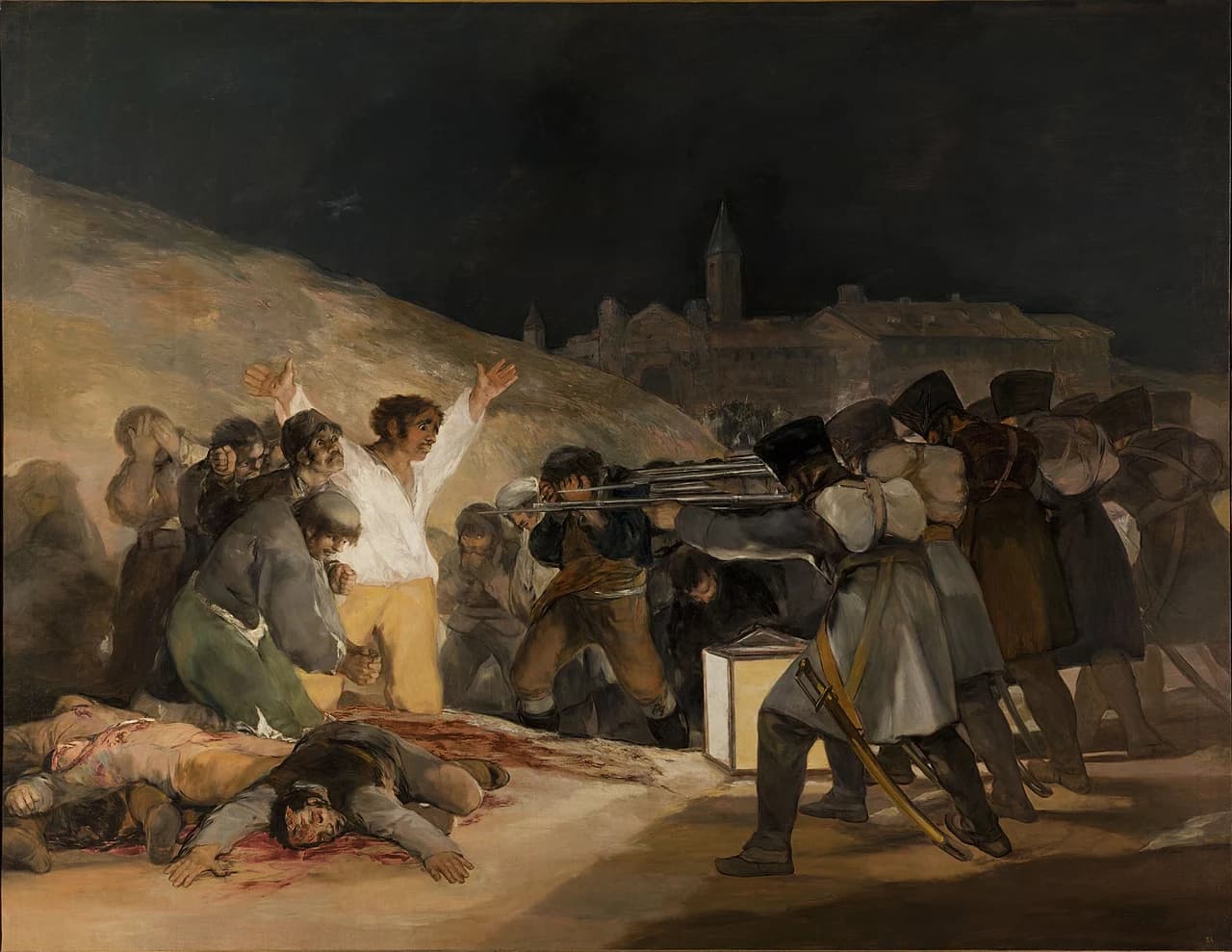
The Third of May 1808
Francisco Goya, 1814
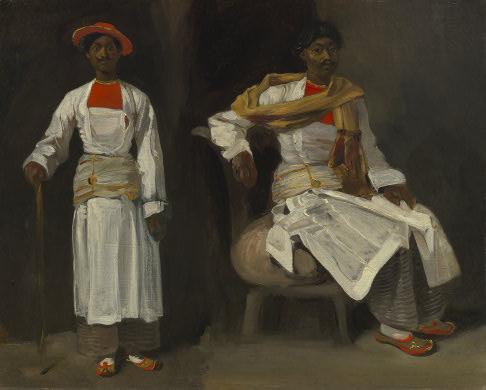
- Same movement
Two Views of an Indian from Calcutta, Seated and Standing
Eugène Delacroix
- Same movement
Head of a horseman
Théodore Géricault
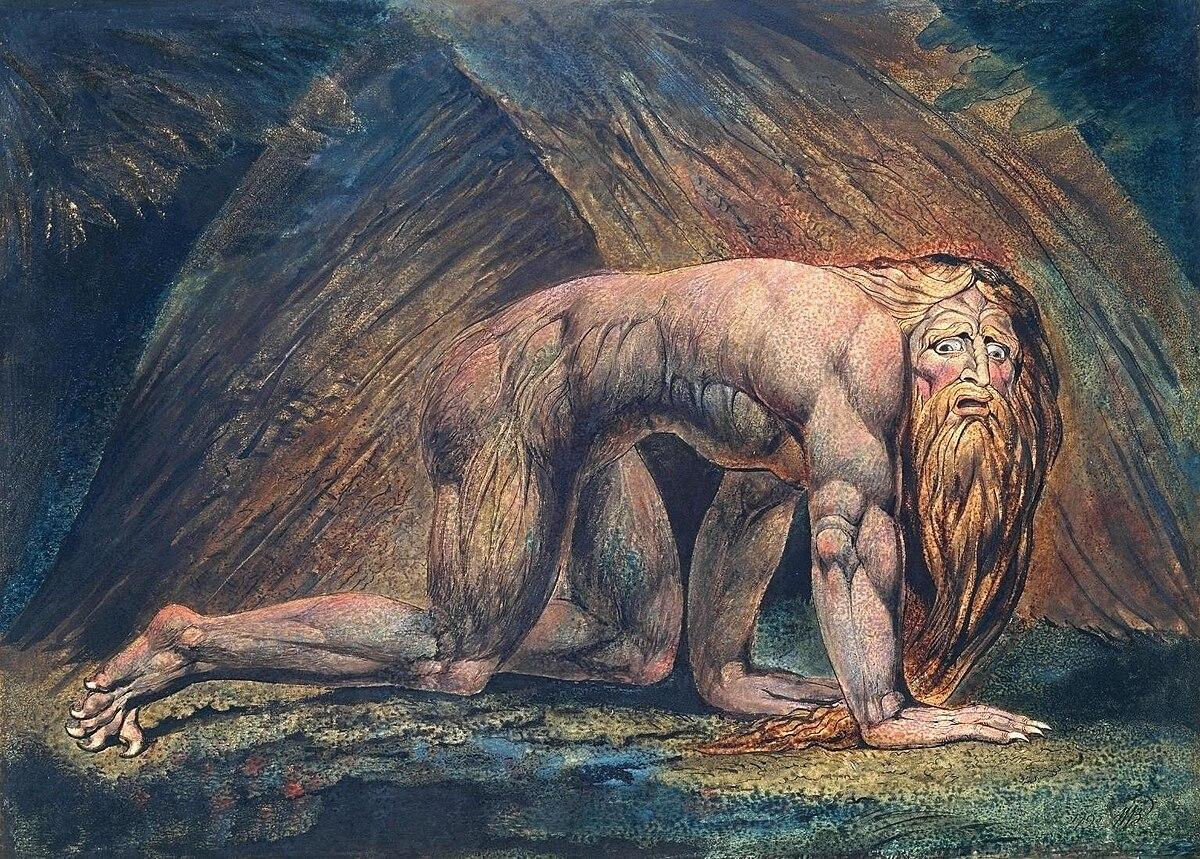
- Same movement
Nebuchadnezzar
William Blake
About Westward the Course of Empire Takes Its Way (mural study for U.S. Capitol)
You can see it at Smithsonian American Art Museum in Washington D.C., United States. Emanuel Leutze created it. Emanuel Leutze created Westward the Course of Empire Takes Its Way as a study for his massive mural in the U.S.
The completed mural decorates the U.S. Capitol building in Washington, celebrating American westward expansion. Emanuel Leutze created Westward the Course of Empire Takes Its Way as a study for his massive mural in the U.S.
Leutze is best known for Washington Crossing the Delaware, another iconic American historical painting You can see it at Smithsonian American Art Museum.
Own Art Like This
Luxury wall art with the same mood and energy. Gallery-quality canvas, no museum crowds.
Browse Collection