Wikimedia Commons • Public Domain
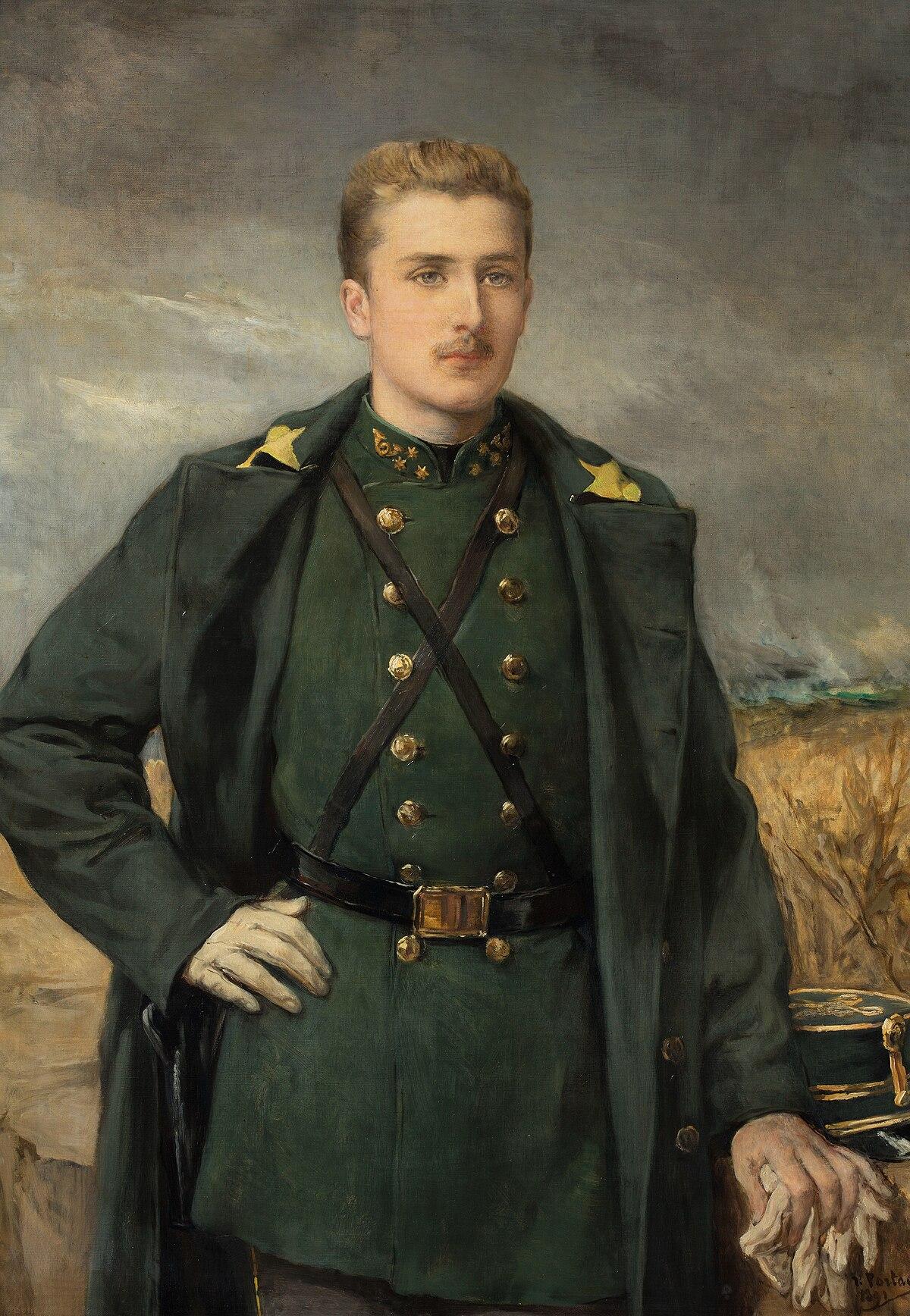
Portrait of a Carabinier
StyleRomanticism
GenrePortrait
Artwork Details
Cite or Embed This Work
APA · MLA · Chicago1-click academic citation and embeddable “On View” museum badge for articles, syllabi, and research.
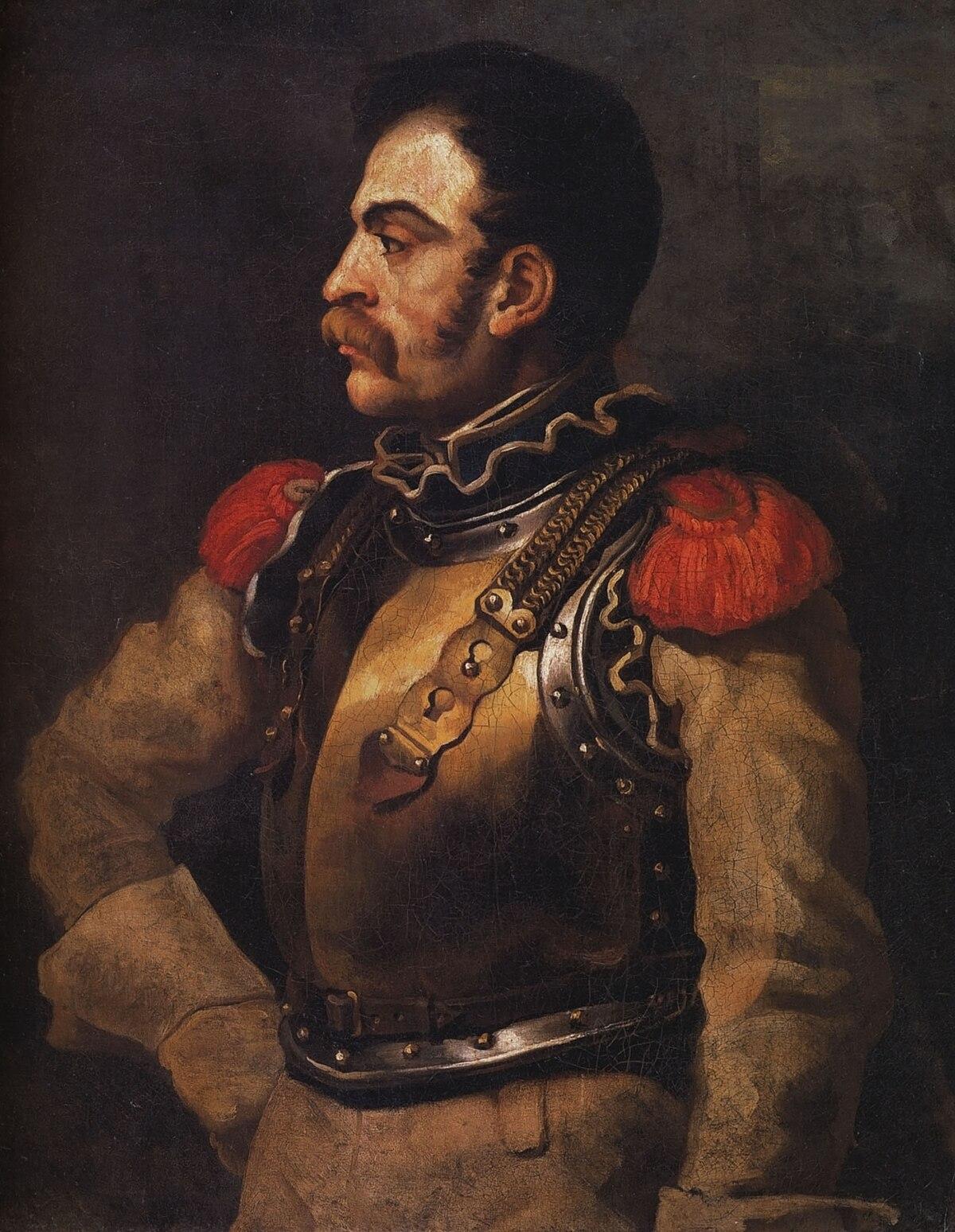
Théodore Géricault painted the portrait of a French cavalry soldier in 1814, capturing the military subject matter for which he became known before his famous "Raft of the Medusa." The carabinier was an elite heavy cavalry soldier, and Géricault depicts him with the dramatic intensity characteristic of Romanticism.
The painting measures 64 x 45 cm in oil on canvas. Géricault was fascinated by horses and military subjects, producing numerous studies of soldiers and cavalry throughout his brief career. His powerful depictions of horses would influence artists including Delacroix and later the Realists.
The work is held at the Musée des Beaux-Arts de Rouen in France. Géricault died young at thirty-two, but his dramatic vision and technical mastery established him as a founder of French Romantic painting.
More by Théodore Géricault
View all →S
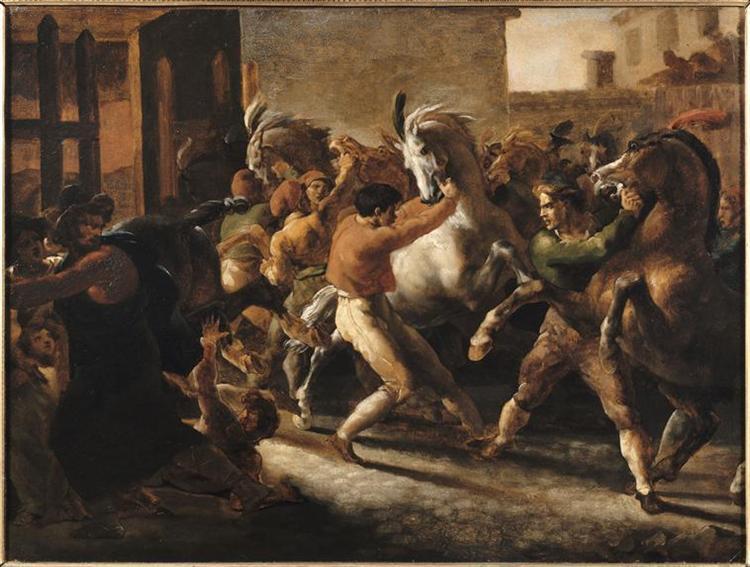
Study for the Race of the Barbarian Horses
Théodore Géricault
Palais des Beaux-Arts de Lille, Lille, Lille
H
Head of a horseman
Théodore Géricault
Musée Bonnat-Helleu, Bayonne
S
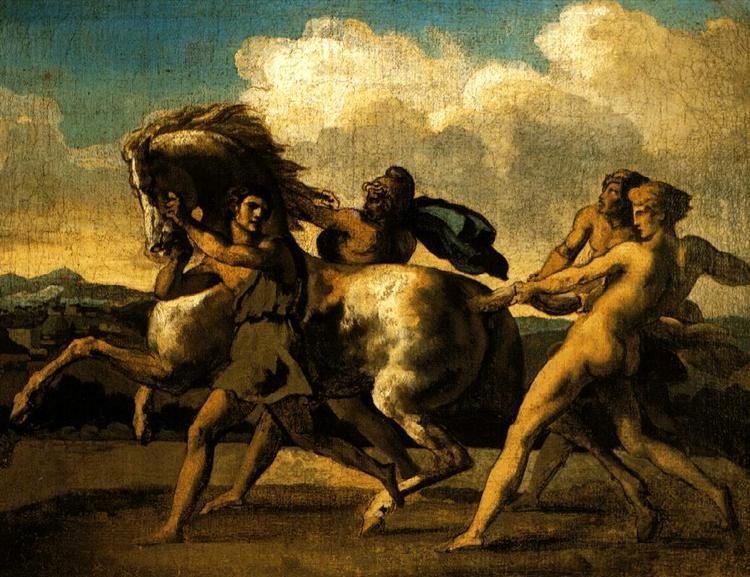
Slaves stopping a horse, study for The Race of the Barbarian Horses
Théodore Géricault
Musée des Beaux-Arts de Rouen, Rouen, Rouen
T
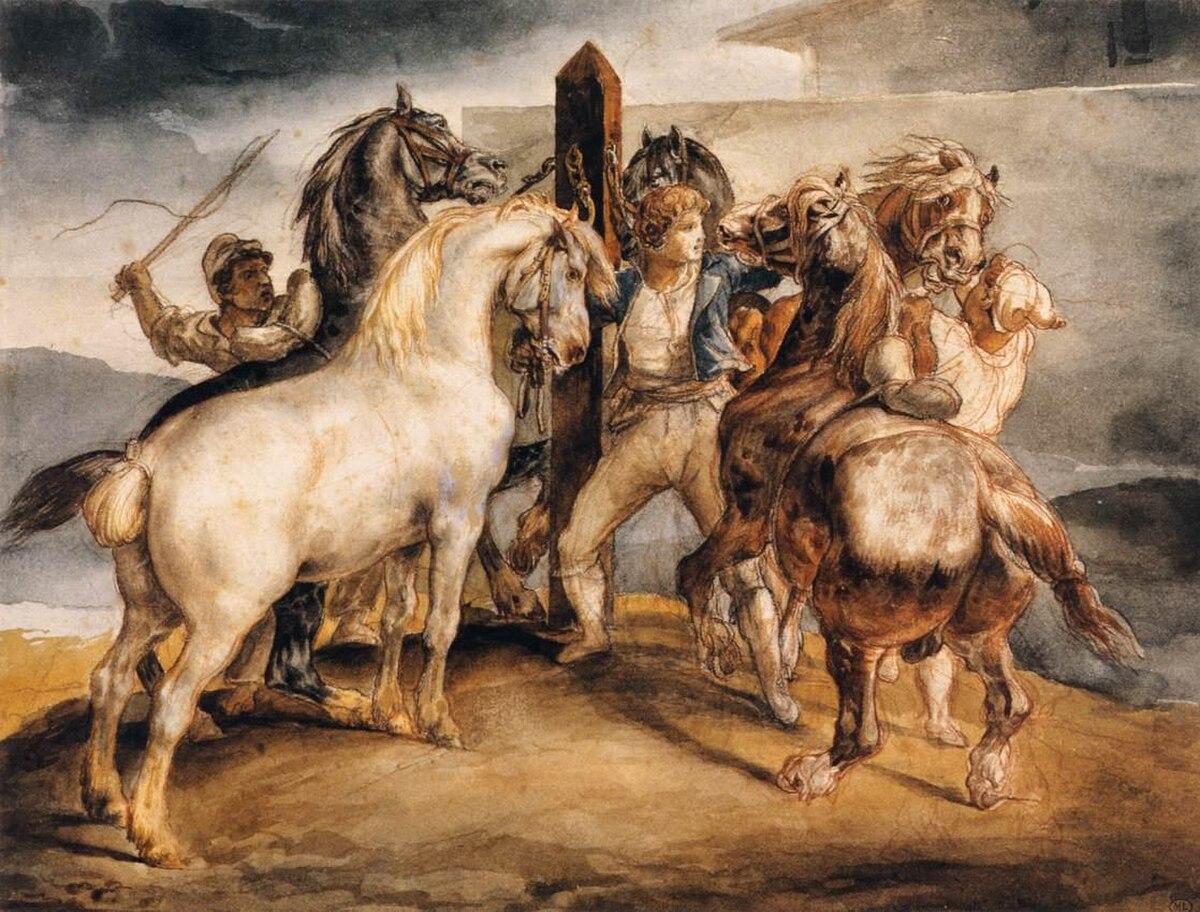
The Horse Market: Five Horses at the Stake
Théodore Géricault
Louvre, Paris, Paris
Also at Musée des Beaux-Arts de Rouen, Rouen
View all →S
Slaves stopping a horse, study for The Race of the Barbarian Horses
Théodore Géricault
Musée des Beaux-Arts de Rouen, Rouen, Rouen
S
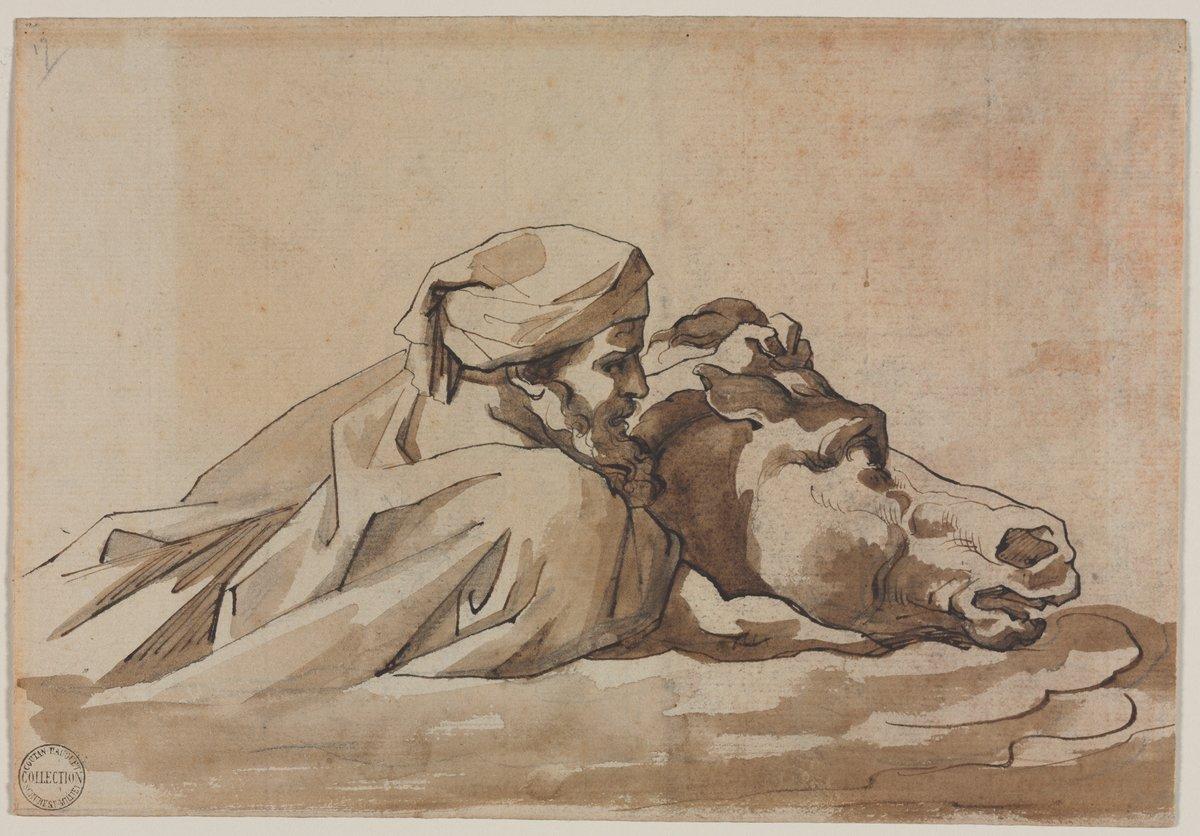
Study of a Man
Théodore Géricault
Musée des Beaux-Arts de Rouen, Rouen, Rouen
M
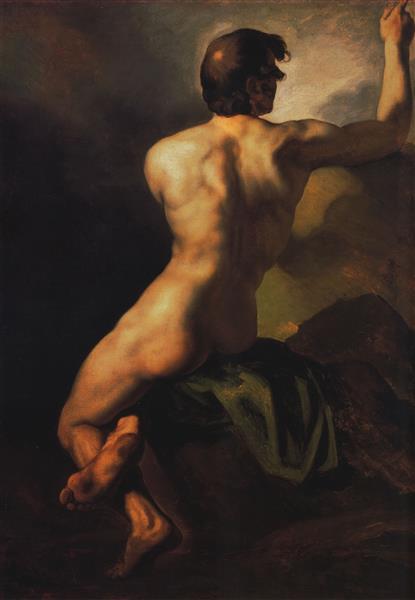
Male 'académie' Seated and Seen from Behind
Théodore Géricault
Musée des Beaux-Arts de Rouen, Rouen, Rouen
P
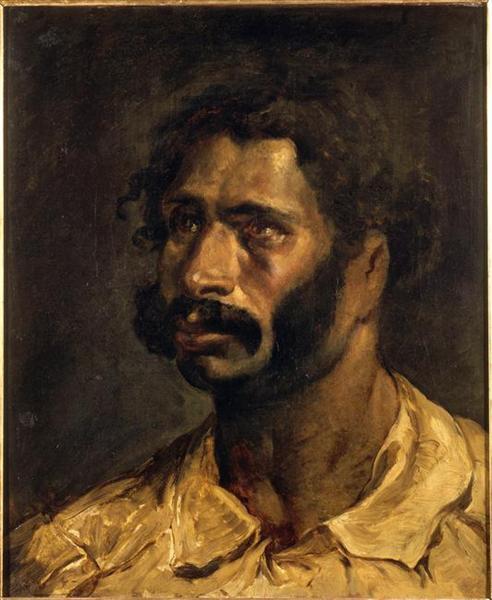
Portrait of the Carpenter of The Medusa
Théodore Géricault
Musée des Beaux-Arts de Rouen, Rouen, Rouen
Related Works
Works that share an artist, movement, museum, genre, palette or theme with Portrait of a Carabinier.
- Same artist
- Same movement
Carabinier
Théodore Géricault
- Same artist
- Same movement
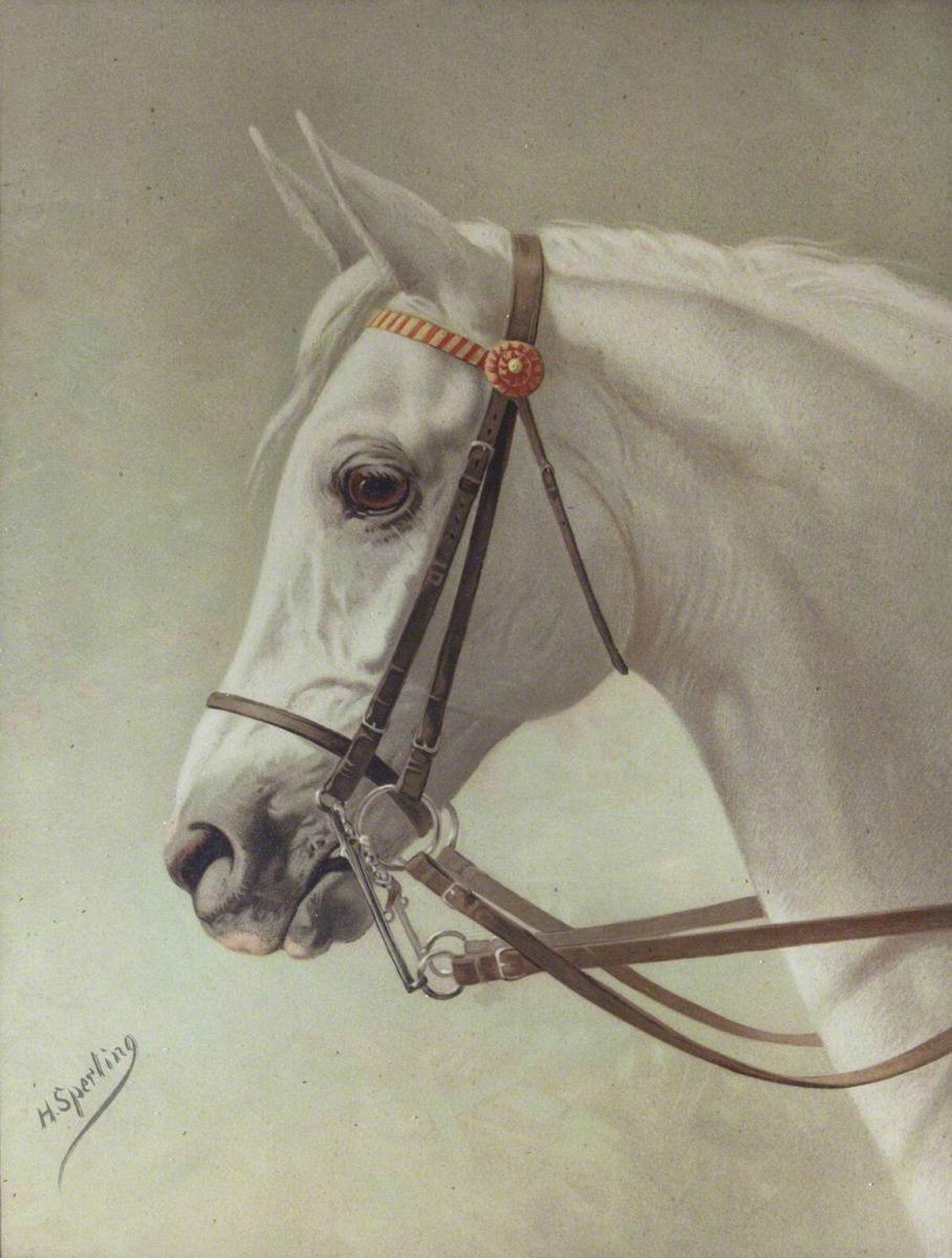
The head of white horse
Théodore Géricault
- Same artist
- Same movement
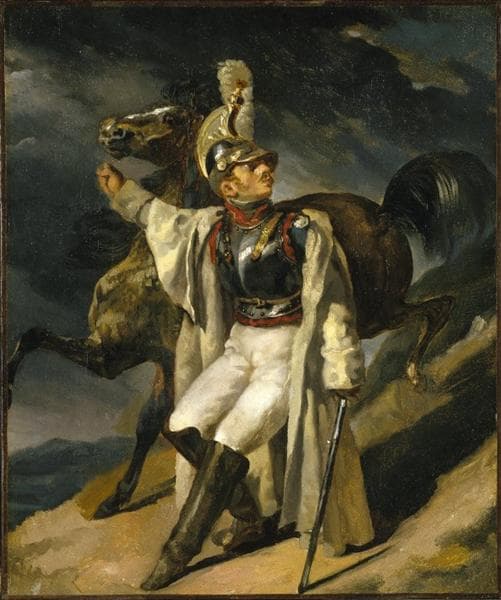
The Wounded Cuirassier
Théodore Géricault
- Same movement
- Same genre
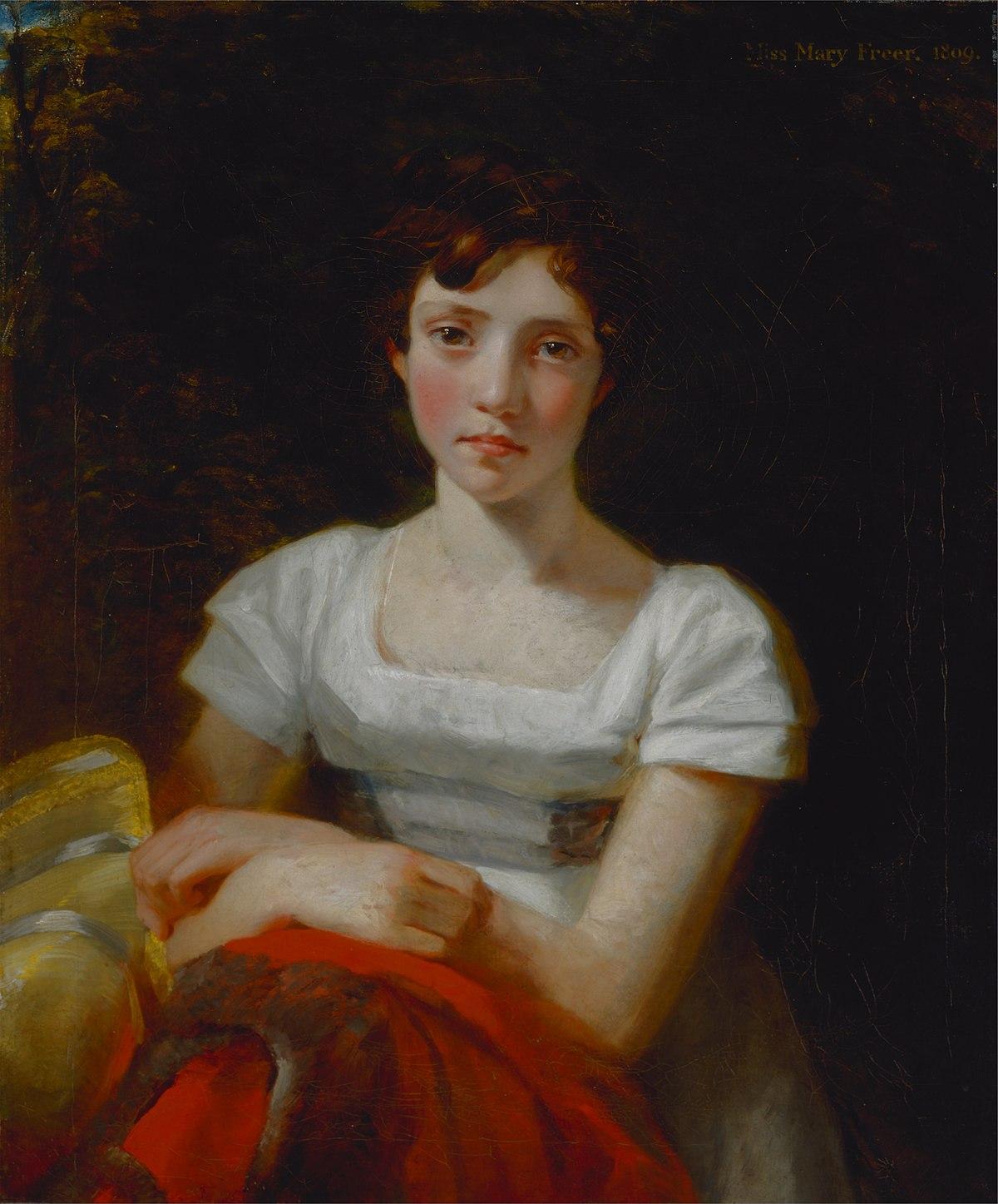
Portrait of Mary Freer
John Constable
- Same movement
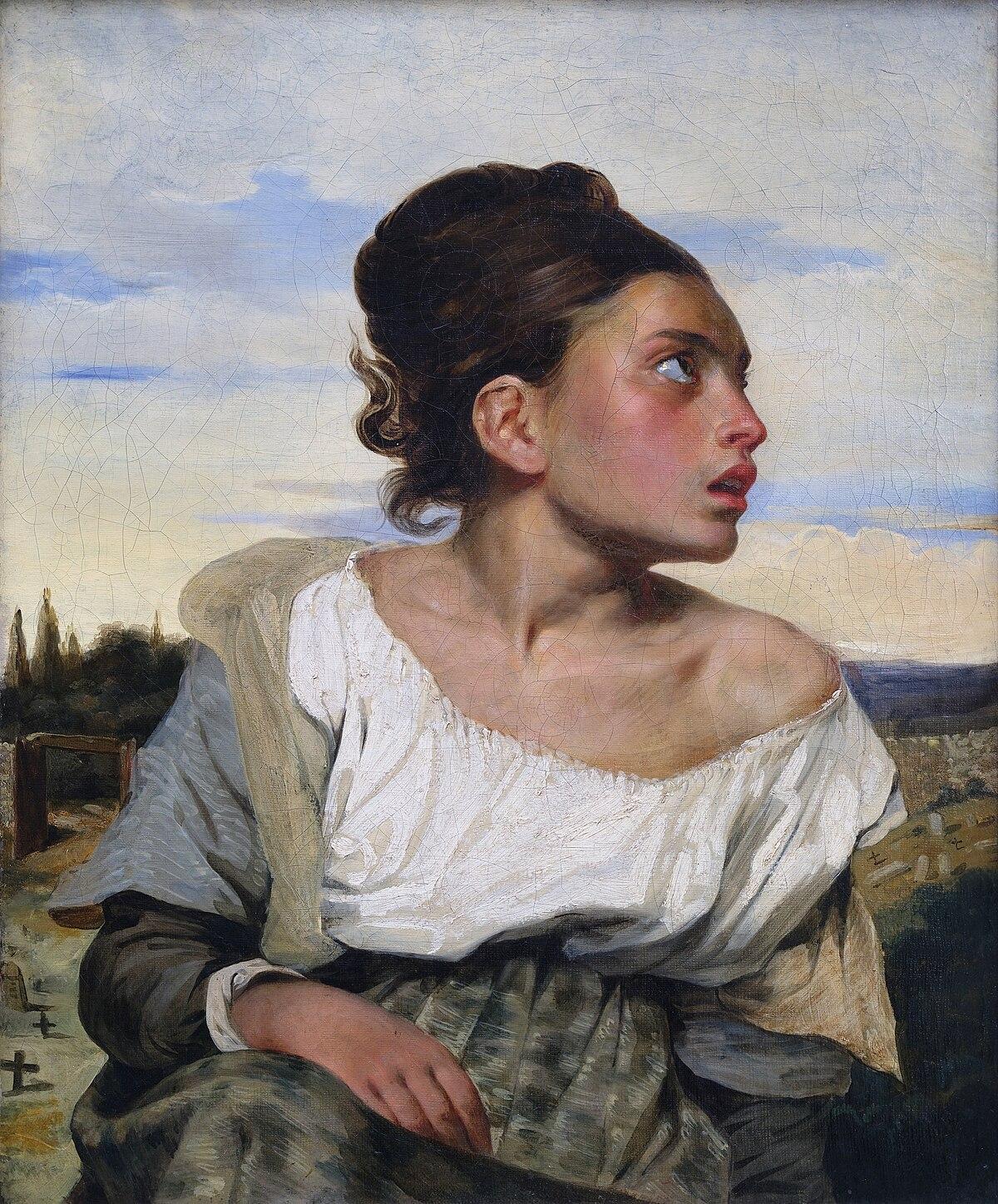
The Orphan Girl at the Cemetery
Eugène Delacroix
- Same movement
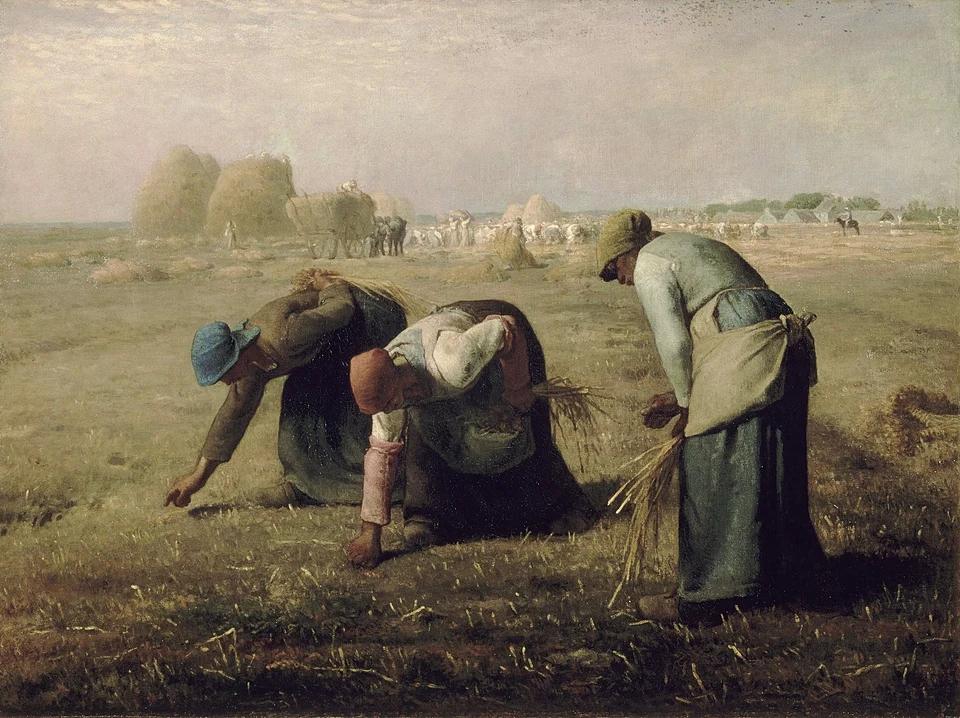
The Gleaners
Jean-François Millet, 1857
- Same movement
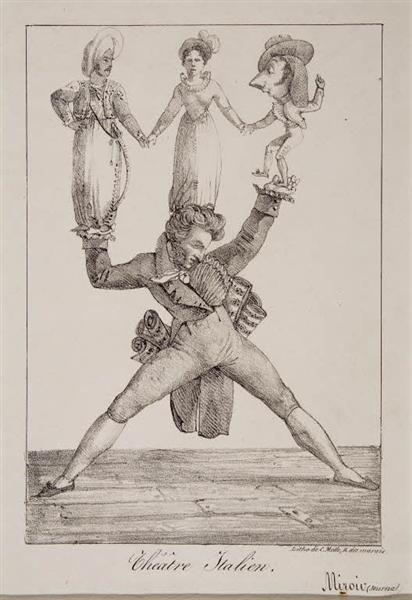
The Italian Theatre
Eugène Delacroix
- Same movement
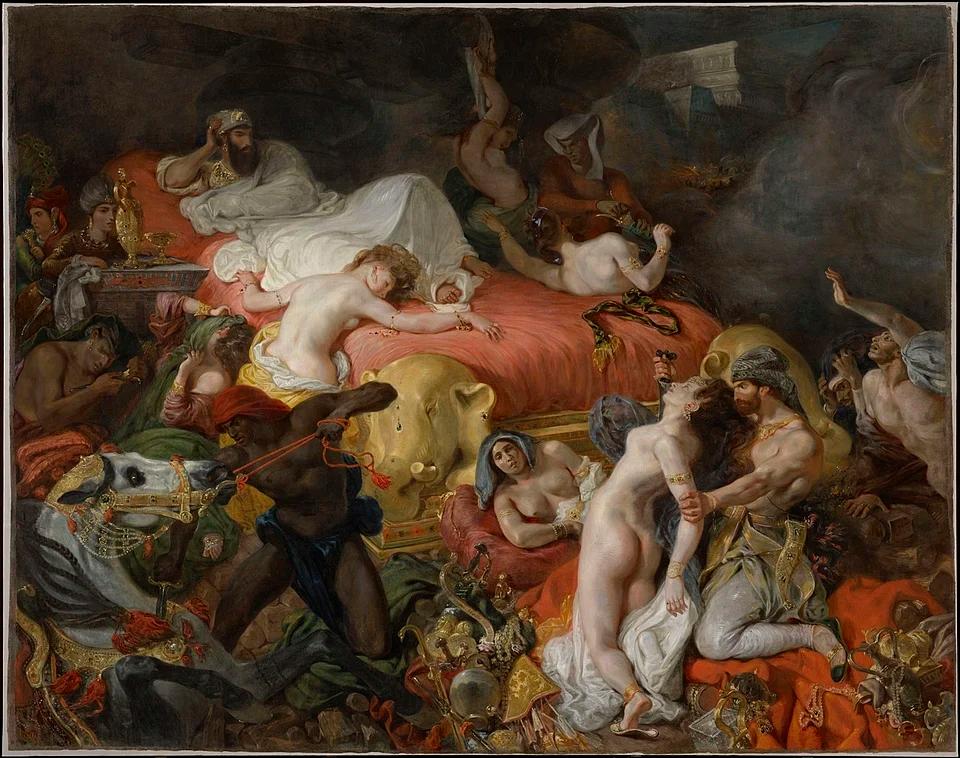
The Death of Sardanapalus
Eugène Delacroix, 1827
- Same movement
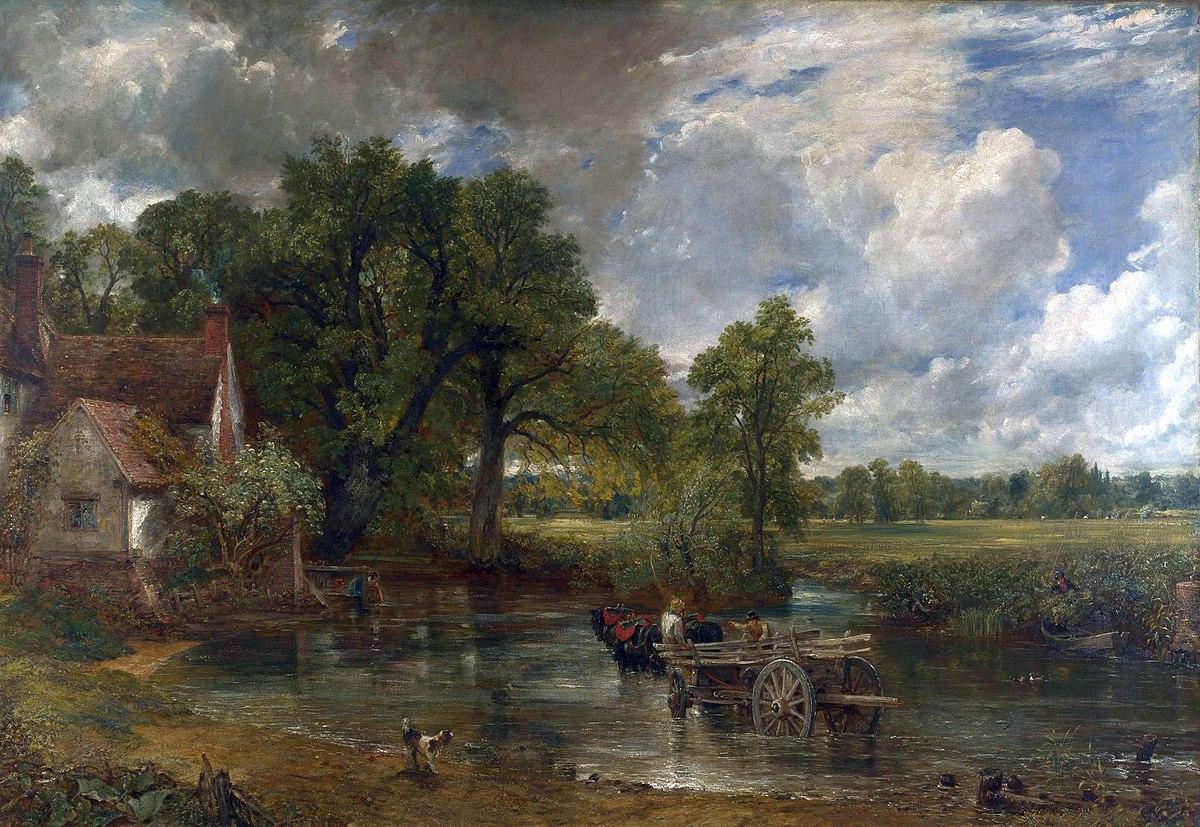
The Hay Wain
John Constable, 1821
- Same movement
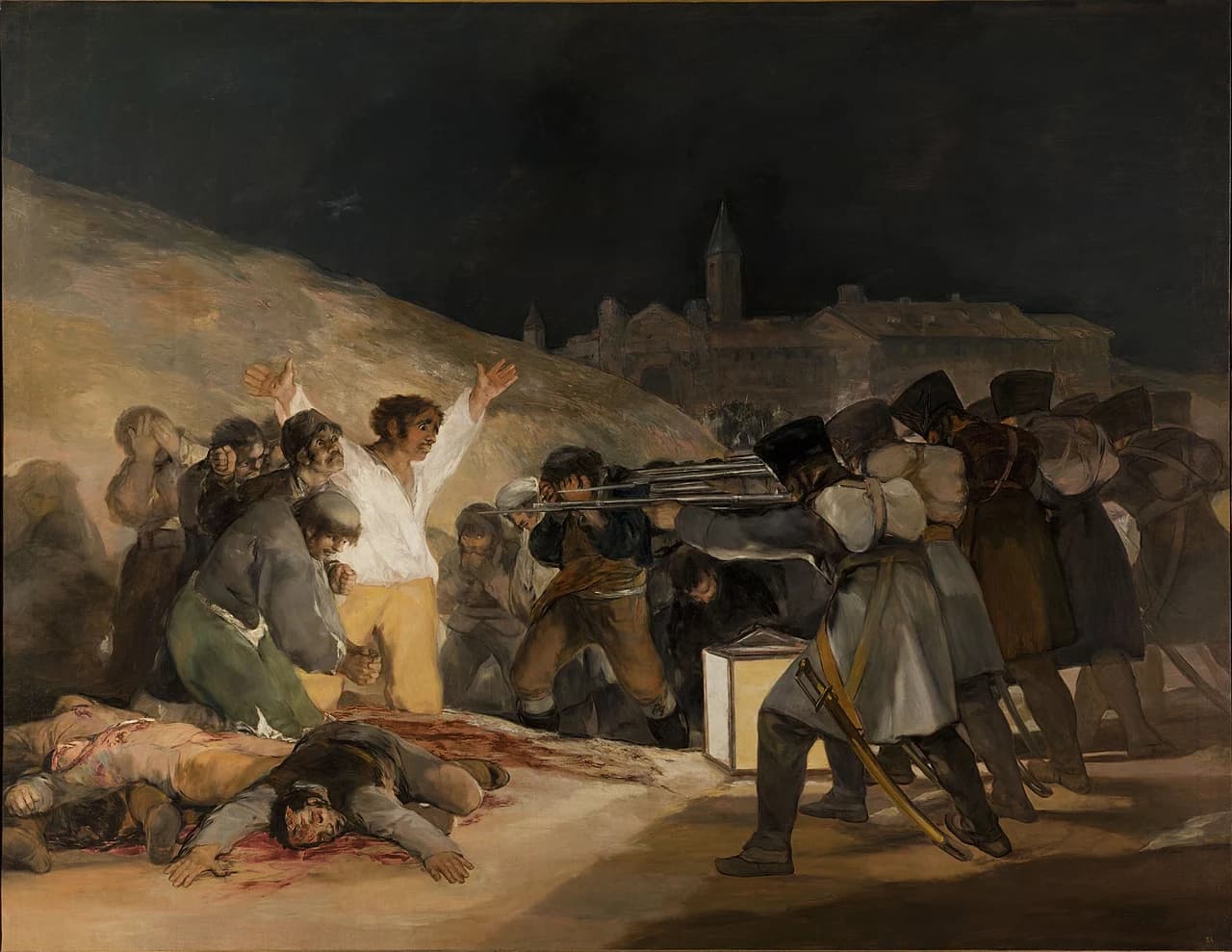
The Third of May 1808
Francisco Goya, 1814
- Same movement
The bather
Jean-François Millet
- Same movement
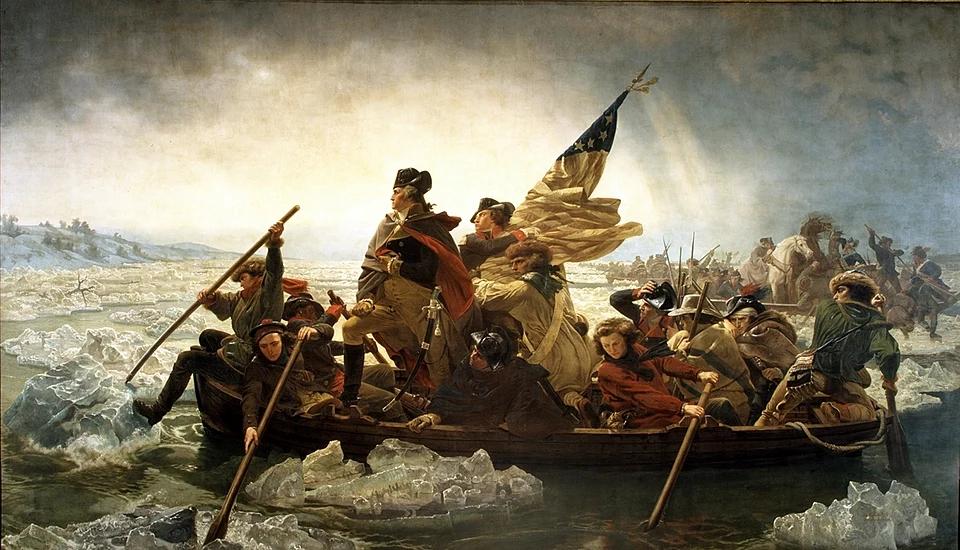
Washington Crossing the Delaware
Emanuel Leutze, 1851
About Portrait of a Carabinier
Portrait of a Carabinier is at the Musée des Beaux-Arts de Rouen in France. It's an example of Géricault's military subjects.
A carabinier was an elite French heavy cavalry soldier. Géricault was fascinated by military subjects and horses throughout his brief career.
This is a Romantic work from 1814. Géricault was a founder of French Romanticism, known for dramatic intensity and powerful subjects.
Own Art Like This
Luxury wall art with the same mood and energy. Gallery-quality canvas, no museum crowds.
Browse Collection