Ferdinand Georg Waldmüller
Austrian·1793–1865
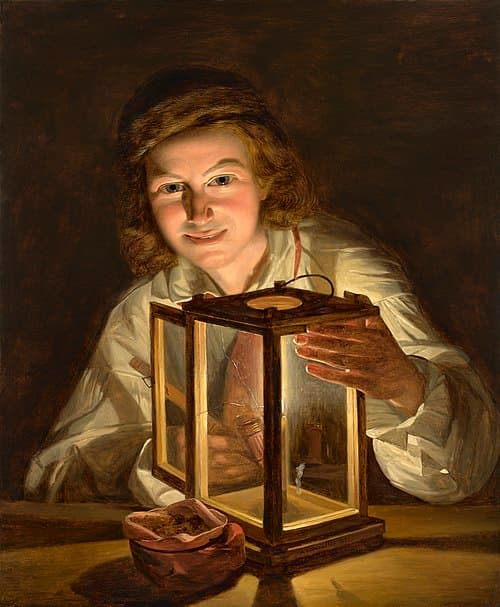
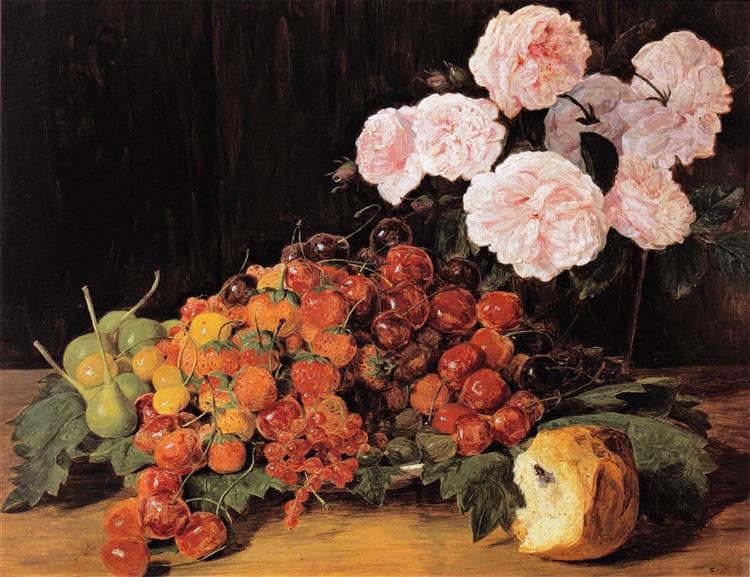
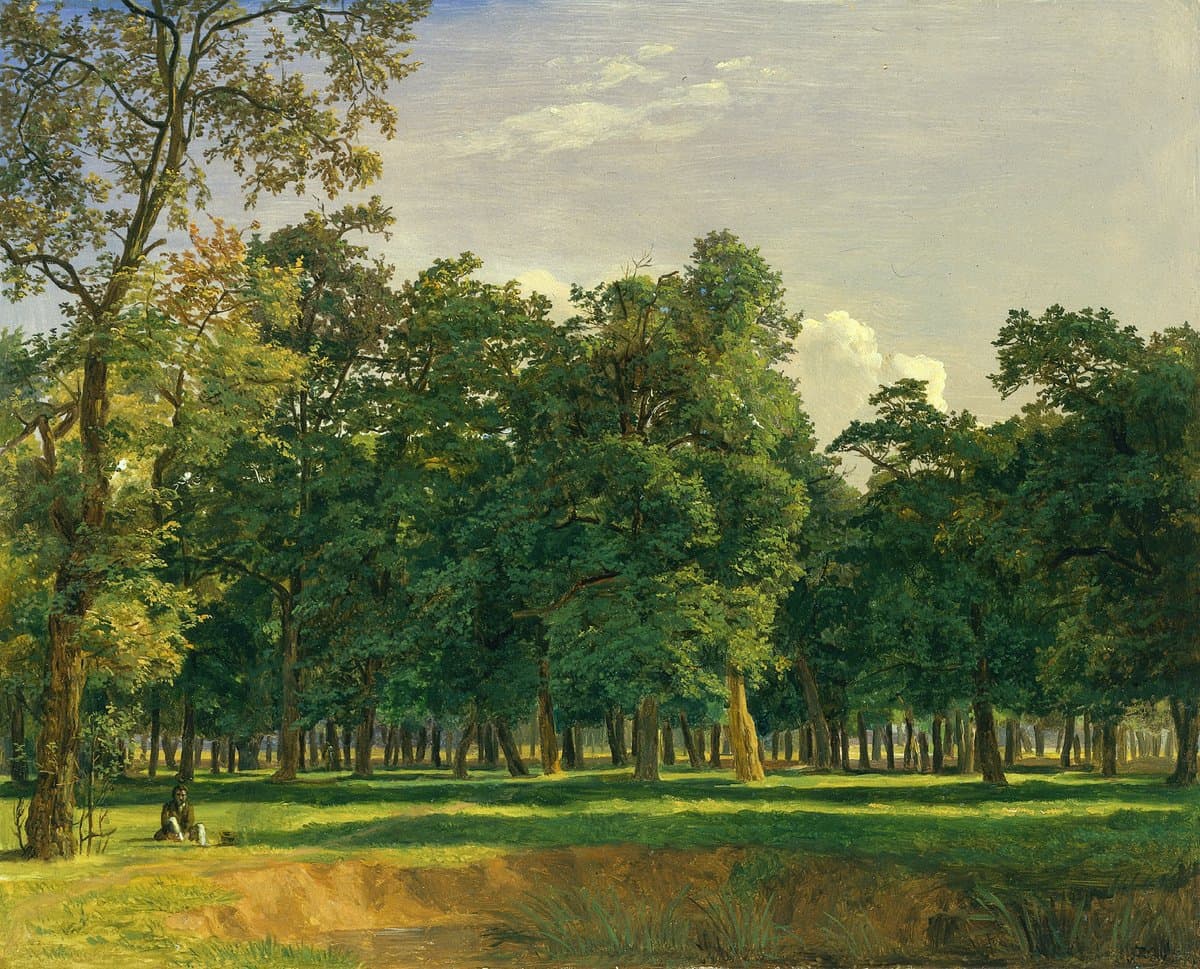
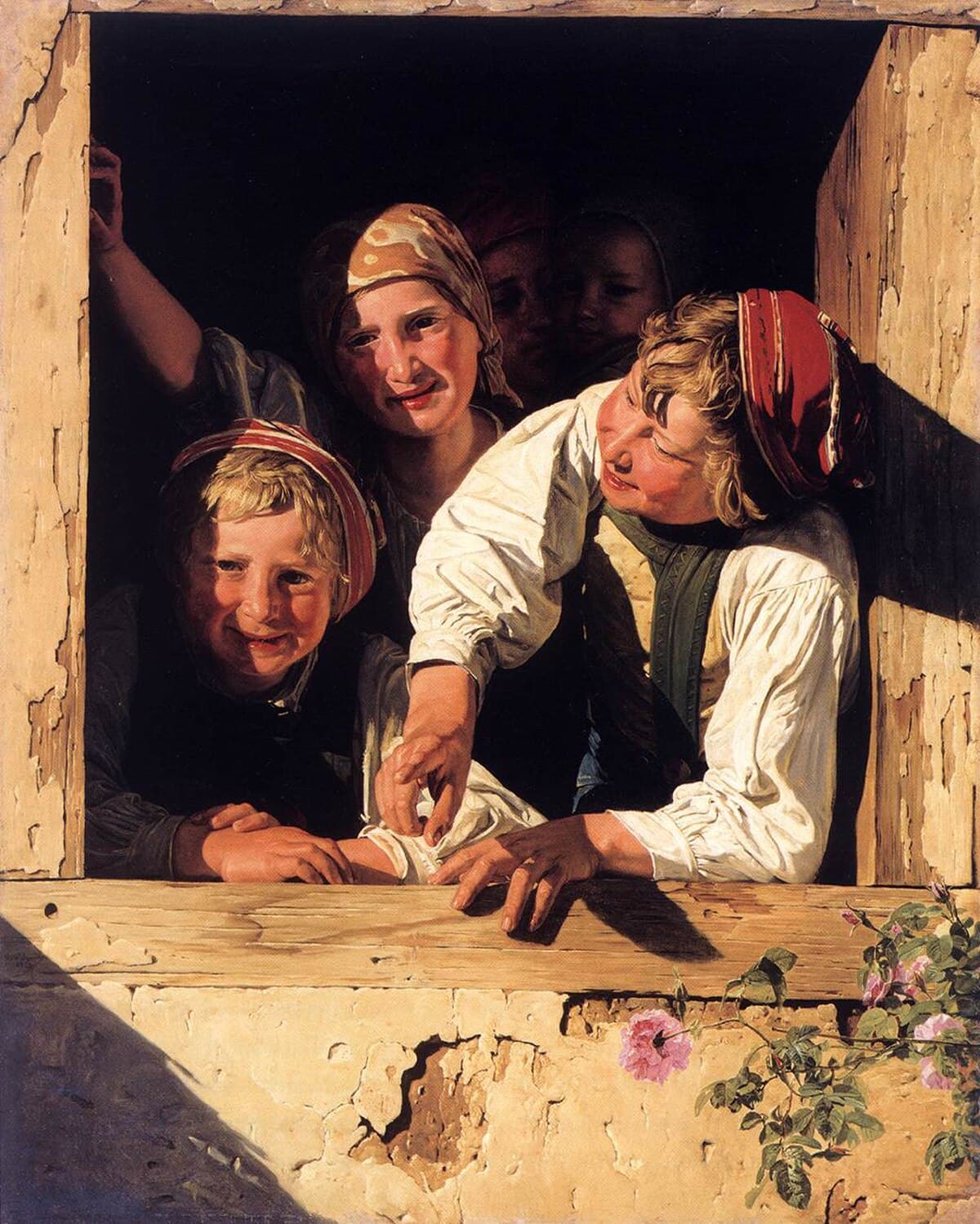
Romantic painter Ferdinand Georg Waldmüller (1793-1865) became the most important Austrian artist of the Biedermeier period. Born in Vienna, he developed a naturalistic style characterized by brilliant lighting effects and precise detail. His landscapes of the Salzkammergut region capture Austrian countryside with remarkable clarity, while his genre scenes of rural life show peasants and children with warmth and dignity. Waldmüller's 1823 portrait of Ludwig van Beethoven remains one of the most authentic likenesses of the composer.
Waldmüller enrolled at the Academy of Fine Arts Vienna at age 14 and later spent nearly two decades making summer trips to Italy, where he studied light and color. In 1829, he became a professor at the Vienna Academy, but his outspoken advocacy for painting directly from nature clashed with academic idealism. His controversial views led to forced retirement in 1857, though he was rehabilitated and knighted shortly before his death. The Vienna Secession later viewed him as a forerunner of their rebellion. The Belvedere in Vienna holds the largest collection of his work, with additional paintings at the National Gallery of Art.
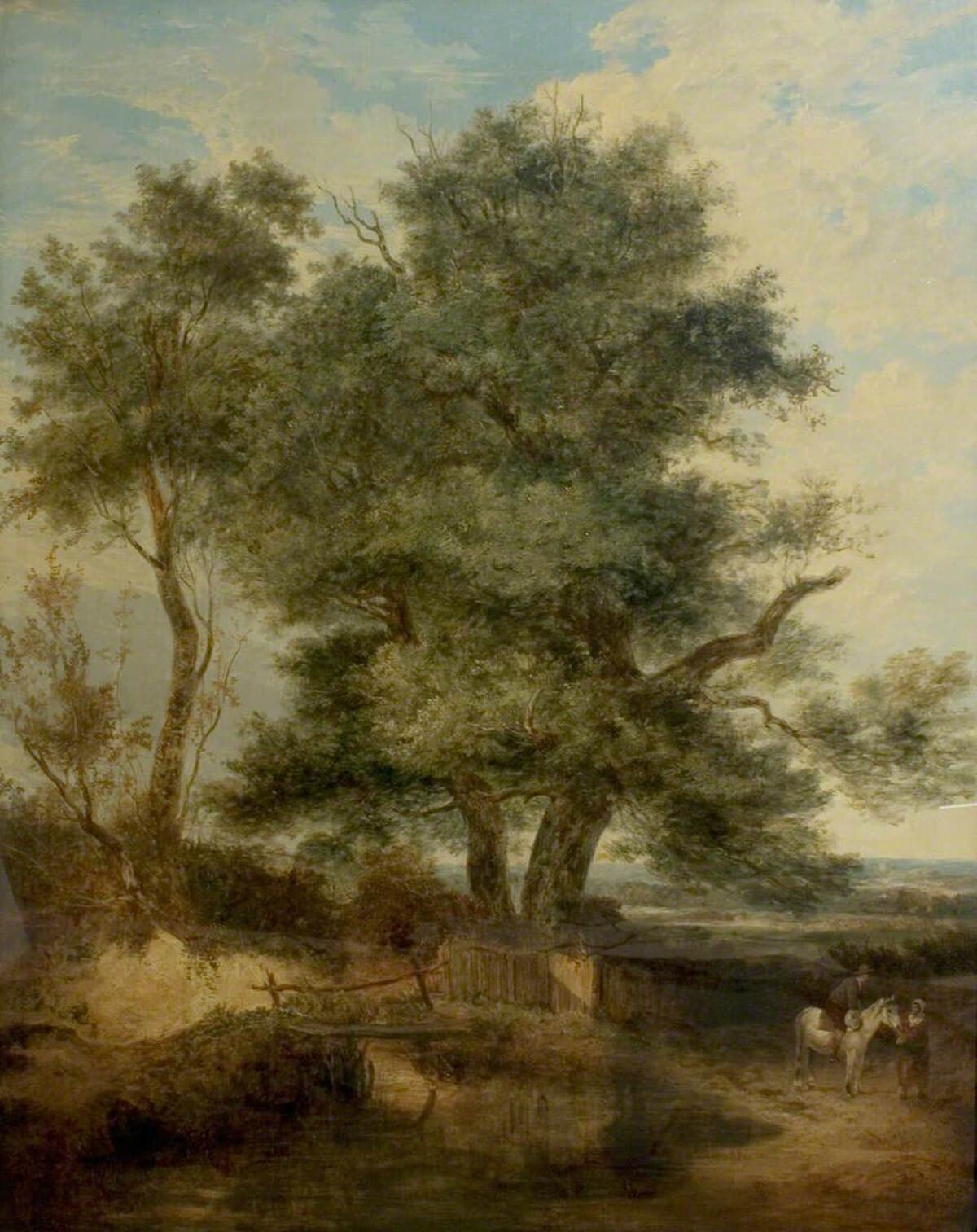
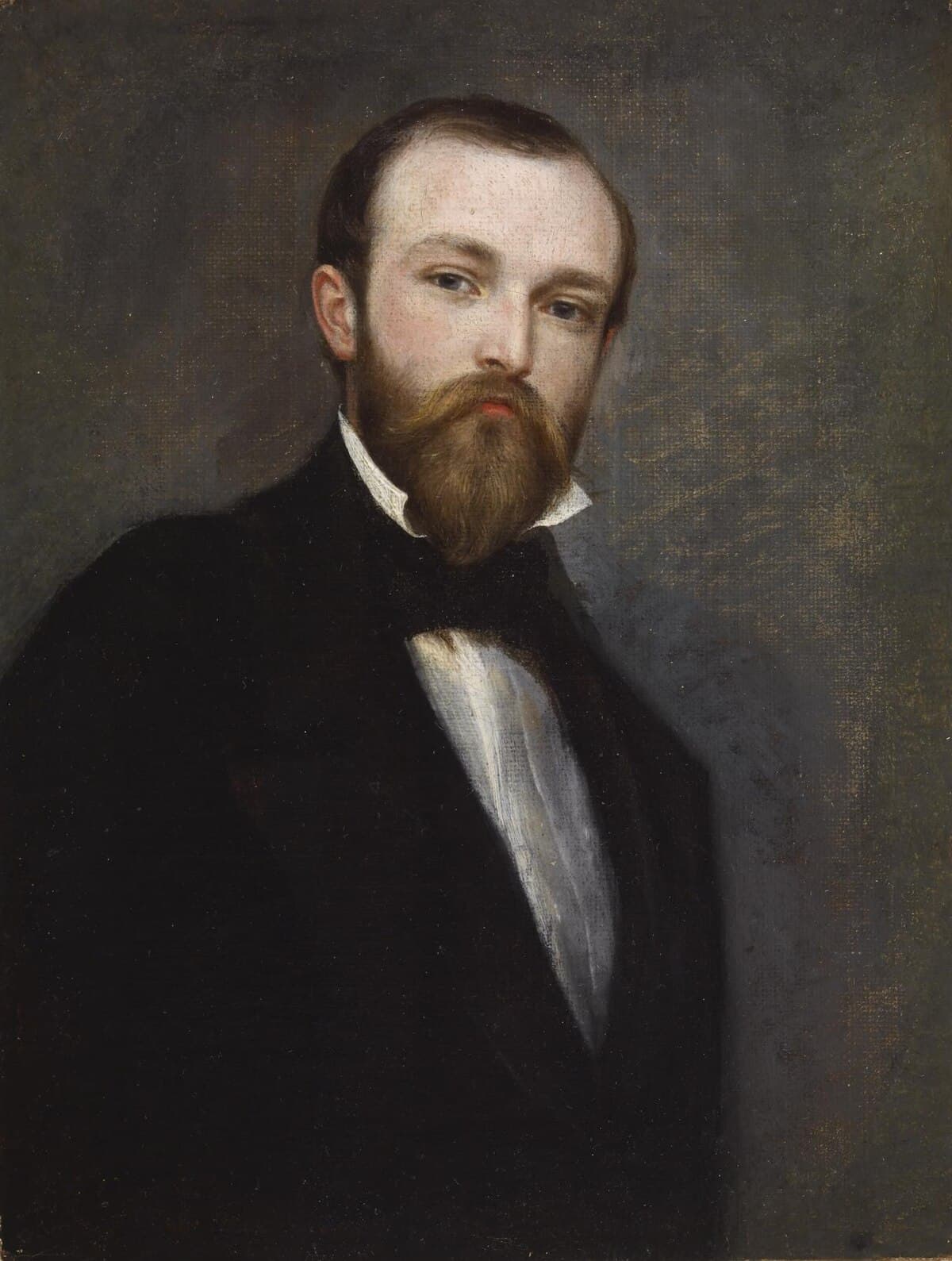
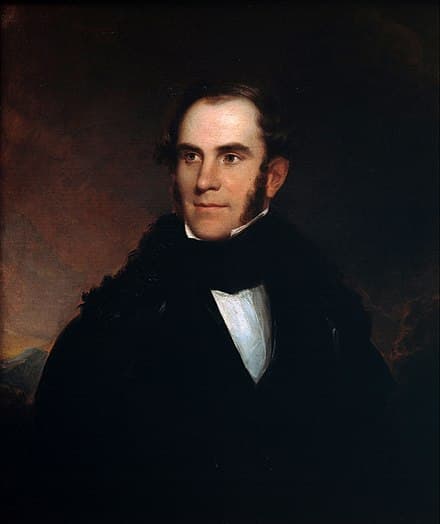
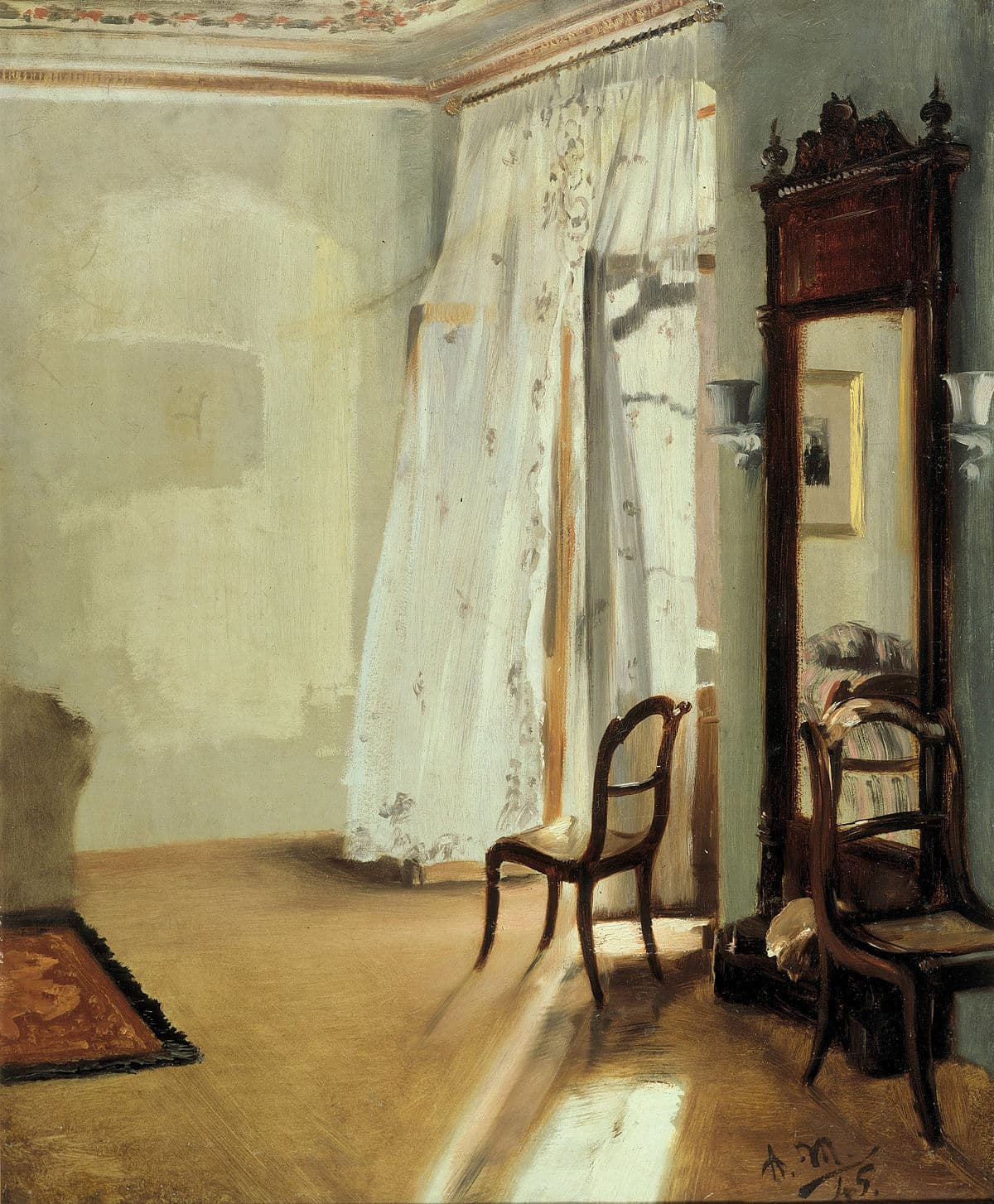
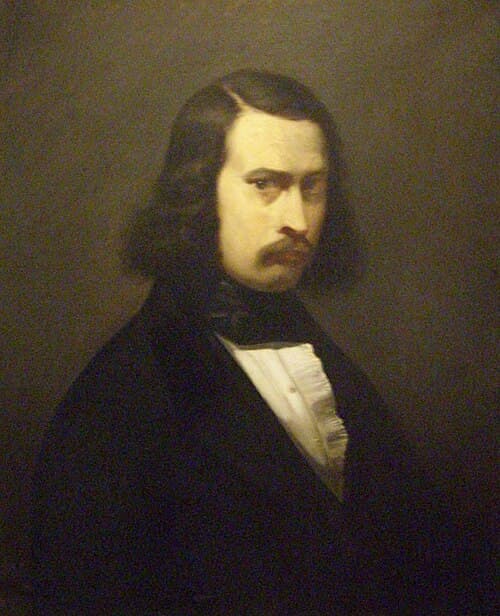
Notable Works by Ferdinand Georg Waldmüller
5 paintings catalogued with museum locations