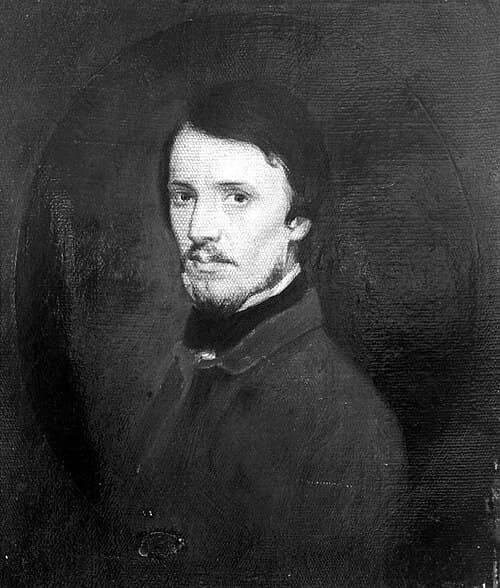
Jasper Francis Cropsey
American·1823–1900
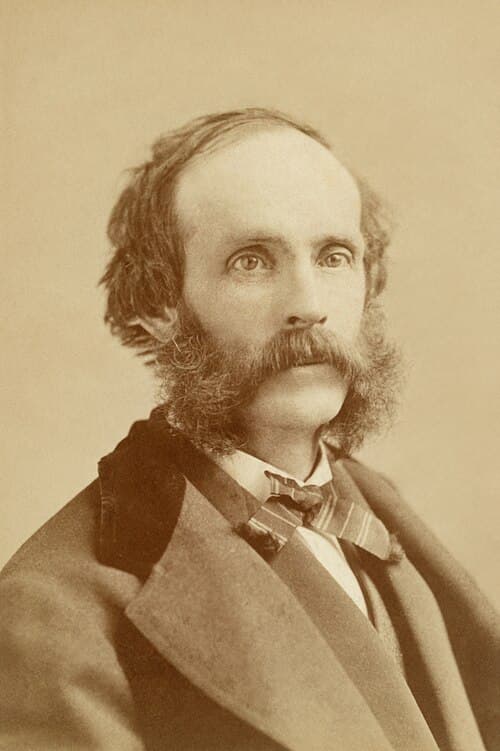
No Portrait Available
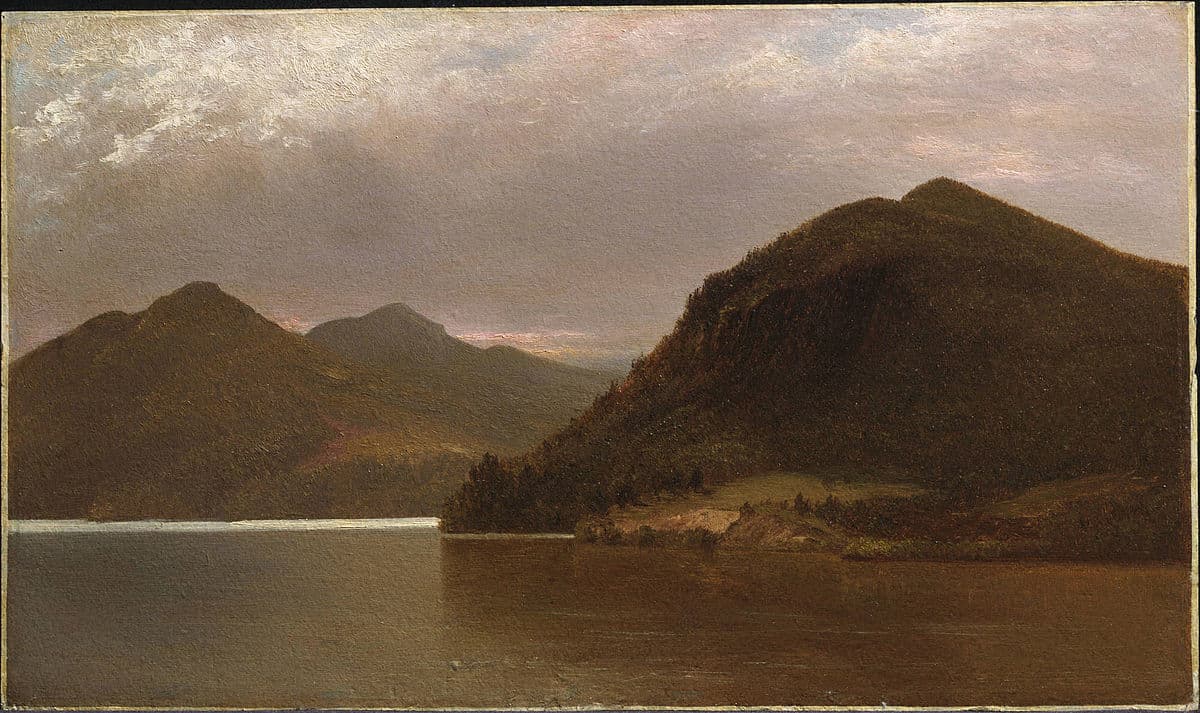
Hudson River School painter Jasper Francis Cropsey (1823-1900) became known as "America's painter of autumn" for his lavish depictions of northeastern fall foliage in bold yellows, oranges, and reds. Born on a Staten Island farm, poor health as a child led him to teach himself drawing during periods of convalescence. At fourteen, his architectural model won recognition at the New York Mechanics' Institute Fair, leading to an apprenticeship with architect Joseph Trench. Though trained in architecture, Cropsey devoted himself to landscape painting after his first exhibition at the National Academy of Design in 1843.
Cropsey traveled to Europe twice, spending 1847-1849 in Rome in Thomas Cole's former studio and 1857-1863 in London, where his autumn landscapes gained enormous popularity. His 1860 painting Autumn on the Hudson, completed in London and shown at the 1862 International Exhibition, established his reputation for capturing autumnal color with unprecedented vibrancy. Queen Victoria received him at court in 1861. Cropsey's ability to render brilliant fall colors stemmed partly from new chemical-based pigments available at mid-century. He designed elevated railway stations for New York and built a 29-room Gothic Revival mansion called Aladdin in Warwick, New York. A founding member of the American Watercolor Society, Cropsey continued painting landscapes until his death in 1900. His works hang at the National Gallery of Art, the Metropolitan Museum of Art, and the Crystal Bridges Museum of American Art. The White House also displays his paintings.
Notable Works by Jasper Francis Cropsey
1 painting catalogued with museum locations
Museums with Jasper Francis Cropsey's Work
1 museum displays Cropsey's works. Click any museum to see visiting info and the specific works they hold.
Related Artists
Other Hudson River School artists you might like
About Jasper Francis Cropsey
Cropsey was a second-generation Hudson River School painter known for vivid autumn landscapes. He believed nature directly manifested God and saw American wilderness as spiritually superior to European scenery, a patriotic conviction that shaped his brilliant fall foliage scenes.
Cropsey earned this title for his vibrant autumn landscapes featuring unprecedented orange, red, and gold foliage. When exhibiting in London, he reportedly had real American leaves sent over to prove his colors were accurate, as skeptical British viewers couldn't believe such brilliance existed.
Works hang at the National Gallery of Art, the Metropolitan Museum of Art, and his preserved home Ever Rest in Hastings-on-Hudson. His "Autumn on the Hudson River" was even shown to Queen Victoria in 1861.
Yes, Cropsey trained as an architect and later designed New York's elevated railway stations. He built his own Gothic Revival mansion "Aladdin" in Warwick, New York, though financial difficulties forced the family to leave when Impressionism overshadowed his style.
Cropsey spent 1847-1849 in Rome, staying in Thomas Cole's former studio. From 1857 to 1863, he lived in London, where his American autumn paintings achieved enormous popularity and brought international attention to Hudson River School landscape painting.
Love Jasper Francis Cropsey's Style?
Explore art inspired by Hudson River School.
Browse Collection