
Angelic Art: Symbolism, Meaning, and Style
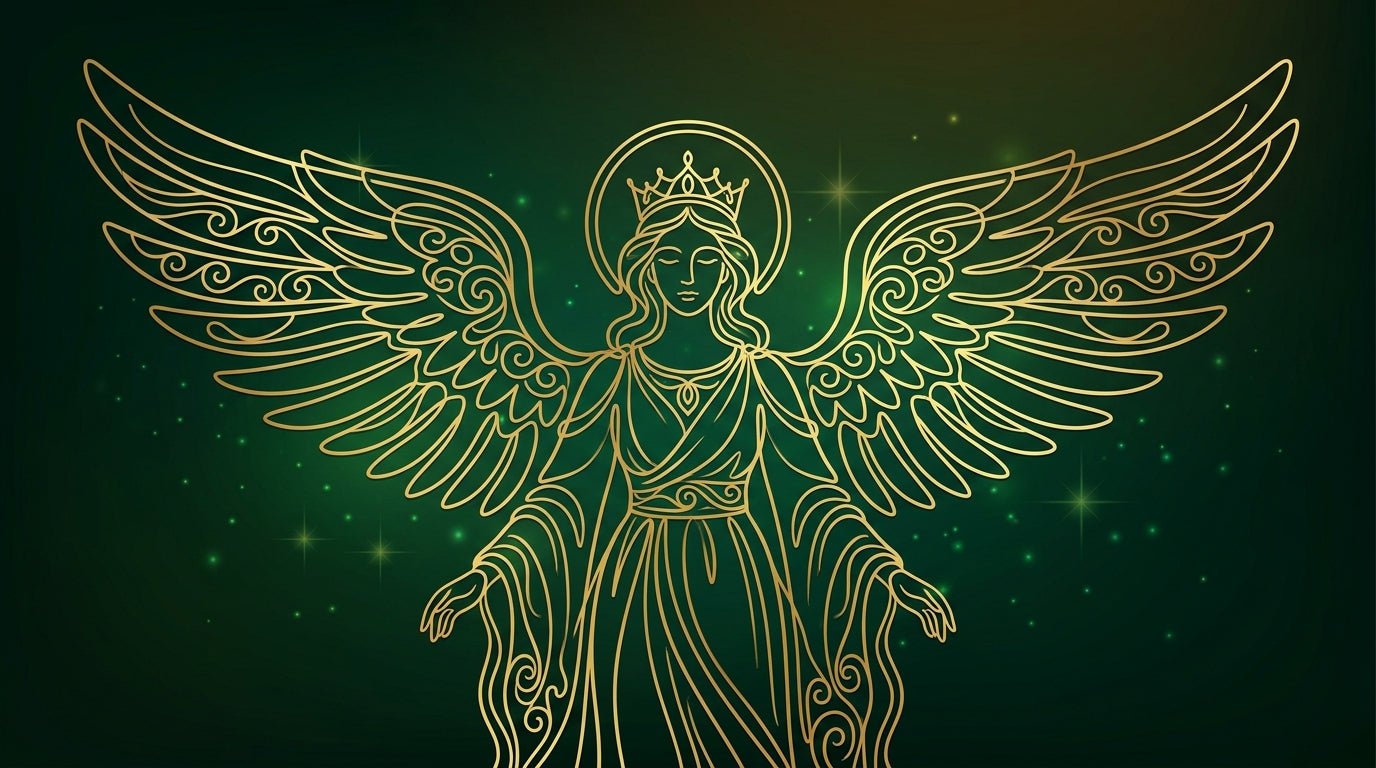

Angelic art is one of the oldest subjects in Western painting, and one of the most comforting. Angels stand for protection, guidance, and a link between heaven and earth, whether painted as armored archangels or as the plump cherubs everyone recognizes. This guide covers angels in art and how to choose a piece.
Protection and guidanceCherubs to archangelsCenturies of painting
At a glance
| Reads as | Protection, guidance |
| Peak in art | The Renaissance |
| Types | Cherubs, archangels, guardians |
| Best rooms | Bedroom, entry, nursery |
Angels in Art
Angels have been painted for as long as there has been Christian art, and the tradition runs deep. In the Renaissance they were everywhere: hovering at the edges of altarpieces, announcing news to the Virgin, or, most famously, gazing up as two small cherubs at the foot of a masterpiece. Angelic art became a way to show the divine reaching into the human world.
The two daydreaming cherubs below, painted by Raphael at the base of his Sistine Madonna, are probably the most reproduced angels in history. They capture the softer side of the subject: not power, but tenderness and quiet watchfulness. That range, from armored guardian to gentle cherub, is what keeps the subject so versatile.

The Orders of Angels
Angels are not all the same rank. Medieval theologians sorted them into a hierarchy of nine orders, from the six-winged seraphim who surround the throne of God down to the guardian angels closest to human life. Art tends to focus on the two ends of that ladder: the mighty archangels and the approachable guardians.
That range is why angelic art covers so many moods. A seraph or an archangel like Michael brings drama and power, all wings, armor, and light, the angel as protector and warrior. A guardian angel or a cherub brings comfort and warmth instead. Knowing roughly where a piece sits on that scale makes it easy to place: the powerful angels for a hall or study, the gentle ones for a bedroom or nursery, where their reassurance does the most good.
The Types of Angelic Art
Most angel wall art shows one of four kinds of angel. Here is each one paired with a piece that carries it.
 The guardian angelA watchful, glowing presence. The most comforting reading, protection kept close.
 The archangelThe armored warrior, Michael and his kind. Strength and righteousness, the boldest angel piece.
 Ascension and the heavensWings rising toward light. The link between earth and heaven, art about the reach upward.
 Grace and beautyThe gentle, Renaissance side of the subject. Tenderness and calm rather than power.
Where Angel Art Belongs
Angel paintings suit rooms that want a note of calm and care: a bedroom, an entryway, a nursery, a quiet reading corner.


Gift tip: because it reads as protection and comfort, angel art is a thoughtful gift for a new baby, a new home, or someone in need of a little reassurance.
Bring an angel home
Every piece is printed to order on gallery-depth canvas, in original designs you will not find reprinted across a thousand other stores.
Frequently Asked Questions
What does angel art symbolize?
Protection, guidance, and the link between heaven and earth. An angel is a messenger and a guardian, so angelic art reads as comfort and watchfulness, a sense that something benevolent is near. The exact feeling shifts with the type: an armored archangel says strength and righteousness, while a soft cherub says tenderness and calm. Most pieces carry one of those two moods clearly.
What is the difference between a cherub and an archangel?
A cherub is one of the plump, childlike winged figures made famous by the Renaissance, standing for innocence and tenderness. An archangel like Michael is a powerful, often armored warrior angel, standing for strength and protection. They sit at opposite ends of the same subject, one all tenderness, the other all power. If you want comfort and warmth, choose a cherub or guardian; if you want drama and a sense of a protector standing guard, choose an archangel.
Who painted the most famous angels?
Raphael, whose two daydreaming cherubs at the base of the Sistine Madonna are the most reproduced angels in history. Renaissance masters from Fra Angelico to Botticelli filled their work with angels, which is why the Renaissance is the high point of the subject. Later painters kept the tradition alive too, from Rembrandt's dramatic archangels to the soft, romantic angels of the nineteenth century. Modern pieces draw on all of it, which is why angel art ranges so widely in mood.
Where should I hang angel art?
Rooms that want calm and care: a bedroom, entryway, nursery, or reading corner. Guardian and cherub pieces bring warmth, while a bold archangel suits a study or hallway. An entryway is a classic spot, since an angel there reads as a welcome and a small blessing over the threshold. Match the angel's mood to the room: gentle and glowing for restful spaces, powerful and armored where you want a statement.
Is angel art only religious?
Not necessarily. While the subject comes from Christian tradition, many people hang angel wall art simply for its sense of comfort, beauty, and protection, with no specific faith attached. Angels have also become a broad symbol of remembrance and watchfulness, which is why they appear on memorials and in homes of every belief. The feeling of being looked after travels well beyond any single religion.
What colors does angel art use?
Gold and cream for the divine, soft blues and whites for the heavens, and warm skin tones for the figures. The light usually seems to come from the angel itself, which is part of what gives the subject its glow. Archangel pieces lean richer and darker, with armor, deep reds, and dramatic shadow, while cherub and guardian pieces stay soft and luminous. The palette is a quick tell for which end of the subject a piece belongs to.
Is angel art a good gift?
Yes. Because it reads as protection and comfort, angel art is a reliable gift for a new baby, a new home, a recovery, or anyone who could use a little reassurance on the wall.