Wikimedia Commons • Public Domain
Sappho
by Gustav Klimt
Artwork Details
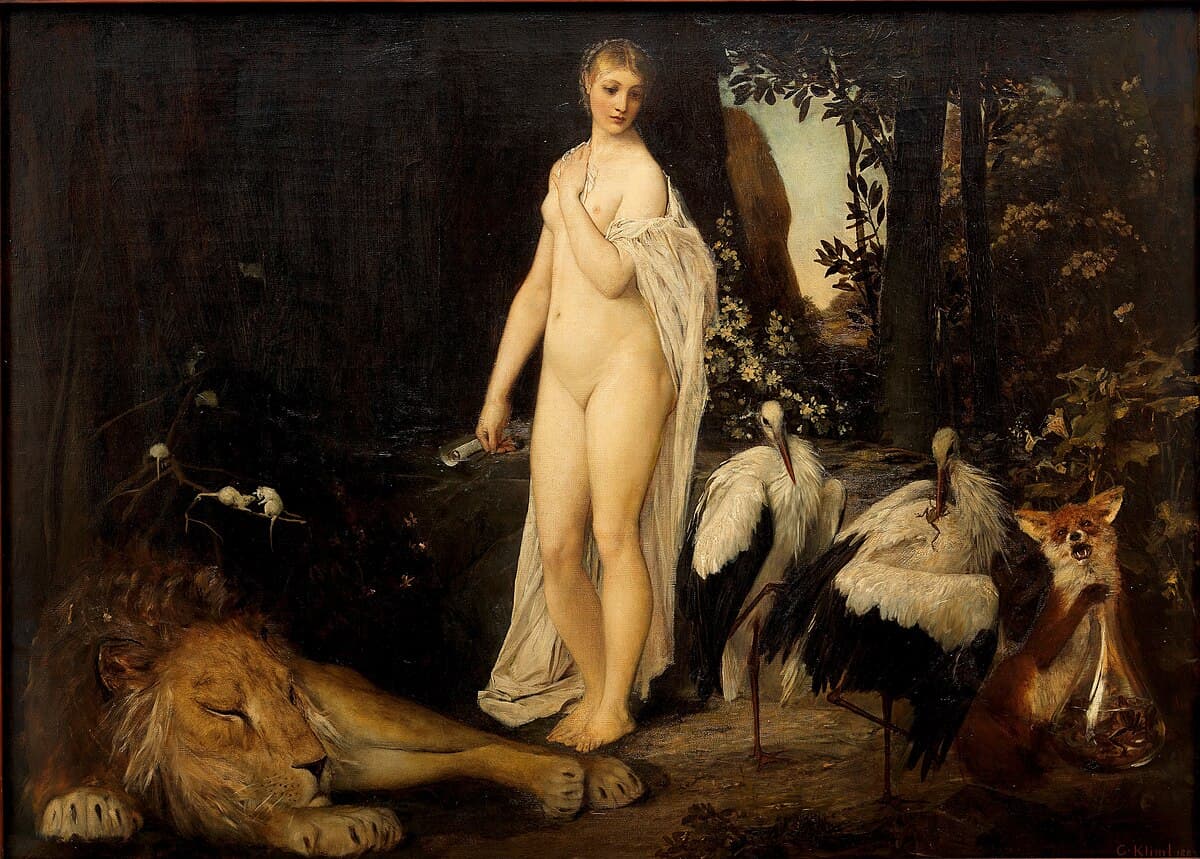
Austrian artist Gustav Klimt painted this Sappho between 1888 and 1890, depicting the ancient Greek poetess from the island of Lesbos. This small work, measuring just 39 by 31.6 centimeters, belongs to Klimt's early historicist period, years before he developed the golden, decorative style that would make him famous. The painting reflects the academic training and classical interests that dominated his youth.
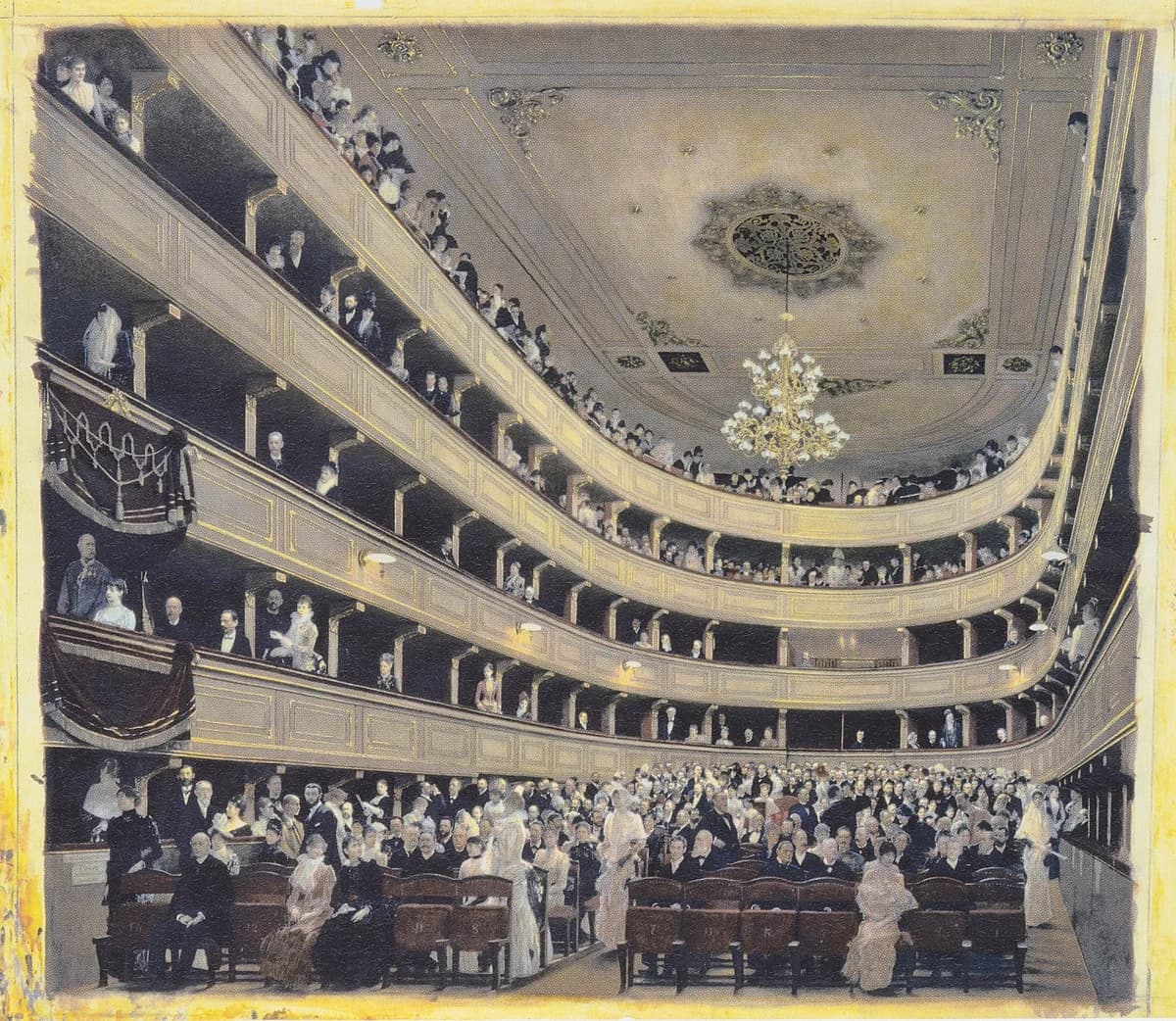
During these years, Klimt worked with his brother Ernst and fellow artist Franz Matsch as the "Künstler-Compagnie," a company that won major decorative commissions across Vienna. Their most prestigious project came in 1886 when they received 10,000 guilders to paint ceiling panels for the newly built Imperial Burgtheater. Klimt executed four of the ten scenes depicting theater history from antiquity through the 18th century. Emperor Franz Josef I awarded him the Golden Order of Merit in 1888 for this work.
The influence of Lawrence Alma-Tadema and John William Waterhouse appears in Klimt's careful reconstruction of ancient settings. But even in these early commissions, Klimt was beginning to diverge from his partners' strict historicism. Sappho now hangs in the Vienna Museum, a reminder of where one of art history's most distinctive styles began, in the polished academic tradition he would soon abandon.