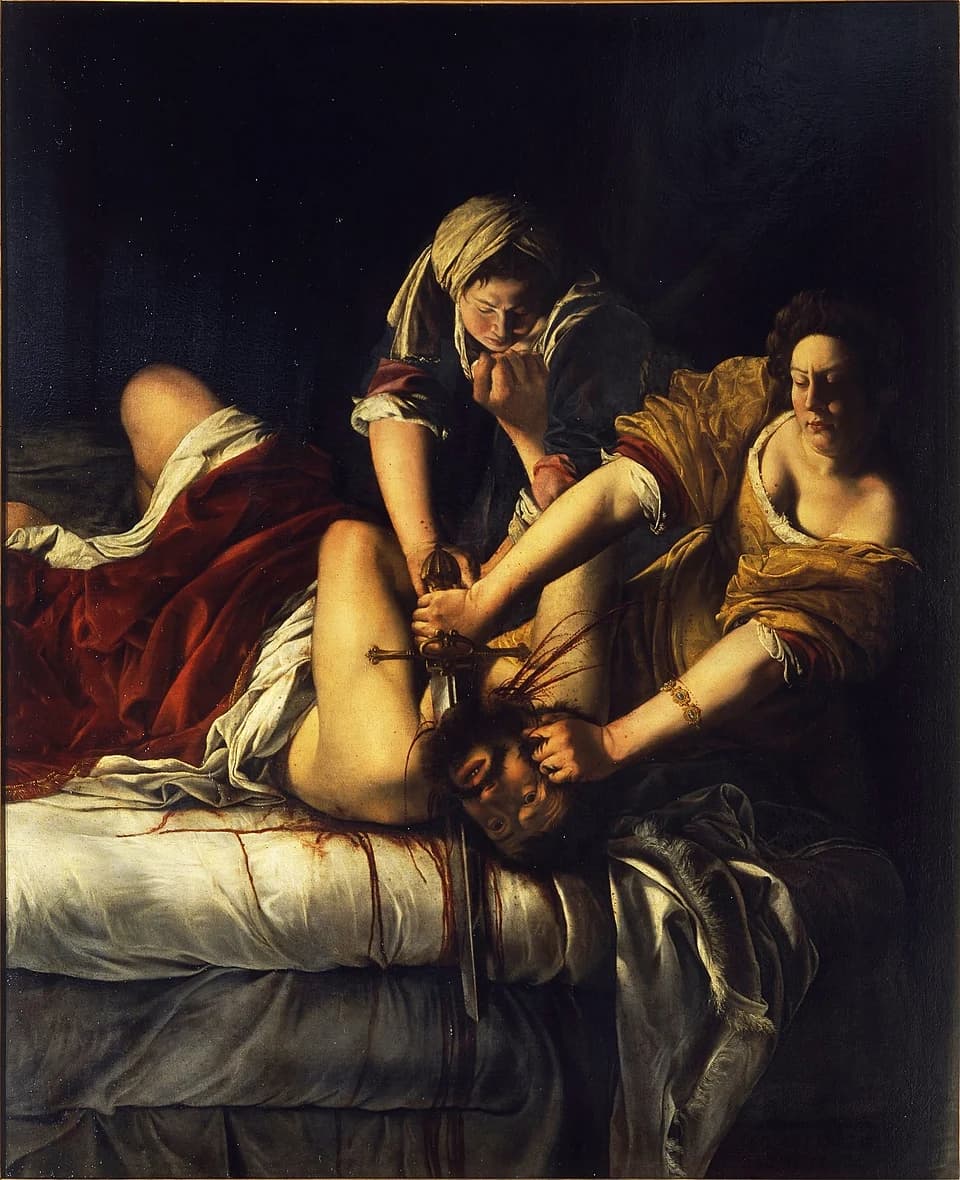
Judith Slaying Holofernes
by Artemisia Gentileschi, 1620
Artwork Details
Details
- Year
- 1620
- Medium
- Oil on canvas
- Size
- 158.8 cm × 125.5 cm
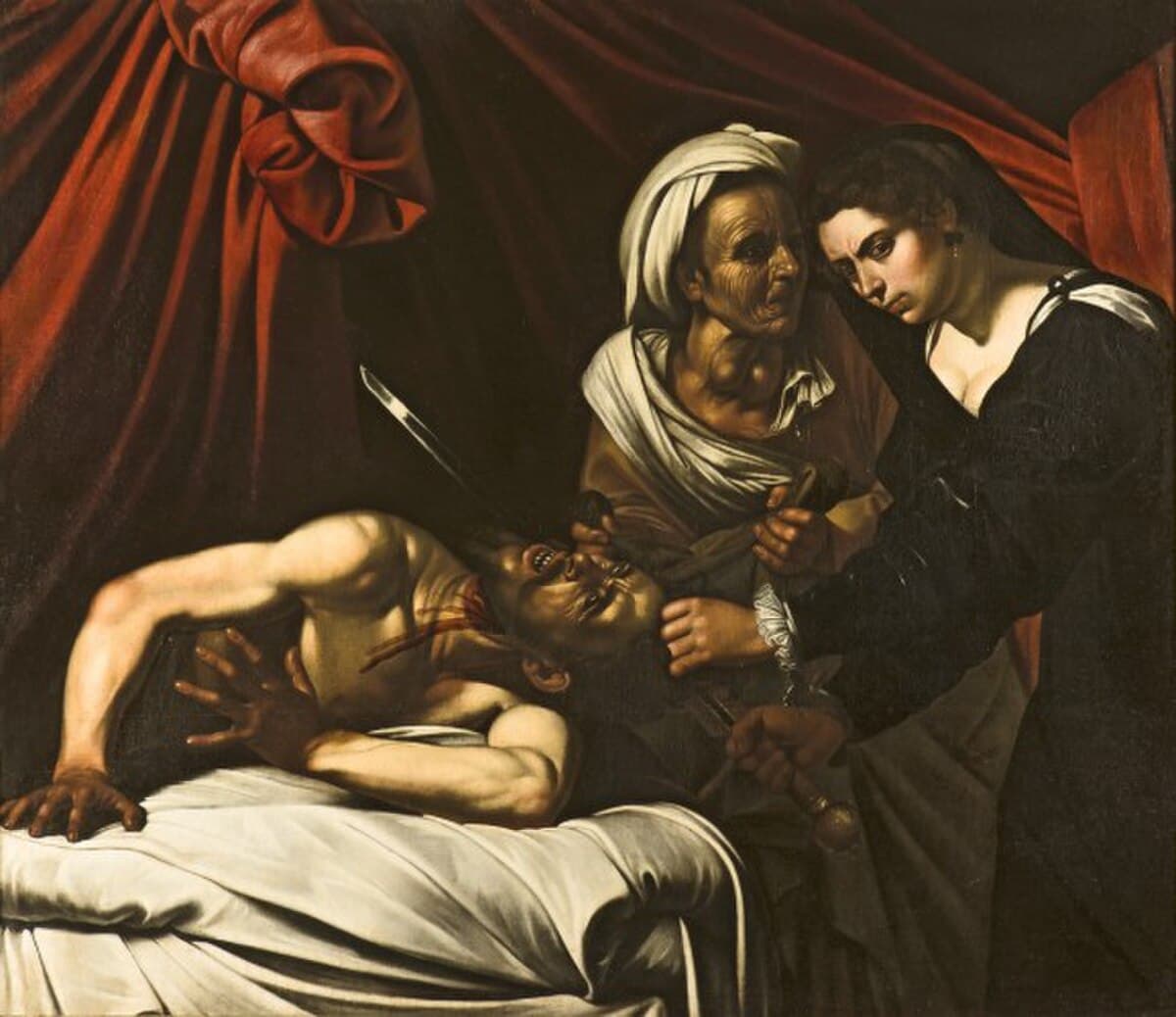
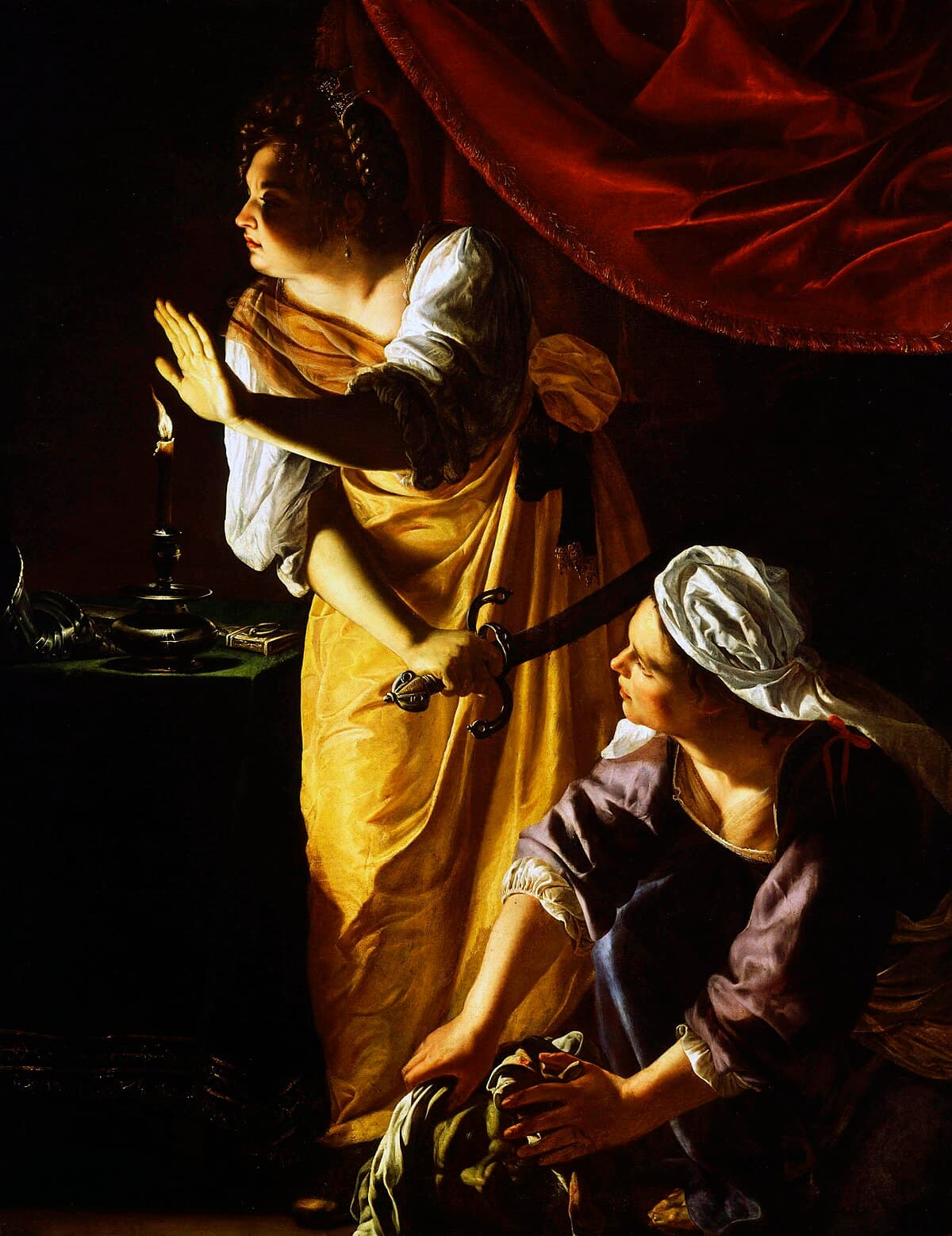
Working in oil on canvas, Artemisia Gentileschi painted this ferocious version around 1620, commissioned by Grand Duke Cosimo II de' Medici. Two strong women work together, Judith gripping Holofernes' hair while her maid helps restrain him. Blood arcs across the scene. Unlike Caravaggio's version, where Judith seems reluctant, Artemisia's heroine attacks with focused fury.
Artemisia was raped at 17 by painter Agostino Tassi, her father's colleague. The subsequent trial included torture to test her testimony. Early feminist critics interpreted this painting as visual revenge, though recent scholars note Artemisia painted powerful women throughout her career, not just in response to trauma. She painted a similar version around 1612-13, now in Naples.
The Medici initially rejected displaying the work, finding it too gruesome. It languished in obscure corners of the Uffizi for centuries. A 1993 terrorist bombing damaged the painting, requiring extensive restoration. Today it hangs among other Baroque masters, finally recognized as one of the era's most powerful works.