
Dragonfly Art: Symbolism of Transformation and Change
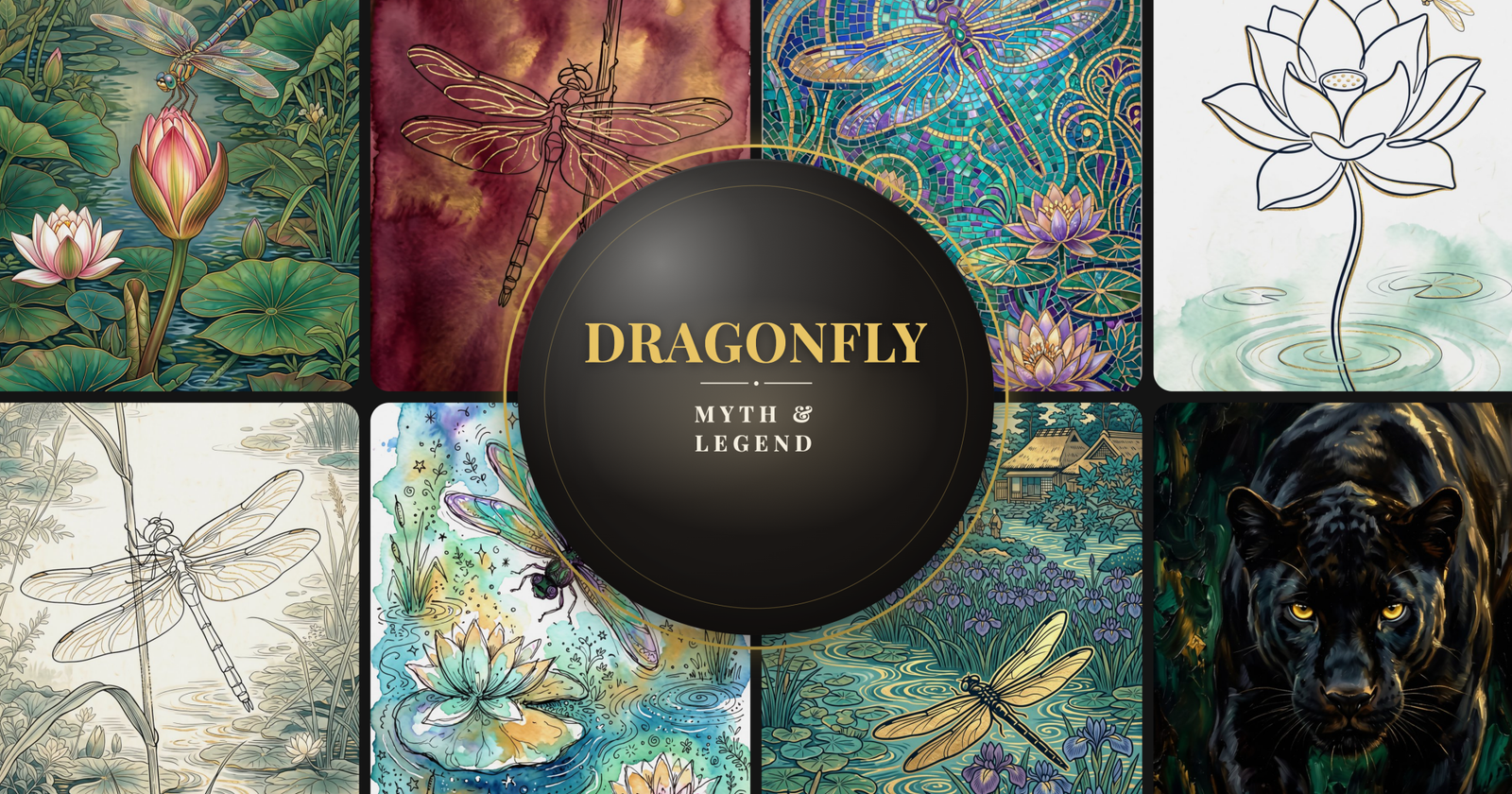

Dragonfly Art: 300 Million Years of Flight, Still Turning Heads
Dragonflies were flying over swamps 300 million years ago, before dinosaurs existed. The prehistoric version, Meganeura, had a wingspan of over two feet. Modern dragonflies are smaller but no less impressive. They can fly in all six directions, including backward. They catch prey mid-flight with a success rate above 95%, making them the most efficient hunters in the animal kingdom.
They also happen to look like nature's version of stained glass. Those iridescent wings, the metallic body, the way light passes through them. Dragonfly art is popular for the same reason dragonfly jewelry has been popular since the Art Nouveau era: these insects are built to catch light and hold your attention.
Dragonfly Symbolism: Change and the Moment
A dragonfly spends most of its life underwater as a nymph. Months or even years pass before it climbs out, sheds its skin, and becomes the creature we recognize. That transformation, from something dull and aquatic to something airborne and iridescent, is the root of dragonfly symbolism in almost every culture.
In Japanese culture, dragonflies (tombo) are symbols of courage, strength, and happiness. Samurai used dragonfly imagery on their armor and helmets because the insect only flies forward, never retreating. Japan was once called Akitsushima, "the Island of Dragonflies." The connection runs deep.

European Folklore and the Dragonfly's Dark Reputation
In much of European folklore, dragonflies got a bad deal. English nicknames included "devil's darning needle" and "horse stinger." Swedish folklore warned that dragonflies would stitch up the eyes and ears of bad children. German tradition called them "adder's servants."
None of this was based on reality. Dragonflies don't sting, bite (well, not meaningfully), or serve snakes. But they're fast, unpredictable in flight, and hover near water where other insects swarm. That erratic movement probably spooked people who couldn't quite track what they were seeing.
The European perception has shifted completely. Today, dragonflies are associated with mindfulness, presence, and living in the moment. That turnaround is fairly recent, driven partly by the popularity of dragonfly art in the Art Nouveau movement and partly by a broader cultural appreciation for the insects' ecological role as indicators of clean water.
Flight stats: Dragonflies can reach speeds of 30 mph, hover in place, and change direction instantly. Their four wings operate independently, giving them a level of aerial control that helicopter engineers have studied for design inspiration.
Louis Comfort Tiffany incorporated dragonflies into his stained glass lamps, using the wing structure as a natural design grid. The dragonfly lamp is one of the most recognizable Tiffany designs, and original examples sell for millions at auction.
Rene Lalique took it even further in jewelry. His dragonfly brooches combined gold, enamel, and gemstones into pieces that looked alive. Originals now sell for hundreds of thousands.

Art Nouveau and the Dragonfly Obsession
If peacocks were Art Nouveau's favorite bird, dragonflies were its favorite insect. Rene Lalique, the French jeweler, created dragonfly brooches and hair combs that are now worth hundreds of thousands of dollars. His most famous piece, a dragonfly corsage ornament made around 1897, combined gold, enamel, chrysoprase, moonstone, and diamonds into something that looked alive.
Louis Comfort Tiffany incorporated dragonflies into his stained glass lamps, using the wing structure as a natural design grid. The dragonfly lamp is one of the most recognizable Tiffany designs, and original examples sell for millions at auction.
What Art Nouveau artists understood is what makes dragonfly art work today: the insect's wings are already decorative. The vein patterns create natural geometry. The iridescence provides color. The body is long and elegant. Artists don't need to stylize dragonflies much. The design is already there.
Dragonfly Wall Art for Your Space
Dragonfly wall art carries a lighter energy than most animal art. It's not about power or intensity. It's about grace, light, and movement. That makes it one of the easier subjects to integrate into existing decor because it doesn't demand to be the loudest thing in the room.
Beige Dragonfly takes a muted, earthy approach that blends naturally with neutral and minimalist interiors. Dragonfly Reflection adds depth with water mirror effects and more complex composition. Both capture the insect's delicacy without losing its presence.
Dragonfly wall art carries a lighter energy than most animal art. It's about grace, light, and movement. That makes it one of the easier subjects to integrate into existing decor.
Pair dragonfly art with natural materials like linen, rattan, and light wood. The insect's connection to water and sunlight means it feels most at home near windows and in rooms with natural textures.

FAQ
What does a dragonfly symbolize?
The dragonfly symbolizes transformation, change, adaptability, and living in the moment. In Japanese culture, it represents courage and strength. In Native American traditions, it's associated with renewal, purity, and the connection between water and air.
Why were dragonflies important in Japanese culture?
Japan was once called Akitsushima, "the Island of Dragonflies." Samurai used dragonfly imagery on their armor because the insect only flies forward, never backward, symbolizing courage and unwavering resolve. Dragonflies also represent happiness and strength in Japanese art.
What rooms are best for dragonfly art?
Dragonfly wall art works well in sunrooms, bedrooms, bathrooms, and spaces with natural light and materials. The insect's connection to water and light. For similar organic subjects, browse our butterfly art and nature art collections makes it feel natural near windows. Neutral-toned dragonfly art integrates easily into minimalist and earthy interiors.
Why are Tiffany dragonfly lamps so valuable?
Tiffany dragonfly lamps are valuable because they are handcrafted Art Nouveau pieces using the dragonfly wing structure as a design grid for stained glass. Original examples by Louis Comfort Tiffany are rare and can sell for millions at auction due to their craftsmanship and historical significance.
Are dragonflies indicators of environmental health?
Yes. Dragonflies are bioindicators of clean water because their larvae develop in freshwater habitats. A healthy dragonfly population near a body of water typically indicates good water quality and a balanced ecosystem. Their presence near lakes, rivers, and ponds is considered a positive environmental sign.
Written by Luxury Wall Art · Art experts passionate about helping you find pieces that speak to your space.