Wikimedia Commons • Public Domain
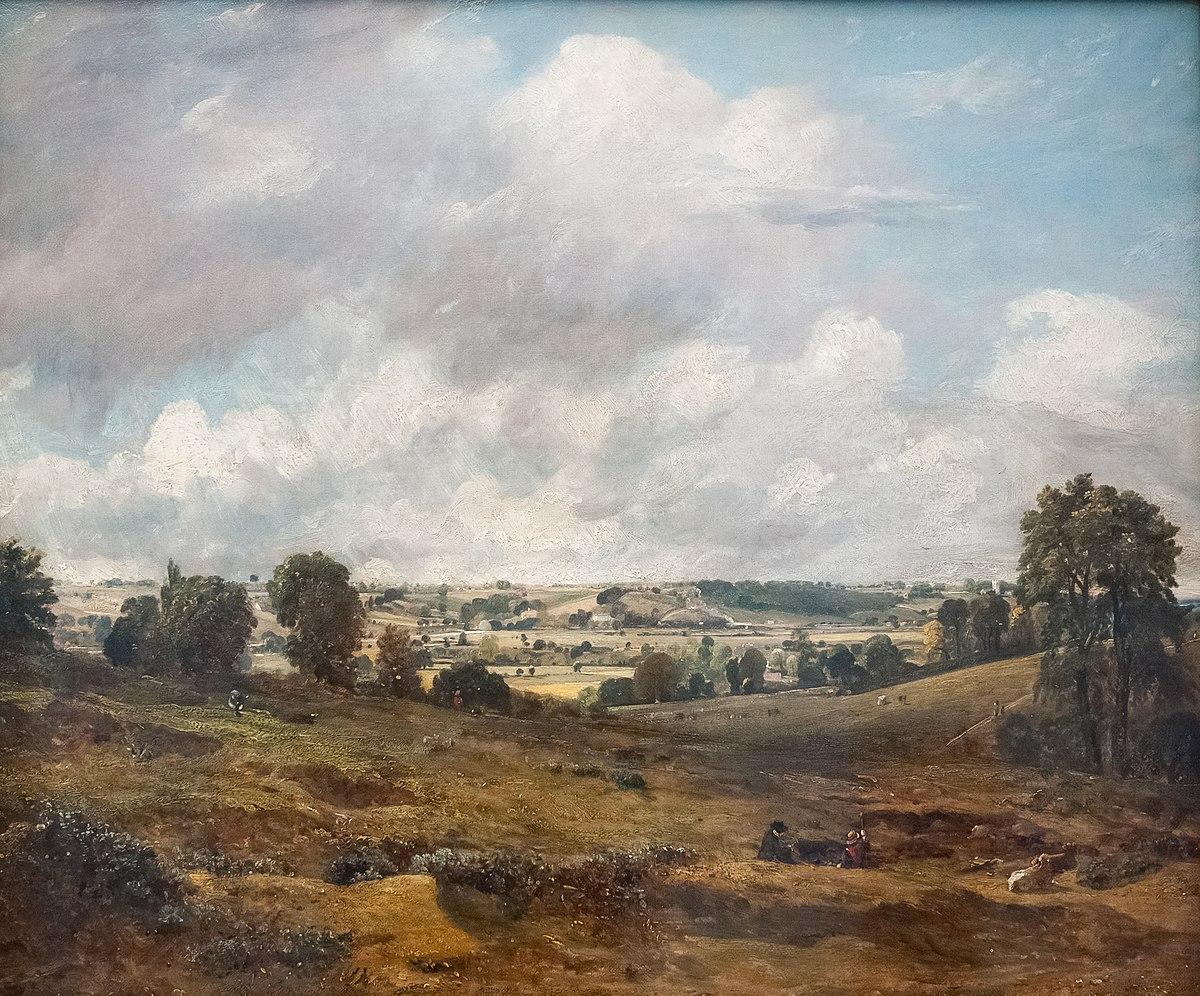
The Vale of Dedham
StyleRomanticism
Artwork Details
Cite or Embed This Work
APA · MLA · Chicago1-click academic citation and embeddable “On View” museum badge for articles, syllabi, and research.
John Constable painted the view of the Stour Valley in 1802 when he was twenty-six years old, making it his first major landscape work. The composition looks across Dedham Vale from Gun Hill, with the tower of Dedham church rising in the middle distance and the winding River Stour threading through the pastoral scene. This countryside, where Constable grew up, would become the defining subject of his entire career.
The painting establishes themes Constable would develop for decades: the changeable English sky, the play of light across fields, the quiet dignity of agricultural landscape. He painted what he knew intimately rather than seeking picturesque foreign scenery. "These scenes made me a painter," he wrote, referring to the Stour Valley, "and I am grateful." The directness of observation already distinguishes his work from more formulaic landscape painting.
Constable's daughter Isabel donated this early work to the Victoria and Albert Museum in 1888, recognizing its importance in understanding her father's artistic development. The painting now represents the beginning of a landscape vision that would influence artists from the Barbizon School to the Impressionists.
More by John Constable
View all →P
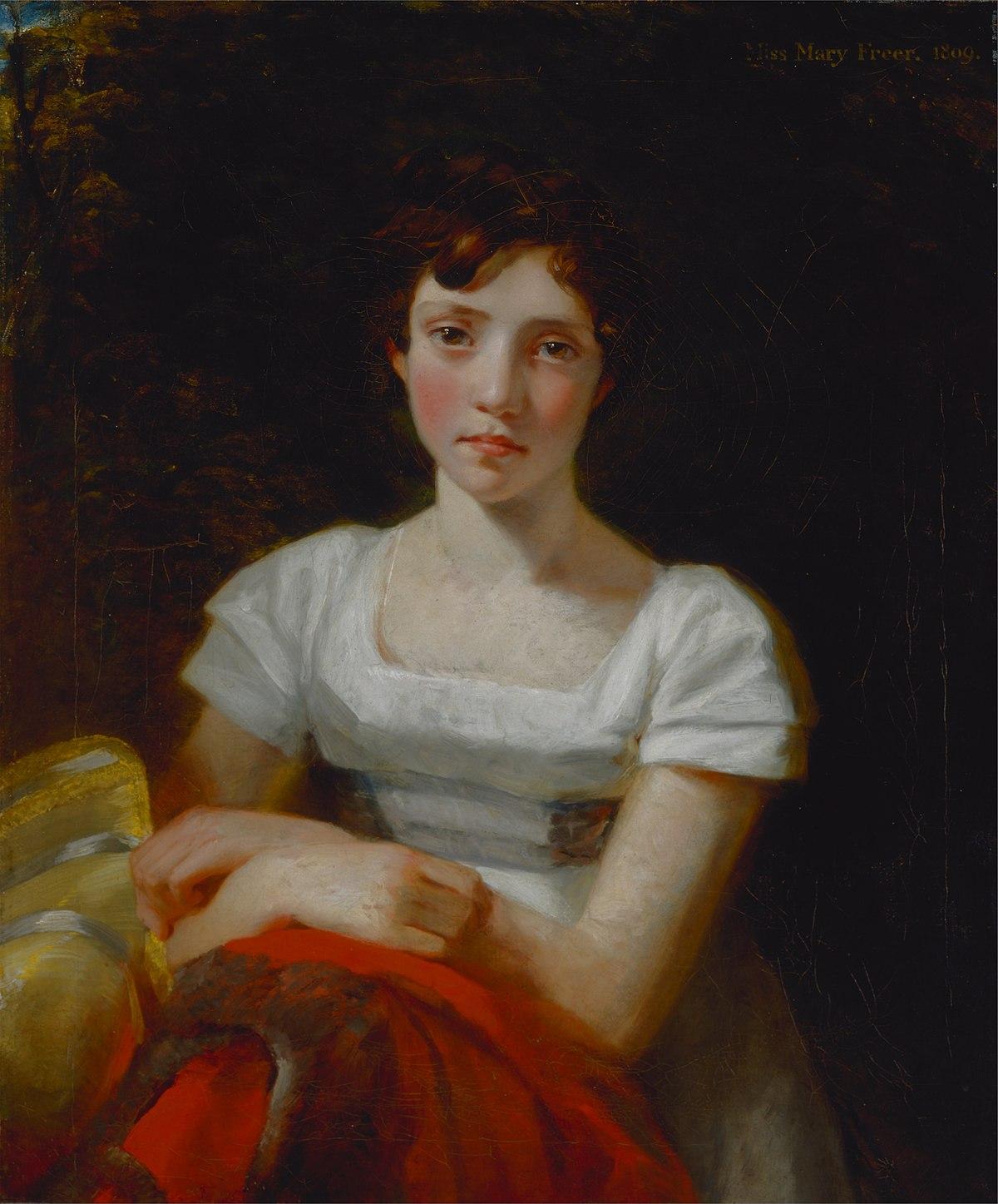
Portrait of Mary Freer
John Constable
National Portrait Gallery, London, London
E
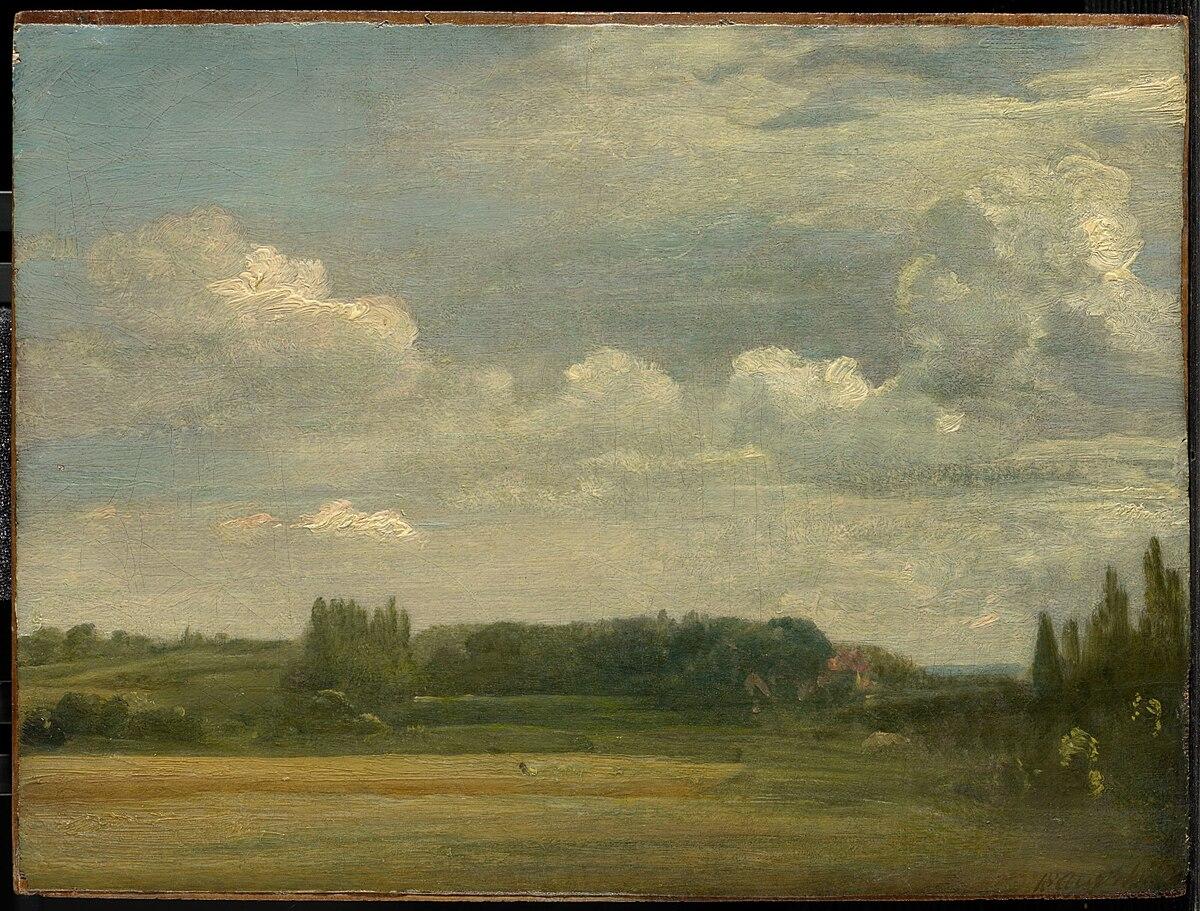
East Bergholt Rectory
John Constable
Philadelphia Museum of Art, Philadelphia
W
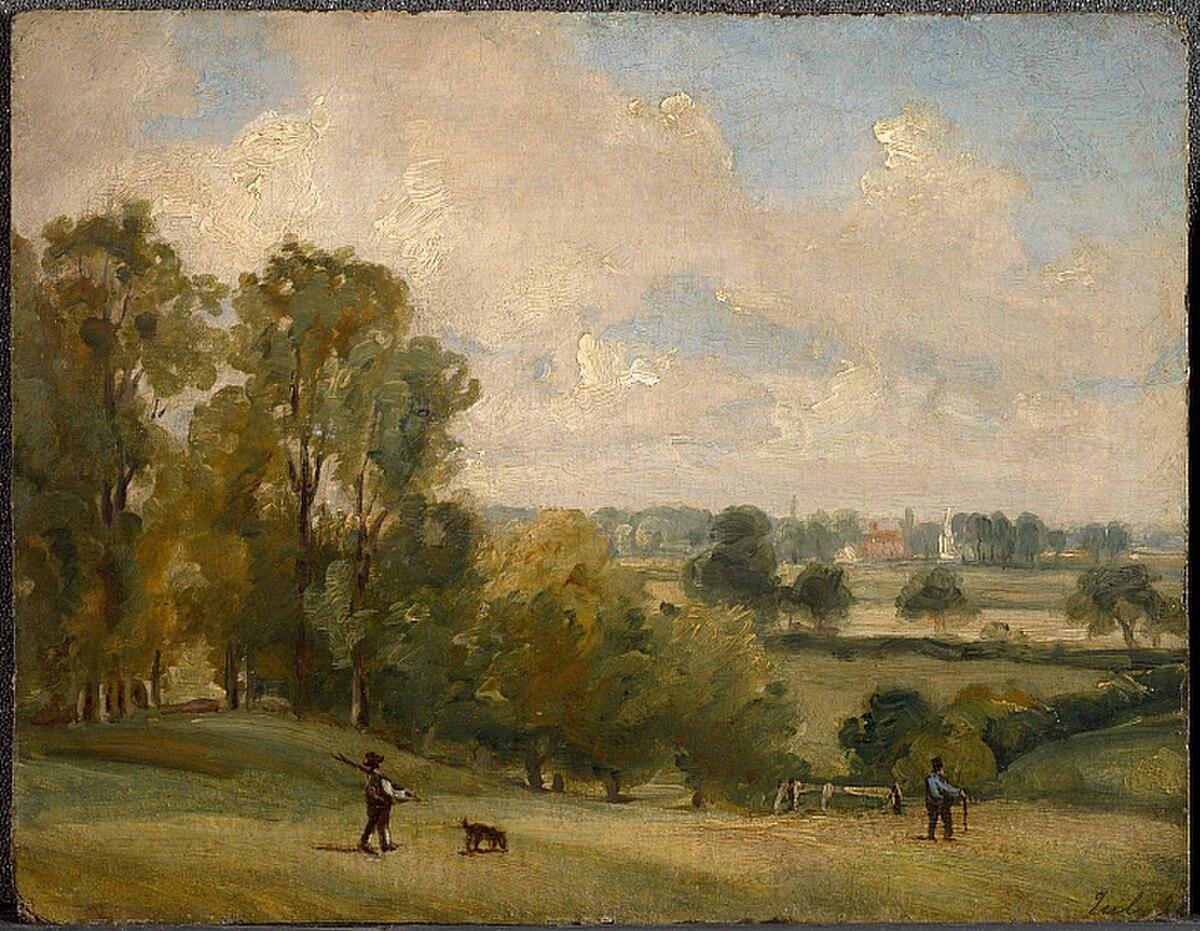
Wooded Landscape
John Constable
Art Gallery of Ontario (AGO), Toronto, Toronto
A
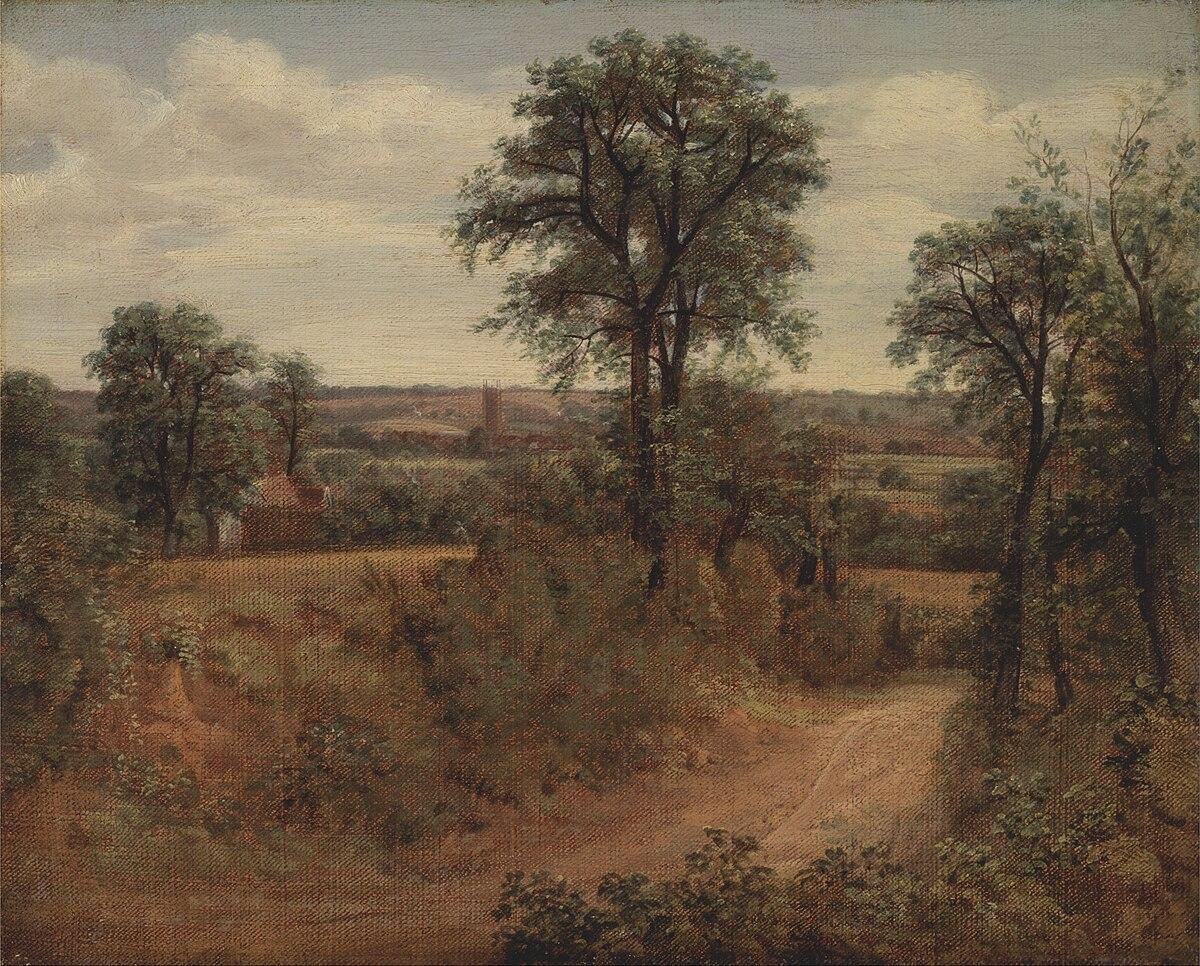
A Lane near Dedham
John Constable
Yale Centre For British Art (Yale University), New Haven, CT, New Haven
Also at Victoria and Albert Museum (V&A), London
View all →
Related Works
Works that share an artist, movement, museum, genre, palette or theme with The Vale of Dedham.
- Same artist
- Same movement
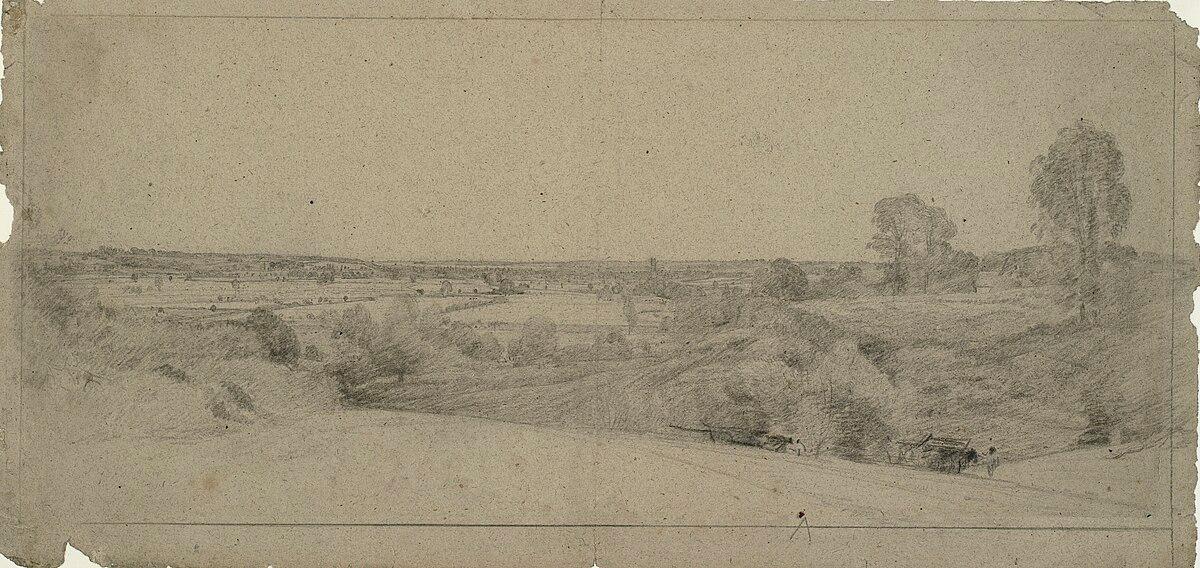
Dedham Church and Vale
John Constable
- Same artist
- Same movement
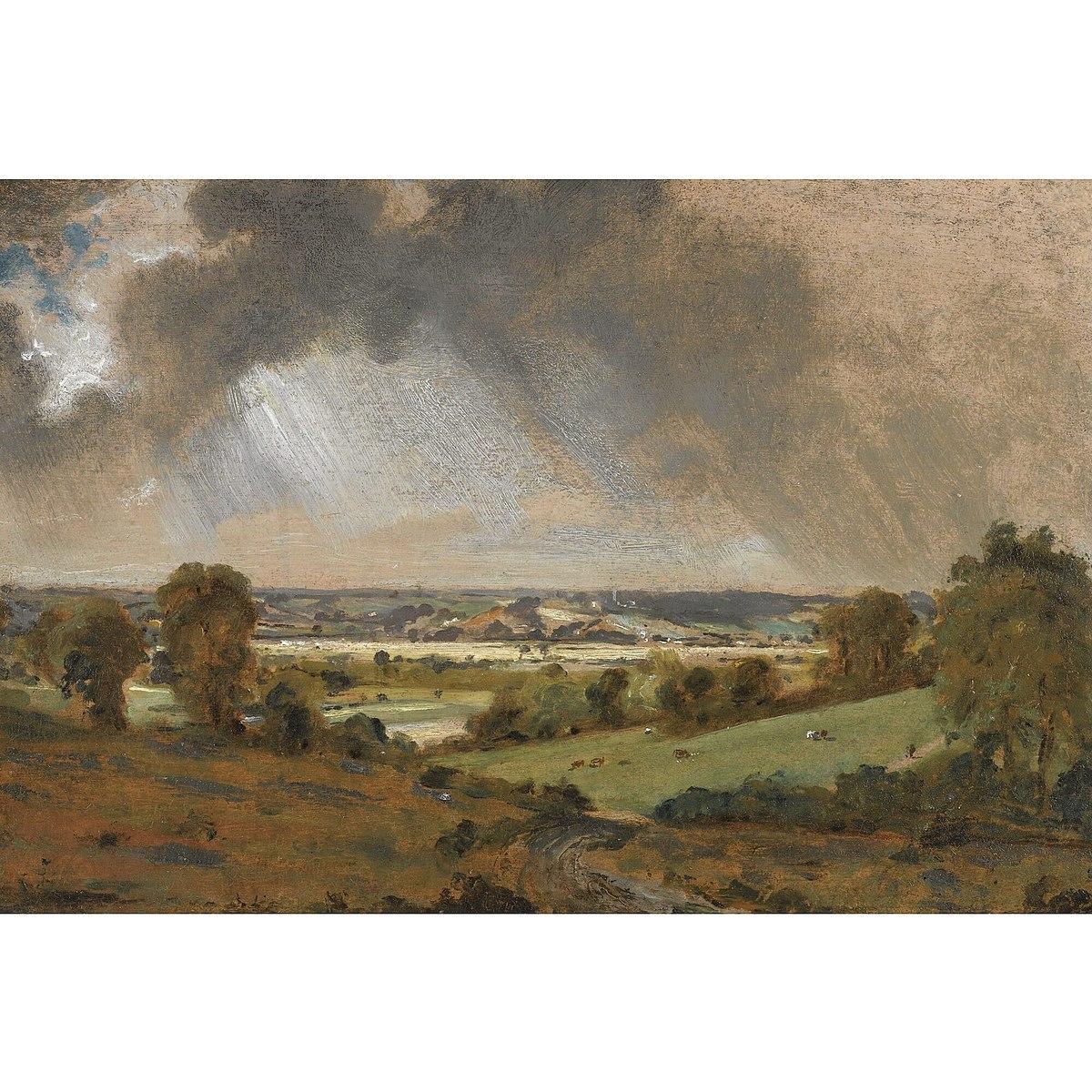
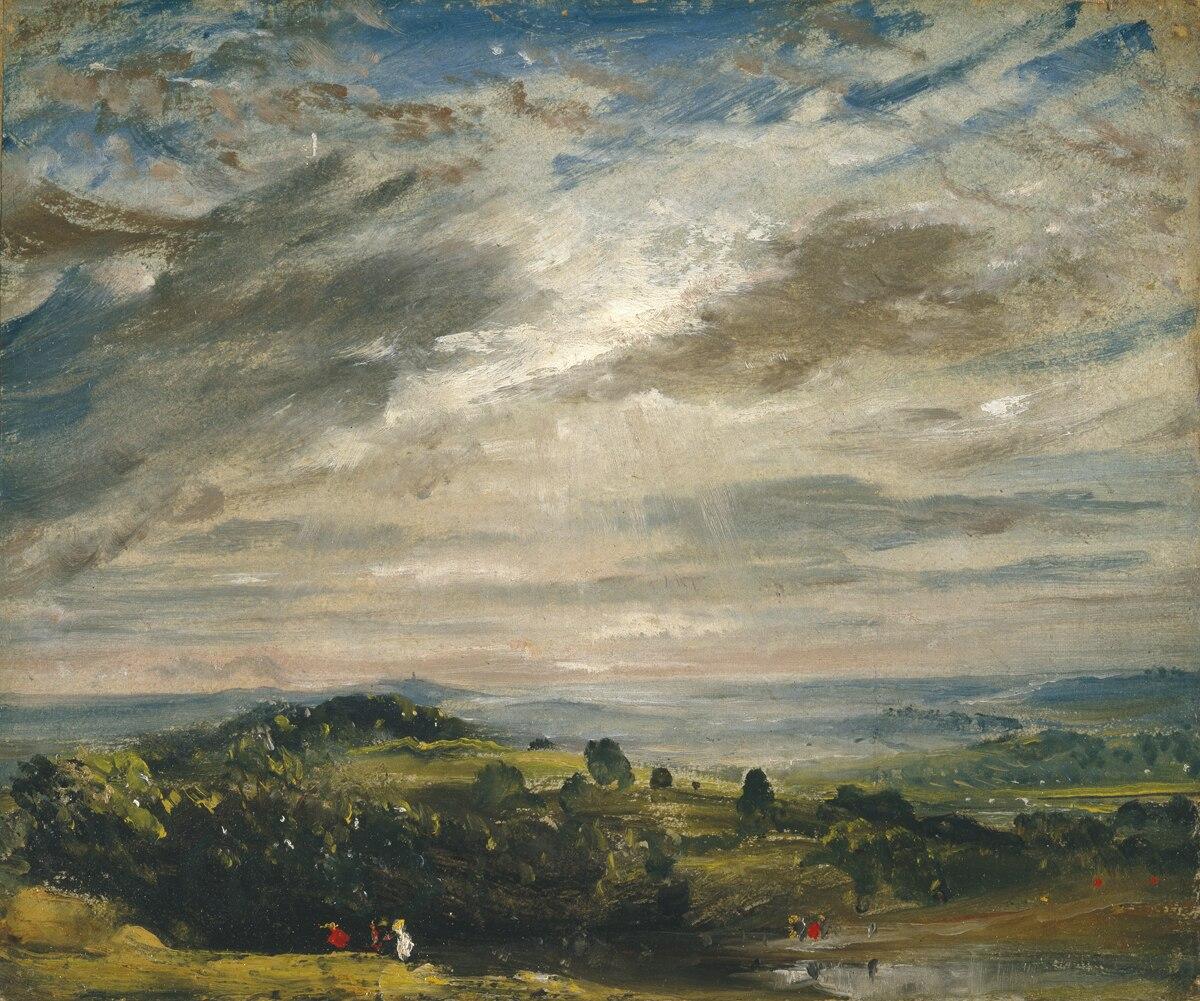
Dedham Vale: Morning
John Constable
- Same artist
- Same movement
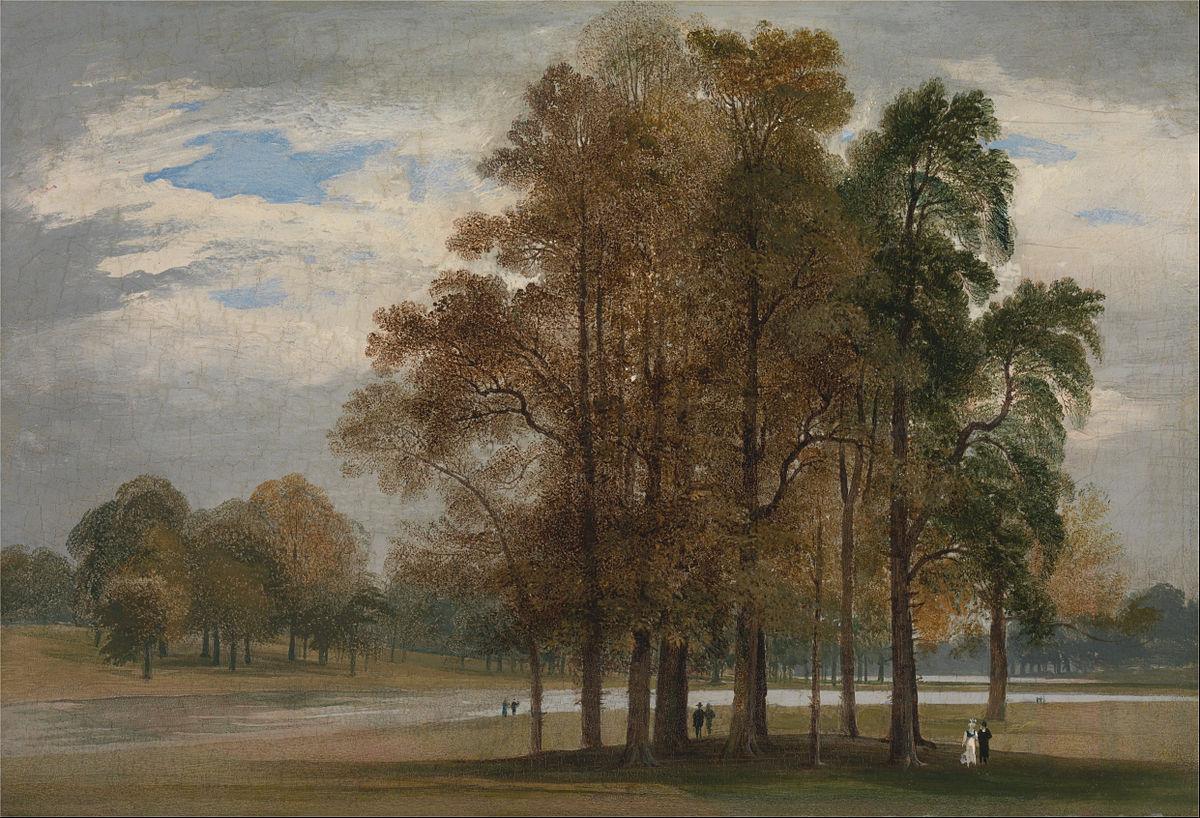
View towards Dedham
John Constable
- Same movement
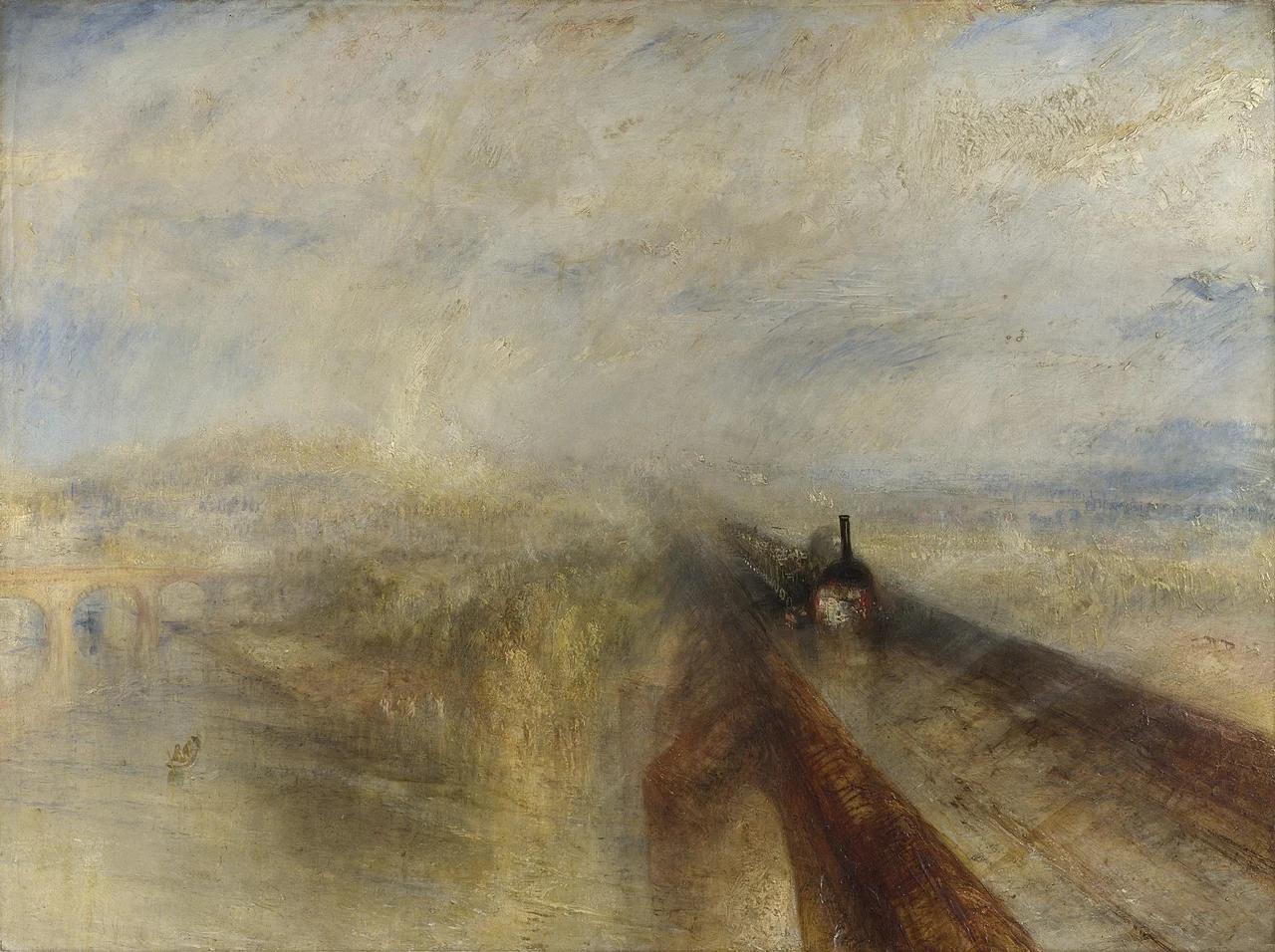
Hyde Park
John Martin
- Same movement
Rain, Steam and Speed
J.M.W. Turner, 1844
- Same movement
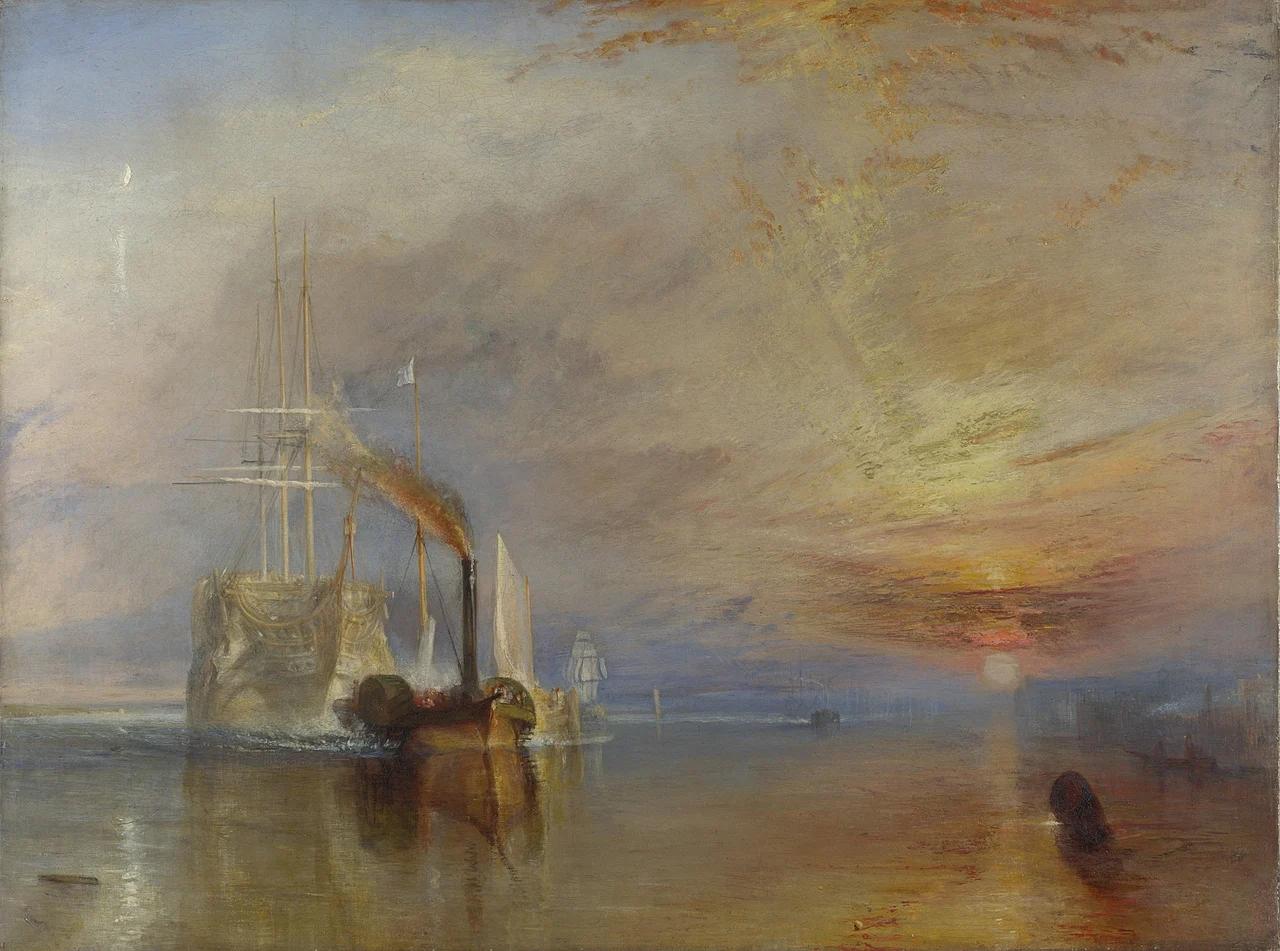
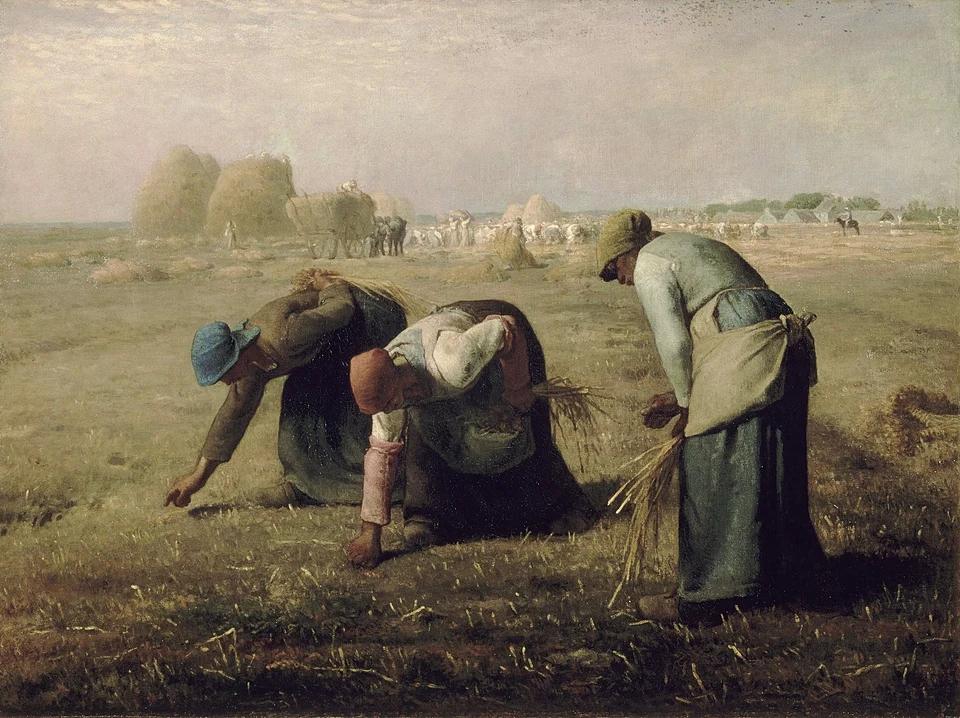
The Fighting Temeraire
J.M.W. Turner, 1839
- Same movement
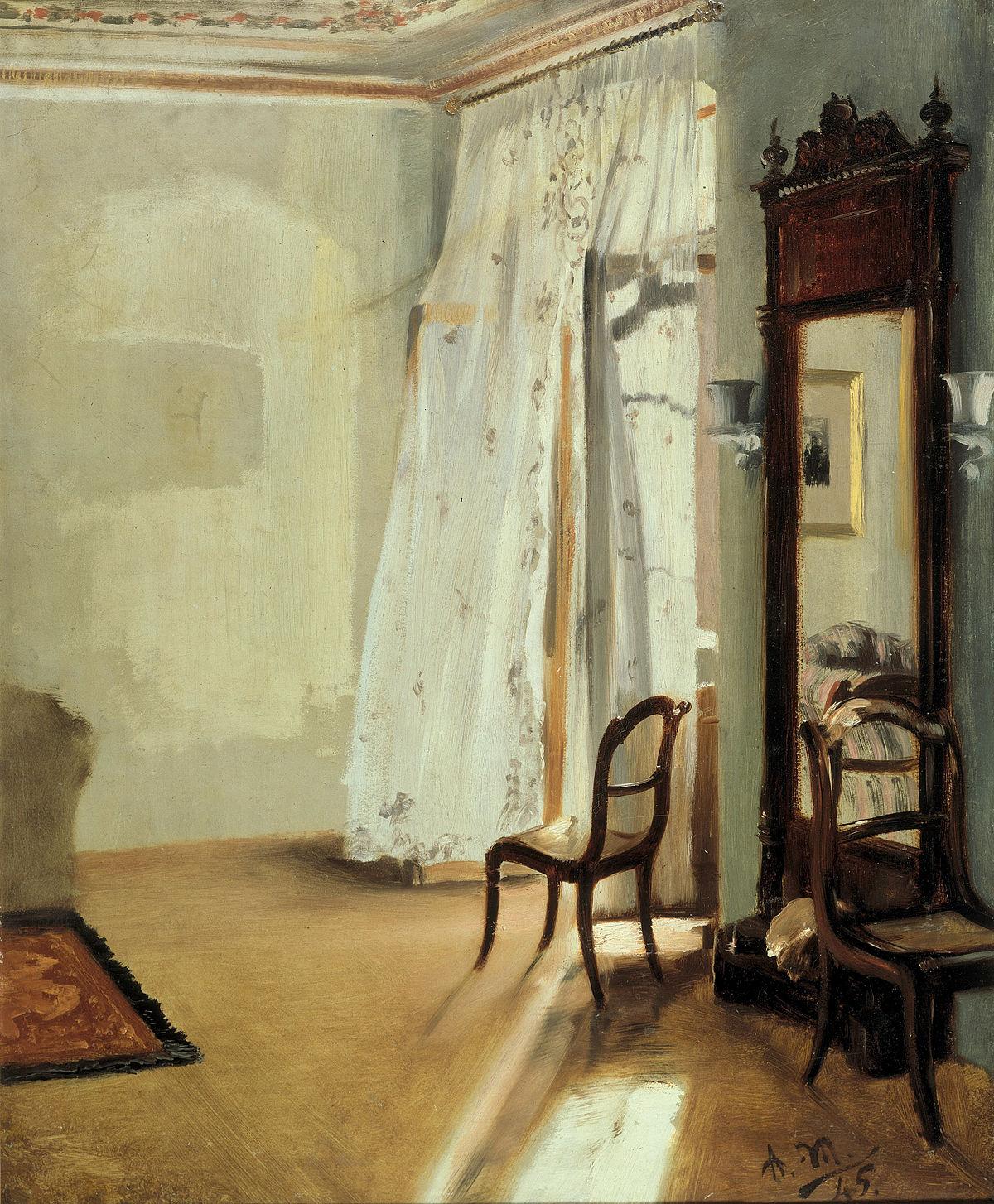
The Gleaners
Jean-François Millet, 1857
- Same movement
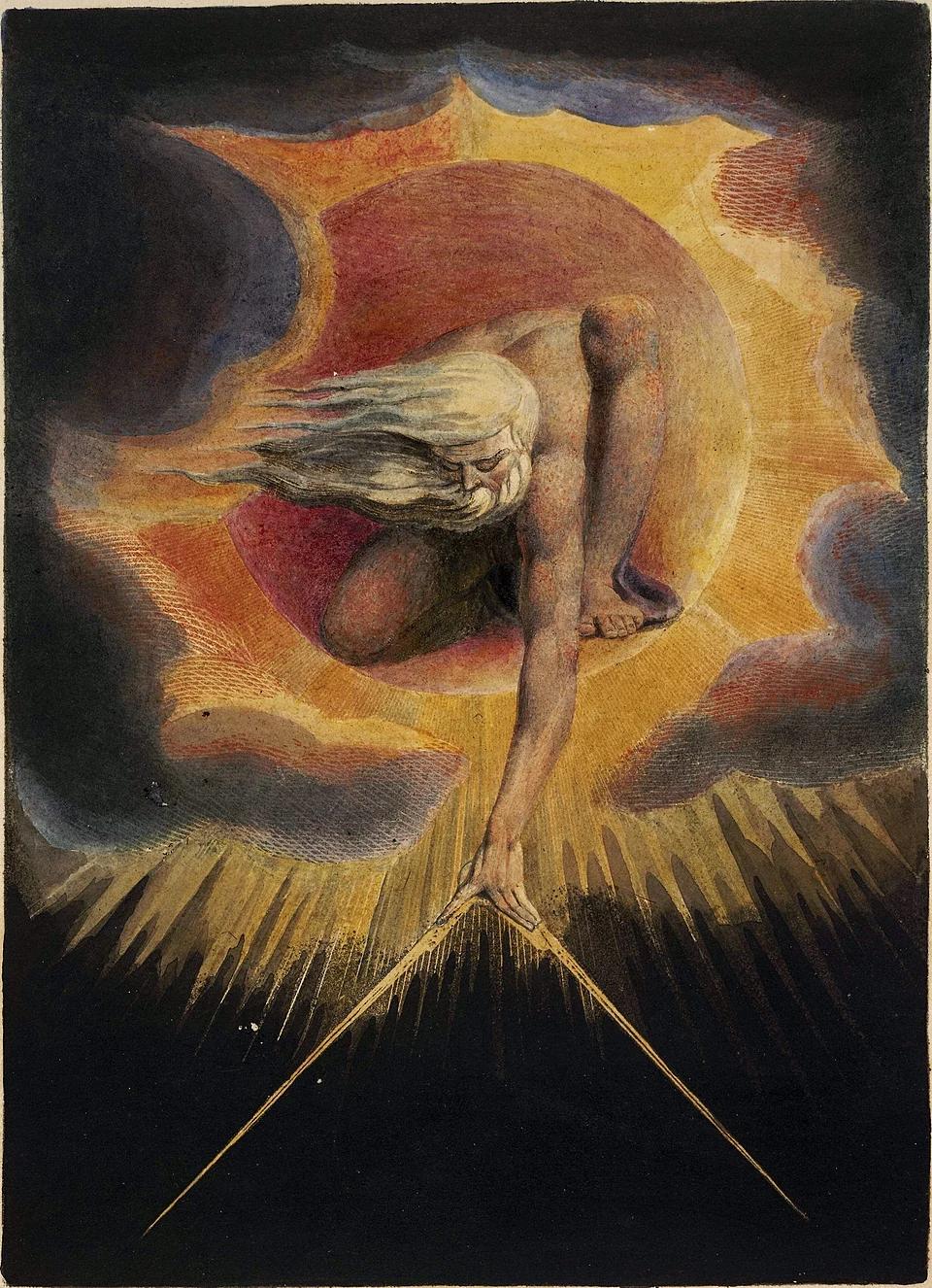
Balcony Room
Adolph Menzel
- Same movement
The Ancient of Days
William Blake, 1794
- Same movement
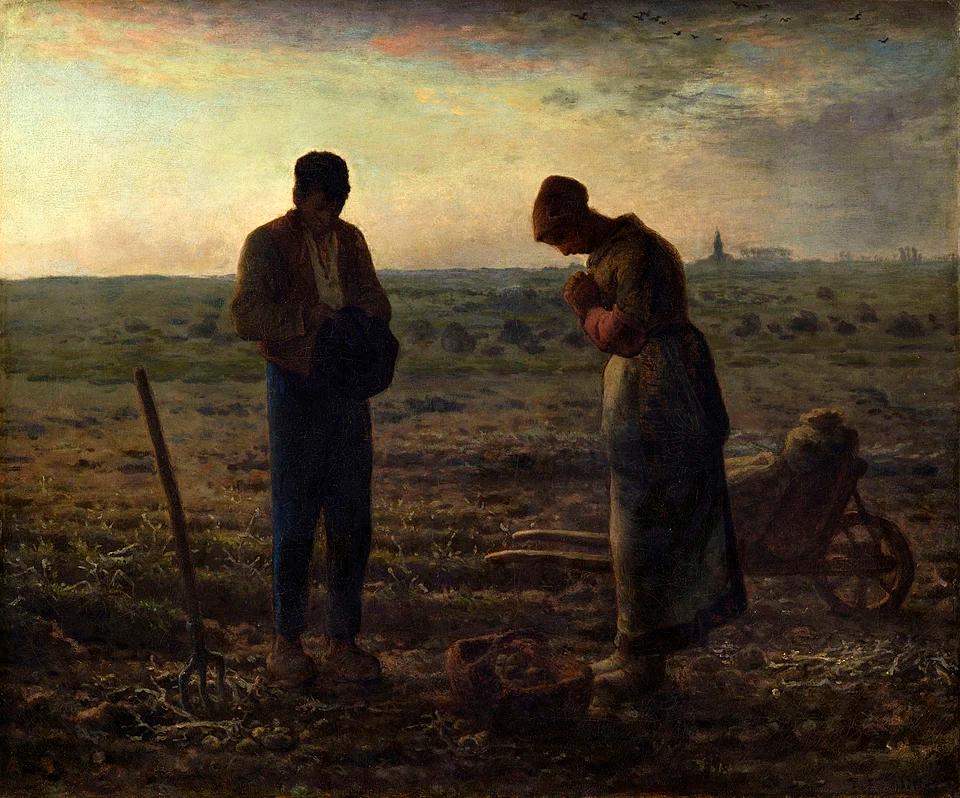
The Angelus
Jean-François Millet, 1859

- Same movement
Ship in the Arctic Ocean
Caspar David Friedrich
- Same movement
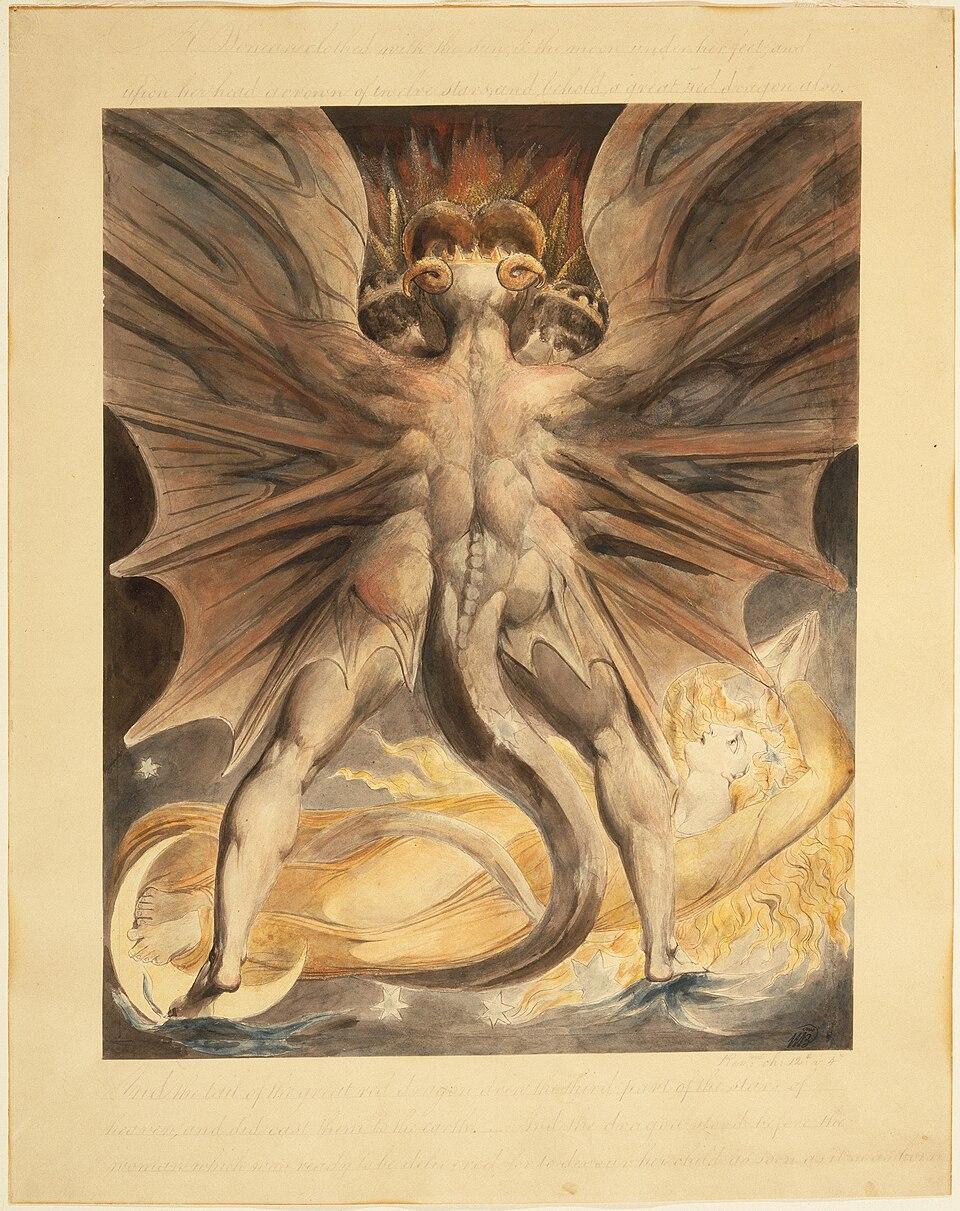
The Great Red Dragon and the Woman Clothed in Sun
William Blake, 1805
About The Vale of Dedham
This painting is displayed at the Victoria and Albert Museum in London. Constable's daughter Isabel donated it to the museum in 1888, recognizing its significance as his first major landscape work.
Constable grew up in this Suffolk countryside and painted it throughout his career. He wrote, "These scenes made me a painter, and I am grateful," explaining his lifelong dedication to this familiar landscape.
The tower of Dedham Church rises in the middle distance, serving as the focal point of the composition. This medieval church appears in many of Constable's Stour Valley paintings as a familiar landmark.
Constable was twenty-six years old in 1802 when he completed this work. It represents his first major landscape painting, establishing the direct observation of nature that would define his mature style.
Own Art Like This
Luxury wall art with the same mood and energy. Gallery-quality canvas, no museum crowds.
Browse Collection