Juan Gris
Spanish·1887–1927
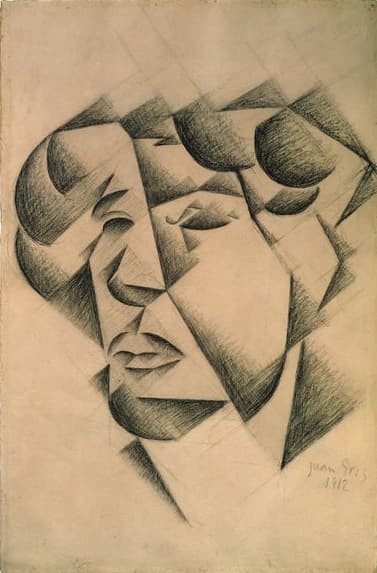
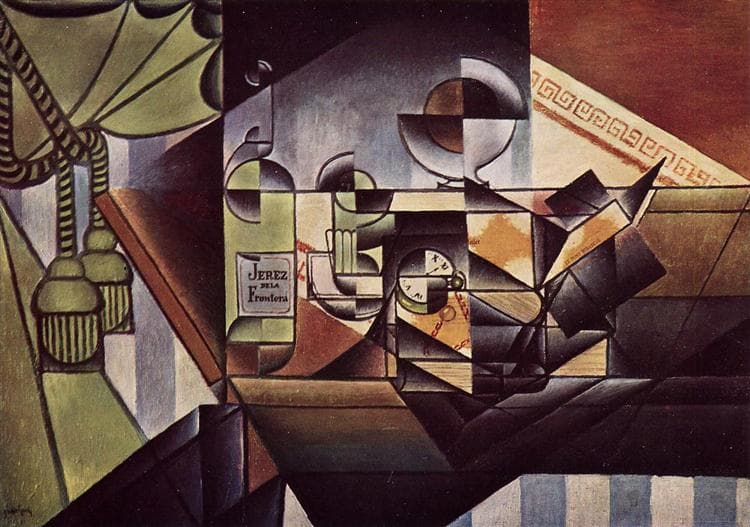
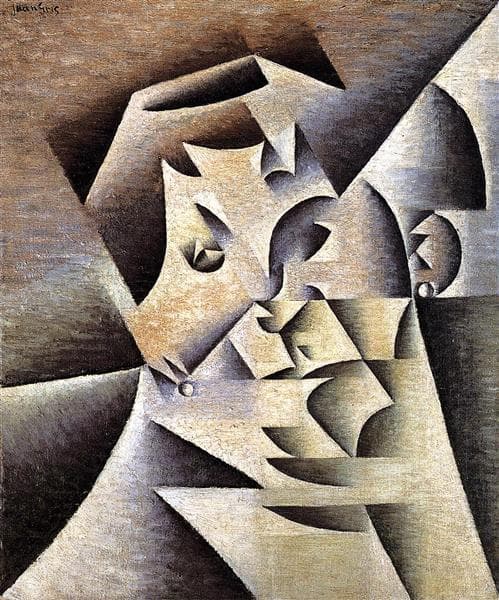
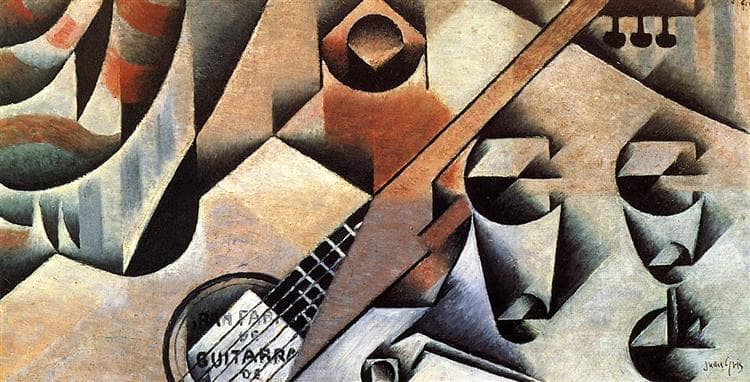
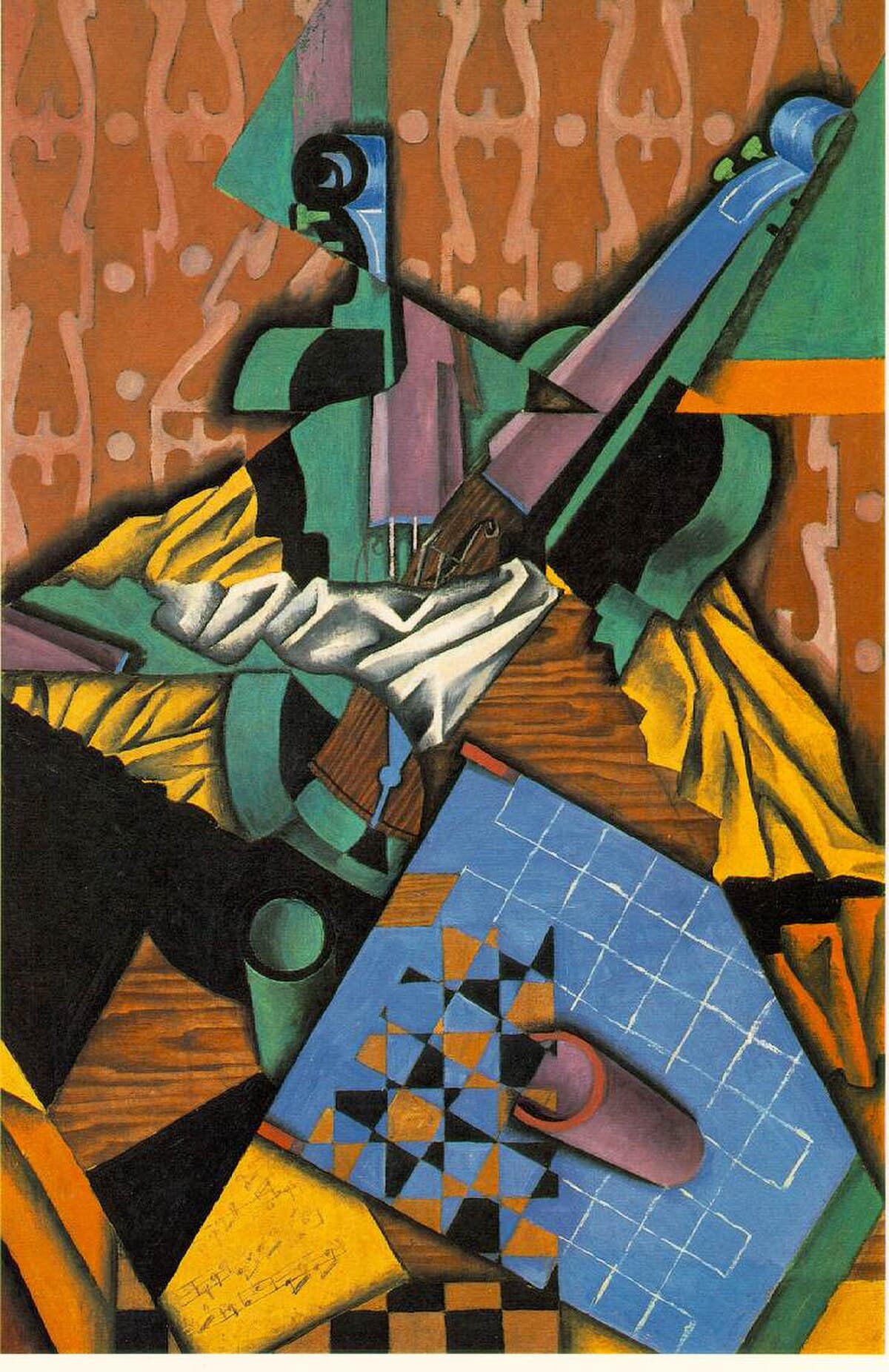
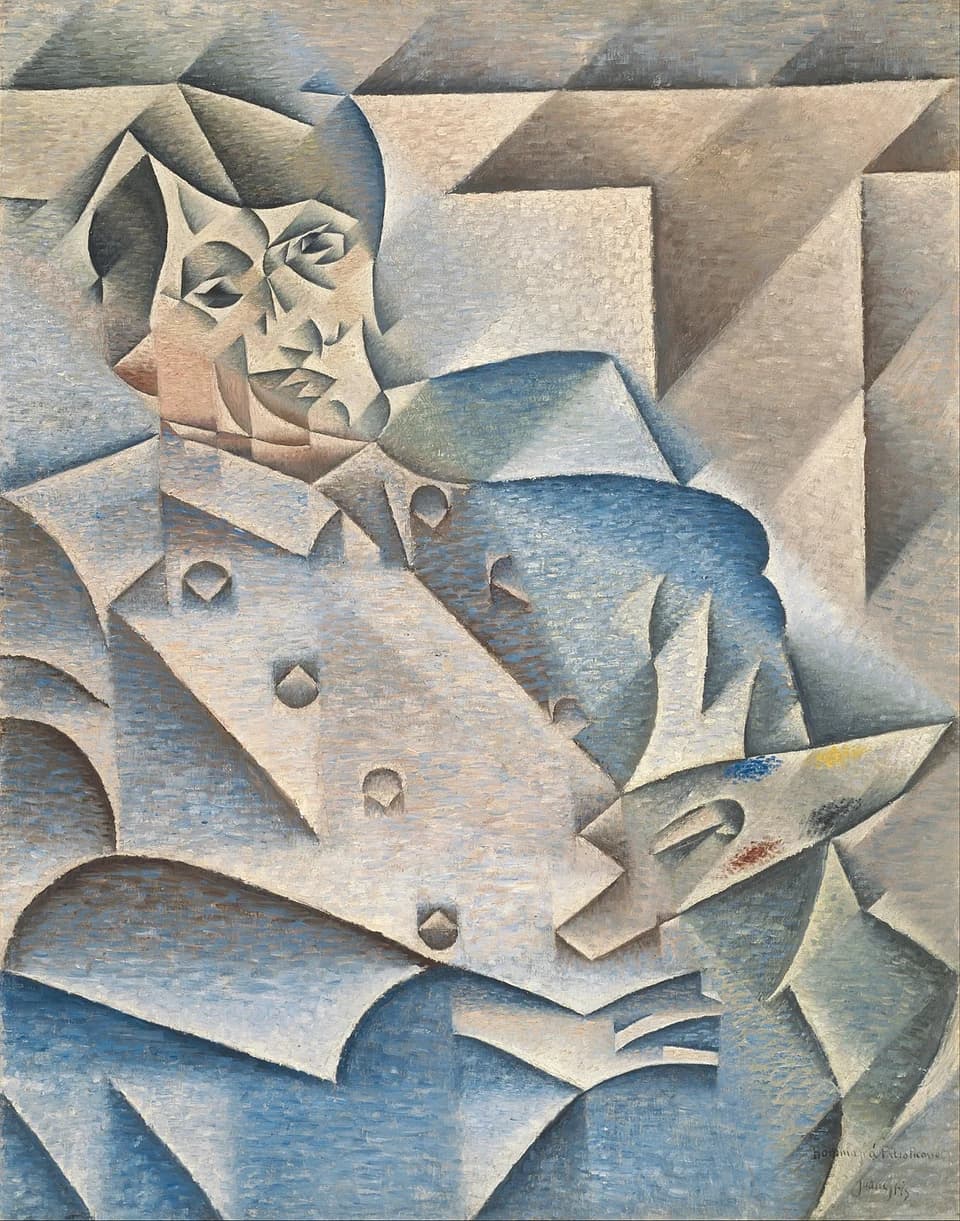
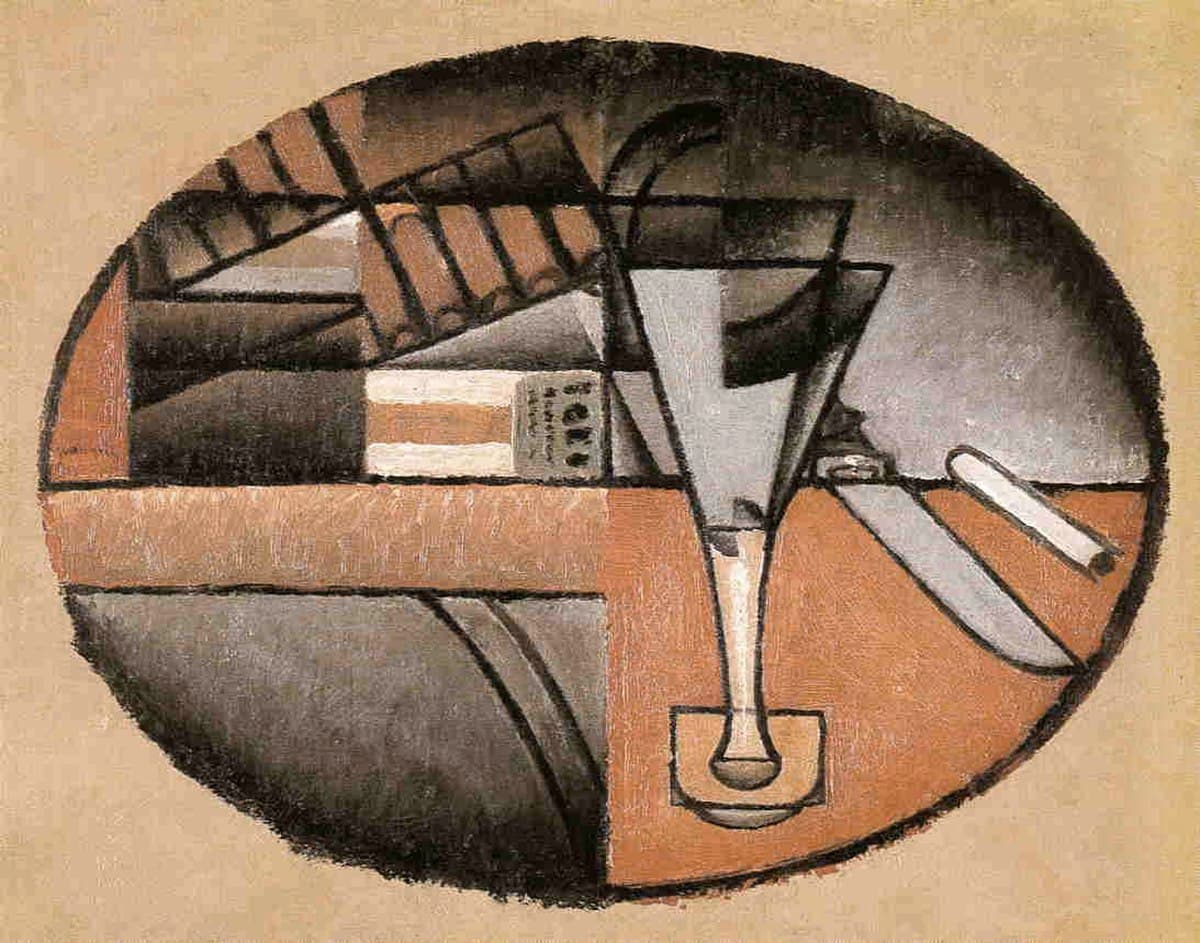
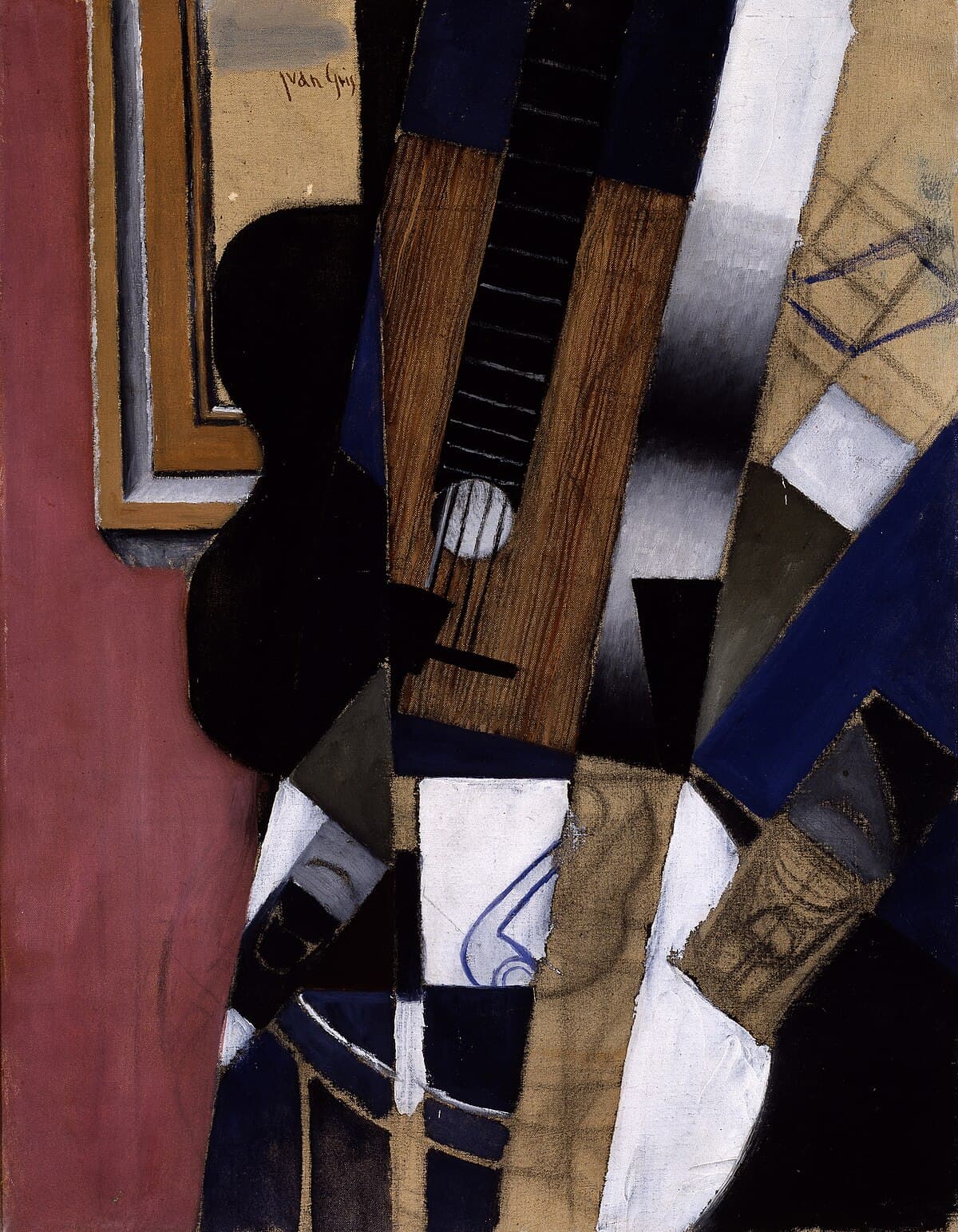
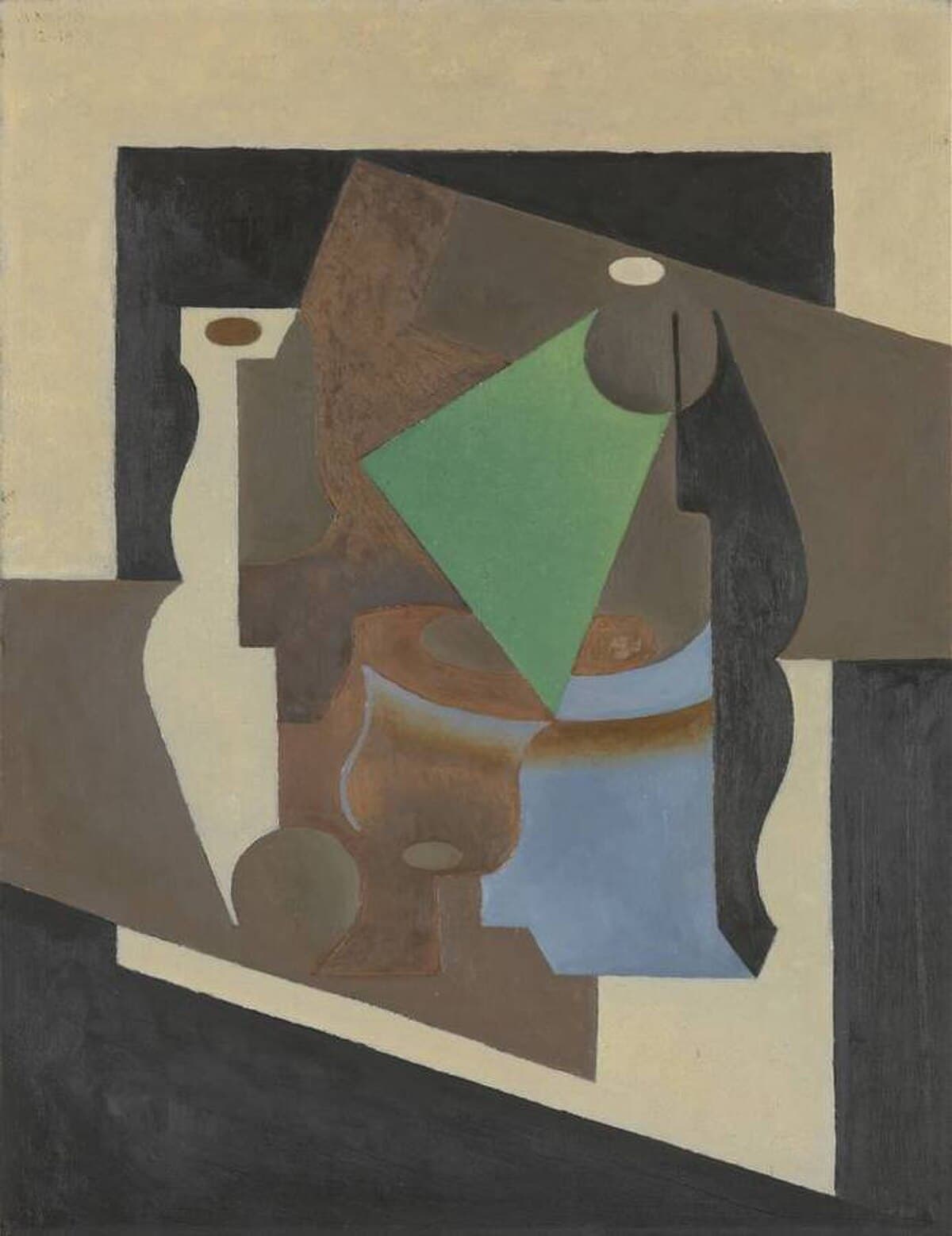
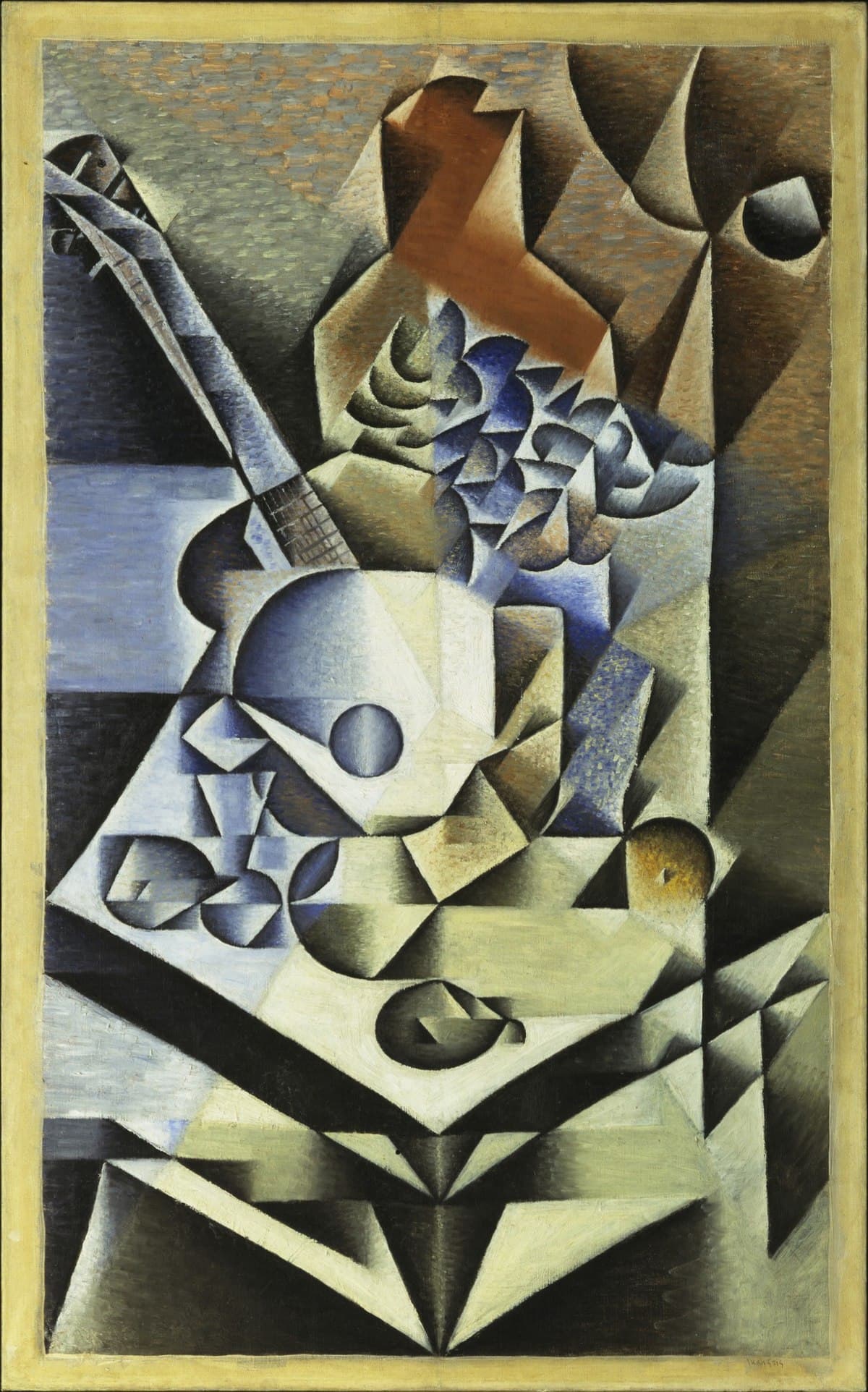
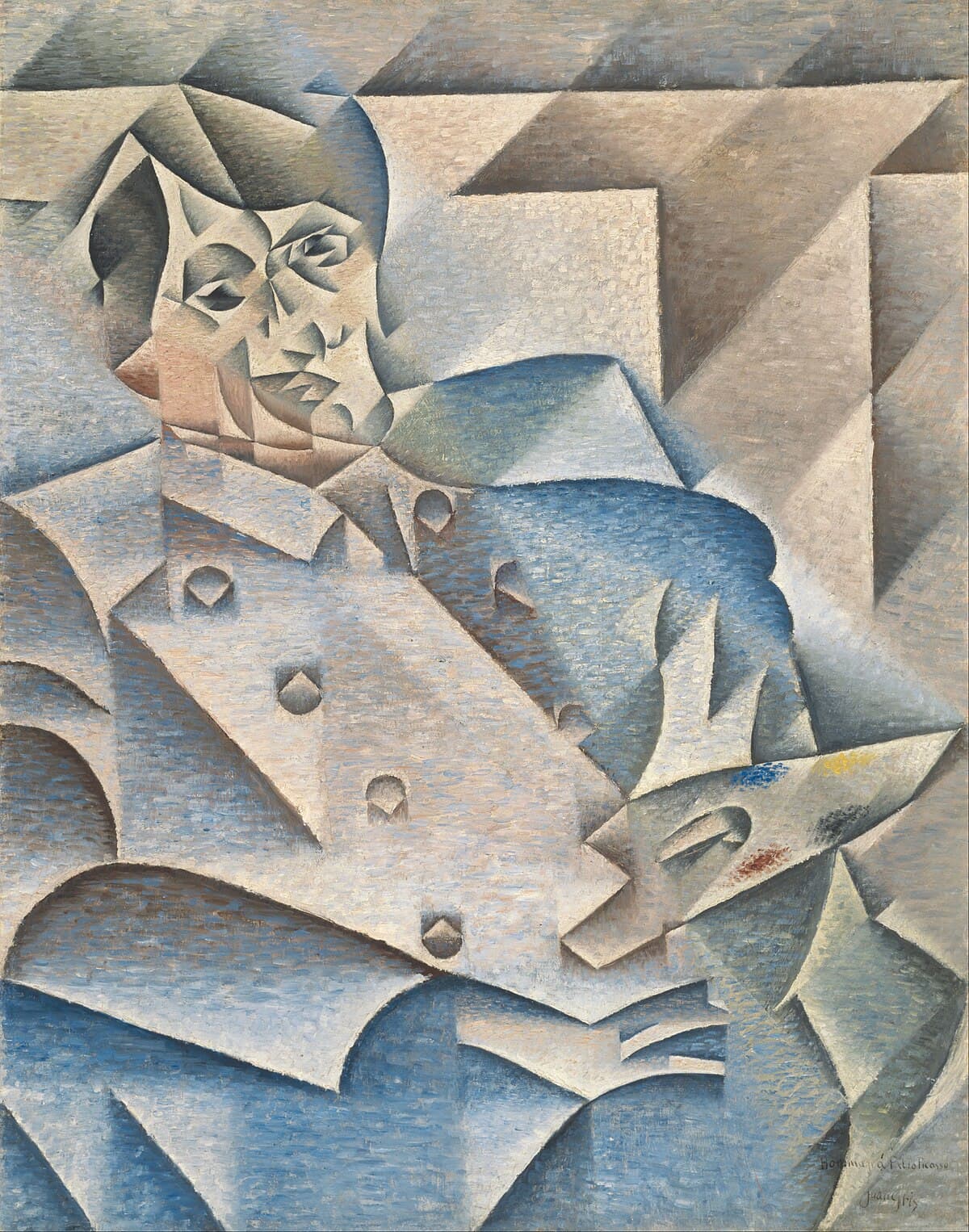
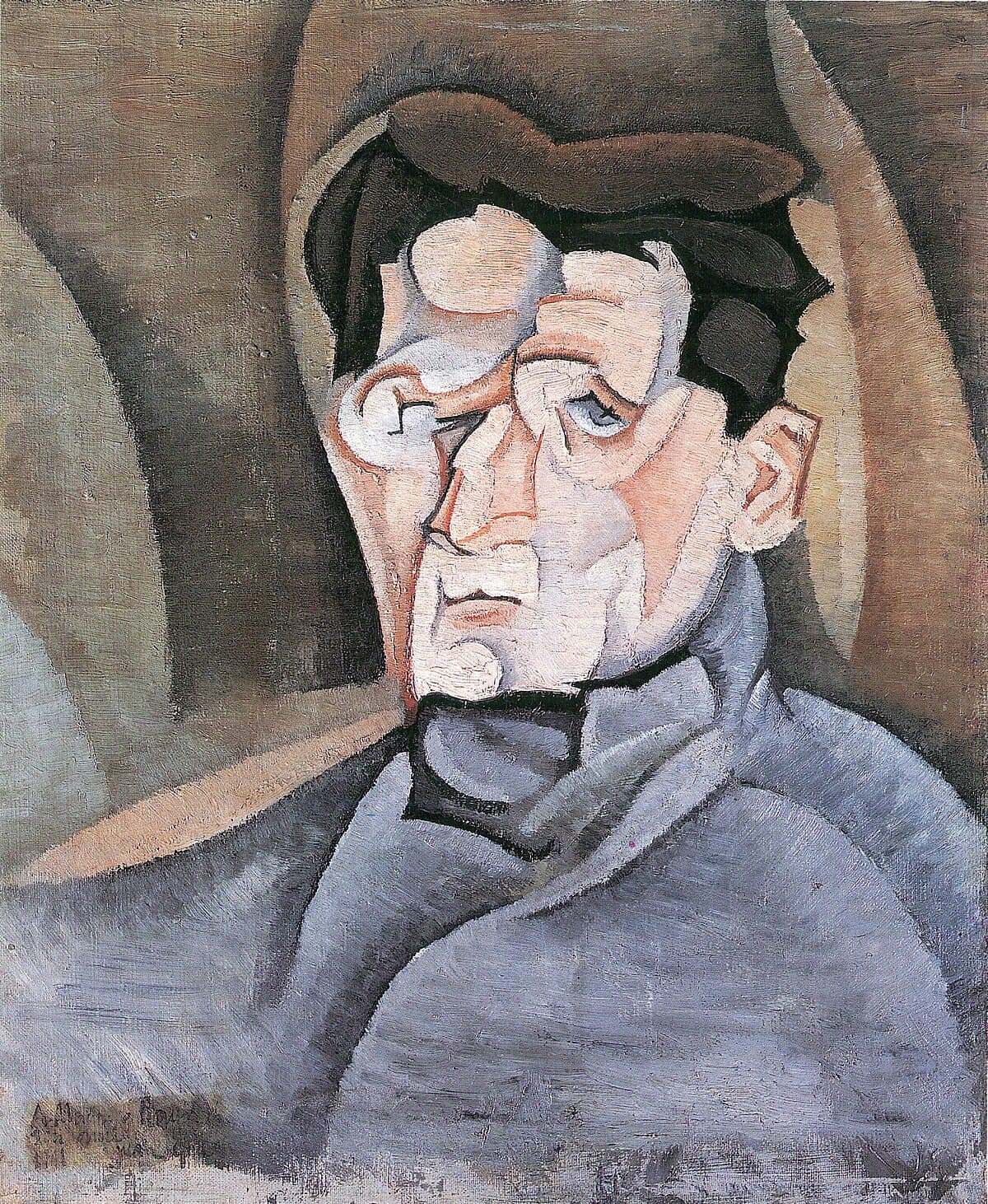
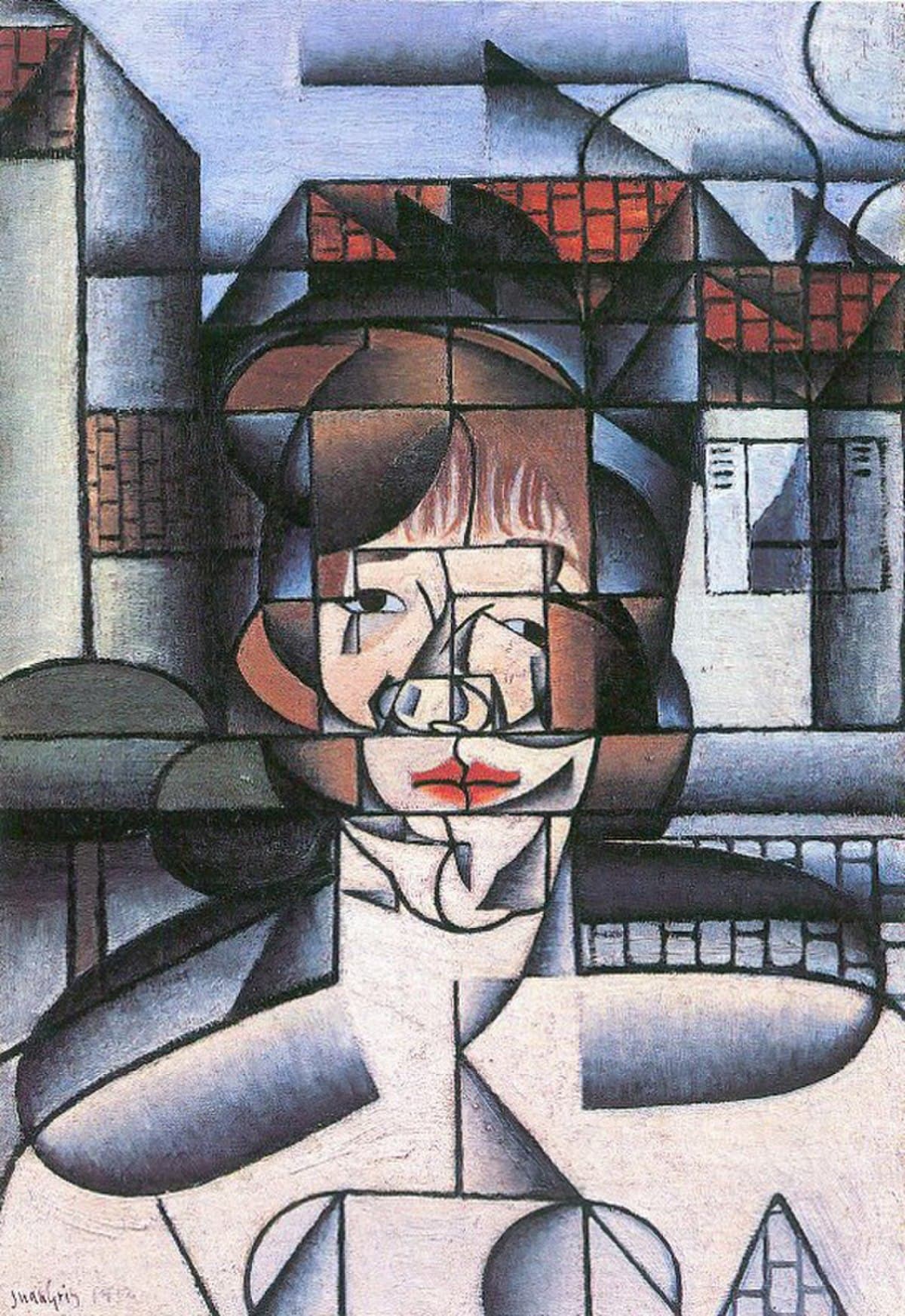
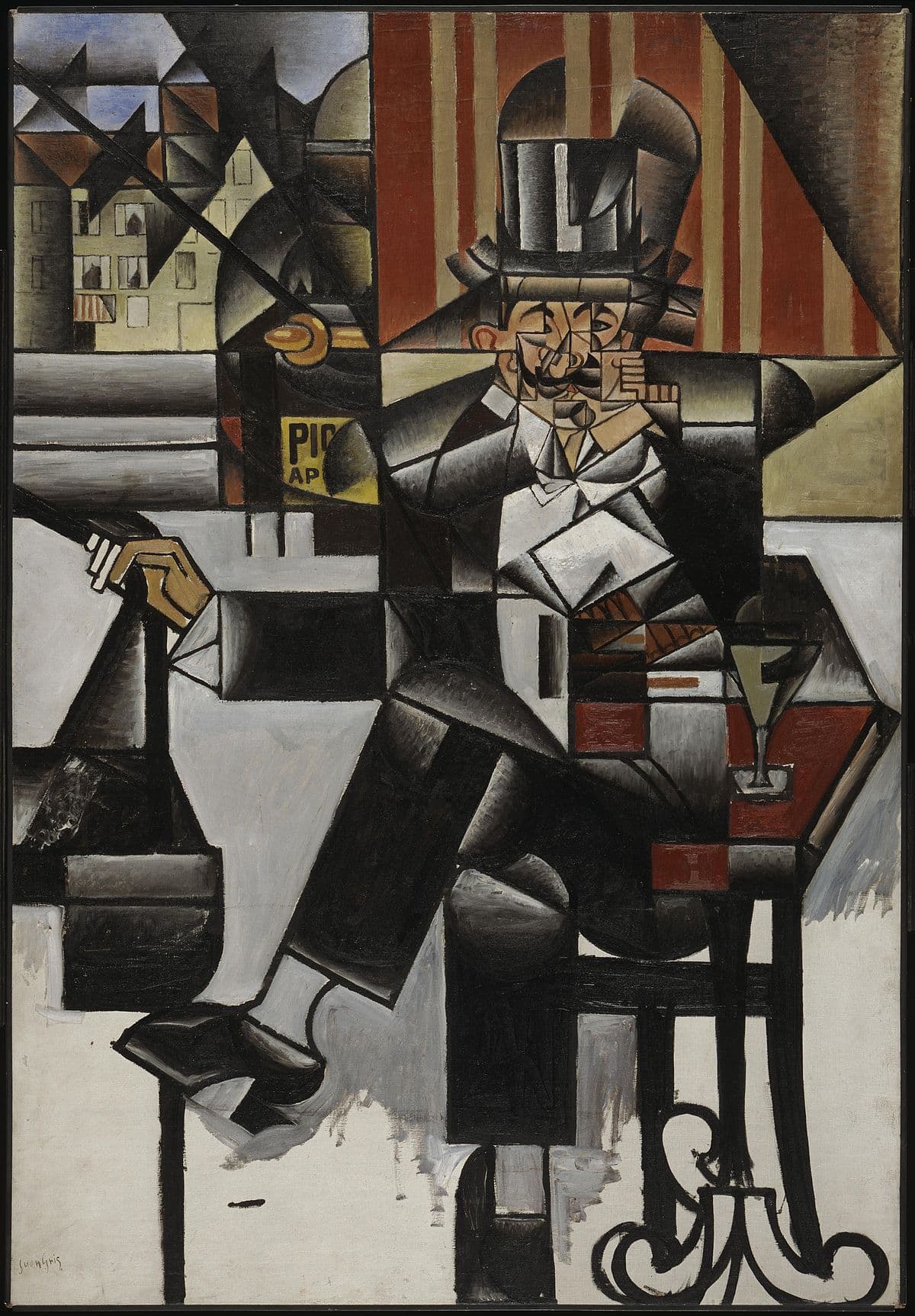
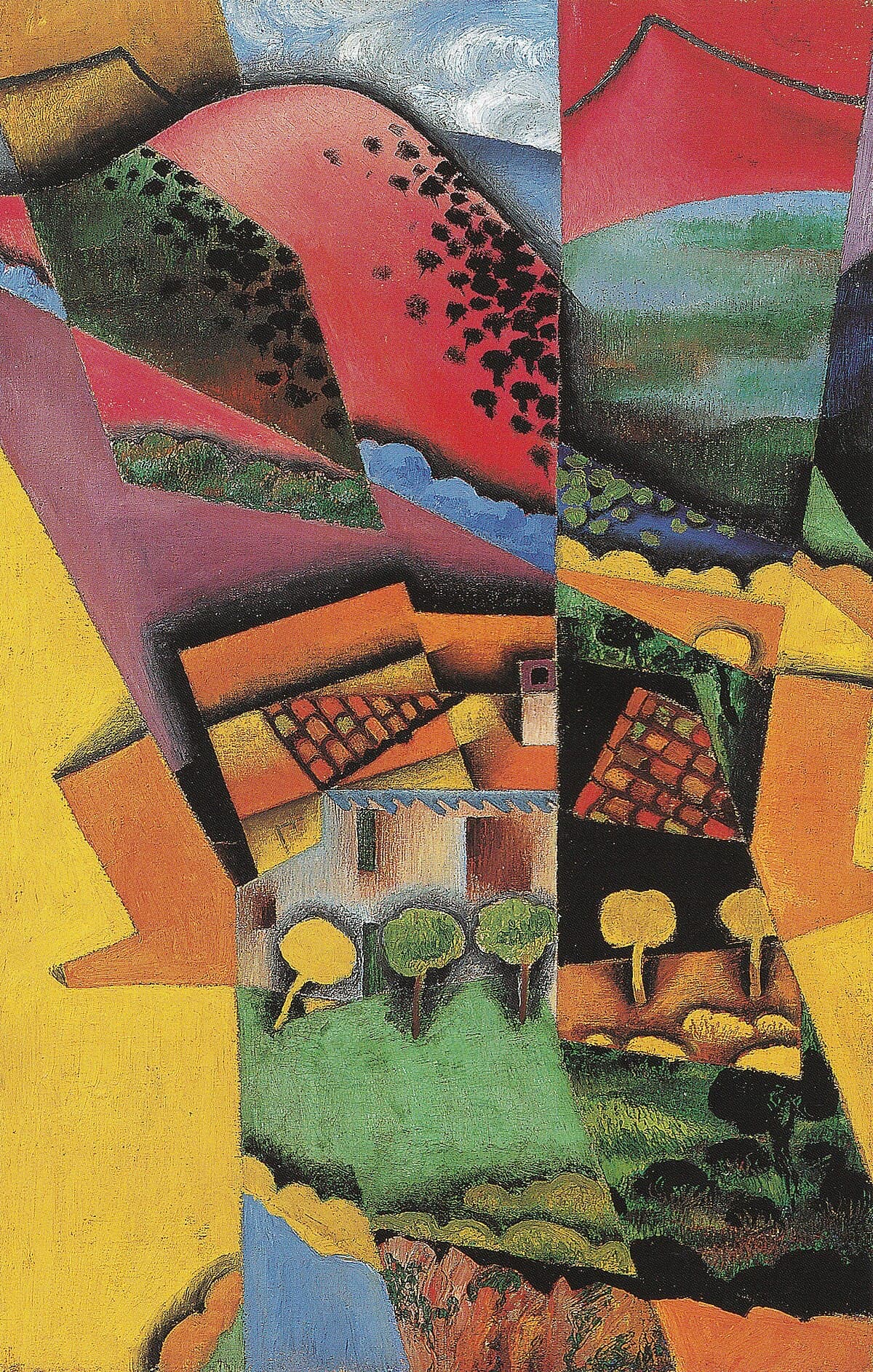
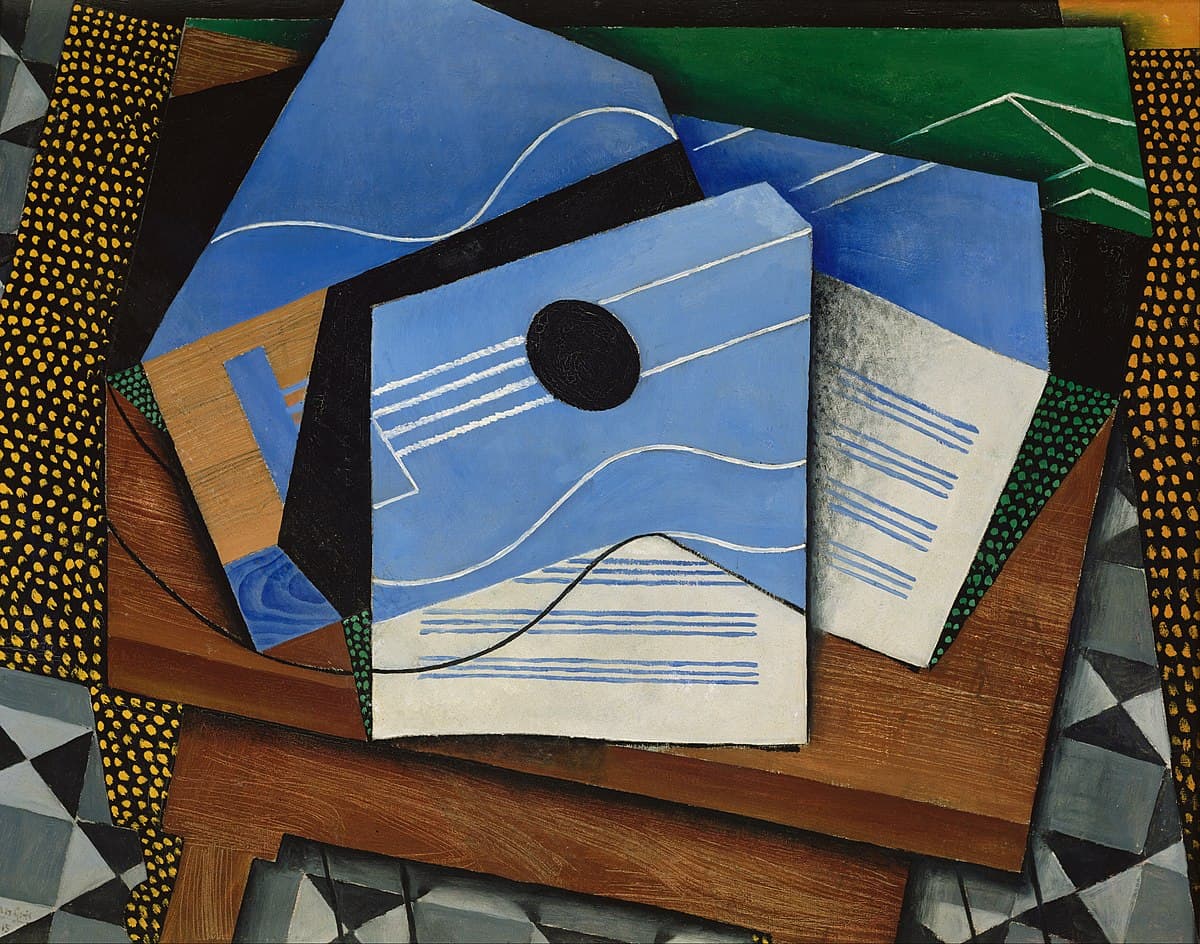
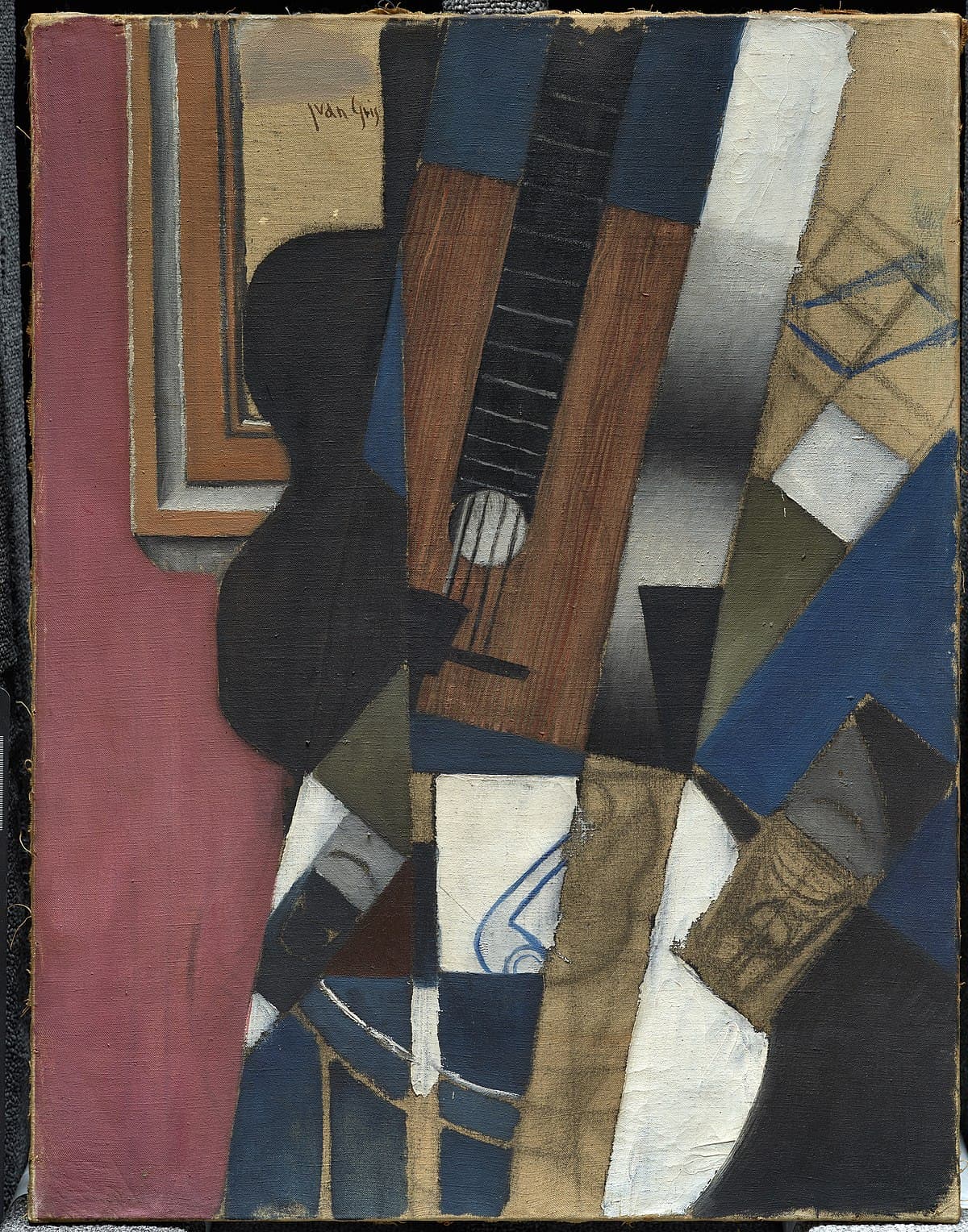
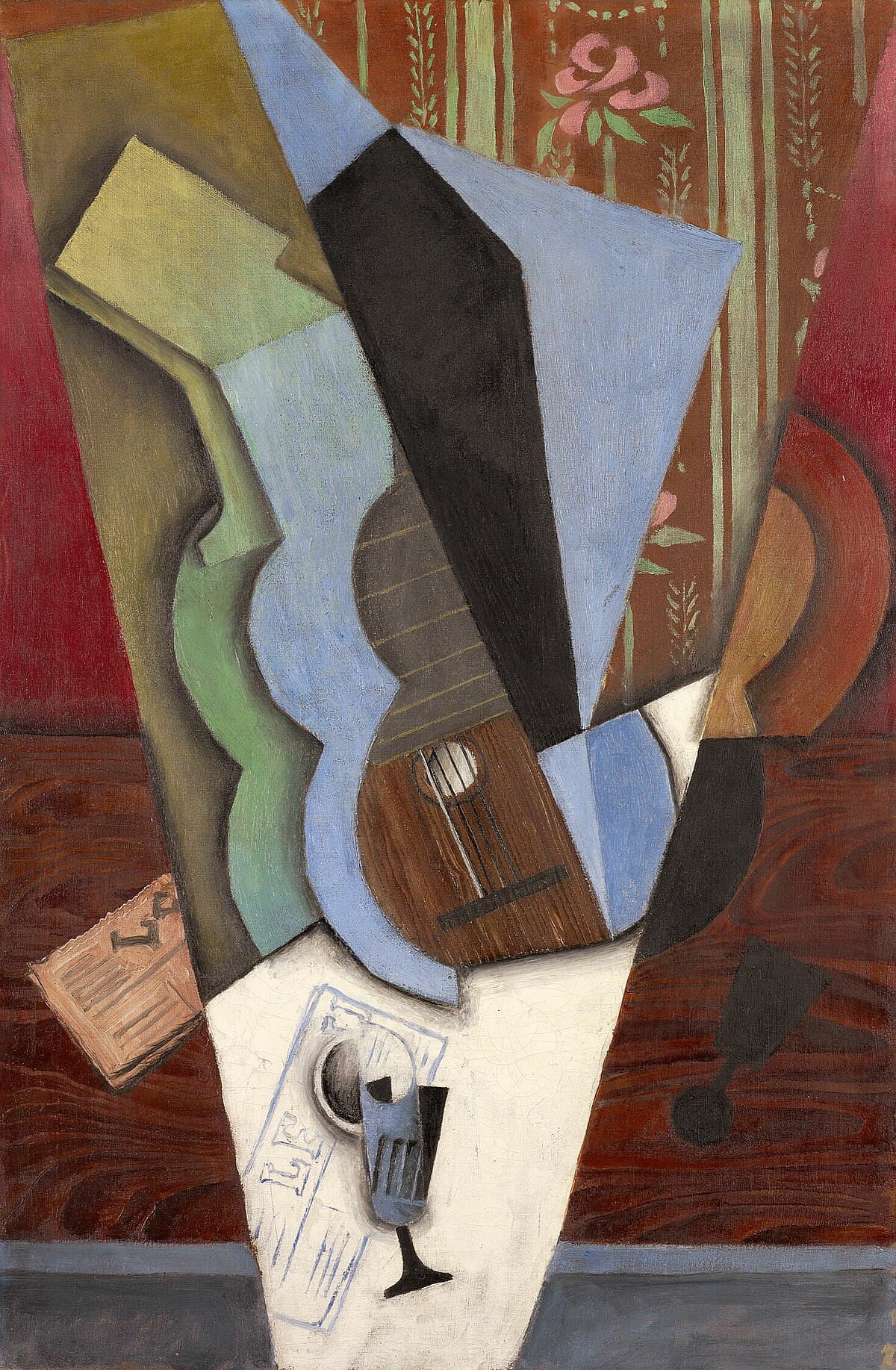
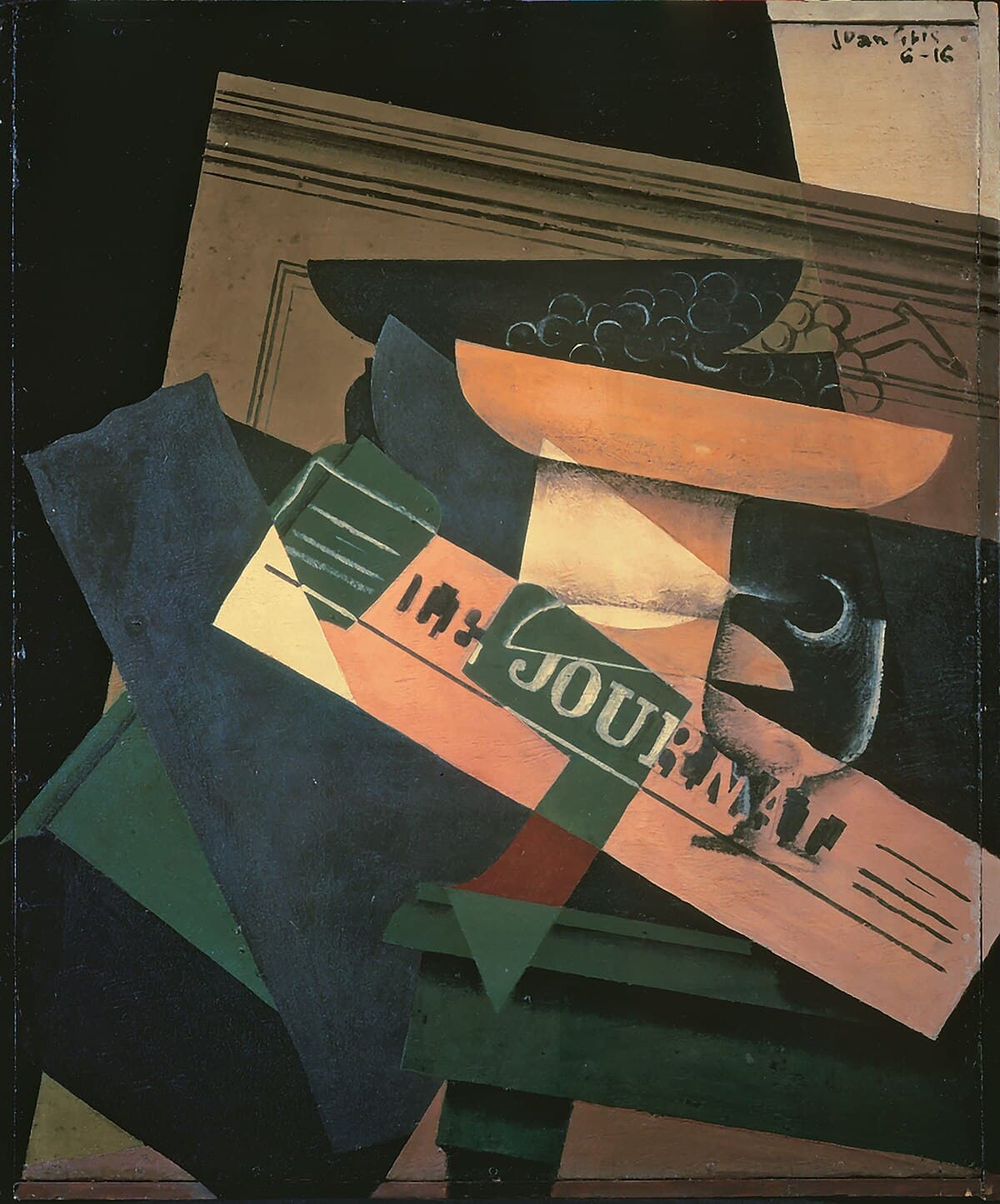
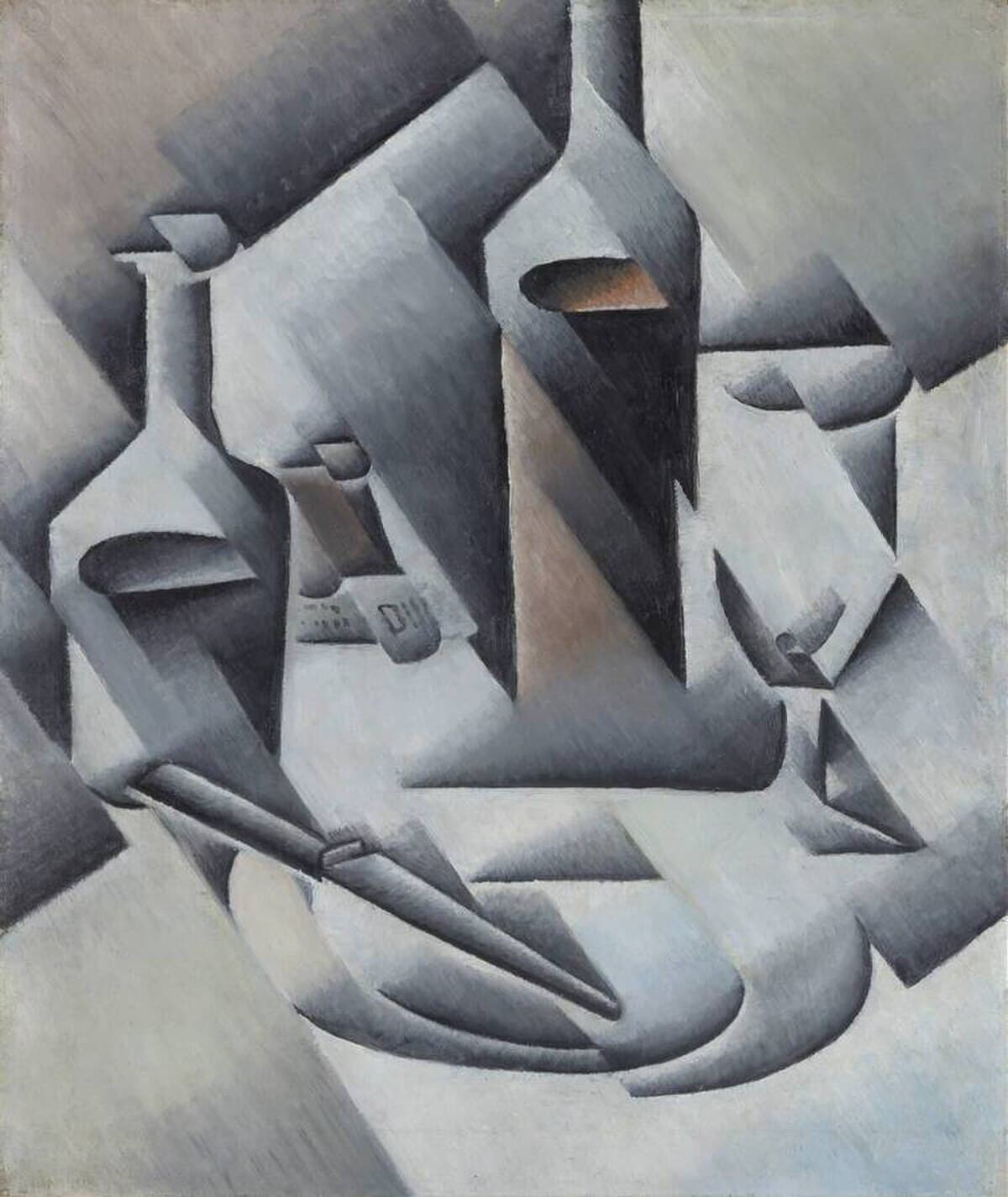
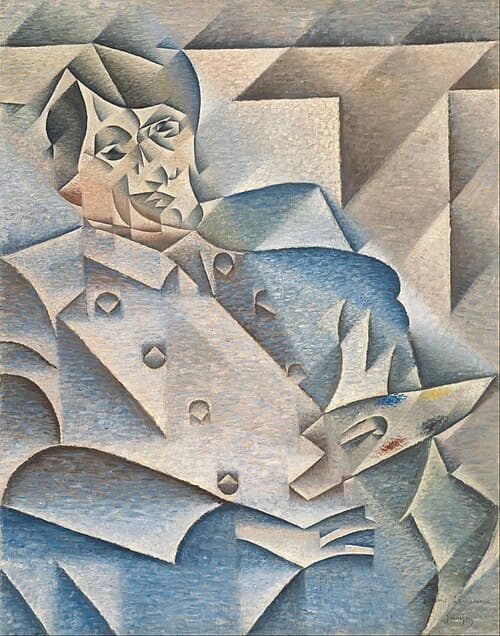
Spanish painter Juan Gris (1887-1927) was one of the four major figures of Cubism alongside Picasso, Braque, and Leger. Born Jose Victoriano Gonzalez-Perez in Madrid, he moved to Paris in 1906, living in Montmartre where he met Picasso and the avant-garde circle. By 1912, remarkably quickly, he became a leading Cubist apart from the movement's founders. His lucid, well-composed still lifes feature bright harmonious colors, unlike the monochromatic works of early Cubism.
Gris studied engineering before painting, which gave his work its geometric precision and "slick, graphic, almost commercial appearance." He made extensive use of papier colle (collage) and coined the term "Analytical Cubism." His theoretical writings explained his aesthetic approach, and he delivered a lecture "The Possibilities of Painting" at the Sorbonne in 1924. From 1922-1924, he designed stage sets and costumes for Diaghilev's Ballets Russes. Gris died of kidney failure at just 40. His works hang at the Museo Reina Sofia and Thyssen-Bornemisza Museum in Madrid, the Tate, and the Museum of Modern Art.
Notable Works by Juan Gris
24 paintings catalogued with museum locations