Public Domain
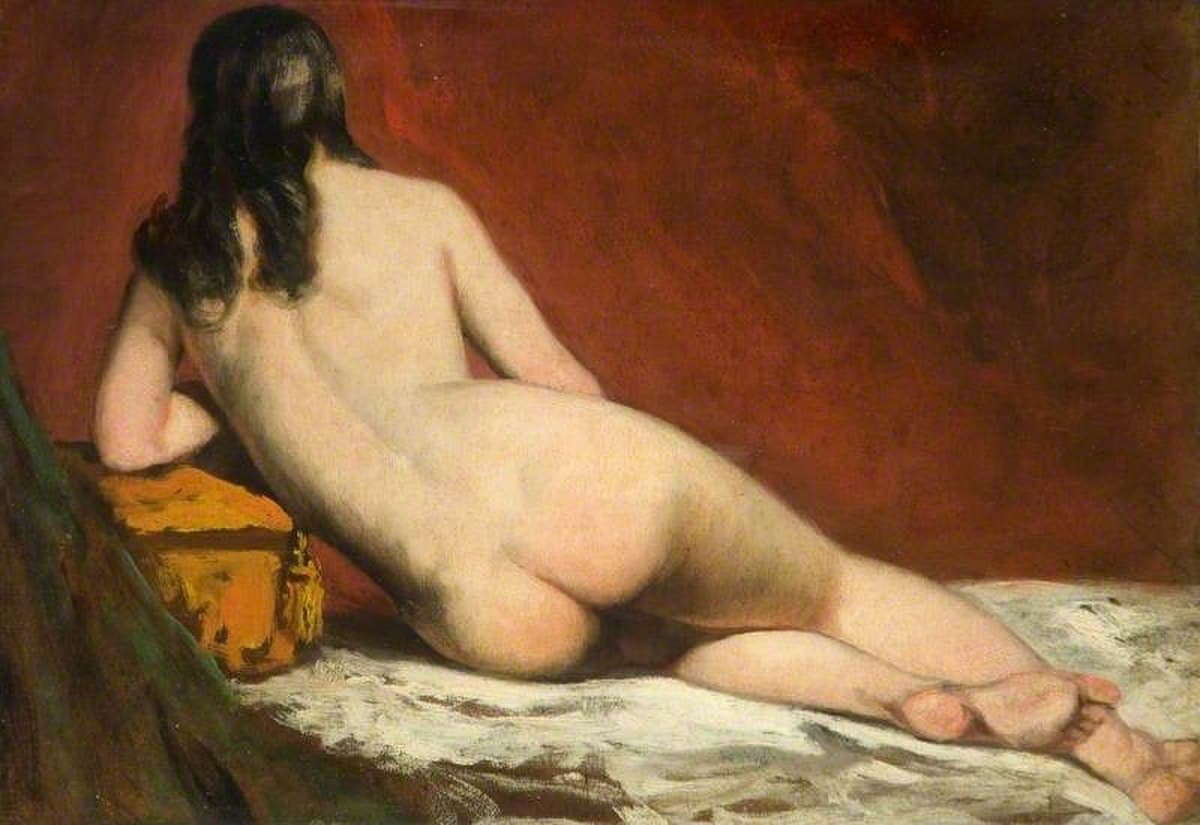
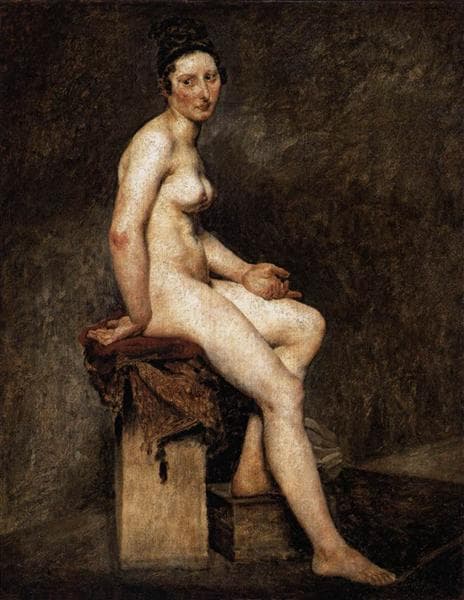
Odalisque
StyleRomanticism
GenreNude
Artwork Details
Where to See It
Fitzwilliam Museum (University of Cambridge), CambridgeCambridge, UK
Permanently housed
Cite or Embed This Work
APA · MLA · Chicago1-click academic citation and embeddable “On View” museum badge for articles, syllabi, and research.
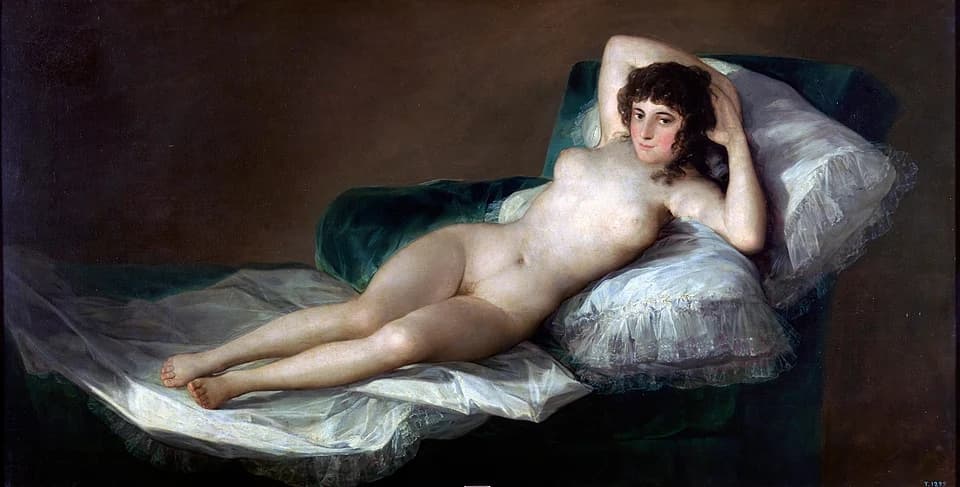
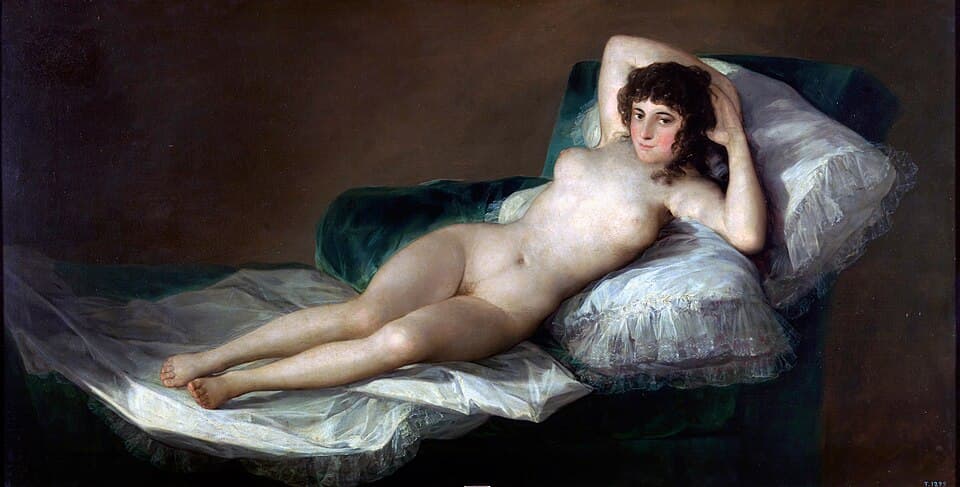
French artist Eugène Delacroix painted this Odalisque around 1825, an oil on canvas depicting a reclining nude in an exotic setting. A narghile (water pipe) stands beside the divan, and a Turkish sword scabbard lies across the lower canvas. The woman is an odalisque, a chambermaid or concubine in a sultan's household.
Though Delacroix painted several Orientalist scenes in the 1820s, he didn't actually visit the East until 1832, when he joined a diplomatic mission to Morocco. Before that journey, his harem scenes came from imagination and his Parisian model. The "exciting, erotically charged world of harems and hashish" existed only in his mind.
Odalisques became common fantasy figures in 19th-century French painting after Napoleon's invasion of Egypt sparked public fascination with foreign cultures. Delacroix's women lie amid luxurious fabrics and exotic objects, embodying European fantasies about the mysterious East. This early work hangs at the Fitzwilliam Museum at Cambridge University.