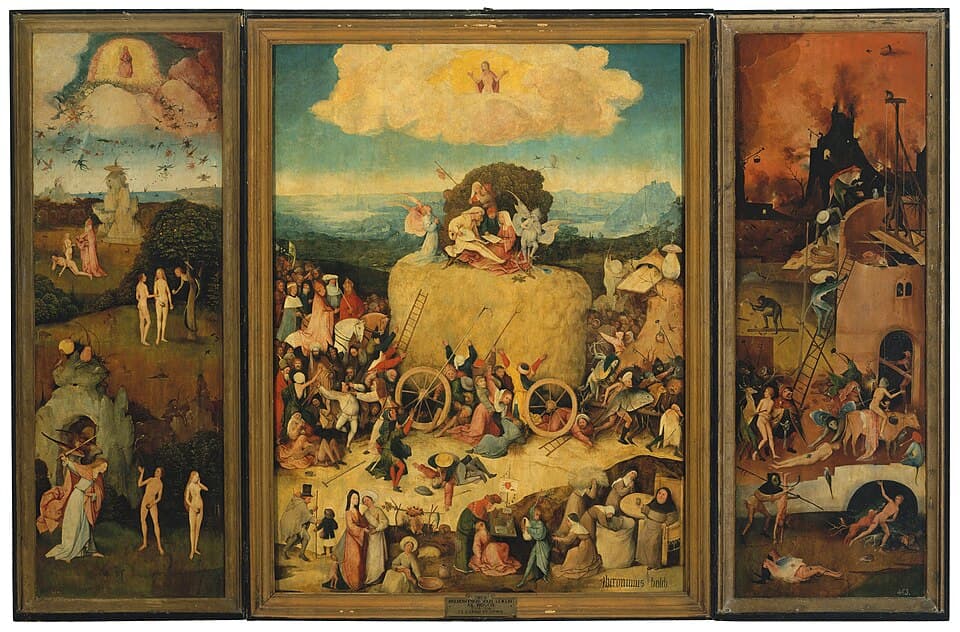
The Haywain Triptych
by Hieronymus Bosch, 1516
StyleNorthern Renaissance
Artwork Details
Details
- Year
- 1516
- Medium
- Oil on oak panels
- Size
- 147 cm × 212 cm (57.9 × 83.5 in) opened
Cite or Embed This Work
APA · MLA · Chicago1-click academic citation and embeddable “On View” museum badge for articles, syllabi, and research.
Hieronymus Bosch painted The Haywain Triptych around 1510-1516. When open, the panels show Eden on the left, Hell on the right, and in the center a massive hay wagon pulled toward damnation while humans fight to grab handfuls of straw. Closed, the panels show a wanderer walking a dangerous road.
The hay represents worldly goods and vanity, worthless yet fought over. Nobles, clergy, and commoners all grasp at the wagon. A proverb states "The world is a haystack; everyone takes what he can grab." Bosch illustrated human foolishness with his characteristic blend of the grotesque and moralistic.
King Philip II acquired this triptych for the Escorial. The Prado now displays it alongside Bosch's Garden of Earthly Delights.
More by Hieronymus Bosch
View all →C
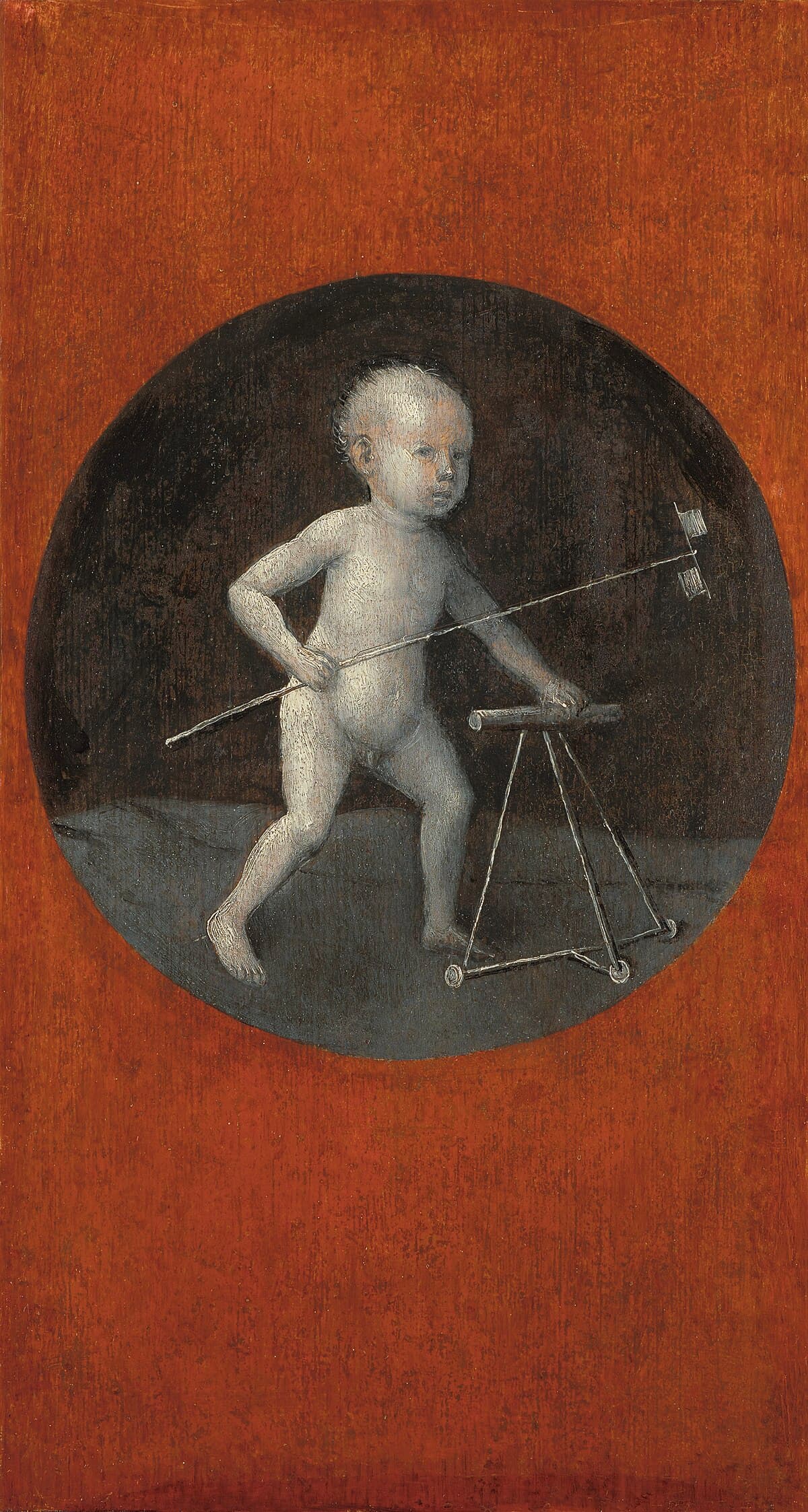
Christ Child with a Walking Frame
Hieronymus Bosch
Kunsthistorisches Museum, Vienna
C
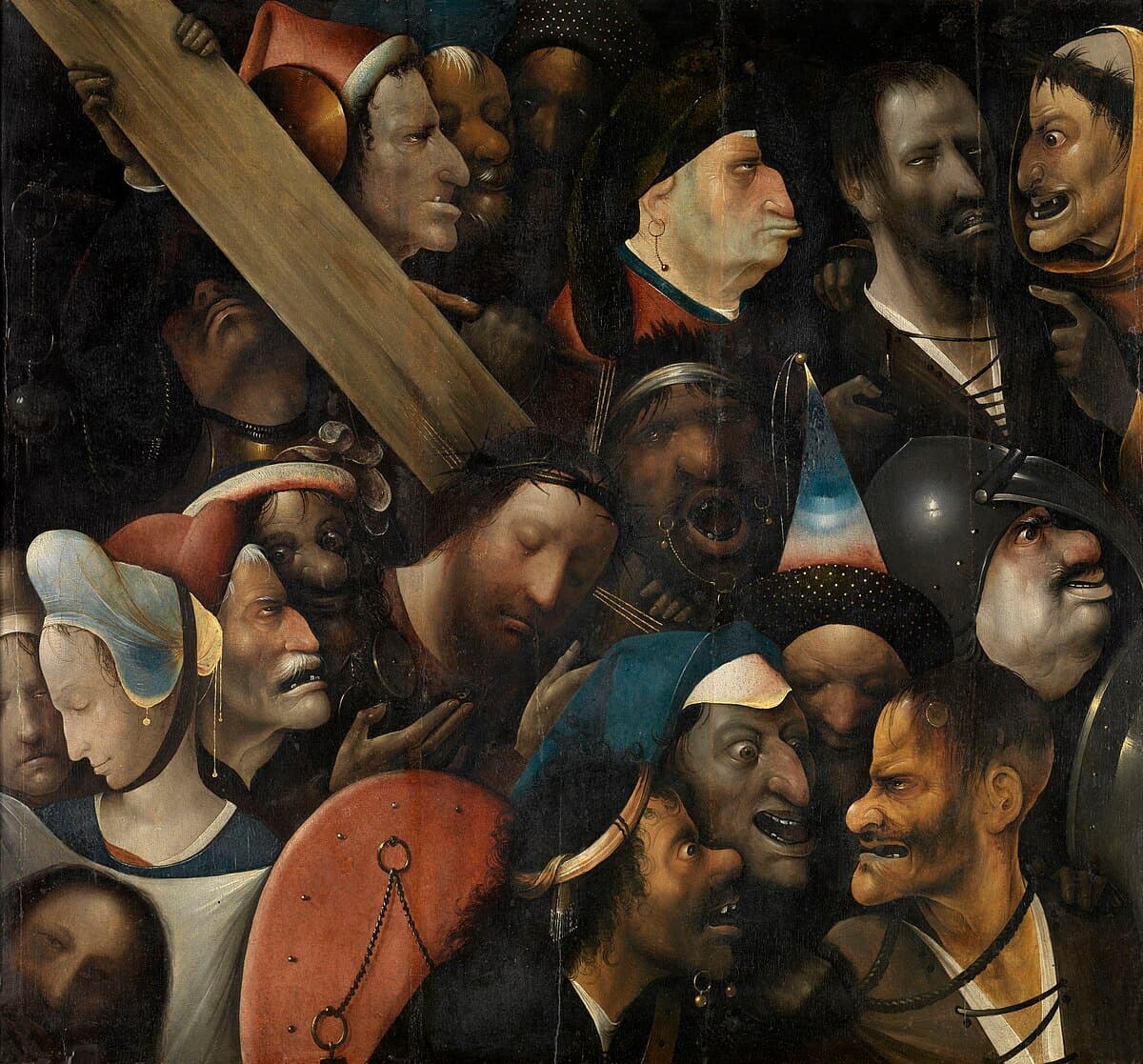
Christ Carrying the Cross
Hieronymus Bosch
Kunsthistorisches Museum, Vienna
T
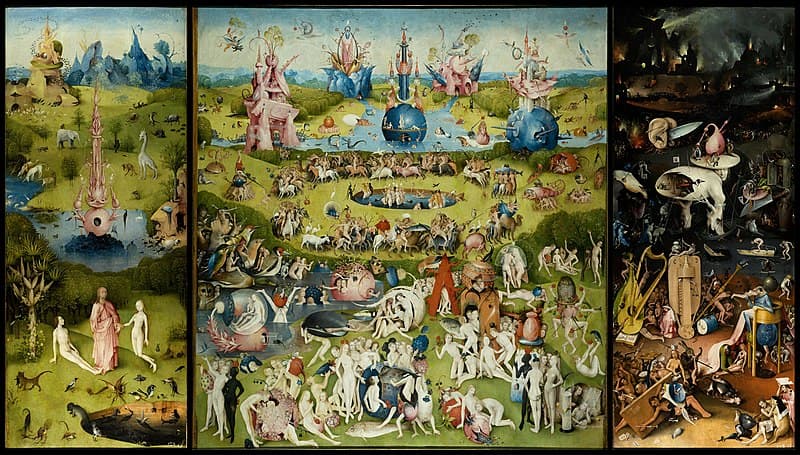
The Garden of Earthly Delights
Hieronymus Bosch, 1510
Museo del Prado, Madrid, Madrid
T
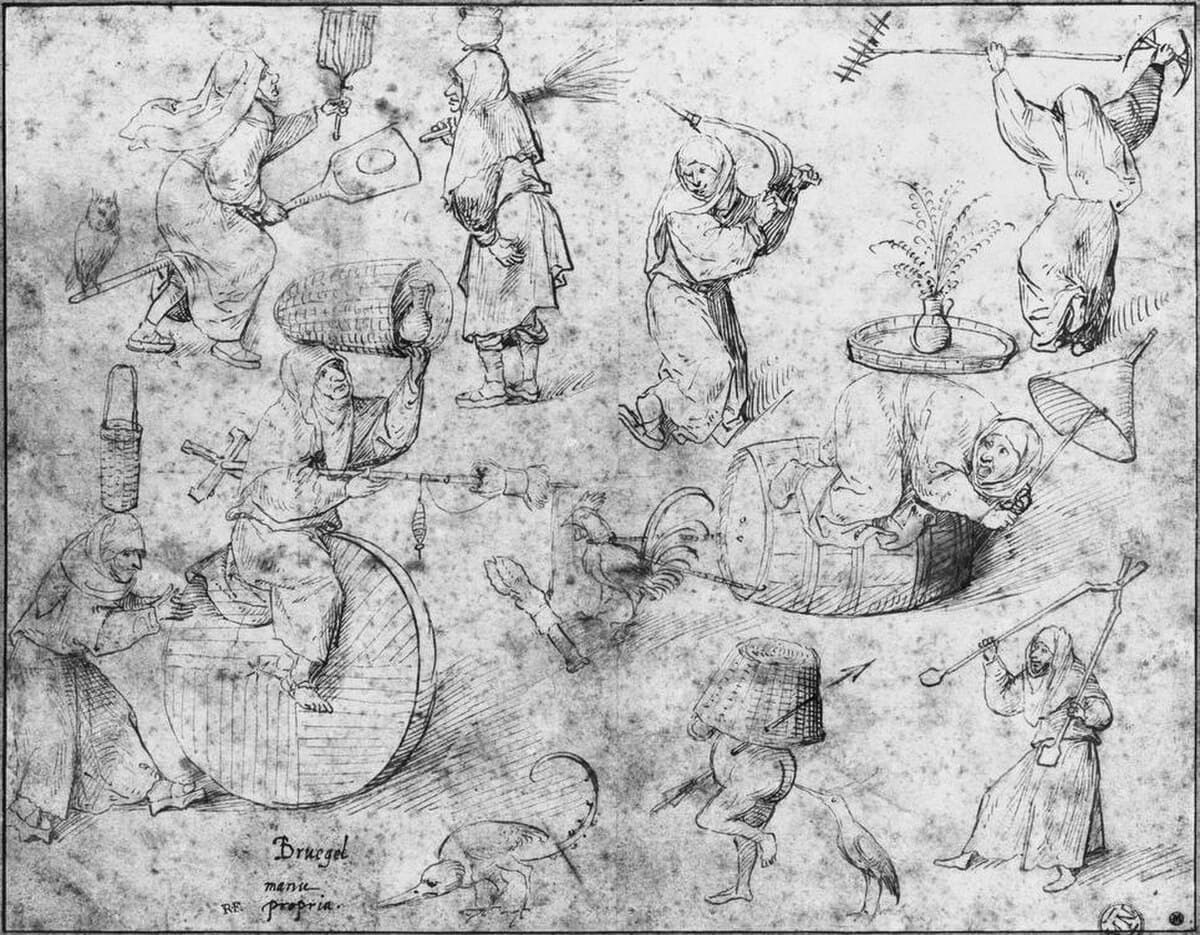
Two witches
Hieronymus Bosch
Museum Boijmans van Beuningen, Rotterdam, Rotterdam
Also at Museo del Prado, Madrid
View all →

Related Works
Works that share an artist, movement, museum, genre, palette or theme with The Haywain Triptych.

- Same artist
- Same movement
The Table of the Seven Deadly Sins
Hieronymus Bosch, 1505
- Same artist
- Same movement
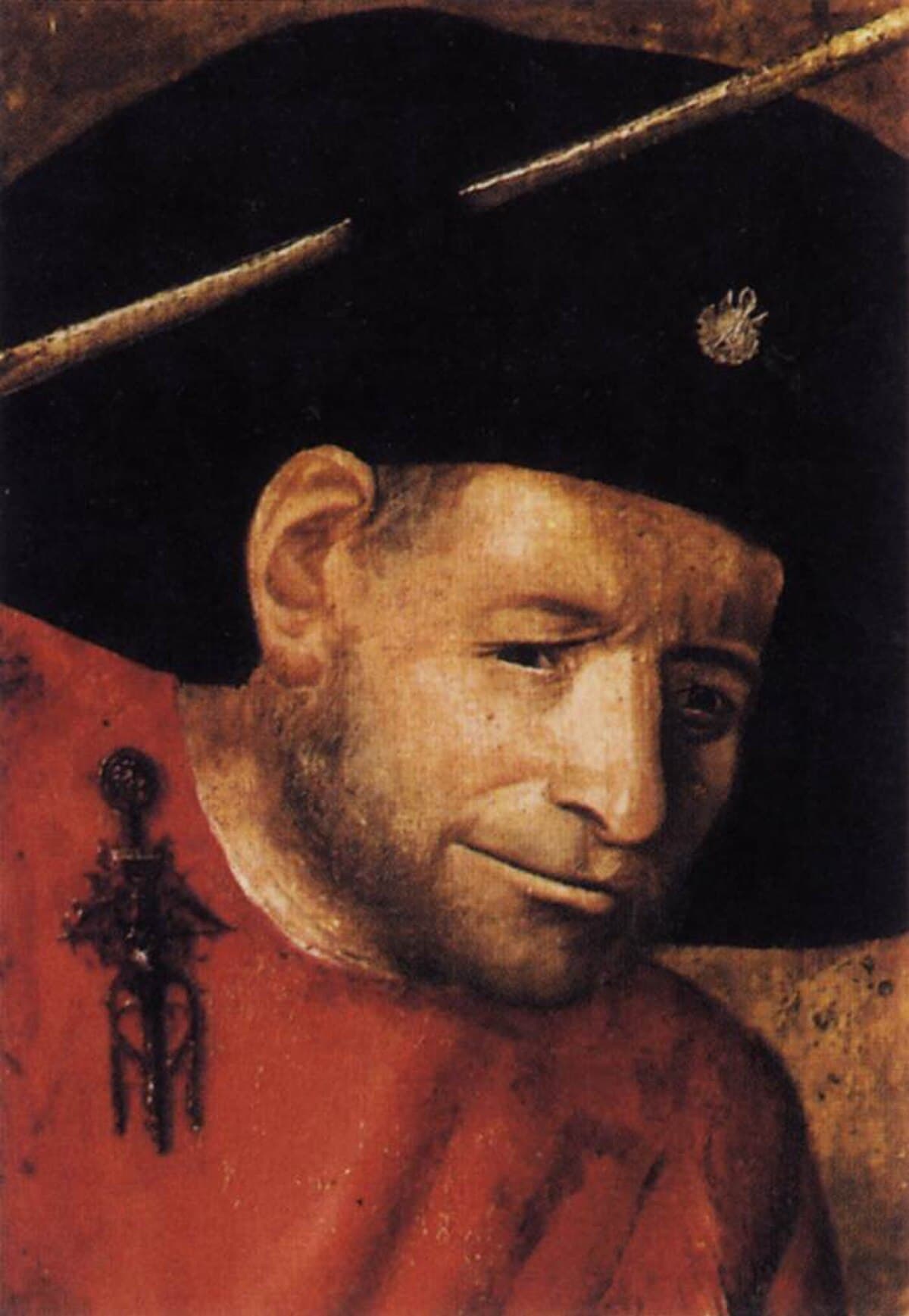
Head of a Halberdier
Hieronymus Bosch

- Same artist
- Same movement
The Seven Deadly Sins and the Four Last Things (tabletop)
Hieronymus Bosch
- Same movement
- Same museum
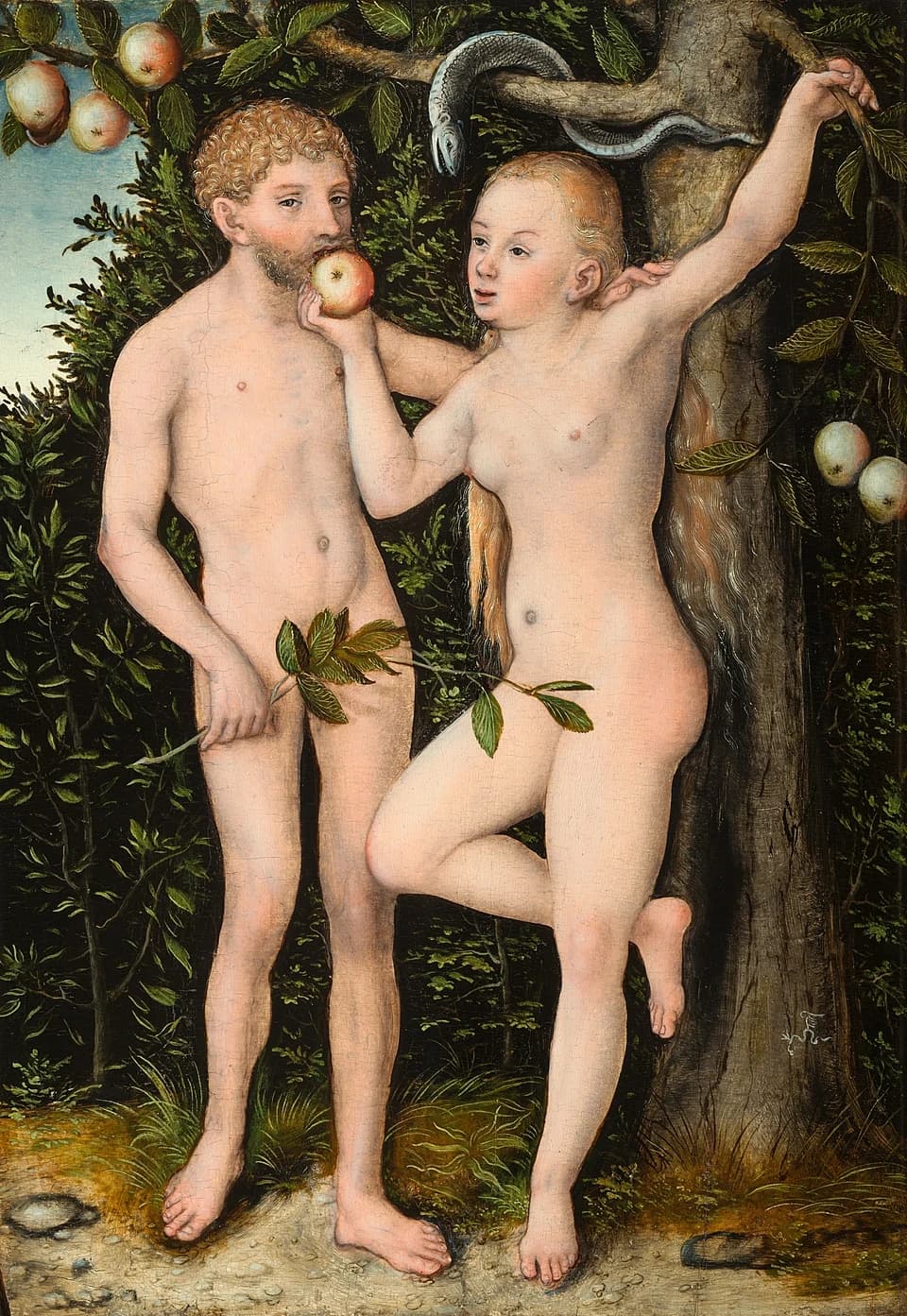
Adam and Eve
Lucas Cranach the Elder, 1526

- Same movement
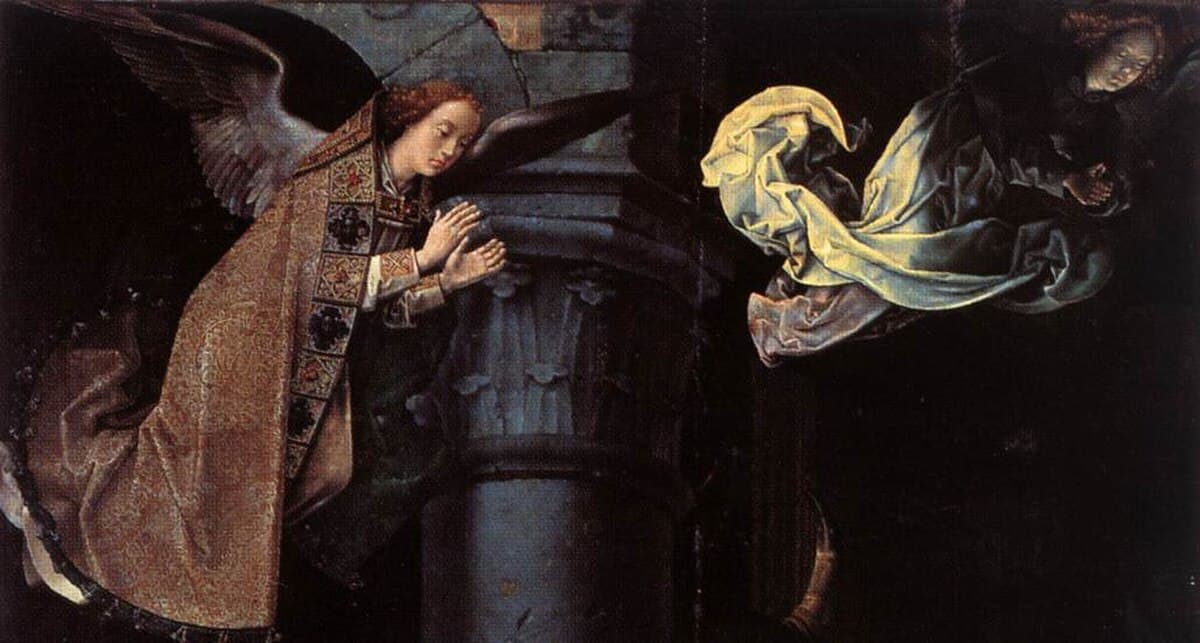
Portinari Triptych (detail)
Hugo van der Goes
- Same movement
Portinari Triptych
Hugo van der Goes
- Same movement
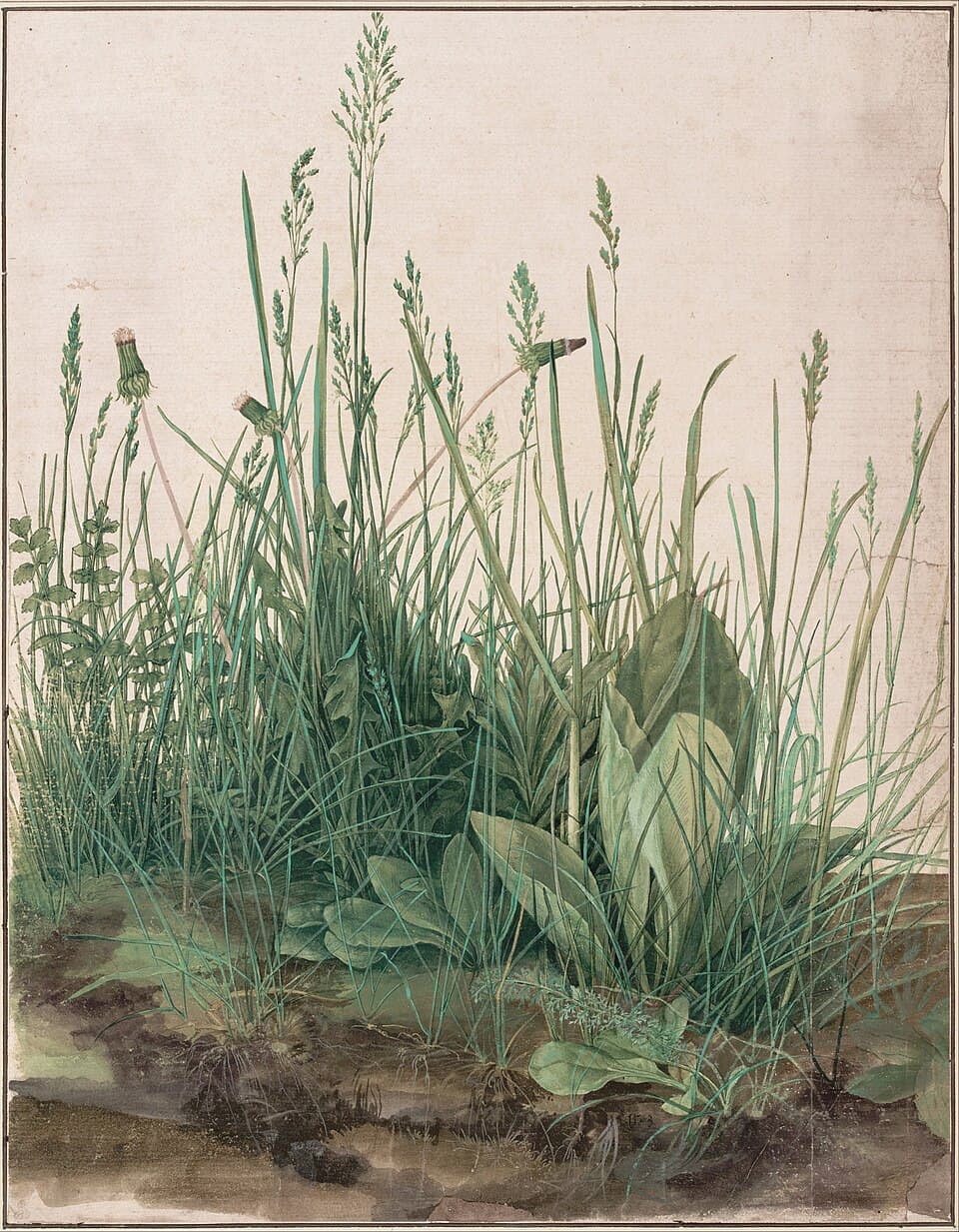
The Great Piece of Turf
Albrecht Dürer, 1503
- Same movement
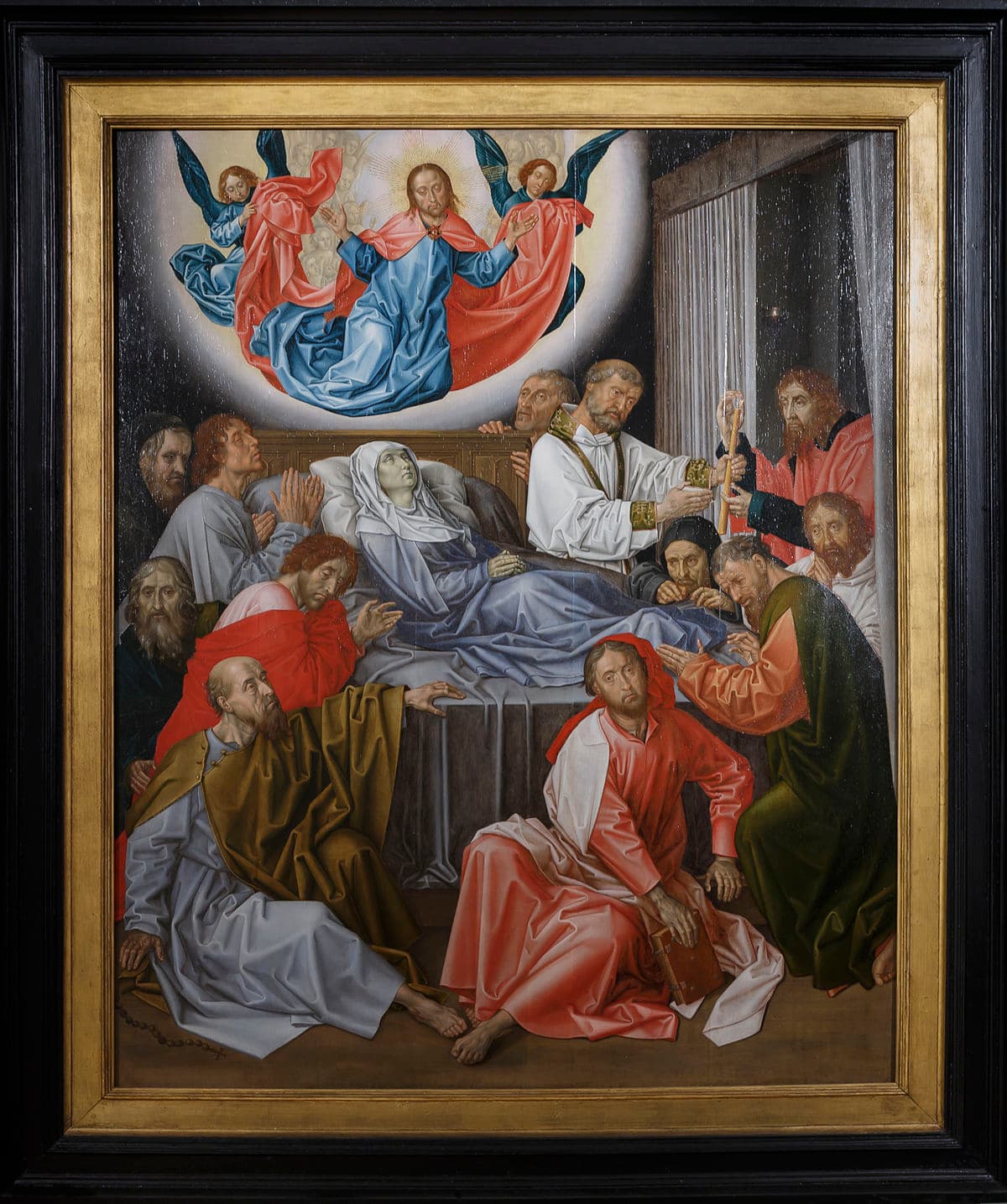
Death of the Virgin
Hugo van der Goes
- Same movement
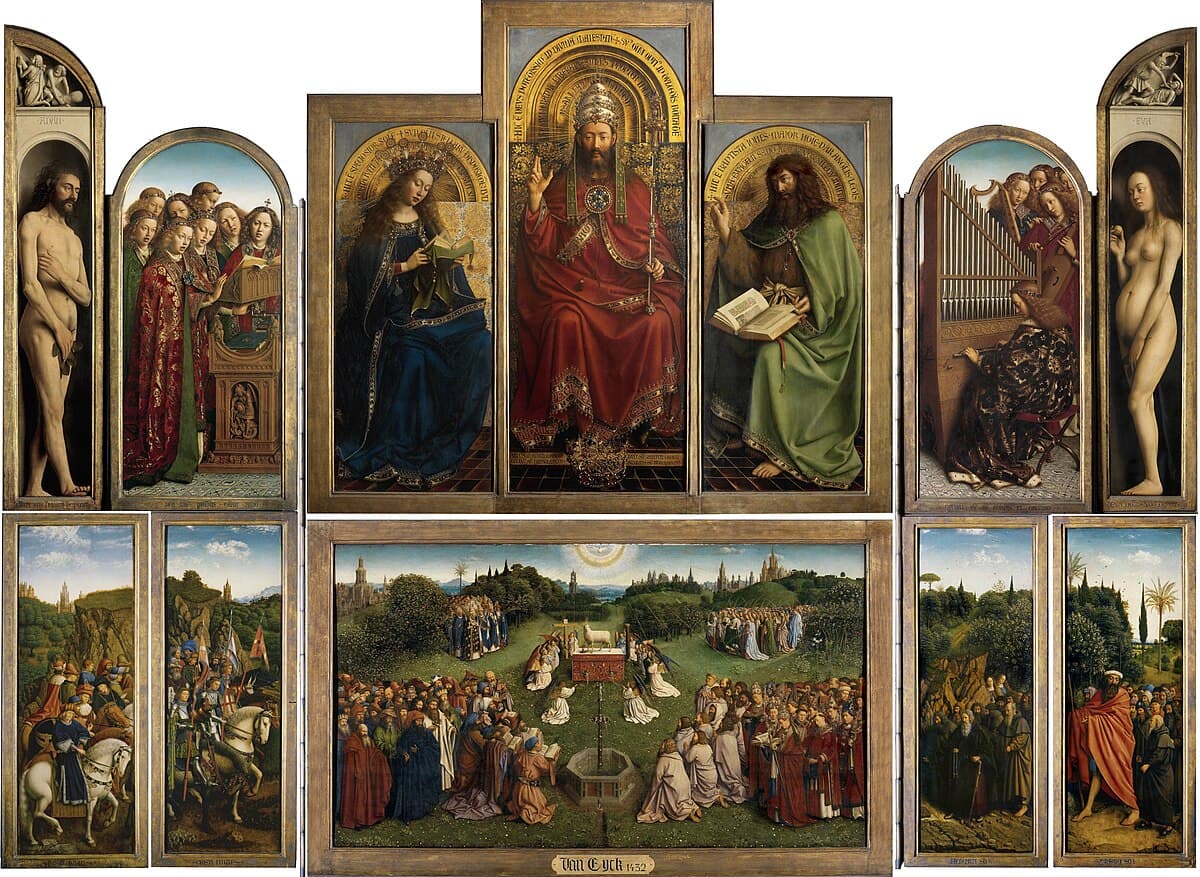
Adam, from the left wing of the Ghent Altarpiece
Jan van Eyck

- Same movement
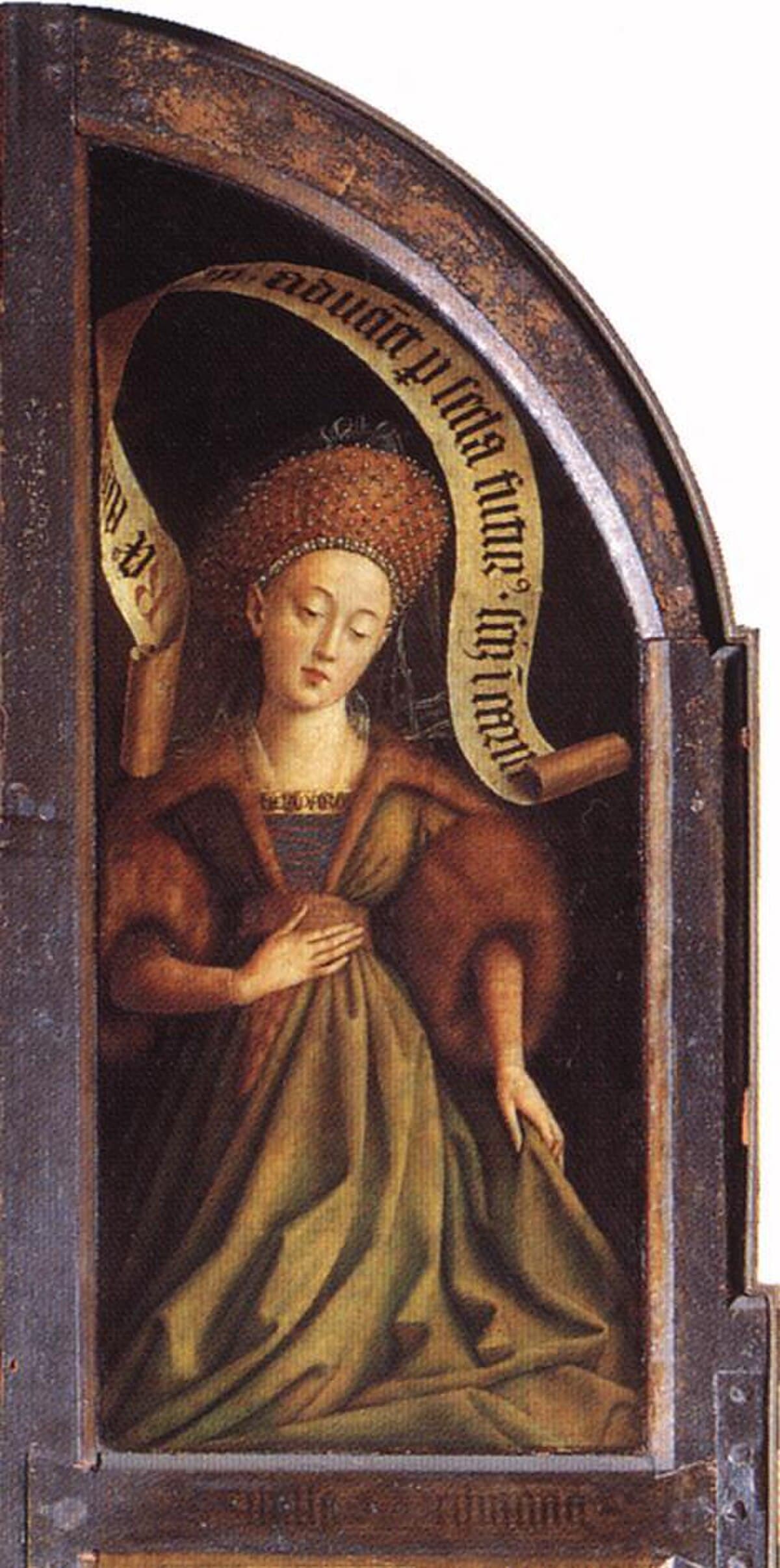
Saint Francis Receiving the Stigmata
Jan van Eyck, 1432
- Same movement
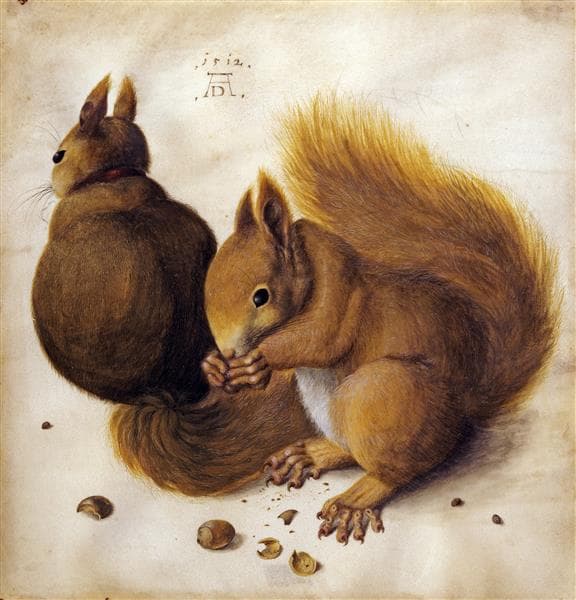
Eve, from the right wing of the Ghent Altarpiece
Jan van Eyck
- Same movement
Two squirrels
Albrecht Dürer
About The Haywain Triptych
The hay symbolizes worldly vanity, things people fight over that are ultimately worthless. A Flemish proverb compared the world to a haystack everyone tries to grab from.
Left: Creation and Fall in Eden. Center: humanity chasing the hay wagon. Right: Hell, the destination of human greed.
At the Museo del Prado in Madrid, which holds the finest collection of Bosch's work.
Own Art Like This
Luxury wall art with the same mood and energy. Gallery-quality canvas, no museum crowds.
Browse Collection