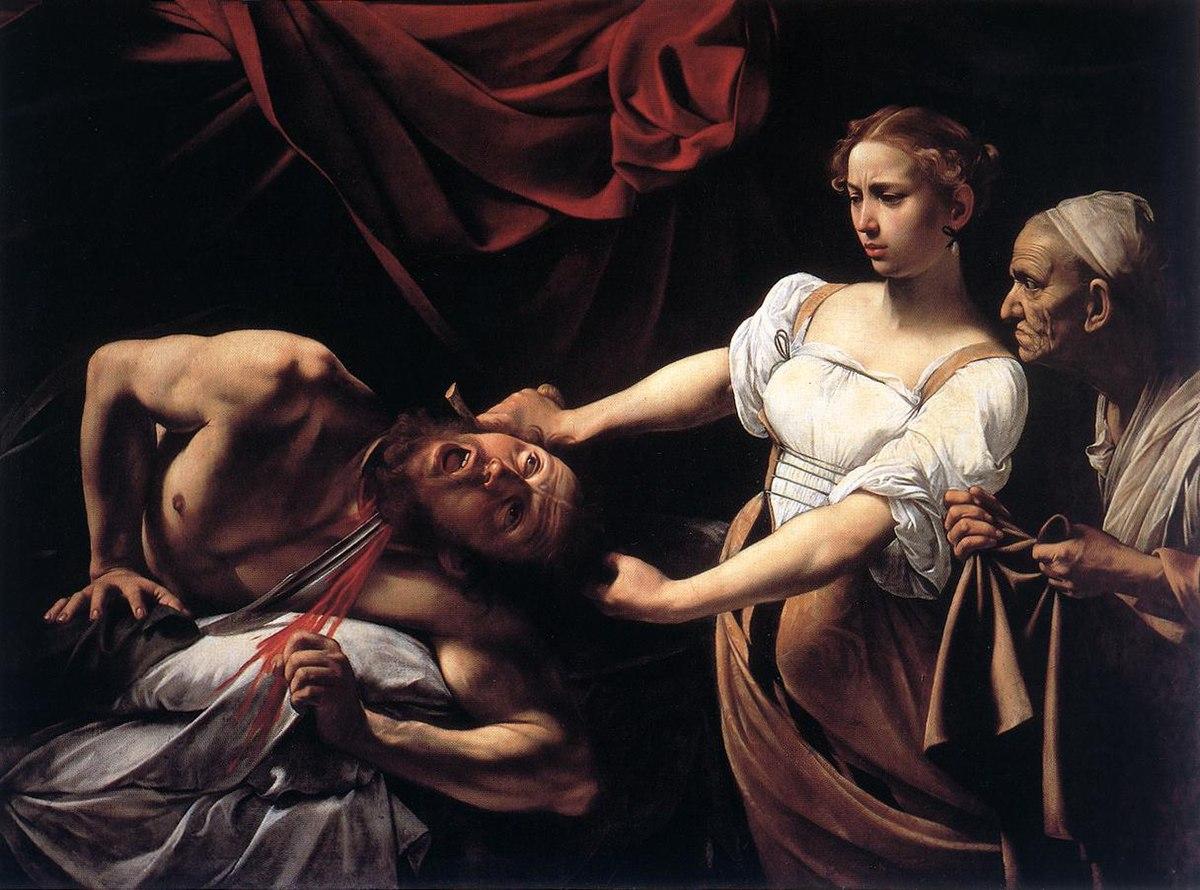
Judith Beheading Holofernes
by Caravaggio, 1599
Artwork Details
Details
- Year
- 1599
- Medium
- Oil on canvas
- Size
- 145 cm × 195 cm
- Gallery
- Barberini Gallery
Find It In The Museum
Barberini Gallery
Galleria Nazionale d'Arte Antica (Palazzo Barberini), Rome
Part of the permanent collection
Cite or Embed This Work
APA · MLA · Chicago1-click academic citation and embeddable “On View” museum badge for articles, syllabi, and research.
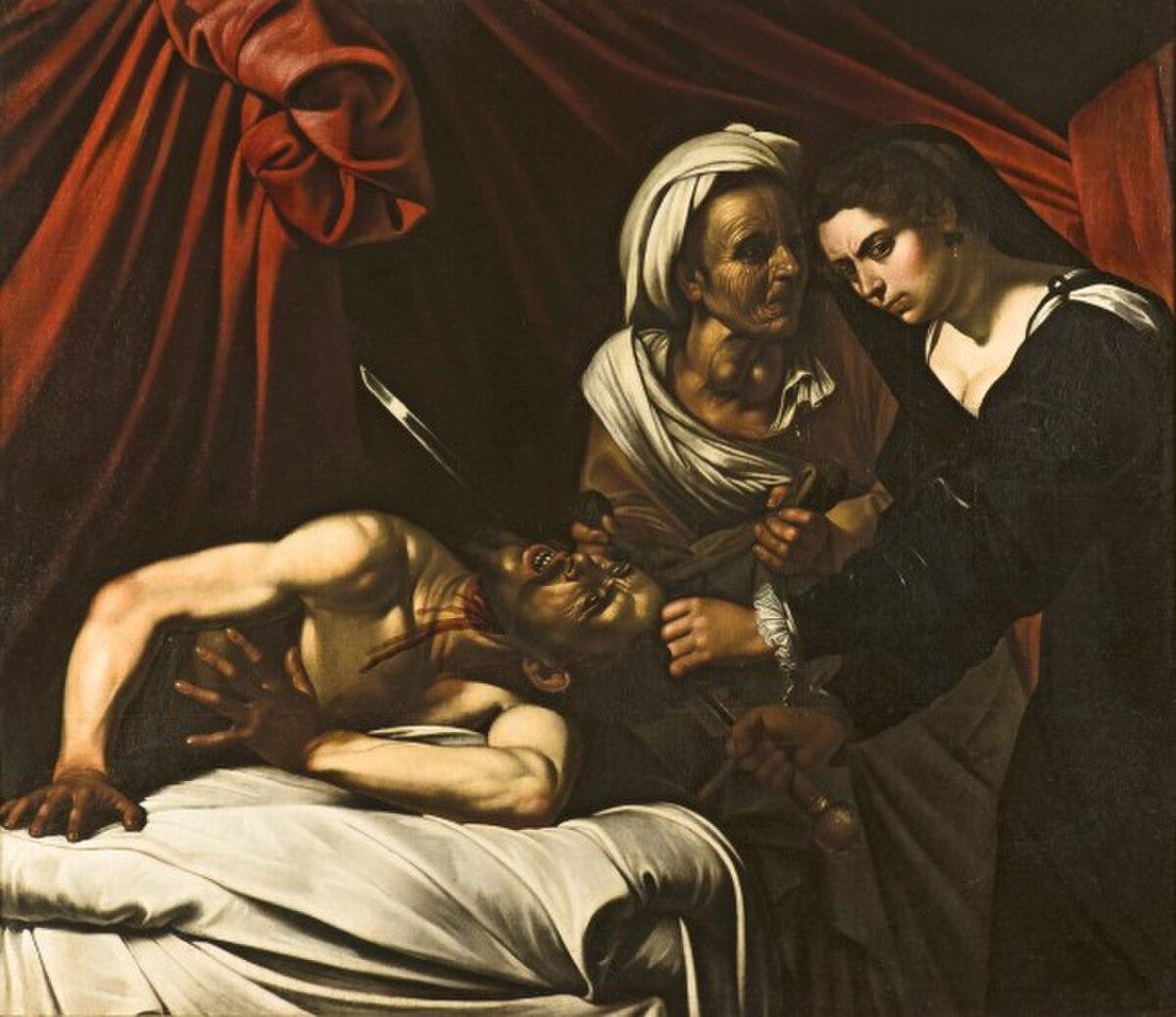
Caravaggio painted this visceral scene around 1599, showing the moment when the widow Judith beheads the Assyrian general Holofernes. Blood spurts across the white sheets as Judith saws through his neck with grim determination. Her elderly maid stands ready with a sack for the head. The dramatic lighting throws everything into sharp relief against an impenetrable black background.
Wealthy banker Ottavio Costa commissioned the work and treasured it so highly he covered it with a silk curtain and stipulated in his will that it should never leave his family. The model for Judith was reportedly Fillide Melandroni, a Roman prostitute who posed for Caravaggio several times. He seemed to enjoy casting courtesans as biblical heroines.
The painting vanished for centuries until restorer Pico Cellini found it in 1951 at a Roman family's home. Critic Roberto Longhi authenticated it, and in 1971 the Italian state purchased it for the Galleria Nazionale d'Arte Antica in Palazzo Barberini. Never before had the subject been depicted with such unflinching brutality.
Historical Significance
Shows Caravaggio's unflinching realism and dramatic lighting at its most intense.
More by Caravaggio
View all →
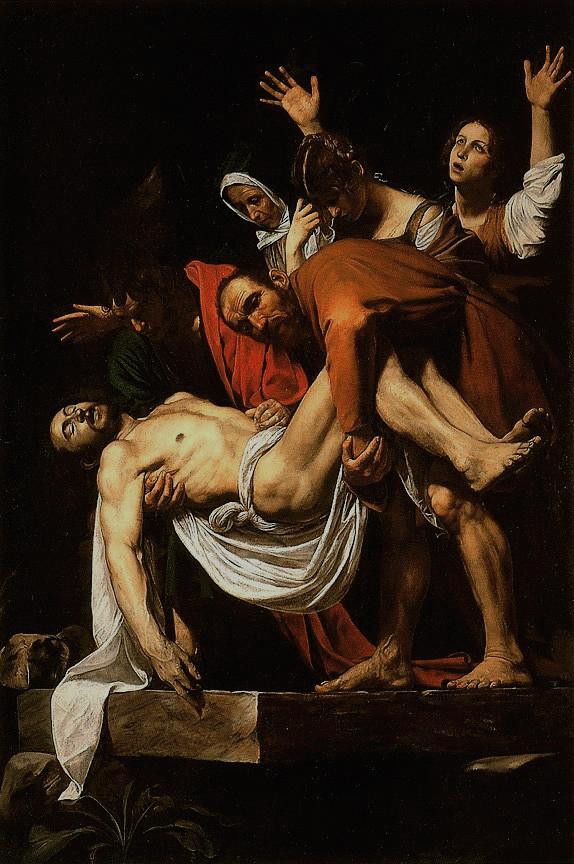
Also at Galleria Nazionale d'Arte Antica (Palazzo Barberini)
View all →T
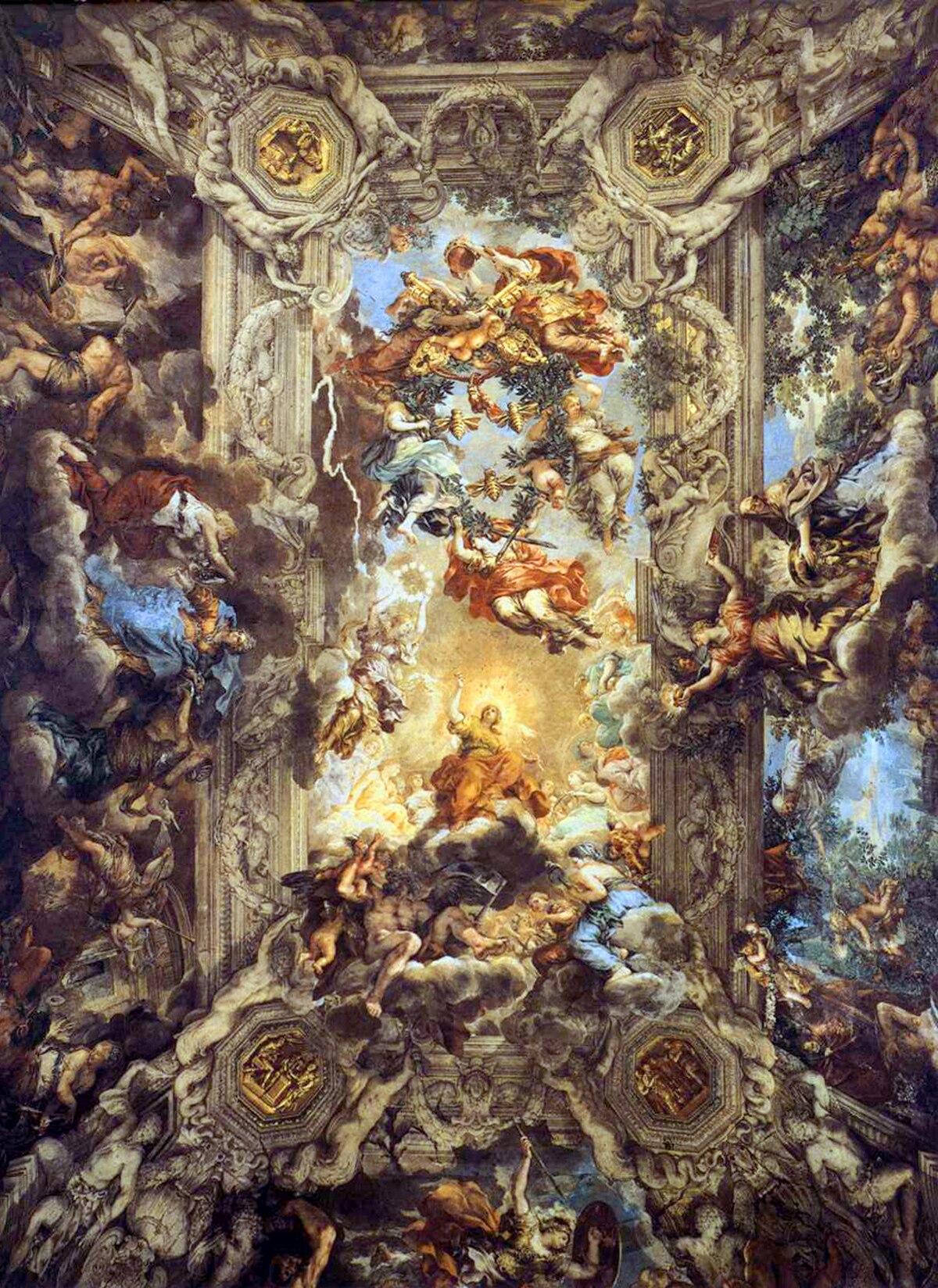
The Triumph of Divine Providence
Pietro da Cortona
Galleria Nazionale d'Arte Antica (Palazzo Barberini), Rome
E
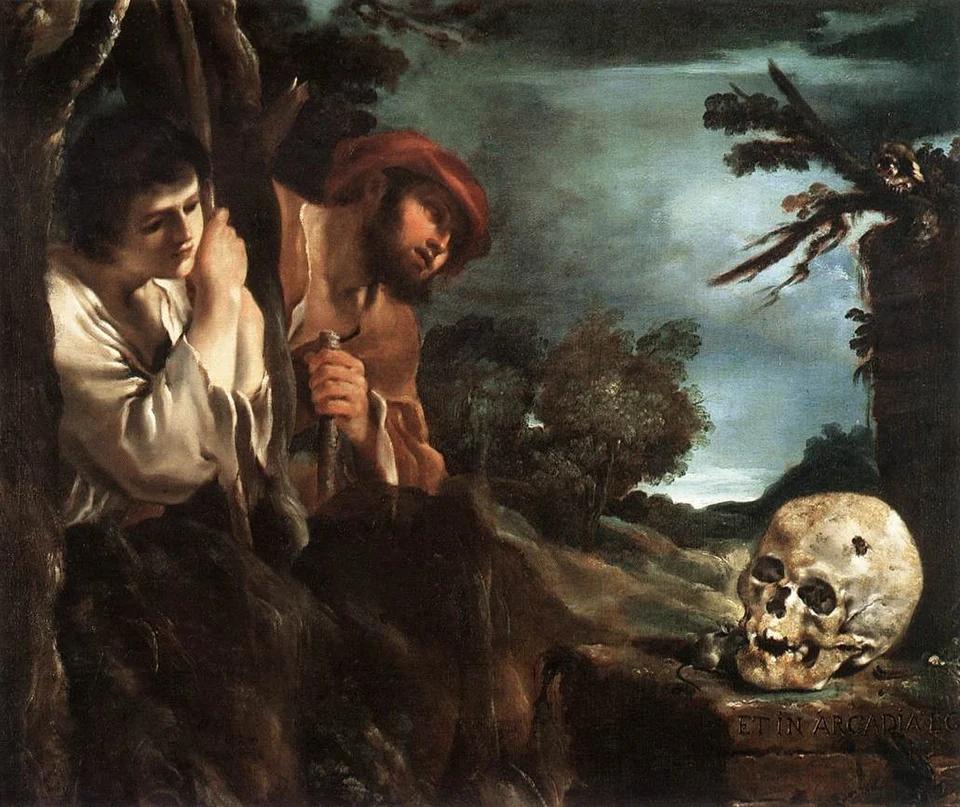
Et in Arcadia Ego
Guercino, 1618
Galleria Nazionale d'Arte Antica (Palazzo Barberini), Rome
A
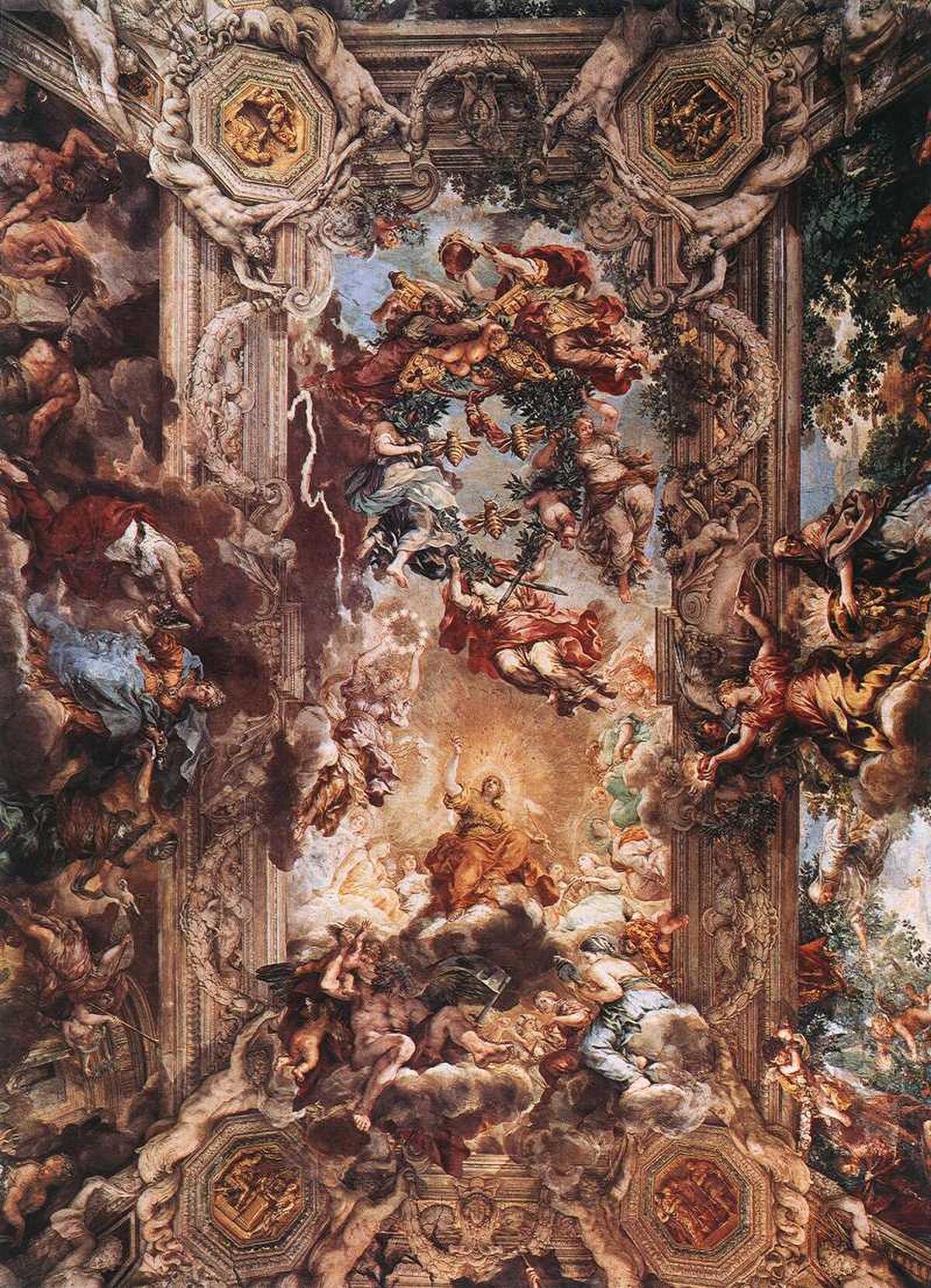
Allegory of Divine Providence and Barberini Power
Pietro da Cortona
Galleria Nazionale d'Arte Antica (Palazzo Barberini), Rome
Related Works
Works that share an artist, movement, museum, genre, palette or theme with Judith Beheading Holofernes.
- Same artist
- Same movement
The Death of the Virgin
Caravaggio, 1606
- Same artist
- Same movement
Saint Jerome Writing
Caravaggio, 1606

- Same artist
- Same movement
Flagellation of Christ
Caravaggio, 1607
- Same movement
- Same genre
Judith Beheading Holofernes
Artemisia Gentileschi
- Same movement
- Same genre
Judith and Her Maidservant with the Head of Holofernes
Artemisia Gentileschi
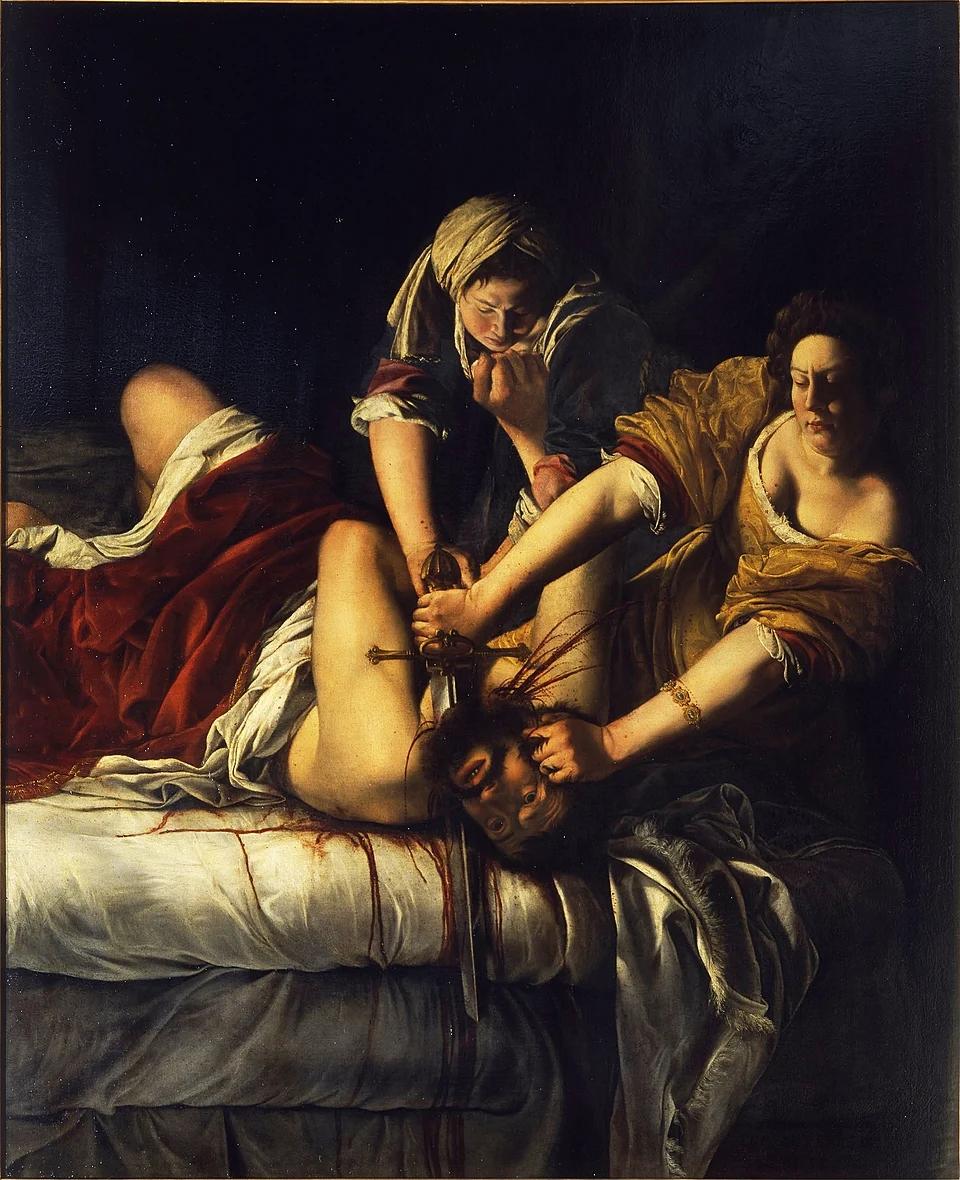
- Same movement
- Same genre
Judith Slaying Holofernes
Artemisia Gentileschi, 1620

- Same movement
- Same genre
Judith with the Head of Holophernes
Simon Vouet
- Same movement
- Same genre
The Feast of Saint Nicholas
Jan Steen, 1665
- Same movement
Portrait of Innocent X
Diego Velázquez, 1650
- Same movement
The Bean Eater
Annibale Carracci, 1584

- Same movement
Aurora
Guido Reni, 1614
- Same movement
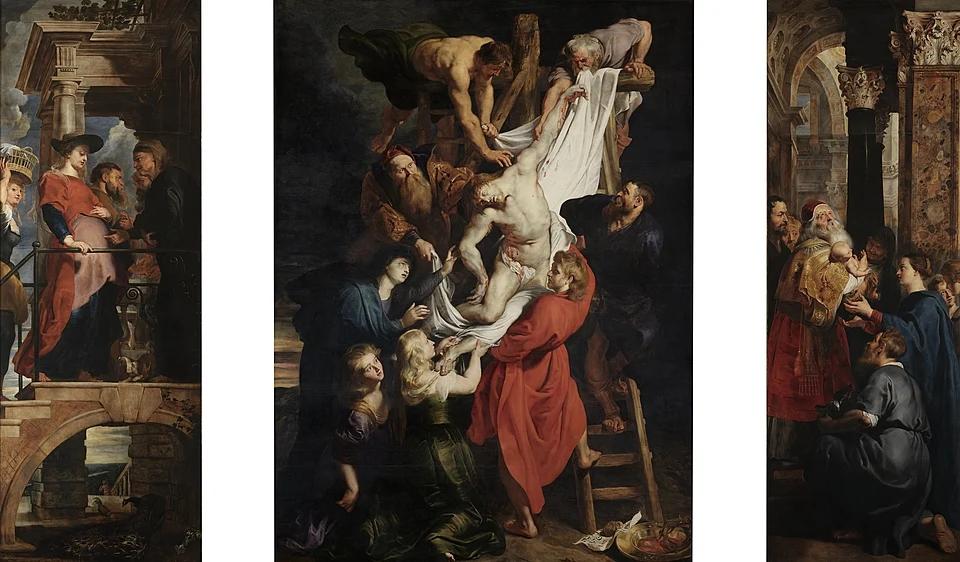
Descent from the Cross
Peter Paul Rubens, 1614
About Judith Beheading Holofernes
The painting hangs at the Galleria Nazionale d'Arte Antica in Palazzo Barberini, Rome. It was rediscovered in 1951 after being lost for centuries.
Fillide Melandroni, a Roman courtesan, reportedly posed for Judith. Caravaggio frequently used prostitutes as models for biblical heroines, scandalizing his contemporaries.
It's a defining work of Baroque painting. Caravaggio's dramatic lighting (called tenebrism) and unflinching realism influenced countless artists who followed.
Caravaggio rejected idealization. He shows the actual moment of beheading with spurting blood and strained muscles. This raw approach shocked viewers but transformed how artists depicted violence.
Own Art Like This
Luxury wall art with the same mood and energy. Gallery-quality canvas, no museum crowds.
Browse Collection