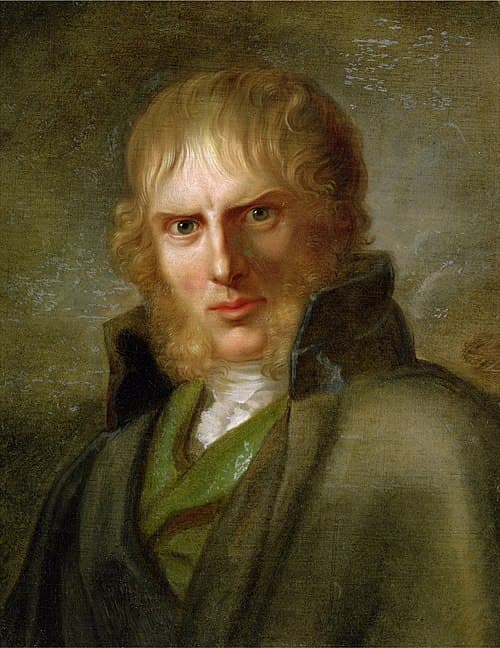
Francisco Goya
Spanish·1746–1828
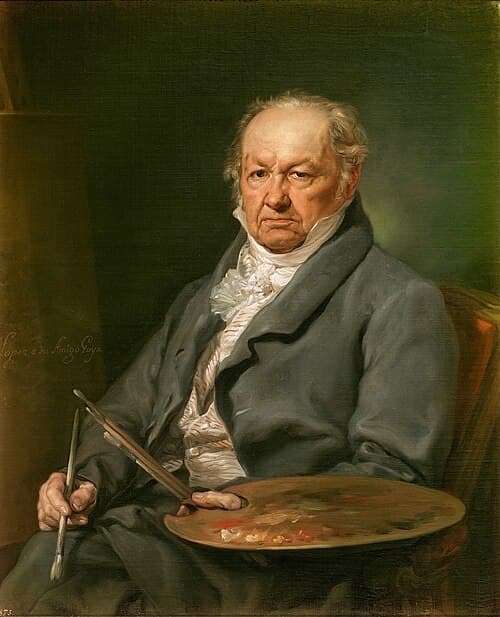
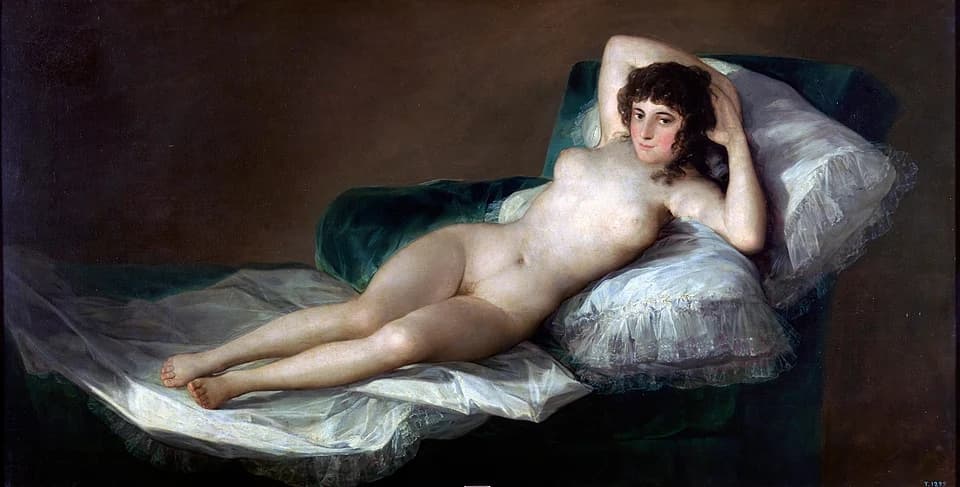
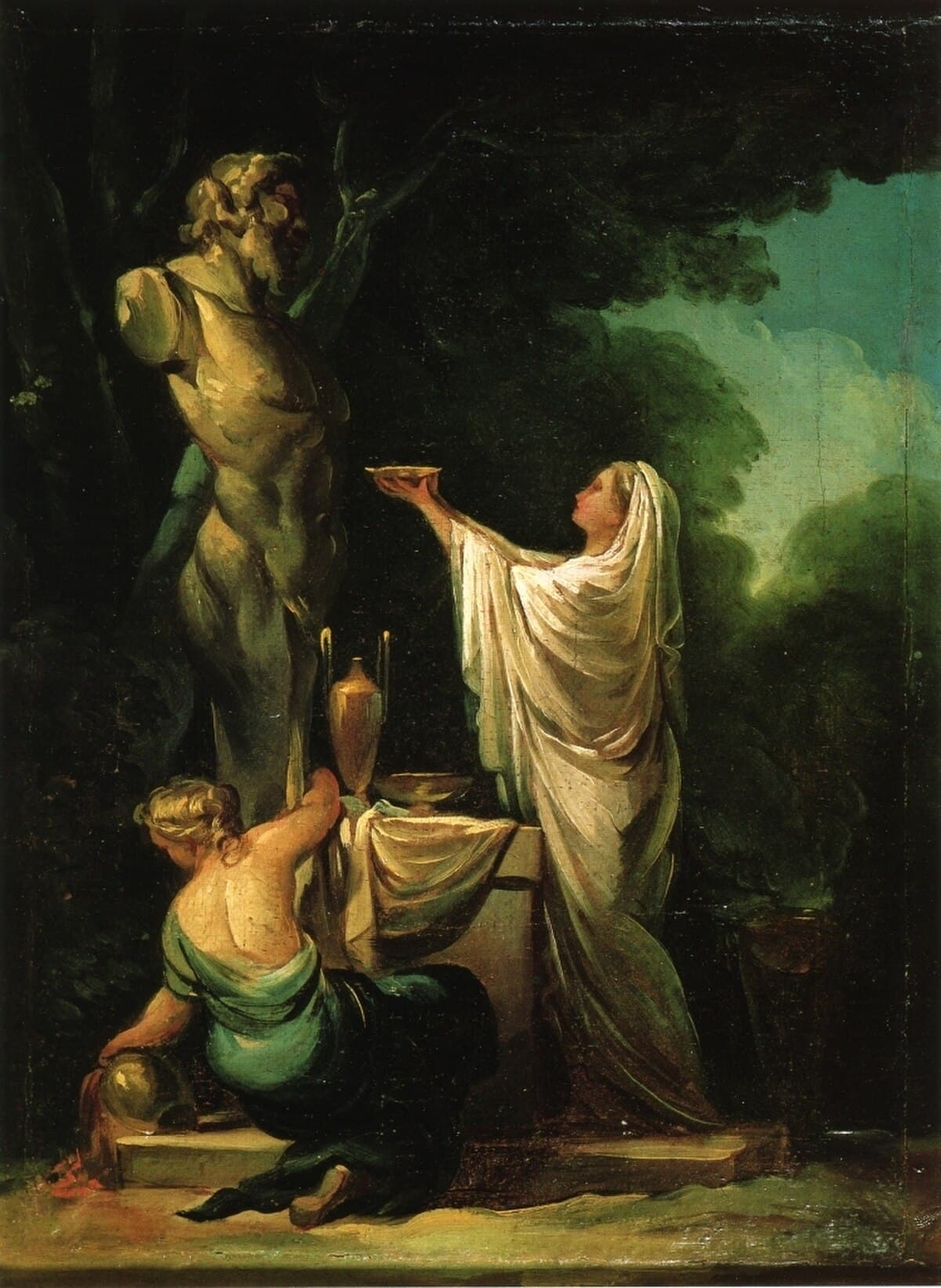
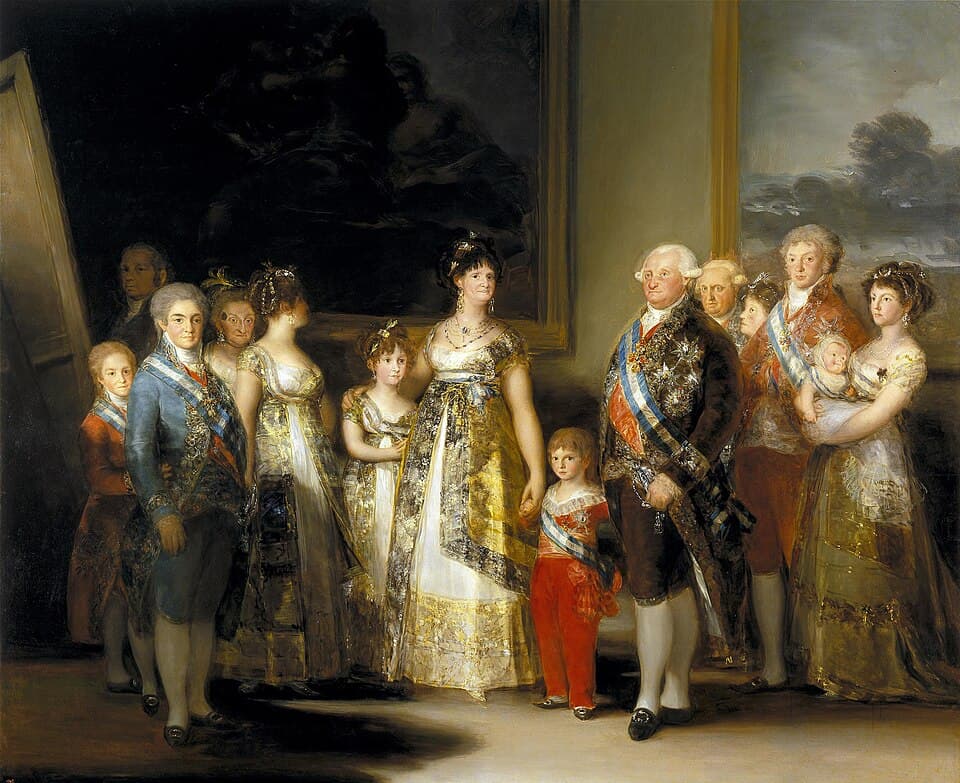
Romantic painter Francisco Goya (1746-1828) is often called both the last of the Old Masters and the first of the moderns. Born in Fuendetodos, Aragón, he studied painting from age 14 and later moved to Madrid to train with Anton Raphael Mengs. A trip to Italy in 1771 further developed his skills. By 1786, he'd been appointed court painter to King Charles III, and in 1799 he became First Painter to Charles IV. That same year, he published "Los Caprichos," a series of satirical prints targeting Spanish society. A severe illness in 1792 left him permanently deaf, an event that darkened his vision and led to increasingly personal, often disturbing imagery in his later work.
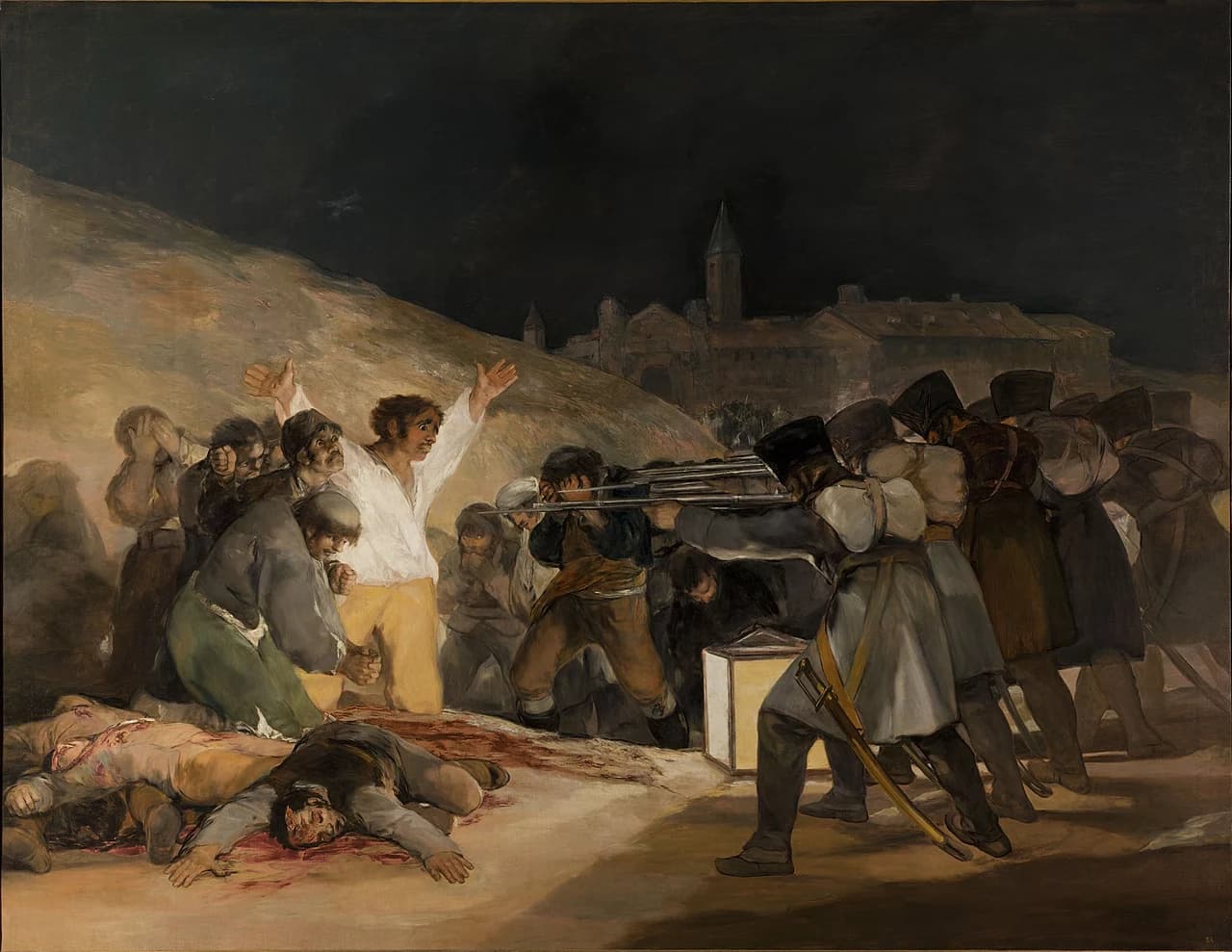
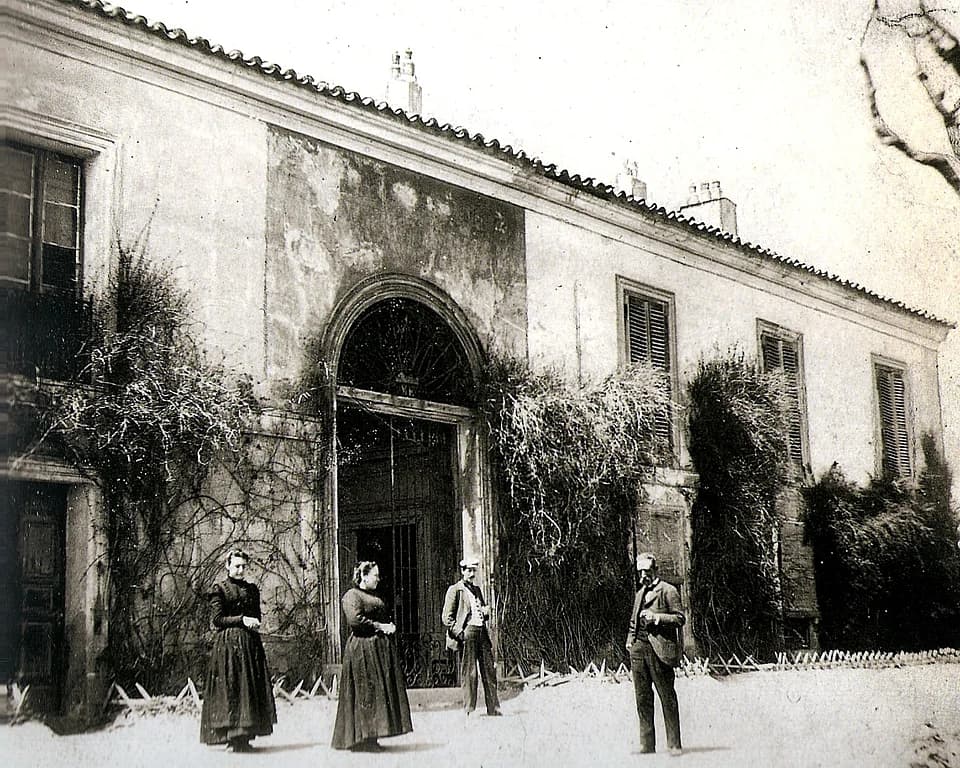
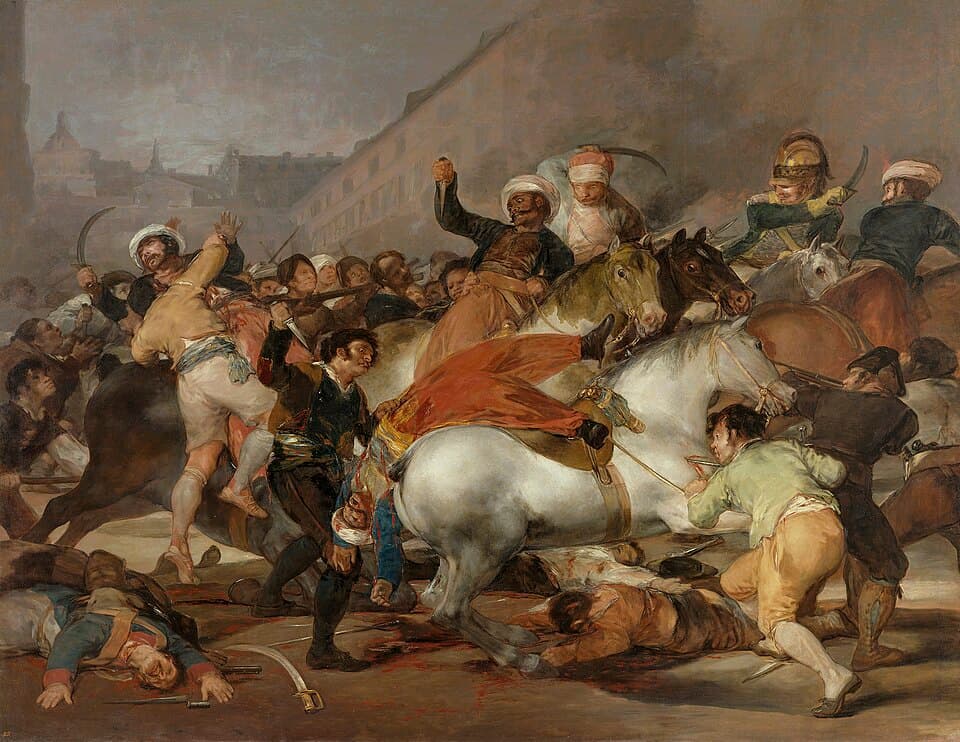
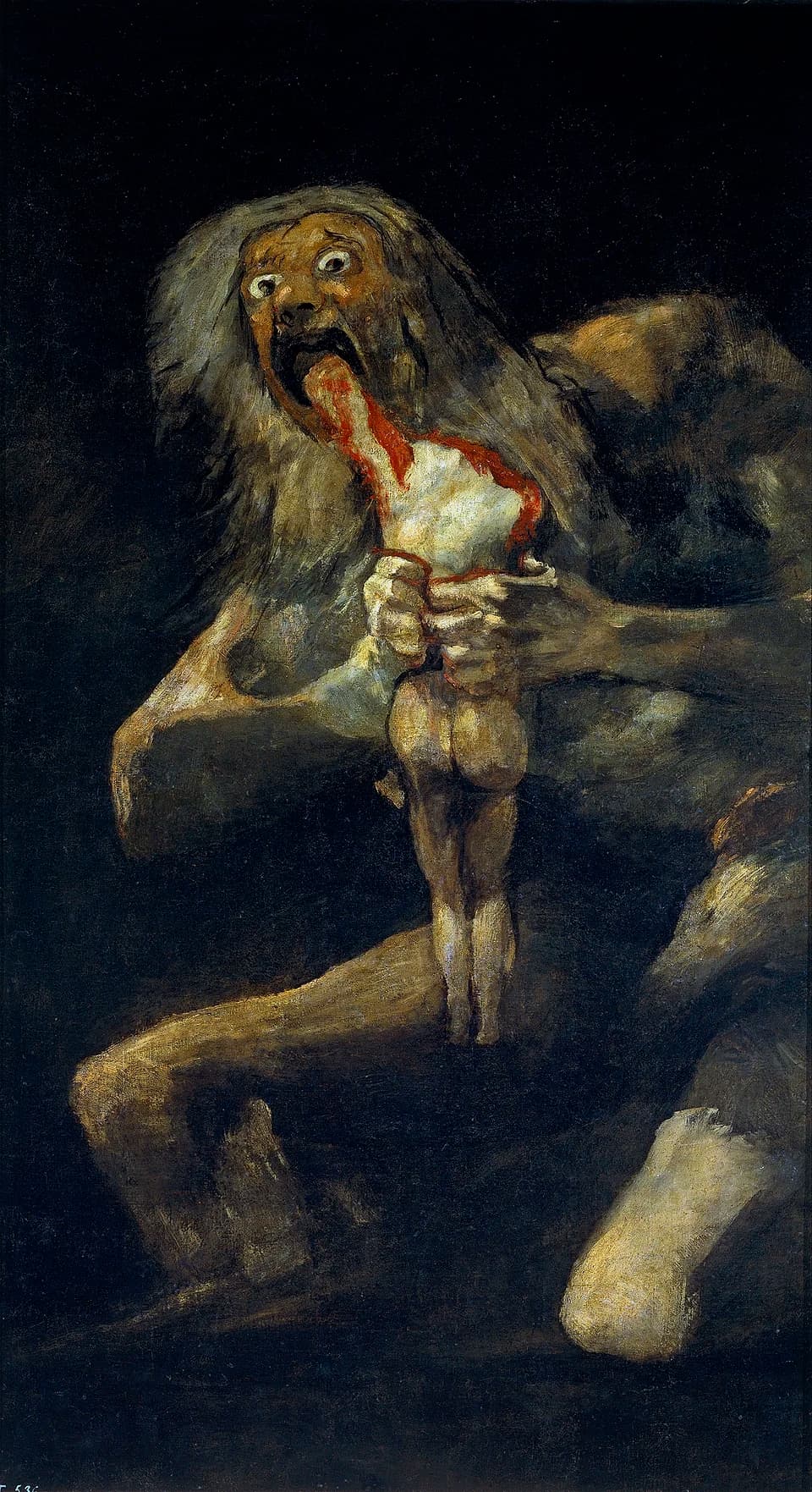
Goya's paintings document Spain's turbulent history with unflinching honesty. "The Third of May 1808" captures the execution of Spanish civilians by Napoleon's troops with brutal immediacy. His "Black Paintings," created between 1819-1823 directly on the walls of his home, stand among the most haunting works in Western art. He never intended these 14 paintings for public display, never wrote about them, and likely never spoke of them. They were transferred to canvas around 1874, fifty years after his death. Goya produced around 700 paintings, 280 prints, and several thousand drawings, influencing movements from Expressionism to Surrealism. Picasso's "Guernica" owes a clear debt to Goya's war imagery. After fleeing Spain's oppressive regime in 1824, Goya died in Bordeaux in 1828. The Museo del Prado in Madrid holds the world's largest collection of his work, including the Black Paintings and "The Third of May 1808."