1955 – 1970
Pop Art
Pop Art exploded in the late 1950s as artists embraced the commercial imagery that Abstract Expressionists had rejected. In Britain, Richard Hamilton and Eduardo Paolozzi incorporated advertisements and magazine clippings. In New York, Andy Warhol, Roy Lichtenstein, and Jasper Johns transformed soup cans, comic strips, and flags into fine art.
Warhol's silkscreen prints of Campbell's soup and Marilyn Monroe blurred the line between art and advertising. His Factory studio became a hub for celebrities, musicians, and countercultural figures. Lichtenstein enlarged comic-book panels to monumental scale, complete with Ben-Day dots. Claes Oldenburg created oversized sculptures of everyday objects, from hamburgers to clothespins.
Pop Art questioned what could be art and who got to decide. Was a Brillo box art if Warhol made it? The movement's ironic embrace of pop culture and consumerism anticipated our image-saturated digital age. Major collections exist at the MoMA, Tate Modern, and the Andy Warhol Museum in Pittsburgh.
What to Look For
Spotting Pop Art art in museums and galleries:
- 1Commercial imagery: soup cans, celebrities, brand logos, advertisements
- 2Ben-Day dots mimicking cheap comic-book printing (Lichtenstein)
- 3Repeated images in grid patterns (Warhol's Marilyn, Elvis)
- 4Bold, flat colors from commercial printing processes
- 5Everyday objects elevated to fine art: flags, targets, Brillo boxes
- 6Silkscreen printing rather than traditional painting
- 7Ironic or deadpan presentation of consumer culture
- 8Comic-book speech bubbles and bold outlines
At a Glance
- Period
- 1955 – 1970
- Artists
- 3
- Artworks
- 14
Defining Features
Popular culture imageryBold colorsIrony and parodyMass production themesCommercial techniques
Pop Art Artists
3 artists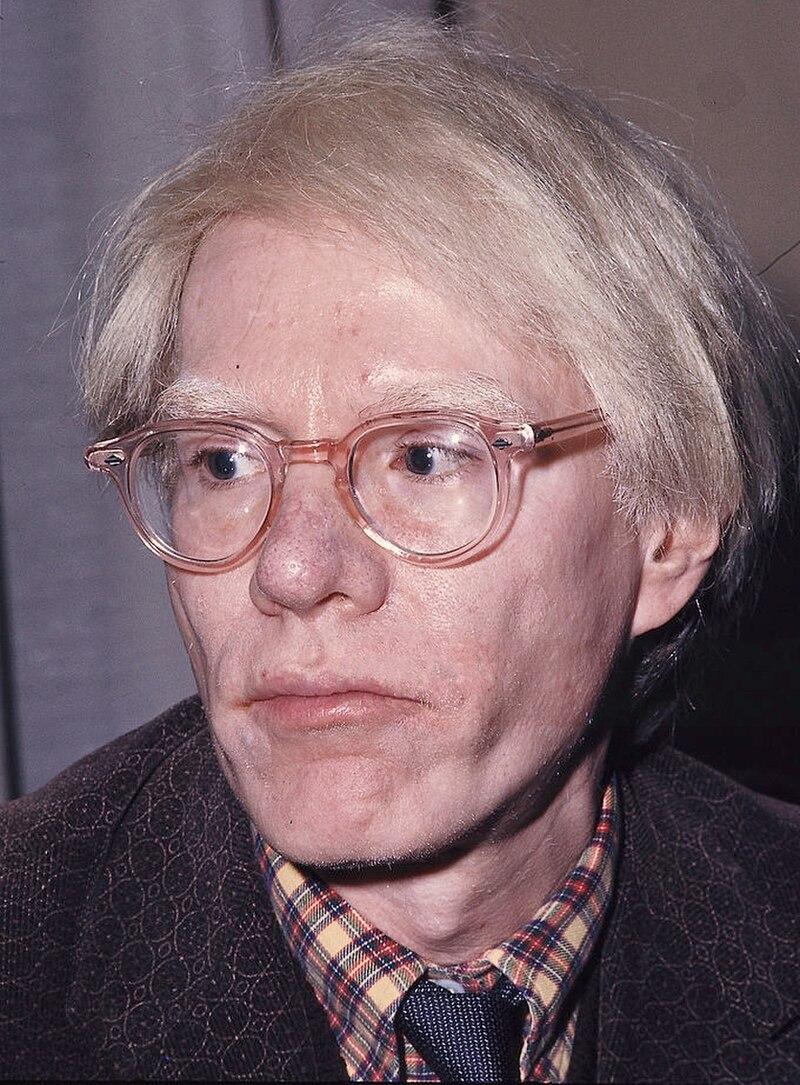
Pop Art Masterpieces
12 worksM
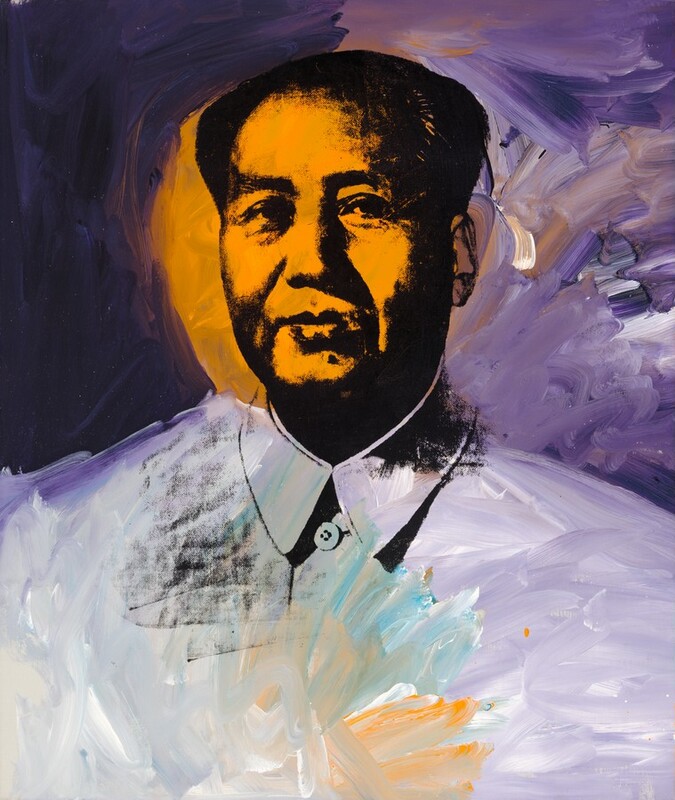
Mao
Andy Warhol, 1973
National Gallery of Art, Washington, D.C.
C© CopyrightedImage cannot be shown
Campbell's Soup Cans
Andy Warhol, 1962
Museum of Modern Art (MoMA), New York
S© CopyrightedImage cannot be shown
Shot Sage Blue Marilyn
Andy Warhol, 1964
Private Collection, Unknown
S© CopyrightedImage cannot be shown
Small Torn Campbell's Soup Can (Pepper Pot)
Andy Warhol, 1962
The Broad, Los Angeles
S© CopyrightedImage cannot be shown
Silver Car Crash (Double Disaster)
Andy Warhol, 1963
Private Collection, Unknown
F© CopyrightedImage cannot be shown
Flag
Jasper Johns, 1958
Private Collection, Unknown
P© CopyrightedImage cannot be shown
Portrait of an Artist (Pool with Two Figures)
David Hockney, 1972
Private Collection, Unknown
A© CopyrightedImage cannot be shown
A Bigger Splash
David Hockney, 1967
Tate Modern, London, London
T© CopyrightedImage cannot be shown
Three Flags
Jasper Johns, 1958
Museum of Modern Art (MoMA), New York
M© CopyrightedImage cannot be shown
Marilyn Diptych
Andy Warhol, 1962
Tate Modern, London, London
F© CopyrightedImage cannot be shown
False Start
Jasper Johns, 1959
Private Collection, Unknown
G© CopyrightedImage cannot be shown
Gold Marilyn Monroe
Andy Warhol, 1962
Museum of Modern Art (MoMA), New York
About Pop Art
Pop Art (1955-1970) embraced commercial and popular culture imagery as fine art. Artists like Andy Warhol and Roy Lichtenstein elevated soup cans, celebrities, and comic strips to museum walls, challenging distinctions between high and low culture.
Leading Pop artists include Andy Warhol (Campbell's soup, Marilyn), Roy Lichtenstein (comic-book paintings), Jasper Johns (flags, targets), Claes Oldenburg (oversized objects), and James Rosenquist (billboard imagery).
Andy Warhol's Factory was his Manhattan studio (1962-1984) where he produced art, films, and music. Covered in silver foil and filled with assistants and celebrities, it became a legendary gathering place for artists, musicians, and countercultural figures.
The MoMA New York has major Warhol and Lichtenstein works. The Tate Modern London holds important British Pop Art. The Andy Warhol Museum in Pittsburgh is devoted to his work. The Whitney has strong American Pop Art holdings.
Pop Art broke down barriers between fine art and commercial culture. Its influence extends to advertising, fashion, music, and contemporary art. Warhol's celebrity portraits and pop culture imagery anticipated today's image-saturated, celebrity-obsessed world.
Bring Pop Art Home
Luxury decor featuring museum-quality canvas prints inspired by these iconic masterpieces.
Shop Pop Art Art